
I have a proposal to fix the Oscars and, crucially, it is both elegant and completely unworkable, which gives it a real chance of being correct.
Every year, we gather to definitively decide the “best” films while they are still warm. Still campaigning, still being marketed, still being narrated to us in real time by trades, pundits, and podcasts. The general cultural noise machine turns art into a horse race. By the time the envelopes are opened, we are no longer judging films. We are judging momentum, narrative, and how convincingly a movie portrays its own importance.
Then ten years pass, and we all realise the results make very little sense. Somehow, it matters if a film was released in April versus November versus January. It’s time to realise history is more qualified to judge art than a room full of people who attended FYC screenings two months earlier.
So here is my deeply sensible reform. The Academy should award films ten years after their release. Not as a retrospective special. Not as a “legacy” add-on. As the actual Oscars.
Best Picture 2026? Films from 2015. Best Actor 2026? Performances from 2015. Same categories. Same prestige. Just with the minor advantage of time, distance, and the ability to see what actually lasted beyond awards season hysteria.
Ten years is long enough for the hype to die, the hot takes to cool, the reputations to settle, and for cultural significance to reveal itself without a publicist whispering in its ear. You cannot campaign nostalgia with the same velocity. You cannot manufacture urgency a decade later. A film either endured or it did not.
Most importantly, it would end the annual ritual of crowning films that feel seismic in the moment and weightless in hindsight.
Which brings us to the logical conclusion of this extremely serious and unquestionably necessary reform. If we implemented the Ten-Year Oscars today, the 2026 ceremony should replace the 2016 Oscars. So, it is time, finally and mercifully, to award the best films of 2015.
This makes perfect sense so long as you avoid thinking about the logistics, the voting body, the contractual obligations, the broadcast rights, or literally any operational detail whatsoever. Conceptually, however, it is flawless. And yes, awarding the best films of 2016 makes sense, but I’ve spent the last four weeks rewatching as many films from 2015 as I could, before I realised this fatal flaw.
Before we begin rewriting history, we should record it accurately.
These were the winners from 2016 at the 88th Academy Awards, honouring films released in 2015.
Major Categories
Best Picture: Spotlight
Best Director: Alejandro G. Iñárritu, The Revenant
Best Actor: Leonardo DiCaprio, The Revenant
Best Actress: Brie Larson, Room
Best Supporting Actor: Mark Rylance, Bridge of Spies
Best Supporting Actress: Alicia Vikander, The Danish Girl
Screenplay
Best Original Screenplay: Spotlight, Josh Singer and Tom McCarthy
Best Adapted Screenplay: The Big Short, Charles Randolph and Adam McKay
Technical and Craft Awards
Best Cinematography: The Revenant, Emmanuel Lubezki
Best Film Editing: Mad Max: Fury Road, Margaret Sixel
Best Production Design: Mad Max: Fury Road, Colin Gibson and Lisa Thompson
Best Costume Design: Mad Max: Fury Road, Jenny Beavan
Best Makeup and Hairstyling: Mad Max: Fury Road, Lesley Vanderwalt, Elka Wardega, Damian Martin
Best Sound Mixing: Mad Max: Fury Road, Chris Jenkins, Gregg Rudloff, Ben Osmo Best Sound Editing: Mad Max: Fury Road, Mark Mangini and David White
Best Visual Effects: Ex Machina, Andrew Whitehurst, Paul Norris, Mark Ardington, Sara Bennett
Music
Best Original Score: The Hateful Eight, Ennio Morricone
Best Original Song: “Writing’s on the Wall” from Spectre, Sam Smith and Jimmy Napes
Feature and International Categories
Best Animated Feature: Inside Out
Best Foreign Language Film: Son of Saul
Best Documentary Feature: Amy
Shorts
Best Animated Short Film: Bear Story
Best Live Action Short Film: Stutterer
Best Documentary Short Subject: A Girl in the River: The Price of Forgiveness
Now, for clarity. We are not reviewing everything. The shorts will remain undisturbed. The deeper technical categories will remain undisturbed. I am not here to second-guess sound mixing professionals or reopen disputes about prosthetic application.
What we are reviewing are the awards that shape the story of a cinematic year. The categories that define taste, legacy, and cultural memory.
Best Picture. Director. The acting categories. Screenplay. A handful of craft awards that function less as engineering prizes and more as signals of aesthetic dominance.
In other words, we are not auditing technique. We are reconsidering history.
Best Picture: Mad Max: Fury Road (Revised)
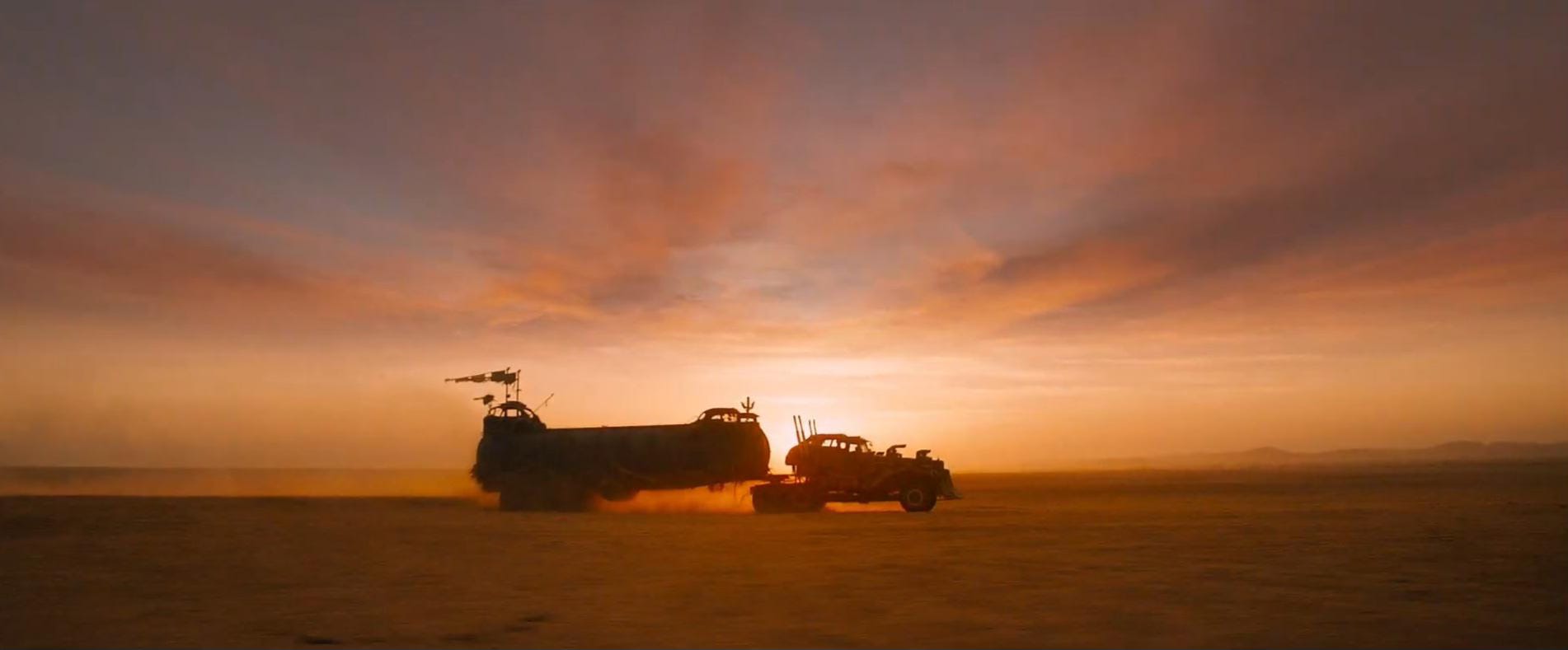
The Academy gave Fury Road six technical awards and a polite round of applause, then handed Best Picture to Spotlight and felt good about itself. This was probably the correct moral decision, but certainly the wrong cinematic one.
Spotlight is a fine film. It is well-acted, well-constructed, and important in the way that a very good newspaper article is important. It does exactly what it sets out to do and not a frame more. In 2026, with institutional journalism under sustained assault, there is something almost poignant about rewarding it. But poignancy is not the same as greatness, and Spotlight does not have what Fury Road has, which is the quality of being genuinely irreplaceable.
No one else could have made Fury Road. No one else has made anything like it since. A film that treats gasoline as poetry and chaos as choreography, a film that builds an entire civilisation out of rust and desperation and then destroys it at 100 miles per hour.
Ten years later, it’s obvious. It was obvious then, if you were watching.
Best Director: George Miller, Mad Max: Fury Road (Revised)
Tom McCarthy made a very good film by assembling excellent people and staying out of their way. That is a legitimate skill. It is not what Best Director is for.
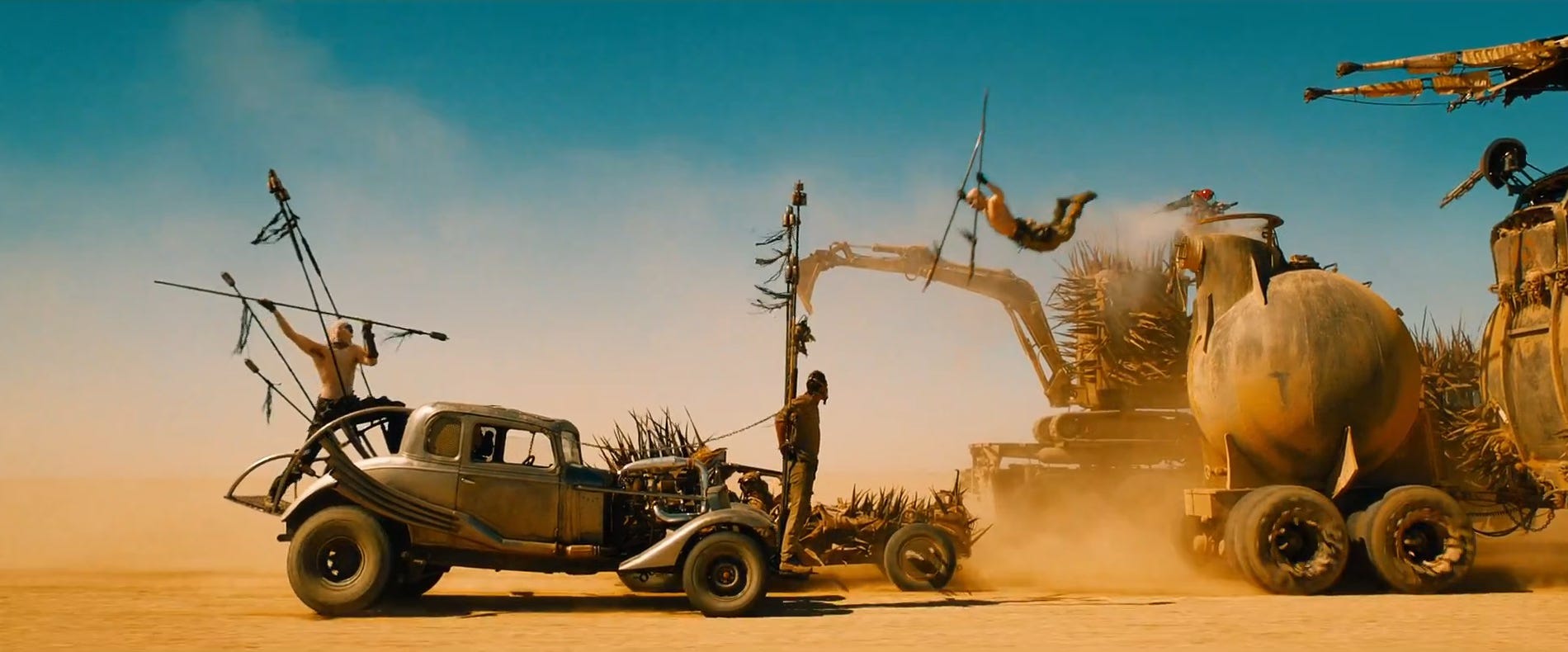
Miller shot Fury Road in the Namibian desert over 120 days, largely in camera, with real vehicles, real fire, and a vision so complete and uncompromising that the studio tried to shut it down mid-production. The result is action filmmaking that has not been surpassed in the decade since, not because no one has tried, but because almost no one has understood what Miller was actually doing. He was less directing a chase sequence than choreographing a siege on the senses with the discipline of someone who had been thinking about it for thirty years.
Iñárritu won for suffering, both his characters’ and his crew’s. Miller won nothing, which remains one of the more straightforward errors the Academy has made in recent memory.
Best Actor: Leonardo DiCaprio, The Revenant
Let’s be clear about what this is. This is a career Oscar. The Academy was correcting its own record, not rewarding The Revenant specifically, and everyone in the room knew it. The question is whether that makes it undeserved.
It doesn’t.
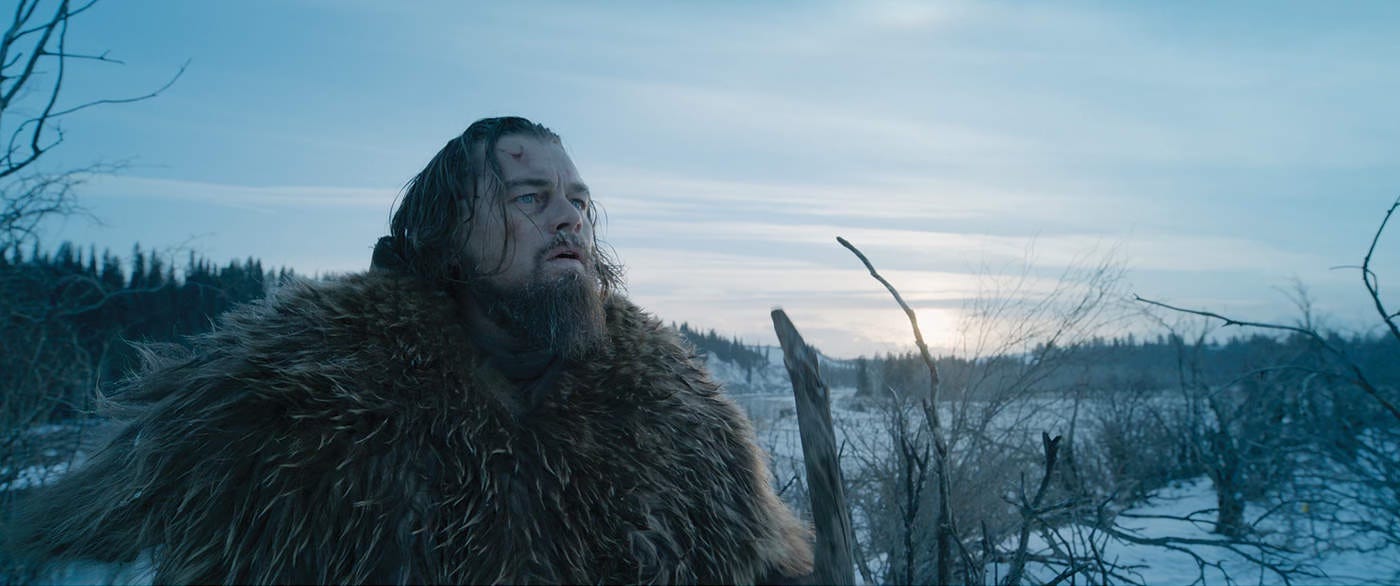
DiCaprio is one of those actors whose body of work quietly embarrasses the competition around him. He doesn’t have De Niro’s volcanic peaks or Pacino’s gravitational pull, but for consistency, taste, and the sheer refusal to coast, he has almost no equal. In his generation, there is no one who comes close. Catch Me If You Can, The Aviator, The Departed, Gangs of New York, Django Unchained. He has a career of swinging for the fence and connecting more often than anyone gives him credit for. The Revenant is not his best performance. It might not crack his top five. But the award was always going to be about the full ledger, and the full ledger is extraordinary.
Fassbender in Steve Jobs is probably the most precise piece of acting that year. In a fairer world it’s closer.
(While we’re here, the ongoing coronation of Chalamet as the generational talent is being conducted largely without mentioning Michael B. Jordan or DiCaprio in the same breath. That’s a conversation worth having louder than it currently is.)
But Leo gets his first. Overdue, imperfect vehicle, correct decision.
Best Actress: Brie Larson, Room
This is the closest call on the board.
Cate Blanchett in Carol is a masterclass in controlled longing, a performance so precise and internally complex that it has grown in reputation since. There is a genuine conversation that she is the best actor working today. Another version of this piece hands her the award and makes an equally convincing case. If you disagree with the verdict here, you are not wrong.
But Larson gets it. Room asks her to carry something almost unbearable, a woman rebuilding herself from the inside while protecting a child from the weight of what she knows, and she does it without a single moment of visible effort. The performance doesn’t announce its own difficulty, which is the most difficult thing of all.
Blanchett simmers. Larson endures. On a different day the verdict flips. Today it doesn’t.
Best Supporting Actor: Sylvester Stallone, Creed (Revised)
Mark Rylance is a wonderful actor who gave a precise, controlled performance in a Spielberg film that has largely evaporated from cultural memory. Stallone gave the best performance of his career in a film that keeps getting better.
What Stallone does in Creed is genuinely surprising, not because we expected nothing from him, but because the performance asks for something he had never quite been asked for before. Vulnerability without self-pity. Mentorship without sentimentality. A man watching his body fail him while trying not to make it anyone else’s problem. It is quietly devastating. Ten years later, this feels like a huge misstep.
Best Supporting Actress: Rooney Mara, Carol (Revised)
Vikander won for a performance in a film that the years have not been kind to. Mara lost for a performance in a film that keeps revealing new layers. Yes, Mara could reasonably be accused of category fraud. So could Vikander. If we are correcting history, we may as well give it to the better performance.
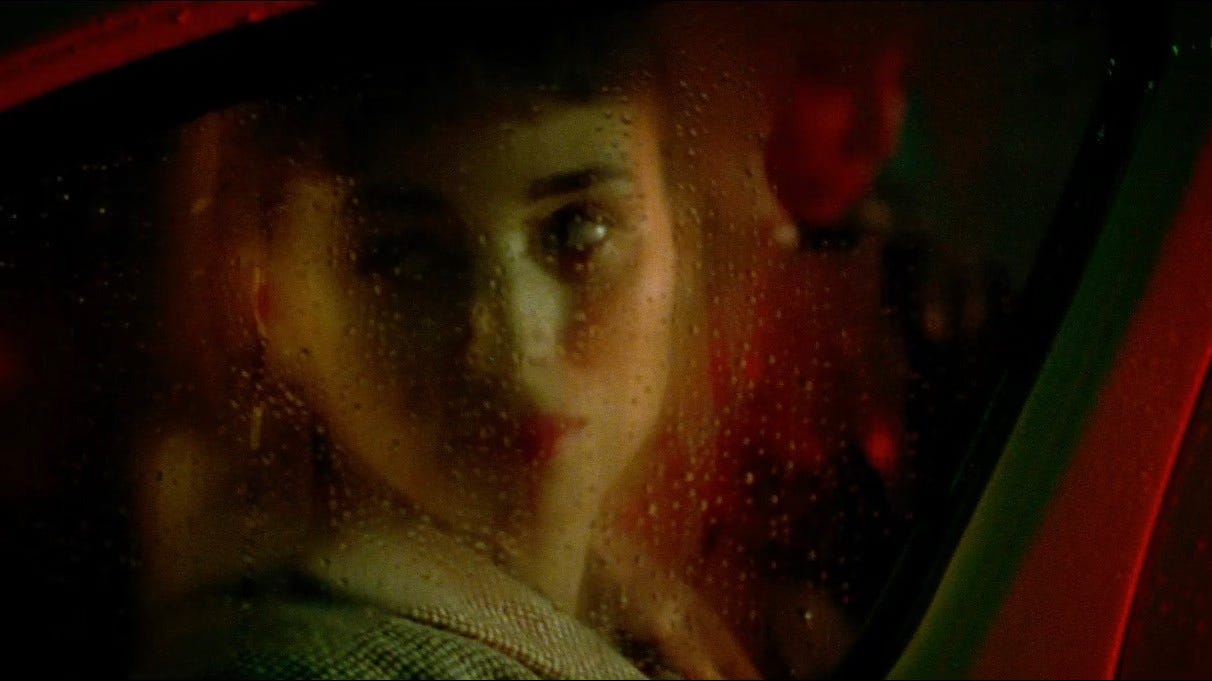
Mara gives a heart-wrenching performance, longing, uncertainty, the specific ache of wanting something you don’t yet have the language for. It is a performance built almost entirely from what she doesn’t say, which is the hardest kind to give and the easiest kind to overlook. Ten years later, with the noise gone, it’s the one you remember.
Best Original Screenplay: Ex Machina, Alex Garland (Revised)
The Academy gave this to Spotlight, which is a defensible choice. Spotlight’s script is meticulous and precise, and does exactly what it needs to do. Ex Machina does something harder. It builds a philosophical trap out of three characters and a house and makes you feel the walls closing in without ever raising its voice.
Garland’s script treats ideas as the action. Consciousness, manipulation, what it means to be seen, and what it costs, all of it running underneath a surface that looks like a thriller. A decade later, it hasn’t dated. If anything, it has gotten more prescient, more uncomfortable, which is exactly what good science fiction is supposed to do.
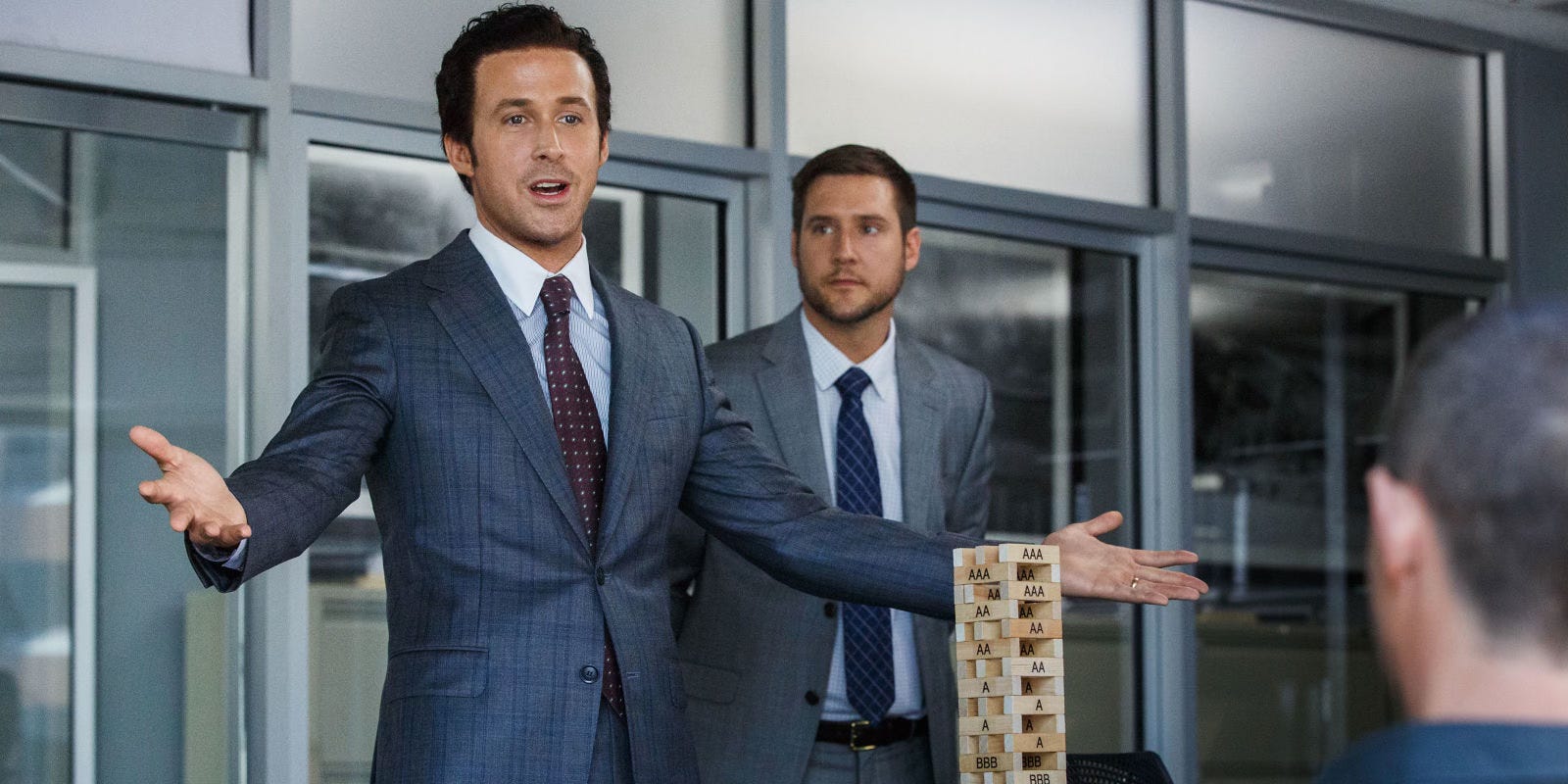
Best Adapted Screenplay: The Big Short, Charles Randolph and Adam McKay
No correction needed here. The Academy got this one right, and time has only confirmed it.
The Big Short does something that should not work. It makes the 2008 financial collapse funny without making it weightless, and damning without making it dull. The script finds a way to be genuinely enraged and genuinely entertaining in the same breath, which (ask anyone on Substack trying to write political satire) is a harder balance than it looks. In 2026, the punchline hasn’t changed and it hasn’t gotten any less funny.
Best Cinematography: The Revenant, Emmanuel Lubezki
Still breathtaking. Sunlight on snow, a bear attack, DiCaprio chewing raw bison liver, all captured with patience and precision. Lubezki deserved this one, and time hasn’t complicated it.
Best Film Editing: Mad Max: Fury Road, Margaret Sixel
Action editing that feels like poetry in motion. The Academy got this right, and a decade later, it looks even more correct. Sixel’s work is the reason Fury Road functions as something more than spectacle.
Best Original Score: The Hateful Eight, Ennio Morricone
Morricone’s score already had gravitas on release. Time confirms that music this tense and operatic outlasts any hype campaign. It was the right call then, and it remains so. The Hateful Eight is one of Tarantino's finest and deserves more than a single craft award. In almost any other year, it gets more. 2015 just had a juggernaut parked in its way.
Best Animated Feature: Inside Out
I did consider Anomalisa, and truthfully, I prefer it as a film. It’s sharper, stranger, and far more psychological. But this category isn’t just about personal preference. It’s about impact and legacy. Inside Out remains the clearer winner in hindsight. What once seemed like a clever Pixar high-concept now reads as something quite profound, a film that teaches emotional literacy without ever talking down to its audience. It reaches children and adults simultaneously, and that universality matters. I may return to Anomalisa more often, but Inside Out is the one that reshaped how an entire generation talks about feelings.
Best Foreign Language Film: Son of Saul
Unchanged. Ten years later, still harrowing, still uncompromising. The Academy got this one right.
Best Documentary Feature: The Look of Silence (Revised)
Originally overlooked, this quietly devastating follow-up to The Act of Killing deserves the correction. Amy is a great documentary, and both are valid cases. I’ve allowed myself my favourite here.
The experiment is complete. Ten years of distance, a few weeks of rewatching, and the truth reveals itself. The right films were mostly in the room. They just didn’t always leave with the right envelopes.
The Academy is not broken. It is simply impatient. Give it a decade, and we can prevent any mistakes.
A final confession. Sicario is one of the finest films of 2015, and I have not given it a single award. I tried. I looked for the opening. It simply was not there. Some years, one of the best films in the room goes home empty-handed, and apparently, that is true even when I am the one running the room.
Not even a reformed Academy can save everything.
And there we have it. I’ve fixed the Oscars. Please notify the Academy and ask them to send a donation.
No posts
Comments
Nothing yet. Say the first thing.
Sign in to join the conversation.