
In 2012, Victor Misiano, a prominent Russian curator, stated that “The art of Kazakhstan, Kyrgyzstan, Uzbekistan and Tajikistan is perhaps the last territory which is unclearly marked on the global artistic map.”1 During the first ten years of the 21st century, artistic culture in Central Asian states was defined by a lingering Soviet legacy, attempted reconciliation with ethnic heritage, and keeping up with the demands of a fast-moving, globalized reality. Over the past several years, the contemporary art scene in Central Asia has expanded significantly, reaching beyond the region and catching the attention of the international art world. Through the selection of works included in this article, the role of the environment in post-Soviet identity construction is brought to the forefront, offering a fresh glimpse into contemporary Central Asian visual culture that will continue to inspire artists and curators alike.
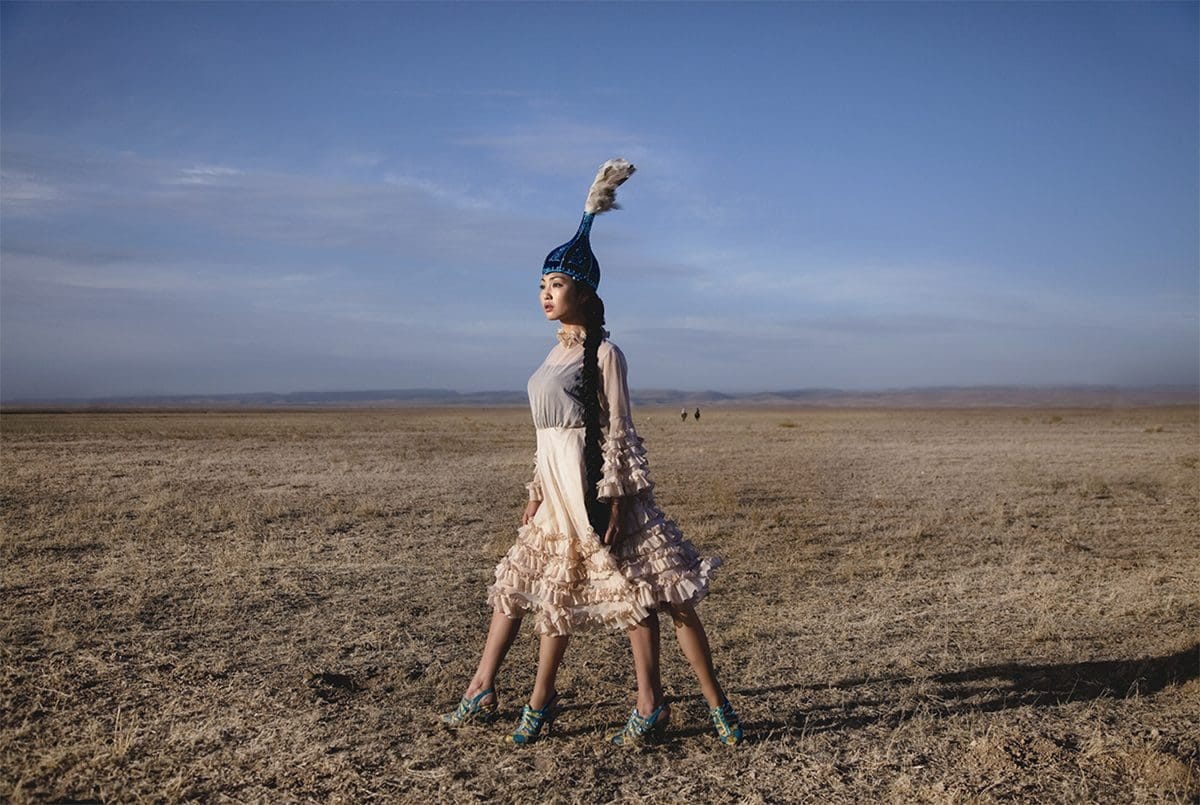
Artists like Almagul Menlibayeva and Gulnur Mukazhanova have shown their work in global art centers including Berlin and Paris in addition to their native Kazakhstan, laying the groundwork for a Central Asian artistic presence that will undoubtedly prompt curators to peel back the intricate layers of this region’s visual culture to uncover compelling narratives and innovating artworks awaiting exhibition. For many artists hailing from this region, contemporary art functions as a forum for discussion of regional issues including post-independence identity construction, environmental issues, and post-Soviet experiences more broadly. In this unique landscape, artistic intervention functions as an act of extrication from state control, as well as a means of liberation from decades of censorship and totalitarian frameworks of production.2
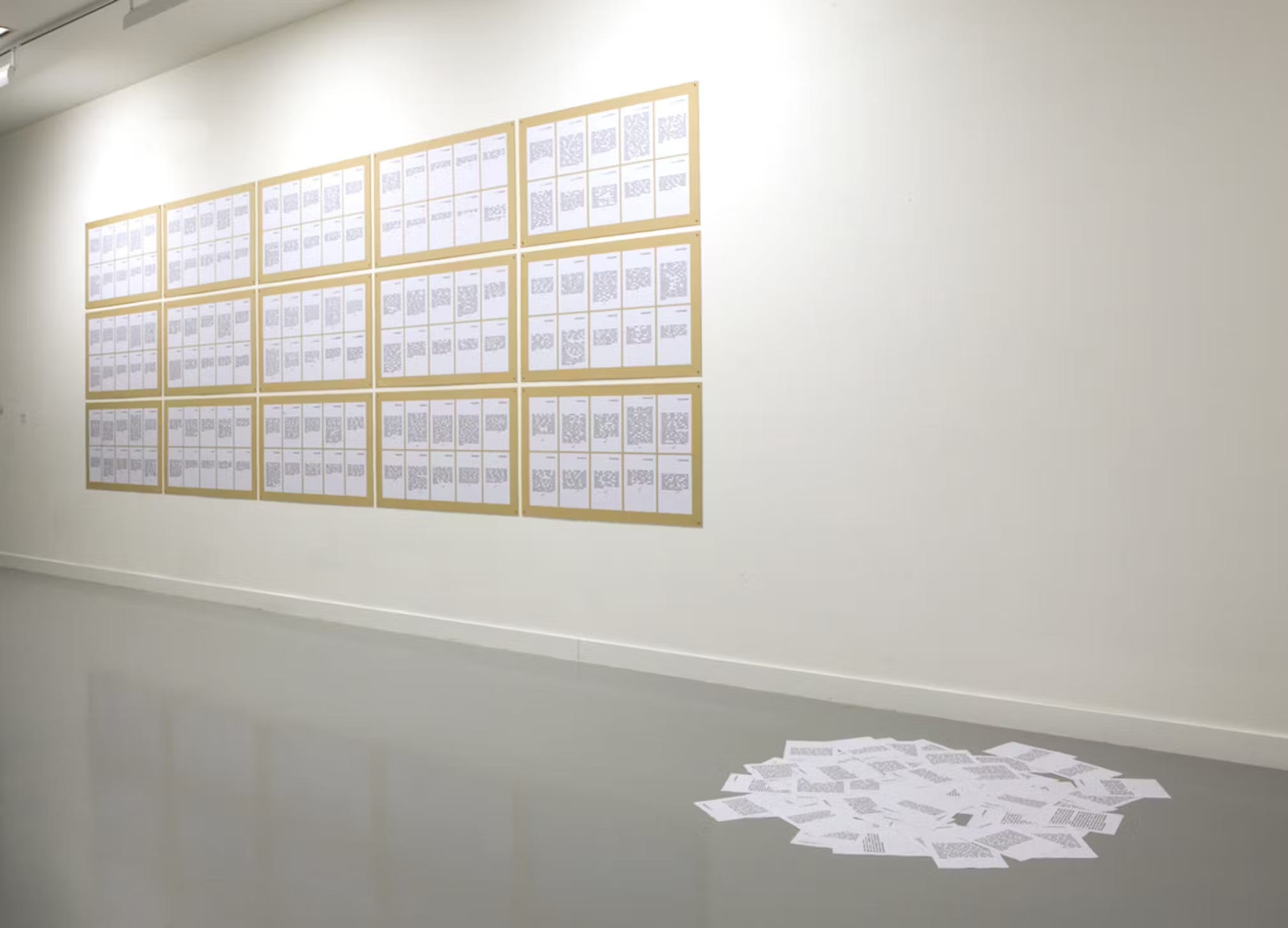
The vibrant contemporary art scene in Central Asia is small in scale, but has powerful impacts on local communities. Contemporary art developed in the late 1980s and early 1990s as a reaction to traditional Socialist Realist art of the Soviet Union, often a form of government-sanctioned propaganda. This new art sought to provide an outlet for expression, discussion, and interrogation of post-Soviet life, and has remained crucial for the construction of personal and national identity. Survival Instructions for Citizens of the Former USSR is a reconstruction of a performance art piece that Sergey Maslov originally carried out in Almaty in 1998. In the original artwork, Maslov employed an opera singer to “haphazardly distribute a stack of flyers” to the audience during the performance.3 The flyers featured lines of text offering absurd and humorous “advice” for a post-Soviet life, creating a harsh juxtaposition between the luxuriously formal setting of the theater. The audience members immediately resonated with Maslov’s words and began discussing the content with their fellow opera goers, an early artistic engagement with post-Soviet identity building. In the 2005 reconstruction pictured above, Yelena and Viktor Vorobyev translated the instructions into the fifteen languages of the former Soviet Union, stating that “now any former Soviet person can come to the exhibition and read these instructions in his or her native language, finding something valuable and applying this advice in practice.”
Art Historian Terry Smith considers contemporary art to be “a content-driven art, aware of the influence of ideologies and problems of translation, intensely local but also mobile internationally, and concerned above all with issues of nationality, identity, and rights.”4 Despite independence from the Soviet Union, most states in Central Asia cannot be considered “free,” due to considerable restrictions on free speech. In 2016, Kazakhstan was ranked 160th in the Press Freedom Index, as a result of significant legislative restrictions, censorship, and the absence of strong independent media outlets. Therefore, contemporary art plays a critical role in fostering an alternative public sphere that produces narratives, reflects on social issues, and generates debate and discussion.5 The ability of art to visualize and vocalize crucial social and ecological issues challenges the notion of a “closed society,” and prevents the state from monopolizing the narrative. In addition to the tangible political effects resulting from the Central Asian contemporary art scene, the movement has been especially powerful in the exploratory formation of post-Soviet national identity.
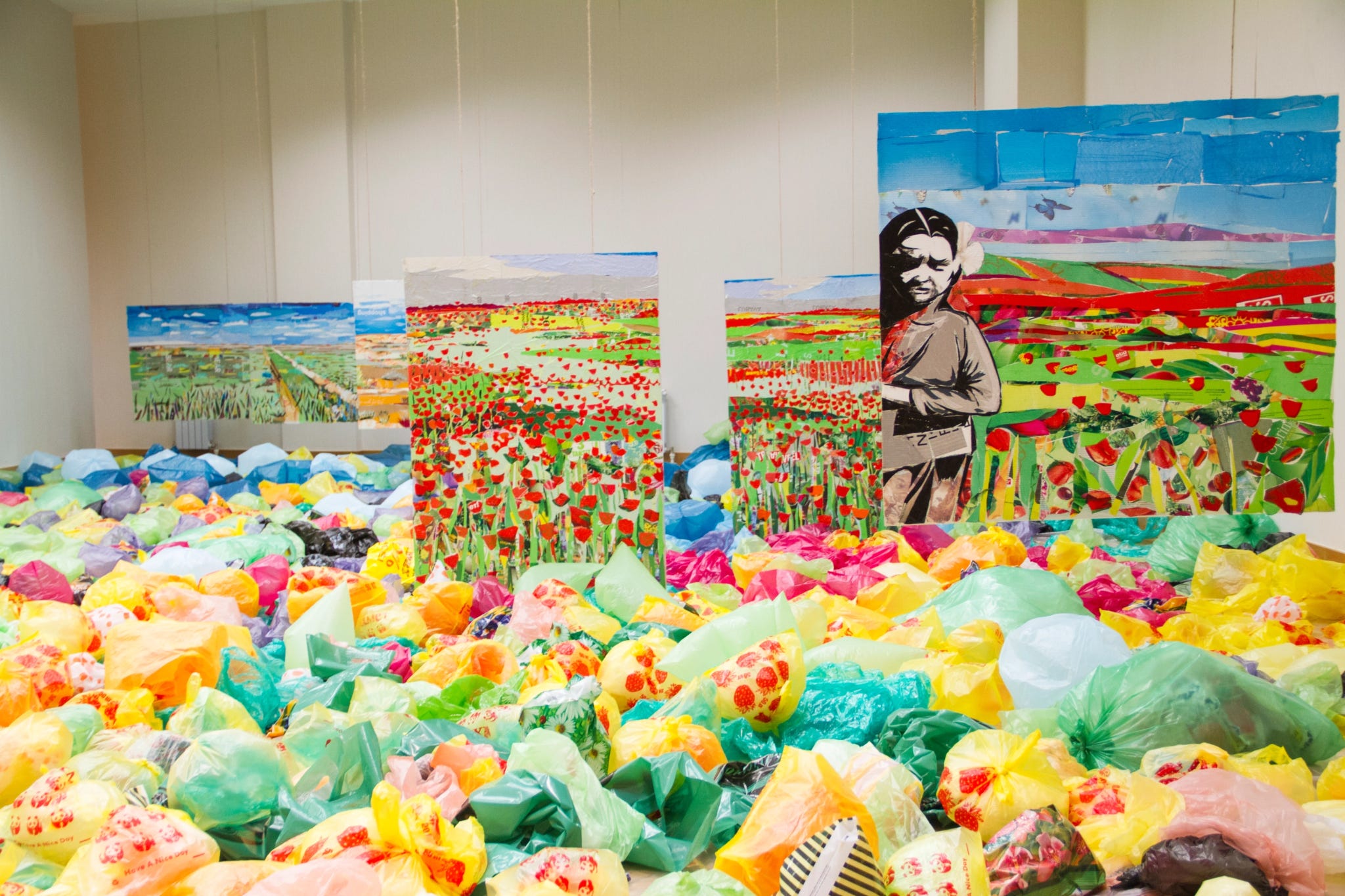
The question of national identity has remained at the forefront of discussions surrounding Central Asian artistic practice since the dissolution of the Soviet Union. The concept of nationalism in the post-1991 sociopolitical climate has become a crucial source of identification and meaning-making across Central Asia, though the act of “nationalizing” functions quite differently on a personal vs state level. Saule Suleimenova is a Kazakh artist who is involved with educational, ecological, and other social events around Kazakhstan. This work is an example of the artist’s “Cellophane Paintings,” which use exclusively recycled plastic to create colorful landscapes of the Great Steppe. This work addresses the issue of plastic pollution in the Kazakh Steppe, which covers almost all of the vast territory and is rarely (if ever) cleaned up or addressed in a meaningful way. Suleimenova strives to “decolonize the idea of Kazakhness” in her works, and inspire her community to embrace the beauty of their country, including the plastic landscape. Suleimenova’s oeuvre works to uncover and interrogate the notion of an “authentic” contemporary Kazakhstan, representing the layers of memory, history, and shared experiences that are woven through the tapestry of the land.
Kazakh scholar Diana Kudaibergenova investigates the concept of nationalism, and the role it plays in identity building in post-Soviet Kazakhstan. She argues that the nationalizing sphere has become the “most popular, dominant, and lucrative discourse” for state-builders in the wake of post-Soviet independence, but the domination of this unifying framework has only further complicated what it means to be “Kazakh, or Quazaq.”6 The at times problematic role of state-sponsored nationalizing efforts underline the importance of individual and local efforts in the hunt for identity. Thus, Central Asian artists play a unique role in forging personal expression and mitigating crucial discussions through their art, especially in a murky political climate.
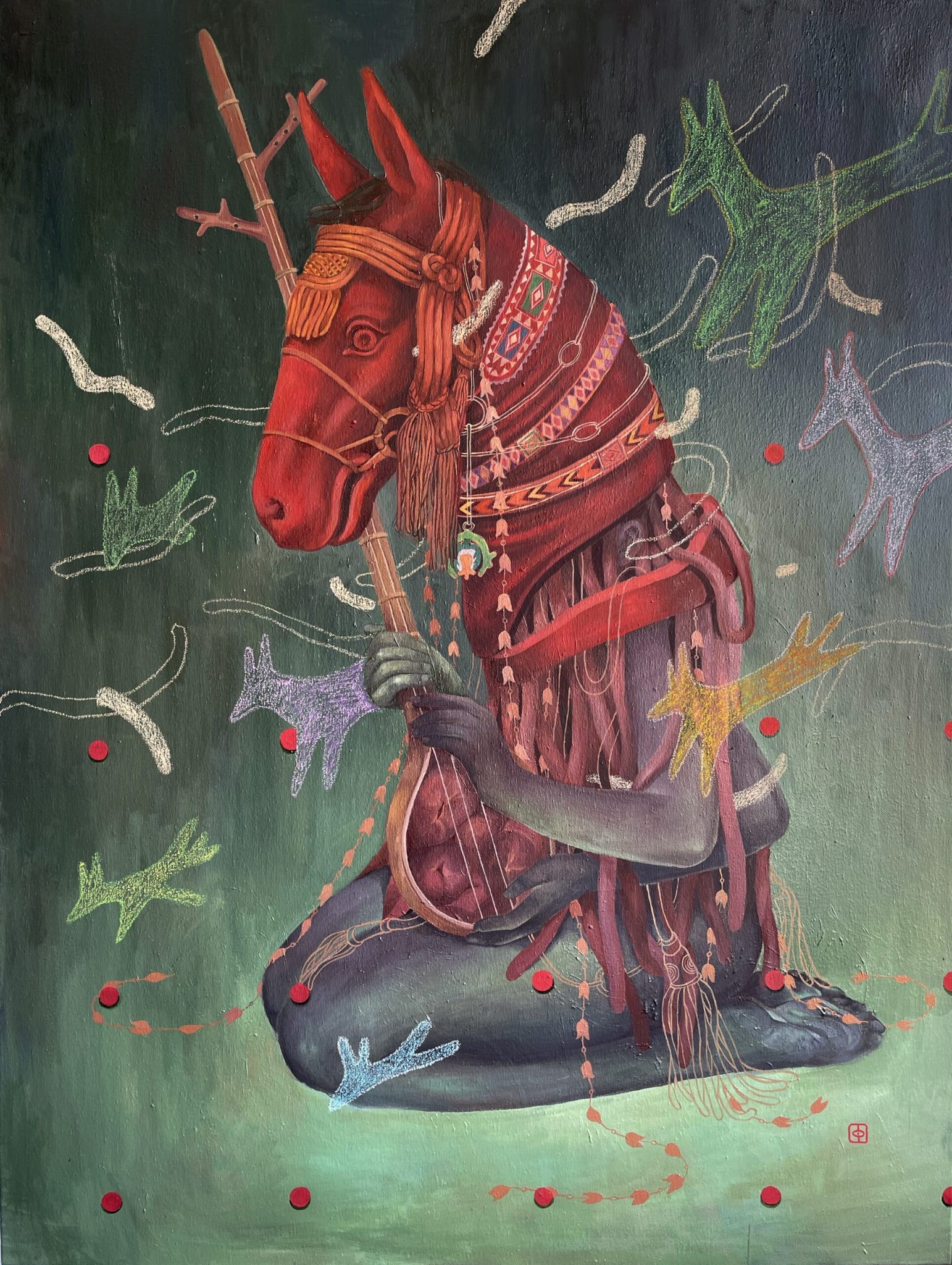
Art historian Alex Ulko has noted that in attempts to answer the question of national identity, many artists have “consciously and unconsciously” developed an affinity with the greater Central Asian identity, exploring relationships with historic cultural traditions, nomadism, shamanism, and strong ties to nature. However, he notes that while the notion of “Centralasianness” is an interesting, albeit abstract notion, individual national identity is substantially more tangible to artists of the region, and can directly influence their artistic practice. Ulko encourages artists to work “from within” and take advantage of their unique opportunity to strengthen the identities of their countries and communities, while contributing to the development of the larger global art world. By confronting Soviet discourses surrounding the “backwardness” of nomadism and close relations to the land, new generations of artists reclaim their environmentally-bound cultural heritage and position these “backwards” concepts as authentic in the face of the rigid hegemony of the Soviet Union.7
My own personal interest in curating contemporary Central Asian art stems from the close relationship between human and environment in the formation of national identity, notably at the role of the Soviet Union in regional environmental policy, and how resulting ecological crises have been central in identity building. A 2022 report by the International Partnership for Human Rights (IPHR) and CIVICUS, an international non-profit who aims to strengthen citizen action and civil society, ranked the civic freedoms of Uzbekistan and Turkmenistan as “closed,” Kazakhstan and Tajikistan as “repressed” and Kyrgyzstan as “obstructed.” This lack of freedom results in a political climate that is not conducive to activism; NGOs and concerned citizens are not easily able to address environmental problems, “significantly hindering effectiveness of measures to mitigate climate change and protect the environment.”8 This is especially relevant for the future impacts of climate change, but also important for the management of current ecological crises, which have gone largely ignored due to decades of inaction from post-independence leaders. A few of these environmental issues have been greatly exacerbated as a result of poor Soviet policies, including the desertification of the Aral Sea, the impacts of forty years of nuclear testing at Semipalatinsk, and soil degradation and vegetation loss on the Steppe due to forced nomadic sedentarization and periods of overuse. These themes illustrate just a few potential curatorial paths into an immensely culturally rich region brimming with innovative contemporary artists tackling the question of national identity through the environment.
Once the world’s fourth-largest inland body of water, the Aral Sea was an ecologically rich region that provided livelihoods for thousands of fishermen, and was the center of many vibrant coastal communities that stretched along its banks. Despite the flourishing fishing industry, central planners in Moscow made the decision to divert water from the two rivers that fed the Aral Sea, rerouting the water towards the desert to irrigate the newly expanded cotton farming industry.9 This short-sighted policy resulted in the complete desertification of the section of the Sea in Uzbekistan, now known as the “Aralkum,” the world’s newest desert. In addition to a devastating economic loss and the forced displacement of the communities that relied on the Aral for their livelihoods, the region now has one of the world’s highest rates of respiratory illnesses due to wind-borne pesticides and fertilizers.
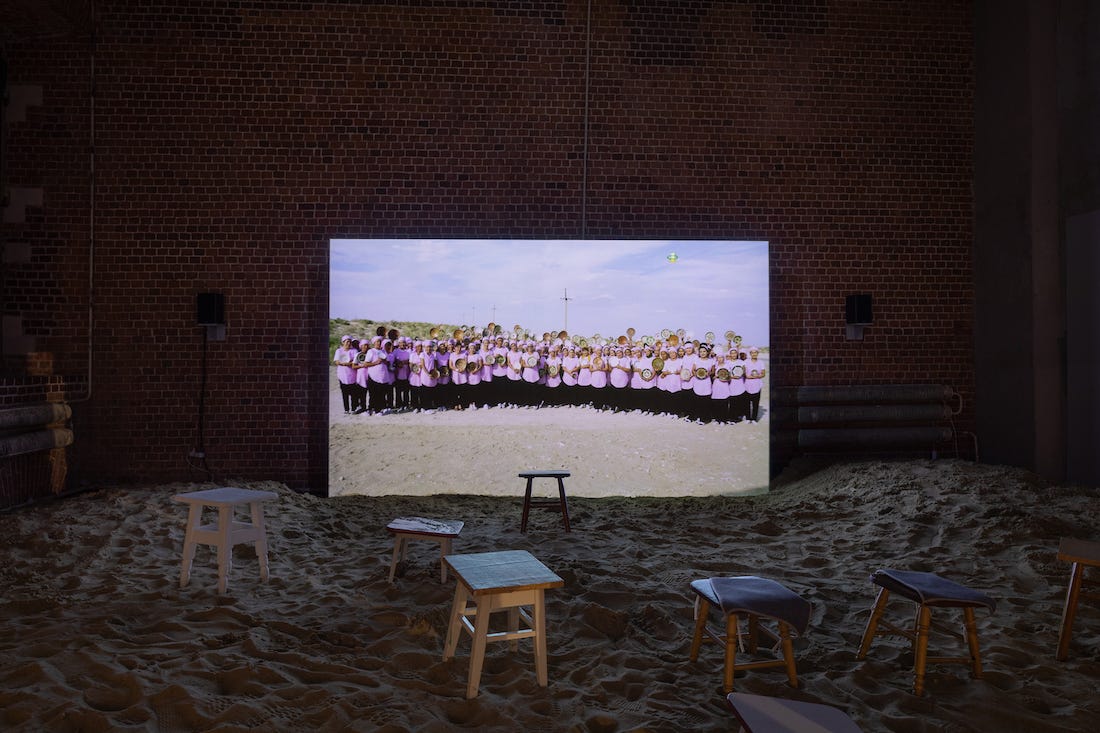
Born in Russia, Olga Shurygina is a multimedia artist working in her mother’s homeland, Uzbekistan. Shurygina sees Uzbekistan as a timeless space where she might find answers to artistic and personal questions relating to her identity. Mirage began as a research project exploring the ecological disaster of the Aral Sea, and the impacts on the surrounding communities who still call the region home. She focused specifically on the residents of Muynak, a former seaport where she would eventually assemble her final installation. Her research evolved into a collective artwork with the local community, culminating in a “mirage” of 3,000 ceramic plates on the floor of the dried sea, collected from residents of Muynak over the course of three weeks. For Shurygina, the plate stands as a symbol of local and national unity through the connection with legacies of craft, and functioned as an instigator for dialogue and critical discussion.10 This site specific installation piece is accompanied by a documentary filmed by the artist detailing her collaborative artistic process.
Artistic interventions in and around the Aral Sea work to reclaim and immortalize the rich history of the region, while exploring how the current state of the Sea is enmeshed in local identities. The concept of a disappearing sea is not unique to Central Asia, though it is a defining characteristic of the region’s landscape. In a world plagued by the effects of climate change, visitors to this exhibition will be able to relate to this form of environmental loss and the growing presence of ecological degradation at the hands of humans.
The Semipalatinsk Polygon was a former Soviet nuclear test site in north-eastern Kazakhstan, where about 470 nuclear tests were conducted between 1949 and 1989. In addition to the nuclear bombs, 600 thermonuclear and dozens of hydrodynamic and hydronuclear devices were tested. The high volumes of radiation resulting from such extreme nuclear use has resulted in detrimental health effects that are still present today, even though the site has been closed for nearly forty years.
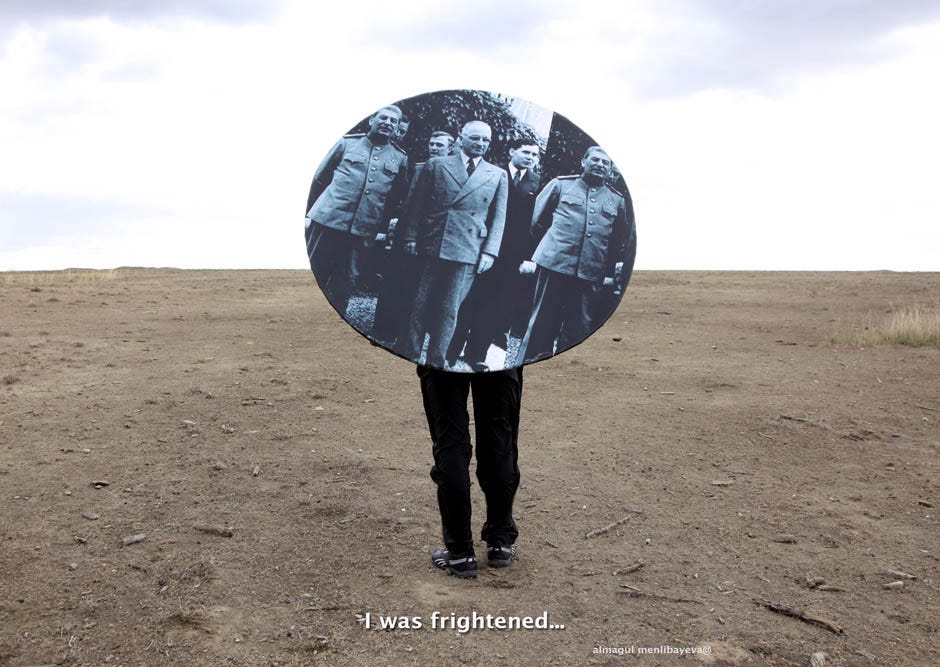
“Kurchatov 22,” another term referring to the area where the Soviet Union conducted nuclear testing in Kazakhstan, is the title for Menlibayeva’s five-channel video installation. This film was shot in the heartland of Semipalatinsk, where nuclear testing resulted in lasting impacts on plants, animals, and the local population, who were primarily Indigenous Kazakhs. Menlibayeva’s video installation reconciles with this tragic chapter in Kazakh history through a combination of historical facts, state footage, and eye witness reports in the form of interviews. This work functions as an investigation of the land’s memory, creating an open forum for discussions surrounding environmental issues and their impact on social and political developments in post-Soviet Kazakhstan. Further, this film dissects the notion of the “colonial experiment” and how a shared experience living under totalitarianism is paramount in understanding questions of contemporary identity.
The legacies of the nuclear program at Semipalatinsk exemplify the phenomenon of inherited environmental concerns resulting from Soviet-era policies that neglected the Central Asian people and their local ecology. For Kazakh artists, the nuclear legacies of Semipalatinsk are foundational for the formation and strengthening of national identity, and engage with radioactive imagery as a means of historical reclamation and artistic expression.
The Central Asian region, specifically countries with large swaths of land on the Great Steppe (like Kazakhstan), has a long and rich history of nomadic pastoralism, beginning at the turn of the second to first millennium BC.11 For centuries, nomadism was a central aspect of regional cultural identity. Administrators during the latter Tsarist period saw the northern regions of Kazakhstan, where there was significant nomadic pastoralism, as an excellent source of new farms. The nomadic use of the Steppe was seen as a “hindrance to the expansion of grain-growing,” as nomadism used thousands of acres that could be more economically productive as farmland. A series of specific policy choices throughout the 20th century resulted in overuse of certain areas, ultimately leading to soil degradation and ecological imbalance that made it impossible for vegetation to thrive
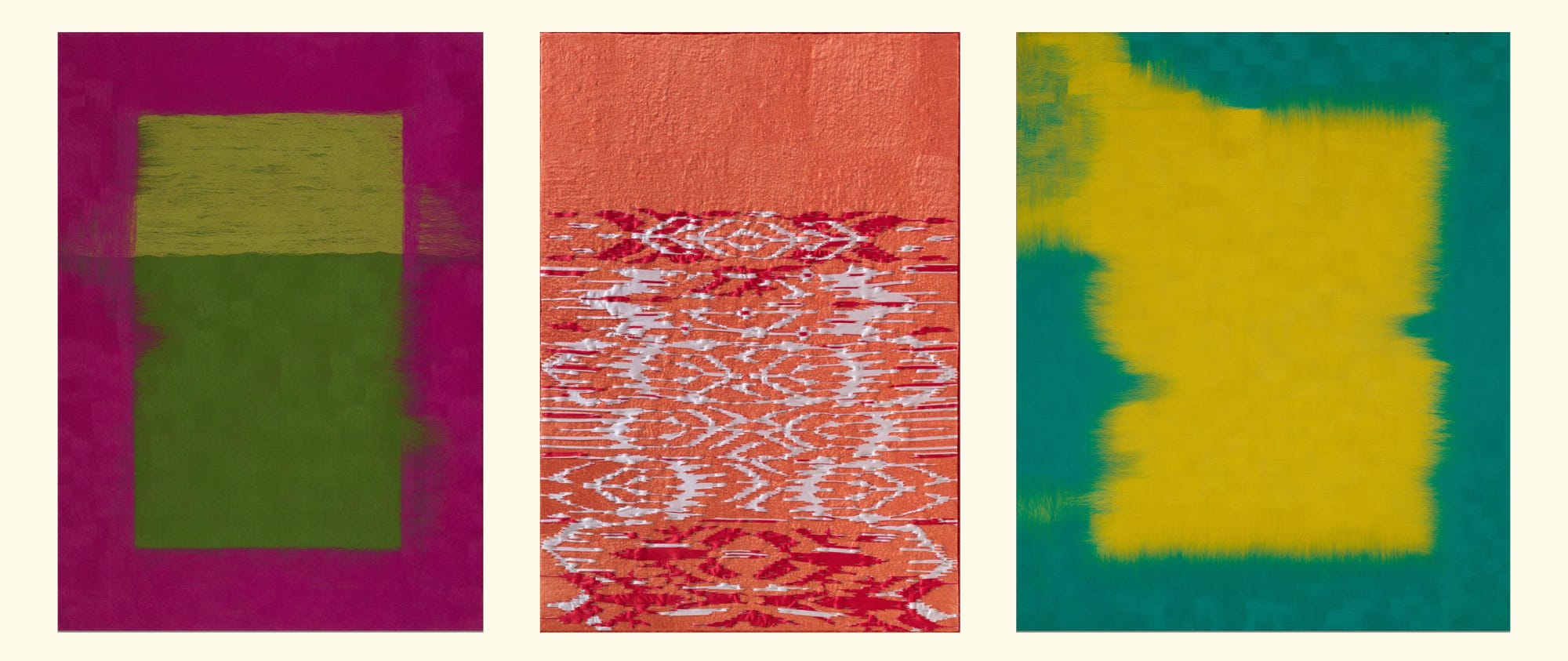
Gulnur Mukazhanova was born in Semipalatinsk, Kazakhstan, but now works and resides in Berlin. Her work is heavily influenced by Kazakh textile traditions; she uses felt and other fibers to address questions of identity and the contemporary transformation of traditional values.12 Mukazhanova uses her art making as an outlet for personal exploration of her Kazakh origins, which resonates with viewers from a similarly nuanced cultural background. The series “Post-Nomadic Realities” references tuskyiz, hand-embroidered wall carpets that typically featured intricate ornamental patterns. The artist dissects the word to uncover its essential meaning; tus, to dream, and kyiz, to feel. Thus, her compositions function as portals into another, dreamlike reality where viewers can assume new identities. Her work combines ancestral felting techniques with the modernist languages of minimalism and abstraction, creating a series that invites contemplation on nomadic histories and contemporary realities.
The nomadic history of the region is a theme regularly explored by contemporary Central Asian artists; as nomadism intertwines the physical environment with questions of national identity and cultural heritage. Today, nomadic pastoralists symbolize the fierce and independent individual who has survived in a “timeless primordial past,” functioning as a core emblem of resistance in post-Soviet national identity. For artists working to reimagine nomadism, geography becomes a central element of their practice; the Steppe functions both as a physical space and a metaphorical symbol of homeland and expelled local culture.
The contemporary art scene in Central Asia is emerging as a powerful force in local spaces, in addition to attracting attention from the global art world. The artworks included in this article engage with the aforementioned issues, and work to reclaim lost histories and forge contemporary identities that sit at the intersection of nationalism, cultural heritage, and local ecologies. The discourse of “imagined geographies” weaves through the selected pieces, closely relating the post-independence reclamation of the land itself with the poetic idea of the environment as a symbol for national identity, despite the significant ecological issues. After the fall of the Soviet Union, many artists found solace and inspiration by looking to the land as a way to define local culture, creating an evolving dialogue surrounding the intersecting ideas of ecology, contemporaneity, and national identity in a post-Soviet space.
Alex Ulko, “Exploring Central Asian Identities in Modern Art,” in Modernism Beyond the West: A History of Art from Emerging Markets, ed. Majella Munro (Cambridge: Enzo Arts and Publishing, 2012).
Alexandra Tsay, “Contemporary Art as a Public Forum in Kazakhstan,” CAP Papers, no. 191 (2017).
Terry Smith, Contemporary Art: World Currents (Upper Saddle River, NJ: Prentice Hall, 2011).
Alexandra Tsay, “Contemporary Art in Central Asia,” in Routledge Handbook of Contemporary Central Asia, ed. Rico Isaacs and Erica Marat (London, UK: Routledge, 2022).
Diana T. Kudaibergenova, Toward Nationalizing Regimes: Conceptualizing Power and Identity in the Post-Soviet Realm, (Pittsburgh, PA: University of Pittsburgh Press, 2020).
Diana T. Kudaibergenova, “Punk Shamanism, Revolt and Break-up of Traditional Linkage: The Waves of Cultural Production in Post-Soviet Kazakhstan,” European Journal of Cultural Studies 21, no. 4 (2018).
Eric Freedman, and Mark Neuzil, eds. Environmental Crises in Central Asia : From Steppes to Seas, from Deserts to Glaciers, (London: Routledge, Taylor & Francis Group, 2016).
Vera Trakhtenberg and Olga Shurygina, “Mirage on the Bed of the Aral Sea,” East East, Accessed 1 May 2024. https://easteast.world/posts/297
P. Nick Kardulias, ed. The Ecology of Pastoralism (Boulder, Colorado: University Press of Colorado, 2015).
Vanessa Gravenor, “Gulnur Mukazhanova: Un-Conscious,” Micheal Janssen Gallery, 2021.
No posts
Comments
Nothing yet. Say the first thing.
Sign in to join the conversation.