
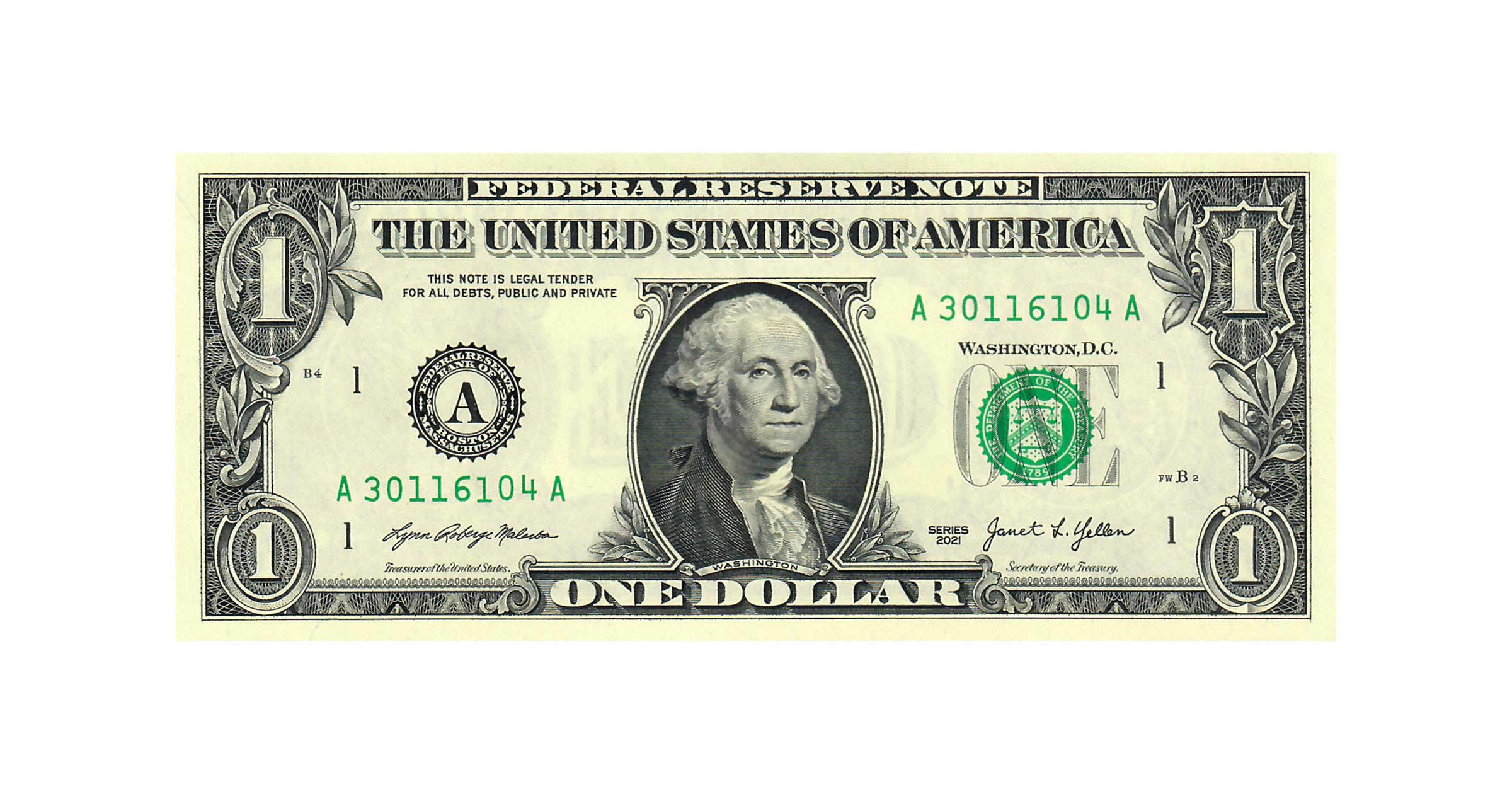
If you follow me on Instagram, you might have noticed I posted an ad a while ago.
This was the first time I’d ever done a ~brand partnership~. I’ve written a lot about consumerism and what this means for the future of the planet, so the cognitive dissonance is real. But in the end it was pretty easy to say yes — Wikipedia is something that is very worth supporting (it would have been a different story if I was asked to do an ad for vapes or bitcoin).
But also…money.
ICYMI, the economy is kicking almost everyone’s ass, and has been for the last 20 years or so. Everything is more expensive now, and most peoples’ earnings have not caught up. And on that same timeline, the traditional revenue streams from creative work have been “disrupted” (aka collapsed) and replaced with something much less profitable for almost everyone.
Take TV: back in the good old days, a film or show would play on a channel, where there were ads. That model would get replicated all over the world, so the cast of Friends would make a ton of money when the show was broadcast on NBC with ads for the American market, but also on British and German and Australian channels which each showed their own ads as well. Now, whatever gets streamed makes a fraction of what it used to because there’s way less ads, if there are any at all, and the revenue from subscriptions doesn’t come close to making up the difference.
It would be one thing if the price of houses and the cost of living went up but the business models stayed the same. But now everything is more expensive and it’s harder to make money???
It’s this double whammy of economic bullshit that has made the nepo baby phenomenon so inescapable, because ordinary people are getting locked out of culture industries. But it’s also why so many public figures are cutting deals with brands, or even launching their own (Hailey Bieber sold her skincare brand for a billion dollars). When your work doesn’t pay as much as it did back in the good old days, then you can just sell your personal brand instead. Welcome to The Sellout Economy.
Selling out used to be a fraught experience. In an episode of How Long Gone, Thursday singer Geoff Rickly explained how at the height of the 00s emo/post-hardcore scene, American Express once offered the band a pile of money to do an ad. They said no to it because they felt like they were betraying the values their scene was built on. If they’d known that the digital revolution would soon obliterate their CD sales, maybe they’d have made a different call (there’s a whole book about punk bands signing to major labels: Sellout by Dan Ozzi. Geoff Rickly is on the cover). The sellout discourse was kinda toxic in hindsight. The idea that bands should be forever untainted by capitalism also implied that musicians should never aspire for financial security.
Which brings us back to me and my 29-second Instagram reel.
I’ve been self-employed since Silicon Valley wiped out my old line of work. I started off as a generic freelancer going from gig to gig, but since my first book came out I’ve been trying to build my own thing, where I’m fully supported from my own work (thank you to everyone who’s bought a book and/or subscribed to my newsletter). I’ve made money from my book, speaking engagements, Substack, consulting and now, the one solitarily ad that I did. It’s a lot of different revenue streams, and the idea is that when they grow, or at least some of them do, I should be able to build a pretty good career for myself while producing work that’s meaningful.
But writers are generally not comfortable with personal branding. Most people aren’t naturally born to be brand ambassadors, and there’s always going to be a lot of very talented people who don’t want to do it. This is very understandable. It feels weird! It’s not natural! By selling out, we are exploiting ourselves for capitalism, allowing neoliberalism to stretch its greedy tentacles all over our souls. And if we say yes to it, it’s yet one more thing we need to be good at — there’s the writing itself, plus taxes and managing unpredictable income and staying on top of social media and replying to emails. And now we have to have great skin and look hot on camera and be able to talk real good about moisturizer / running shoes / supplements? It’s a lot, and not what most people signed up for when they got into writing.
You can see this in the psychodrama that unravels every time Substack introduces a new feature: notes, videos, podcasts, whatever, people just want the platform to be about writing. Again, very understandable, but I think we need to be a little realistic about the kind of industry we’re operating in.
The paid newsletter phenomenon has been an amazing addition to the media landscape, but we need to be honest about its potential to build wealth for every writer that puts up a paywall. The most valuable newsletters are anchored in professional niches — it’s content that people need to read to do their jobs, and they can put the subscription on their company card. The layer under that is politics and shopping, where people are willing to pay for content that appeals to their ethics and rich people want someone to help them spend money. There’s always exceptions to the rule, but in general, those are the verticals that do the best. And of course, Substack is funded by venture capitalists whose incentives will not always align with writers’, to put it lightly. TLDR: for most people, now is not the time to rely on just one source of income.
It’s actually a pretty good time to be a solo operator in media in general, though — there’s a lot of opportunities to build a business with self-publishing and subscriptions, while audiences have adapted to a media diet built around relatable individuals rather than old institutions. Add on the usual revenue streams of speaking engagements, consulting and, yes, sponsored content, and there’s the potential to build a very realistic business around meaningful work. Yes, there are downsides to this, both for the people trying to hustle their way to financial security and for the media landscape more generally, but the fact is that if you’re good at what you do, can tolerate the risk, have the financial cushion and are prepared to get your hands dirty then there are more opportunities than there were five years ago.
The caveat to that is that writing is just one format of many in the information landscape (hence the notes, video and podcast feeds on Substack). If you ask me, the real business is ideas (Brian Morrissey, who I referenced a while ago, has a very helpful explainer on this here). There are still opportunities to make money from writing, but there’s also speaking (definitely do speaking), consulting, a subscription product of some kind (it could be a newsletter, it could be a course) and, yes, ads.
Of course, it gets way more complicated when your work is examining the many crises of our times. The contradictions from critiquing our very flawed, very capitalist world while also doing ads are obvious, but I’m not sure we’re in the kind of economy where writers should shy away from additional revenue streams for an abstract sense of ideological purity that almost nobody else has, and no audience is really demanding anyway. The Sellout Economy is so pervasive that the vast majority of people don’t really care when they see someone doing an #ad. You don’t need a degree in economics to understand that times are tough for pretty much everyone, including the people we follow online. People get it.
Clearly, we need boundaries here. It’s not like I’m going to start doing ads for e-cigarettes or bitcoin or fast fashion, and I’m not saying that’s the kind of thing we should be aspiring for. But, to repeat myself, this is not the kind of economy — or the kind of industry — where it’s generally a good idea to rely on one revenue stream for everything. For every Matt Yglesias — who’s making a killing on Substack — there’s a thousand writers/creators/podcasters/Youtubers who are hustling just to keep the lights on. So long as it doesn’t undermine the fundamental message of the work, I don’t think we should be afraid of sponsored content. You’re telling me we’re supposed to create meaningful work and deal with unpredictable income and navigate a constantly changing media environment and leave money off the table while we’re doing it?
Writers can complain all they want about not getting $5k to write a magazine article like the good old days, but where do you think the money came from back then? From all the ads.
No posts
Comments
Nothing yet. Say the first thing.
Sign in to join the conversation.