
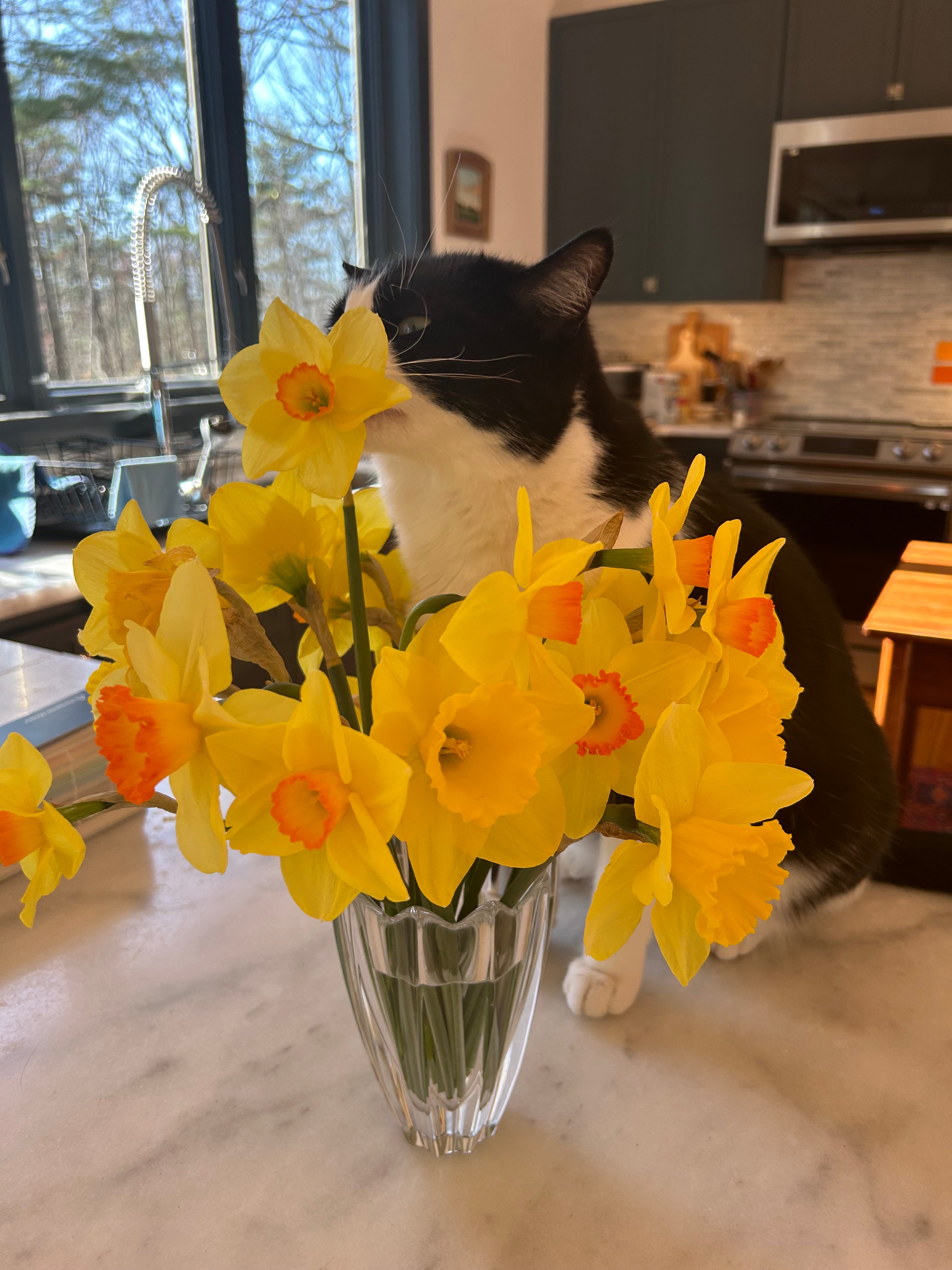
What is pleasure to you?
As we consider pleasure, restrictions come to mind. Pleasure is kind of iffy, to say the least. If someone says: “Some kinds of pleasure get you in trouble,” all kinds of trouble comes to mind.
And yet, without pleasures, people and other animals don’t thrive.
Pleasure is our birthright. Survival is only the beginning of evolution; thriving requires pleasure. It feels good to inhale and exhale. It feels good to eat and drink, to sleep and wake up. Interest, curiosity, and desire feel good.
So have a look at your own logic surrounding pleasure.
If you know what feels good and what doesn’t, you’re likely to have developed some good judgement in your choices. Maybe you’re good at staying out of trouble. Maybe you’re good at considering consequences for things like drinking or smoking too much, spending too much money, or staying up too late ‘on a school night.’ How about going down rabbit holes that lead nowhere good, and even, in the privacy of your own mind, arguing with people you don’t much like? Maybe you don’t get into real trouble anymore, but maybe you’re not having much fun, either.
Working with people in therapy always includes questions like:
What do you do for fun?
What do you enjoy in your work?
What are the pleasures in your life at home?
There’s purpose to these questions: The stories of what’s wrong can be better contextualized with views of enjoyment and purpose in daily life. It’s also useful to assess how easily the person can shift their attention, and what happens in their present moment experience when they do. Exclusive focus on solving problems and doing what needs to be done can narrow your available bandwidth. Simple enjoyments can seem irrelevant given the grave situations being faced.
Here’s an ancient belief in the background for many of us:
Pleasure is frivolous.
This idea has been around for more than 2000 years and gets reinforced every few generations. ‘Frivolous’ means: “not having any serious purpose or value.” In those centuries, children’s interest in pleasure was shaped into obedience and discipline, necessary for participation in family, religion, community.
The rate of change in the world has accelerated; resilience and creativity have become more valuable for thriving than obedience and discipline in modern life. So here’s the radical, and yet logical, statement at the basis of this discussion:
Pleasure is a guide to what you love and value.
Would your grandparents and parents agree? Was the value of pleasure communicated to you in childhood? Probably yes and no, which is why we are having this discussion…
If, as you grew up, your preferences were dismissed or invalidated, or even your interests, curiosities and desires, you may feel confused about what those really are. They’re there, always, but maybe more in the background of your experience. You’re likely to find some pleasure in the process of exploring and discovering what appeals to you and what you value in any given moment.
It’s simple: let yourself notice and savor what you enjoy. All experience includes aspects that bring pleasure, and aspects that don’t. Holding them both is inevitable if you are fully present. This takes awareness and practice. Suffering, loss, fear and doubt, sloshing and wobbling in and out of balance, are all part of living life. And you can have fun in the process.
Being present in your own experience brings you everything, including the pleasures of thriving that are available in any moment. Gradually, as you willingly savor the experience of small pleasures, the tide of your wellbeing will spontaneously rise.
How might that feel?
Imagine yourself navigating each day more easily, with more enjoyment, more fun. Let that curiosity unfold in your mind… Take your time.
And then notice how it feels here and now…
Does this make sense to you? Logic, to my mind, includes both emotional and rational understanding, which, taken together can be quite fluid: this is creativity.
I’d love to hear your thoughts in the comments. This is a discussion, so please join in. In what way does pleasure guide you to what you love and value?
Comments
Nothing yet. Say the first thing.
Sign in to join the conversation.