
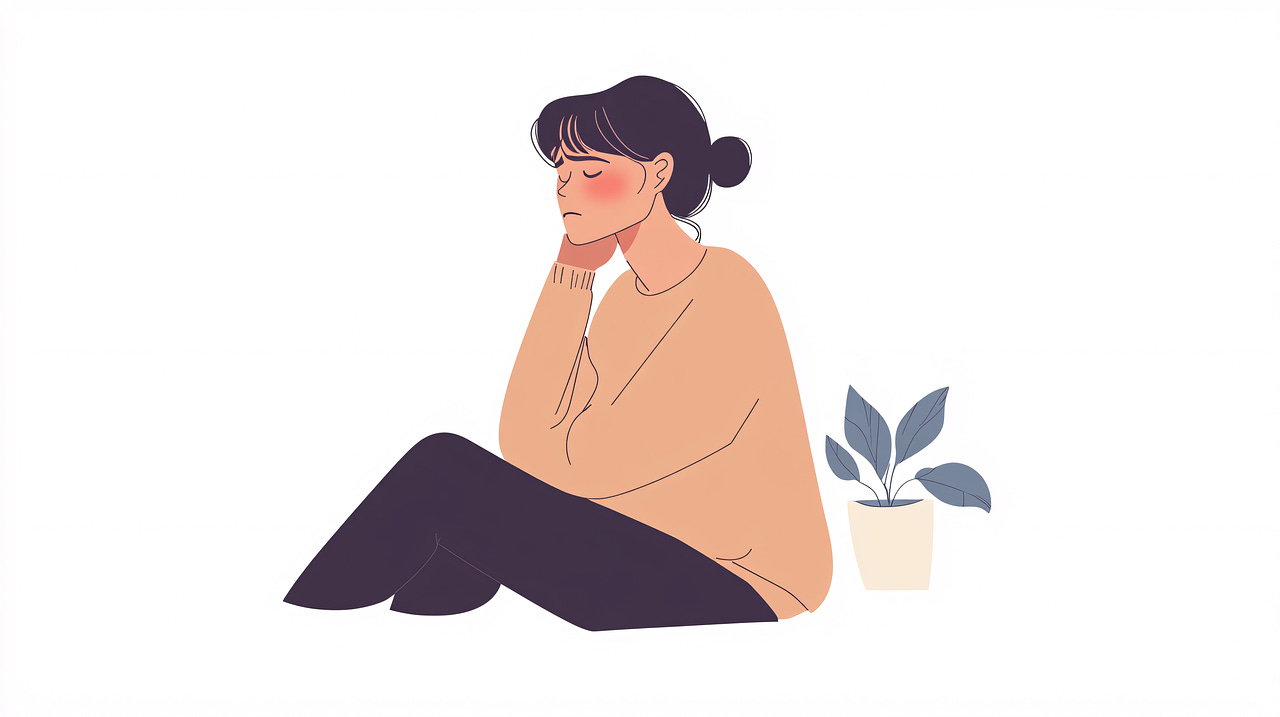
For much of my life, I equated “control” with stability. If I could manage my emotions, my energy, my to-do list, my reactions, if I could stay consistent and predictable then I believed I was thriving. I wore control like armour.
And for a long time, that armour held.
But then something shifted. Subtly at first like a faint background hum I couldn’t name. A change in my sleep patterns. A new irritability over things that never used to bother me. A fogginess that made simple tasks feel strangely complex. My energy dipped. My body felt unfamiliar.
It was only later that I understood: this was the beginning of perimenopause.
But in the moment, my first thought was the same one so many women have:
I’m losing control.
Now I know that wasn’t true.
Whether you’re entering perimenopause, moving through menopause, or navigating post-menopause, the shifts you feel aren’t failures or signs that something is wrong with you.
Your body is asking to be listened to in a new way.
Most of us were raised to believe that strength means pushing through discomfort, and that “good womanhood” looks like emotional steadiness, reliability, productivity, and self-sacrifice.
So, when hormonal transitions begin whether subtle or intense. they can feel like betrayal. We think:
“I used to be able to handle this—why can’t I now?”
“I’m so moody; something must be wrong with me.”
“Why am I exhausted all the time?”
“Is this anxiety? I’ve never been anxious before.”
“Why does my body feel like a stranger?”
But perimenopause, menopause, and post-menopause aren’t disorders.
They’re profound physiological transitions.
They’re seasons, just as valid as adolescence or pregnancy.
And like every major transition, the body rewrites the rules as it goes.
What feels like losing control is often simply experiencing signals you used to override.
Perimenopause is often the most confusing phase because it arrives gradually, sometimes years before menstrual cycles fully shift. Many women don’t even realise they’re in it.
Looking back, I can recognise the early whispers:
sporadic sleep disruptions
feeling overstimulated more easily
emotional swings that didn’t follow familiar patterns
a sudden surge of impatience
changes in libido
bursts of anxiety that felt foreign
days when my brain felt like someone had turned down the dimmer switch
At the time, I blamed myself.
Now I see those signs as the beginning of a new conversation.
Perimenopause isn’t the body malfunctioning, it’s the body recalibrating. Hormones fluctuate dramatically during this phase, and each fluctuation sends signals up and out: Pay attention. Something is shifting.
It doesn’t mean you’re breaking. It means your internal system is updating.
Menopause. The point when you’ve gone 12 months without a period, is often treated like a cliff you fall off. But it’s more like a gateway.
By the time you reach menopause itself, your body has already done years of behind-the-scenes work. But the symptoms can still feel intense or disorienting: hot flushes, night sweats, mood changes, joint aches, sensitivity to stress, or changes in cognition.
And yet, none of this means you’re losing who you are.
Menopause is a biological transition, but it’s also an emotional and psychological one. Many women describe it as the first time their bodies refuse to be ignored. The strategies that once worked—pushing through, numbing, multitasking, overriding exhaustion—stop being tolerated.
Where the body once whispered, during menopause it speaks more firmly:
“I need rest now.”
“We can’t keep going at this pace.”
“Emotional support is not optional.”
“Let’s release what we’ve outgrown.”
“Hold yourself with more softness.”
This isn’t punishment.
It’s wisdom.
It’s recalibration.
It’s your body advocating for you.
Post-menopause often gets overlooked, but it is its own powerful chapter. As hormone levels stabilise in their new baseline, many women experience clarity they haven’t felt in years. Energy can return. Mood swings often lessen. A sense of groundedness emerges.
But that doesn’t mean life goes “back to normal.”
Post-menopause is a new normal.
Your needs may be different. Your rhythms may change. Your hunger for rest, for joy, for meaning, for space may deepen. Your tolerance for stress may shift. Your emotional landscape may soften or sharpen in unexpected ways.
This stage offers a profound invitation:
Rebuild your life in alignment with who you’ve become, not who you were before.
One of the hardest lessons I’ve learned through my own hormonal transitions is that control is an outdated strategy.
You can’t “power through” perimenopause.
You can’t “discipline” your way out of menopause.
You can’t “ignore” post-menopause needs.
But you can listen.
You can respond.
You can support your body rather than police it.
Listening might look like:
honouring your fatigue rather than judging it
adjusting your routines to match new energy patterns
nourishing yourself more intentionally
creating boundaries around emotional labour
finding movement that feels good at this age and stage
seeking hormonal, nutritional, or therapeutic support
being honest with loved ones about your needs
loosening the grip on perfection and productivity
This is not weakness.
This is wisdom.
This is partnership.
Once I stopped interpreting symptoms as personal defects, everything changed.
Hot flushes are your nervous system recalibrating.
Mood swings reflect hormonal shifts, not character flaws.
Brain fog means cognitive load and hormones are interacting.
Anxiety is often a call for grounding and support.
Fatigue is the body asking for replenishment.
Irritability can be a sign of unmet emotional needs.
Sleep changes are a signal that your internal rhythms are restructuring.
Your body is not attacking you.
It’s guiding you.
Listening to your body in midlife and beyond isn’t a skill you master once. It’s a practice you return to daily.
Some days you’ll tune in easily.
Other days you’ll bulldoze right past your limits because old habits die hard.
And that’s okay.
You’re learning a new language.
A new rhythm.
A new relationship with yourself.
One that centres compassion, not control.
One that honours evolution, not sameness.
Perimenopause, menopause, and post-menopause are not endings.
They’re transitions into a wiser, more attuned chapter of life.
If you feel different right now; emotionally, mentally, physically, it’s not because you’re failing. It’s not because you’re weak. It’s not because you’re “too much” or “not enough.” It’s because your body is evolving.
You’re not losing control. You’re being invited to connect with yourself more deeply than ever before.
And if you listen, truly listen, you might discover a version of yourself who is:
more grounded
more aware
more intuitive
more honest
more aligned
more free
So when things shift, when your body speaks more loudly, more urgently, more vulnerably, try not to judge it.
Try to hear it.
Because this isn’t a breakdown. It’s your breakthrough. Your next chapter.
Your body leading you wisely, fiercely, faithfully into a new way of being.
Ready to stop navigating menopause in silence?
Join my FREE 3-day experience: Menopause — Now What? and learn how to understand your body, reclaim your confidence, and lead from a place of power.
➡️ Comment “NOW WHAT” and I’ll send you the link.
Pam x
Comments
Nothing yet. Say the first thing.
Sign in to join the conversation.