The Gap Is Not That Wide
The 'can never catch up' AI narrative is contradicted by the industry's own timeline. A practitioner's perspective on why the anxiety is overblown.

Production-ready AI implementation, software engineering best practices, and enterprise AI systems development. Building scalable AI solutions with Claude, OpenAI, and engineering discipline for enterprise and government.
Live Last read · last published · next check
The 'can never catch up' AI narrative is contradicted by the industry's own timeline. A practitioner's perspective on why the anxiety is overblown.
Enterprise AI does not have to be US hyperscalers or on-prem. European providers running open-source models offer a third path that makes more practical sense.
After years of daily LLM use, I think we can draw a line: extraordinary tools for working within known territory, structurally unable to cross beyond it.
AI lets anyone build software, just like DIY lets anyone build a shelf. But building for others has demands that building for yourself does not.
I reviewed research on 13 code quality methods. The ones with strongest evidence are not the ones most tools focus on.
LLM-generated tests pass without proving anything. I built a review skill backed by test smell research to catch what green CI dashboards hide.
I tested five PII detection tools across four datasets. None are good. When accuracy is equally mediocre, the framework matters more than the model.
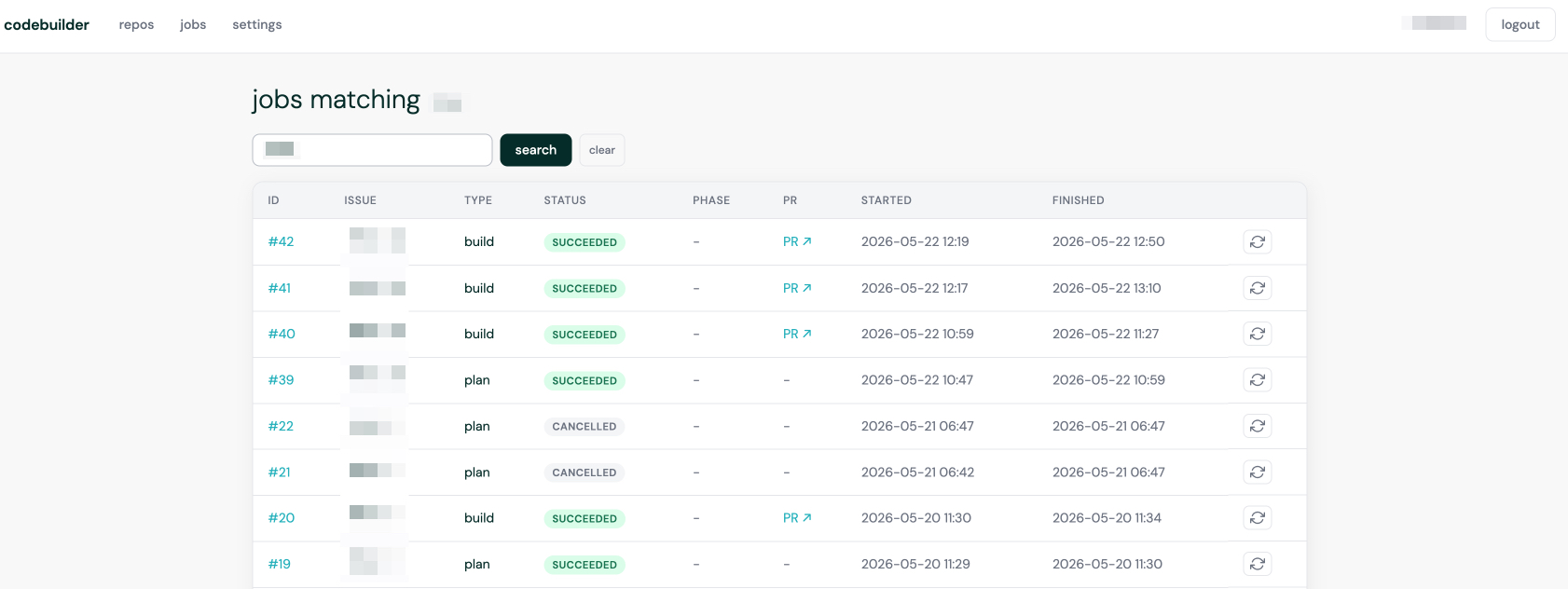
How a personal prototype for automated LLM builds became a company-wide platform on top of Jira. Architecture decisions, reasoning, and early results.
The 1M context window in Claude Code sounds like an upgrade. In practice, constraining it to 200k with early compaction produces better results and lower costs.
Watching a talk on MCP's future, I realized I already built the pattern they are formalizing. And it raises a bigger question about how we design APIs.