
When Lauren Sánchez walked down the aisle in Venice on June 27, 2025, she did more than marry Jeff Bezos—she made a statement. Her wedding gown, a high-neck lace mermaid design wasn’t merely elegant; it was a deliberate echo of Sophia Loren’s bridal ensemble in the 1958 film Houseboat. Sánchez Bezos chose to imitate Loren for the occasion after she 'researched pictures of brides in the 1950s,' Sánchez explained in Vogue: “I saw Sophia Loren and her hands were' in a prayer position and 'she was in high lace, up to the neck, and I said, 'That's it. That's the dress.’”
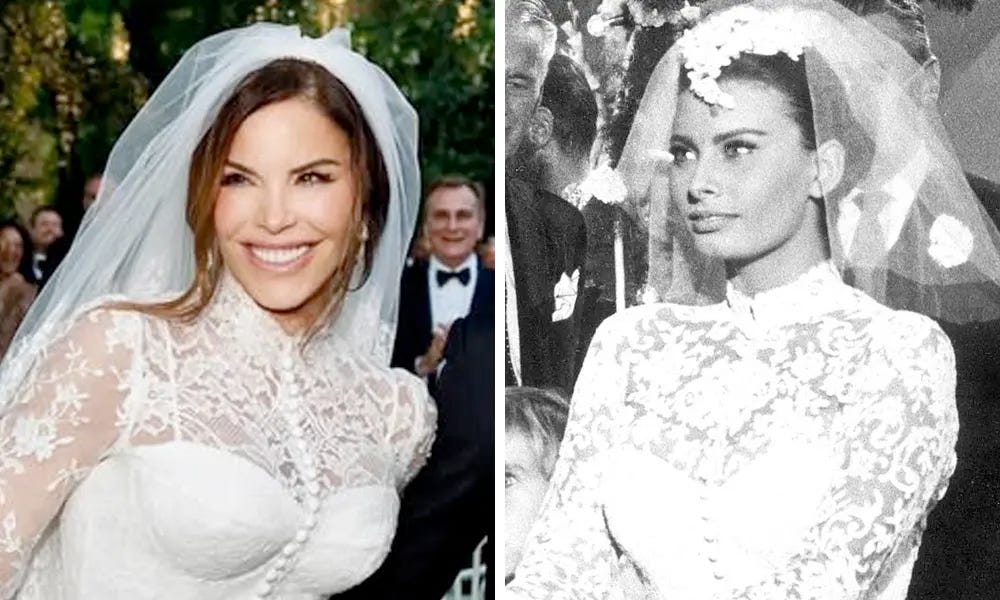
At face value, her choice doesn’t break any laws. Fashion—similar to music—thrives on reinterpretation, even though there have been numerous lawsuits over the years where one brand accuses another brand of knocking off their designs. Most recently Lululemon is suing Costco for manufacturing and selling knock-off versions of their apparel.
In general, and with enough differing variations, a couture house can recreate vintage silhouettes without infringing copyright. Indeed, Sánchez’s wardrobe was openly “inspired” rather than copied, faithfully evoking that iconic 1950s bridal moment without mimicking it stitch-for-stitch, while giving credit to her inspiration. One may wonder, based on her history, if that nod was to avoid being outed publicly had she not tipped her hat to Sophia Loren. After all, when it came to her children’s book, there was no such transparency to the source of her inspiration and story—only silence, until similarities too striking to ignore revealed a troubling pattern of uncredited borrowing from her former yoga teacher's brand and books.
Reminds me of the saying by C.S. Lewis: “Integrity is doing the right thing, even when no one is watching.”
Yet this curates a revealing portrait of Sánchez Bezos: comfortable borrowing from other people’s treasures, and insecure about creating entirely original designs. Within fashion, this is socially acceptable. But does it raise eyebrows when the same behaviors cross into other creative realms?
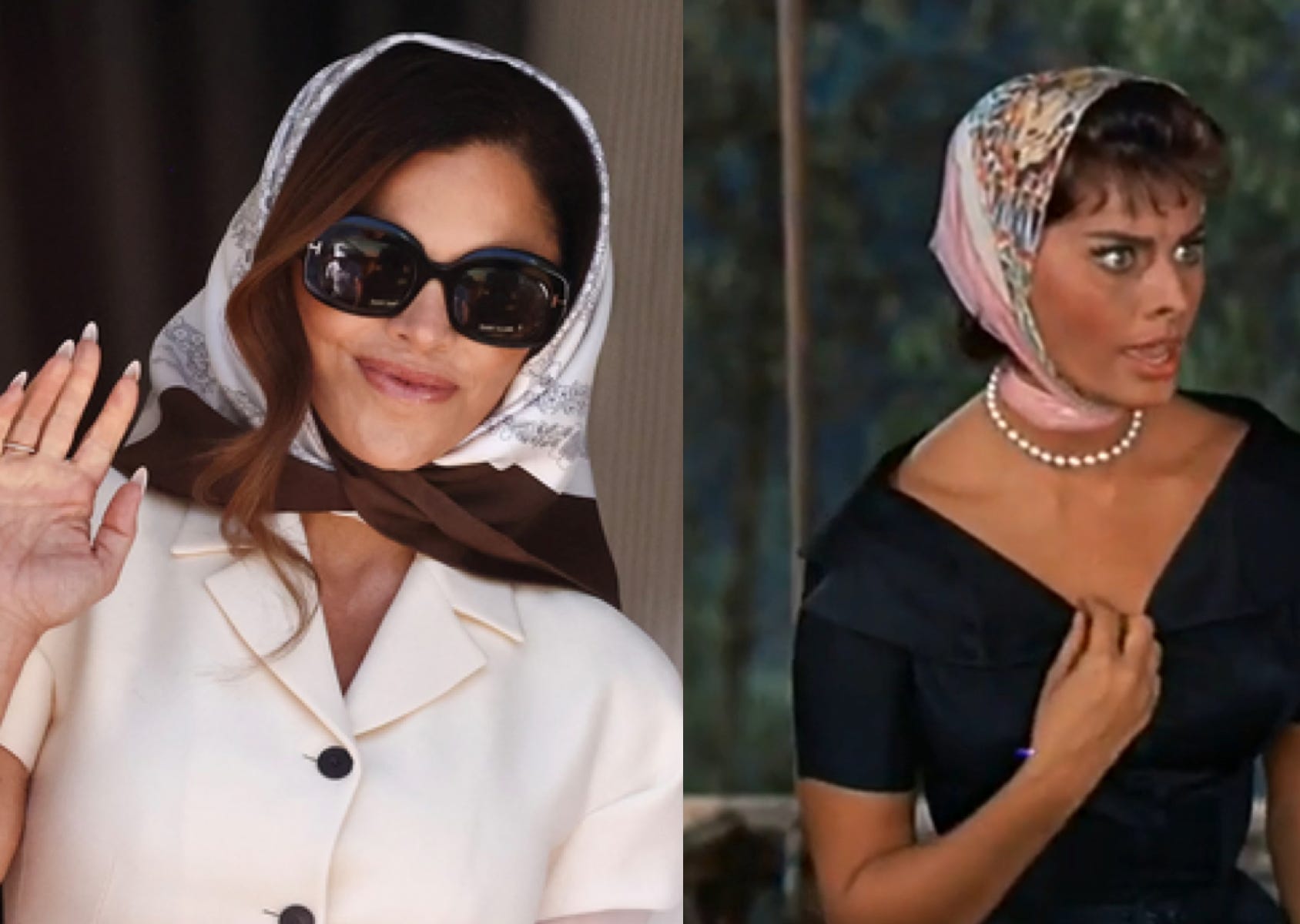
In written or visual media, mere inspiration is locked into a fragile legal and ethical dance. Courts consistently distinguish between ideas (which cannot be copyrighted) and expression (which can be). If a writer were to “borrow” the structure, dialogue, or character arc of a published work too closely, the law may not look kindly—if one’s copy rights are infringed.
If Sánchez Bezos had recreated Loren’s exact lace pattern, the bow placement, and embroidered motifs without license, we’d be speaking of design infringement—not inspiration. Yet in literature, parallels like these can open a work to accusations of derivative content or plagiarism. It’s a cautionary tale: “inspired by” doesn’t always mean “safe to take.”
By openly citing a cinematic icon as her muse, Lauren Sánchez Bezos reveals not creative innovation, but a pattern of aesthetic appropriation. Her wedding dress, lifted in both style and spirit from Sophia Loren’s Houseboat look, was the result of a Google search and a reactive moment: “That’s it. That’s the dress.” Rather than crafting something original to mark one of the most significant days of her life, she chose to replicate a look already immortalized by someone else. In essence, taking from Loren, wanting to be like Loren, and wanting to be liked like Loren. All of this lacks self-knowing security in one’s self, but that’s another post.
This tendency—of curating rather than creating—reflects a character more comfortable borrowing legacy than building it. It’s not homage; it’s habit. A pattern. One that celebrates surface over substance, replication over reinvention.
This kind of selective borrowing signals a personality that:
Avoids risk: rather than trust her own vision, she turns to already-iconic images for safety and validation.
Camouflages imitation as taste: she doesn’t just take inspiration—she mimics, while branding it as "influence."
Confuses curation with creativity: her version of originality is pieced together from others’ work, framed with enough distance to avoid legal consequences in fashion—but not necessarily in other mediums, like children’s books.
While copying a dress may be legally safe, the behavior it reflects—of copying, rebranding, and presenting others' originality as one’s own interpretation—becomes more troubling when it crosses into domains like storytelling, where copyright protects not just the look, but the soul of the work.
Ultimately, Sánchez Bezos’s choices raise questions about authorship, credit, and whether “inspiration” is being used as a cloak for something more opportunistic, or even hiding her deeply seated insecurities.
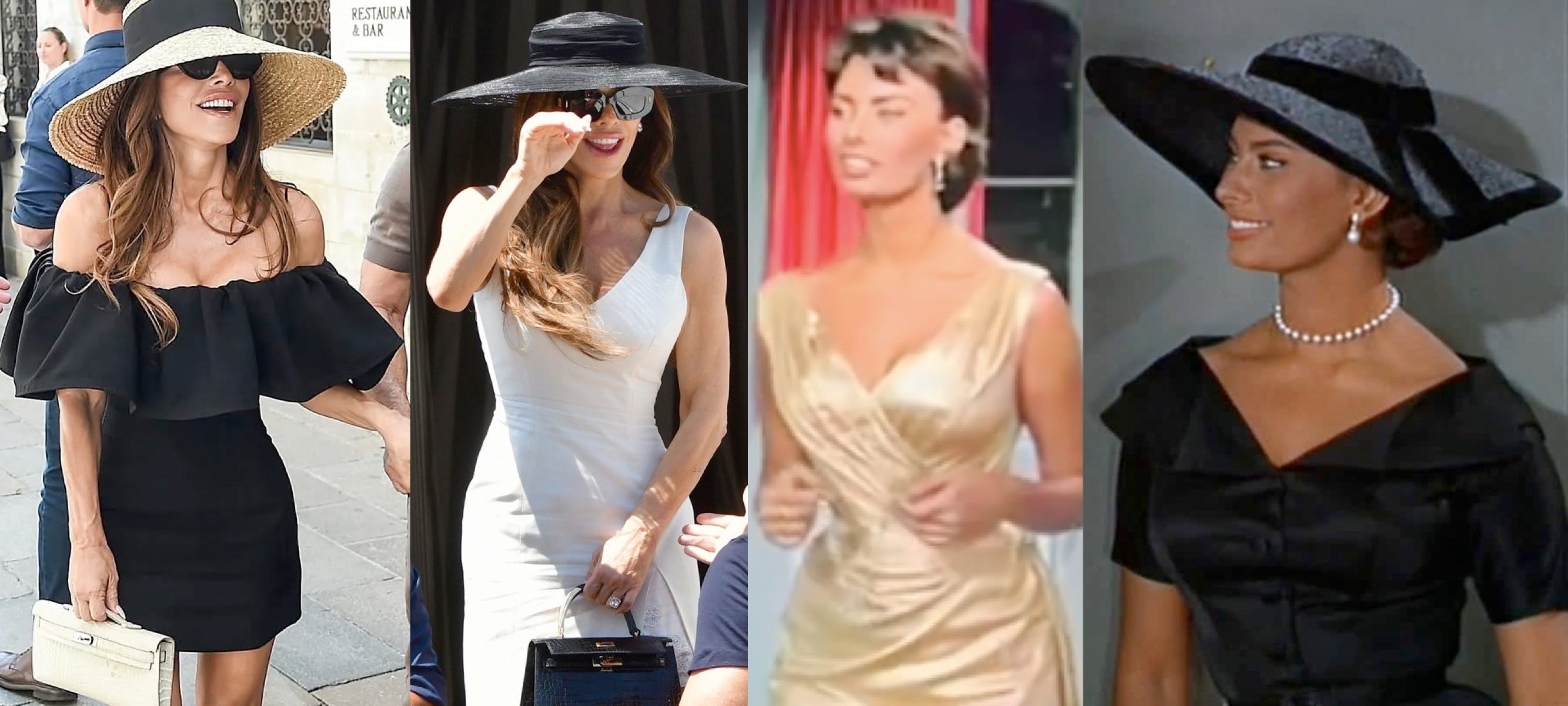
Be inspired by others—but give credit where credit is due.
Comments
Nothing yet. Say the first thing.
Sign in to join the conversation.