
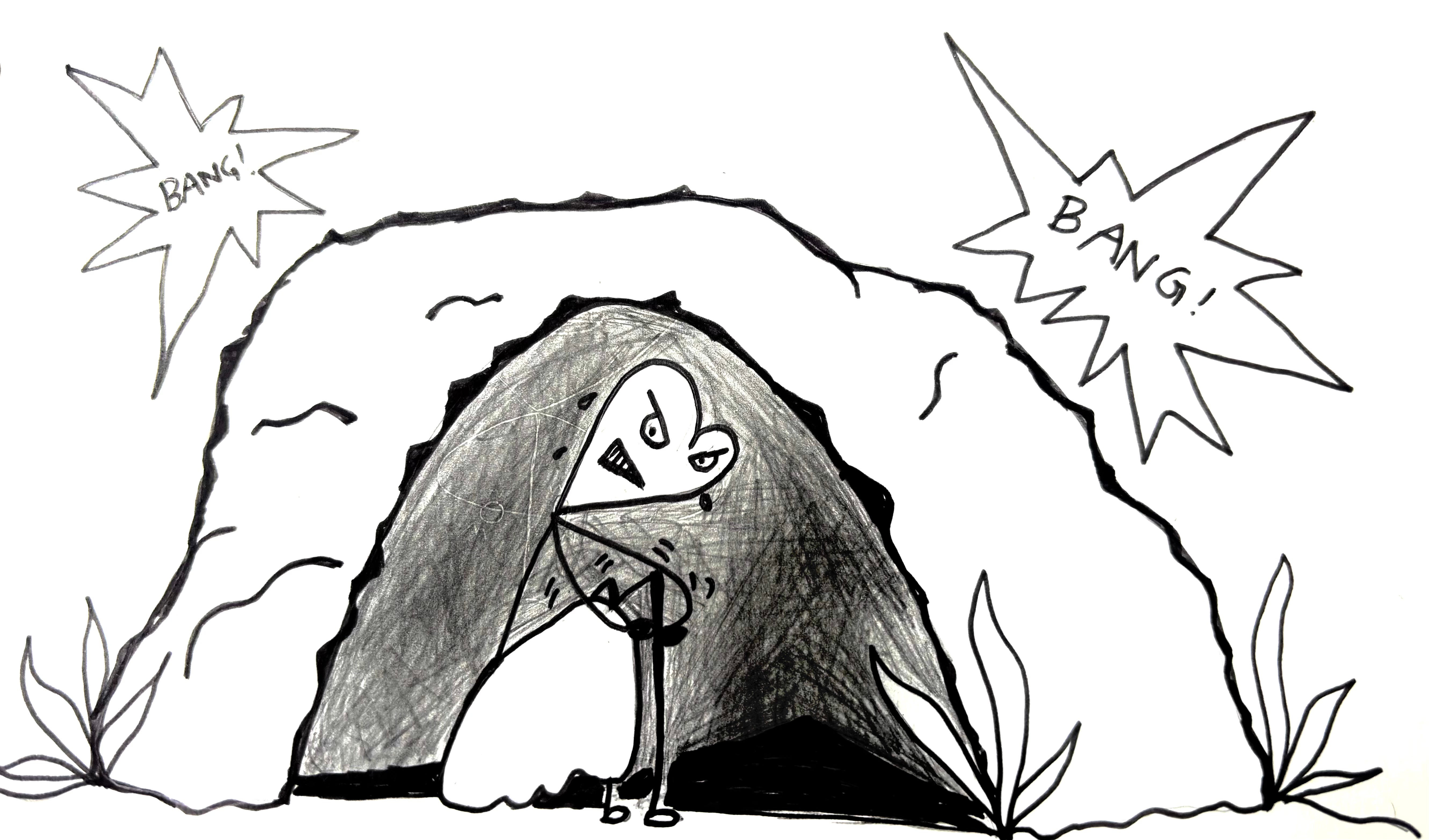
After years of raising my fist in the so-called good-fight, one thing has become abundantly clear: it’s not hard to see how much love is needed in the world, and it’s easy to promote love as a path to peace. In my life, however, it’s not been easy to actually live lovingly. Sure, it’s easy to love those who love me, at least when my life is going nicely. But, as soon as life gets tough, it becomes harder to love, even those who have loved me the most (let alone those who’ve challenged me or treated me unkindly) -never mind loving myself.
In this series, I’m asking: Why?
If love is so essential to life, why is it so dang difficult?
I’m asking because I’ve found that expecting love to be easy is one of the main things that makes it hard. There’s something about understanding love’s challenges that warms the frozen bits of my heart.
With that in mind, in the first article of this series, I explored the confusing question of what love actually is. How can we love if it’s not even clear what we’re aiming for? In the last article, I explored the question of will. Even if we do figure out what love is, is it something that we can will ourselves to do? Can we convince, or force, ourselves to love? In this article, I continue that question by looking more closely at emotions. If there’s one thing that has gotten in the way of my heart, it’s hurt feelings -and fear of the dark.
So, let’s nerd out on the questions:
Why am I feeling these feelings? and Why do they interrupt my heart?
We’ll start at the top: Why am I feeling these feelings?
First of all, it probably goes without saying that we’re not the only ones who are confused about our feelings. Even super-smart scientists are still in a big-fat debate about what emotions are and how they work. As a relativity new field, the study of emotions can get as emotional as the topic itself; in more ways than one: it’s a touchy subject (if you’d like to read a historical review of our scientific understanding of emotions, the first 5 chapters of The Emotional Brain by Joseph LeDoux do a good job of explaining why researching the science of emotions can be such a maze).
That being said, though there are lots of theories that aim to explain emotions (not all of which are in agreement), since my general orientation as a nature-nerdy artist is to look though the lens of our nature, in this article I’ll start by exploring:
How have emotions developed to serve us as mammals in an ecosystem?
So get comfy, put on your ugly sweater, pull up your pants past your bellybutton, and make sure that your lenses are bigger than your face cuz we’re about to get super nerdy.
Feelings that Help Us Survive: the Evolutionary Function of Emotions
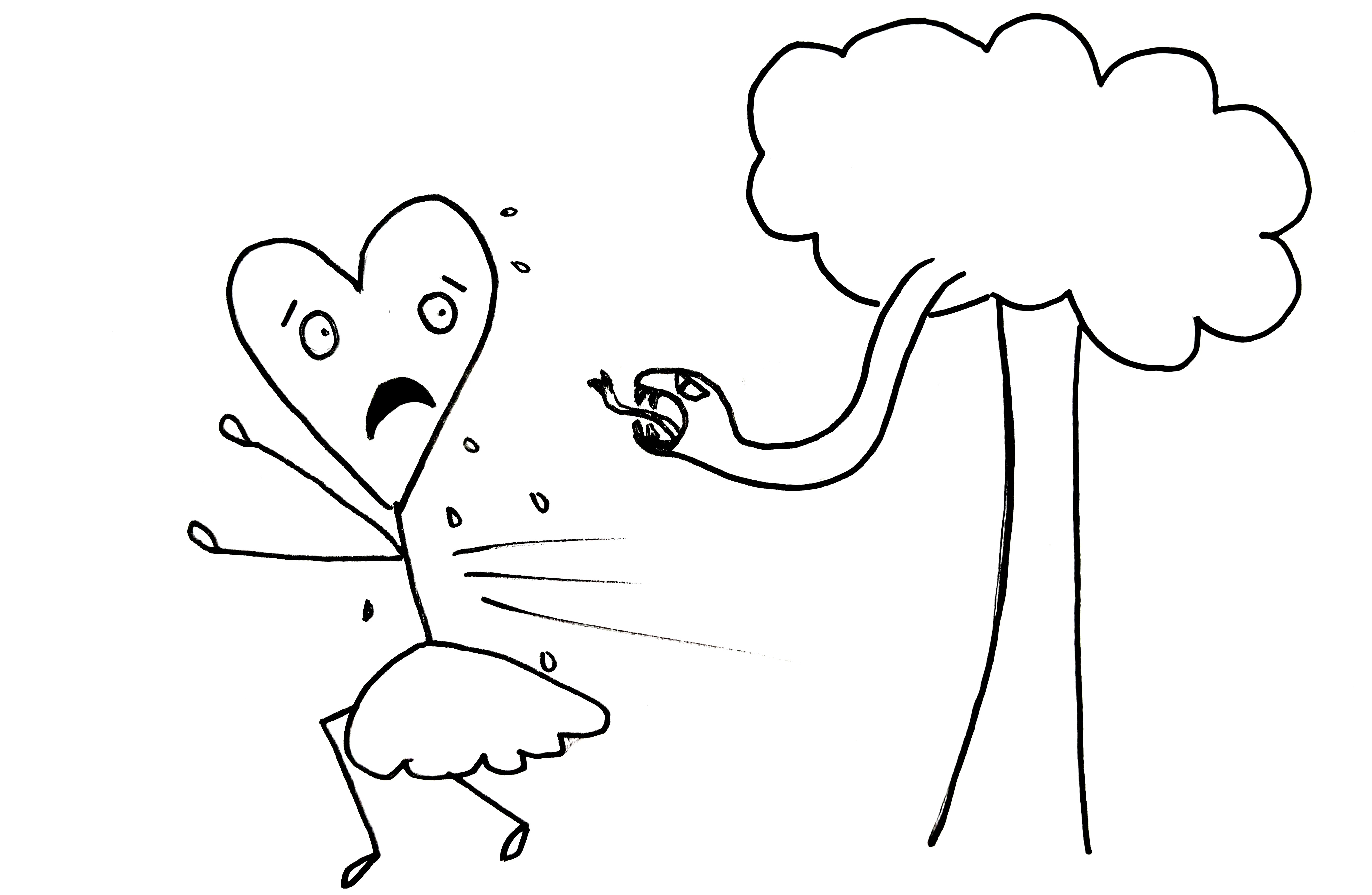
In summary, here’s what I’ve gathered from evolutionary psychologists: emotions help us to survive1. They protect us from danger. They motivate us to get our needs met (especially when meeting those needs is challenging). They bond us to each other (which is essential as social animals). And they calm us down so that we may rest and restore our bodies.
As emotions are functions of survival, many of them occur through distinct biological systems that are automatic (involuntary and unconscious). Serving different survival functions, they happen through different biological circuits (which is part of why they’re so difficult to study as a general field)2. Some of these differences include different hormones and chemicals. “Feel Good” chemicals3, for example, include dopamine (for pleasure and motivation), serotonin (for happiness and mood stabilization), oxytocin (for social connection), and endorphins (for pain relief and pleasure). “Stress” chemicals include: cortisol (linked with anxiety and irritability), and adrenaline and noradrenaline (linked with surprise, fear, and/or anger).
Though “happy” and “stress” chemicals happen through different brain circuits, they’re still interconnected through the autonomic nervous system (and all the regions of the brain that trigger and regulate it). The autonomic nervous system helps the body to maintain stability (or homeostasis) by allocating energy to the different functions of the body based on what’s most needed in the moment, and what’s predicted to be needed in the near future. It’s divided into two branches: the sympathetic nervous system (also known as fight-or-flight) and the parasympathetic nervous system (also known as rest-and-digest).
Each of these two branches (the sympathetic and the parasympathetic system) are triggered by external conditions that signal either: a lot of energy is going to be needed (to fight or to flee), or that the coast is clear and it’s safe to rest.
When fight-or-flight (defense mode) is triggered by a perceived danger, the sympathetic nervous system prepares for action by triggering the release of large amounts of adrenaline and norepinephrine that do a few things to prepare the body to flight or flee, including4:
speeding up the breath and opening the small airways of the lungs (to get more oxygen and to become more alert)
speeding up the heart rate and pushing blood towards the muscles (so they can function better)
slowing digestion by directing blood away from the digestive system towards the muscles (again, so that they can preform better)5
releasing glucose and fats for more energy
dilating the pupils (for better vision)
Shortly after the immediate surge of adrenaline, the HPA (hypothalamic-pituitary-adrenal -say that three times fast) releases cortisol to sustain energy for a prolonged threat. Cortisol boosts your energy, keeps you awake and alert, regulates blood pressure, and (in small spurts) decreases inflammation6. All of this supports the physiological needs of a body that is in defense.
Conversely, when rest-and-digest is triggered by a sense of safety, the parasympathetic nervous system7 supports restoration by:
increasing blood flow to the digestive system
slowing heart rate and breath
constricting pupils and increasing saliva production
halting the release of stress hormones (such as adrenaline, norepinephrine, and cortisol)8.
But, wait- what does all this have to do with emotions, again?
According to scientists who adhere to The Theory of Constructed Emotion9, when these involuntary physiological survival responses are felt/experienced (through what’s called interoception10: the ability to feel internal senses), they’re often interpreted as emotions. How these feelings are interpreted changes depending on the social context and culture. For example, similar physical feelings that are caused by fight-or-flight mode could be interpreted as fear, anger, surprise, anticipation, disgust, overwhelm, anxiety, panic, and/or sadness. Though we may not notice it, the same physical feelings often arise when we’re late for work, when we’ve been startled by a spider, or when we’ve tripped and ripped our favorite pair of jeans. But, we don’t think of those experiences as creating the same emotion. Because the context changes, the name that we give the feeling also changes (even though the physical experience is often very similar); in this case, we might call it stressed, spooked, or frustrated.
Similarly, the feelings caused by a parasympathetic nervous system response may be interpreted as calm, serenity, contentment, joy or happiness. If we’re sitting in perfect weather in front of a gently flowing river, we might call it serene. If we’re holding hands with our honey pie, we might call it happy. If we’re singing our favorite song with our bestie, we might call it joy. Again, though the physical feelings are similar (though they might not be identical), in different contexts, they’re given different names. That being said, scientists don’t yet agree on what universal human emotions are, especially as some cultures have names for emotions that aren’t directly translatable into other cultures11.
Even so, understanding how and why our nervous system is activated is central to understanding our emotional experiences, reactions -and our capacity for love and peace at any given moment. Because, in my own life, I’ve found stress to the be number one impediment to my capacity to live lovingly, I’ll focus primarily on the sympathetic nervous system in this article.
Tricky Triggers: Why Our Buttons Get Pushed
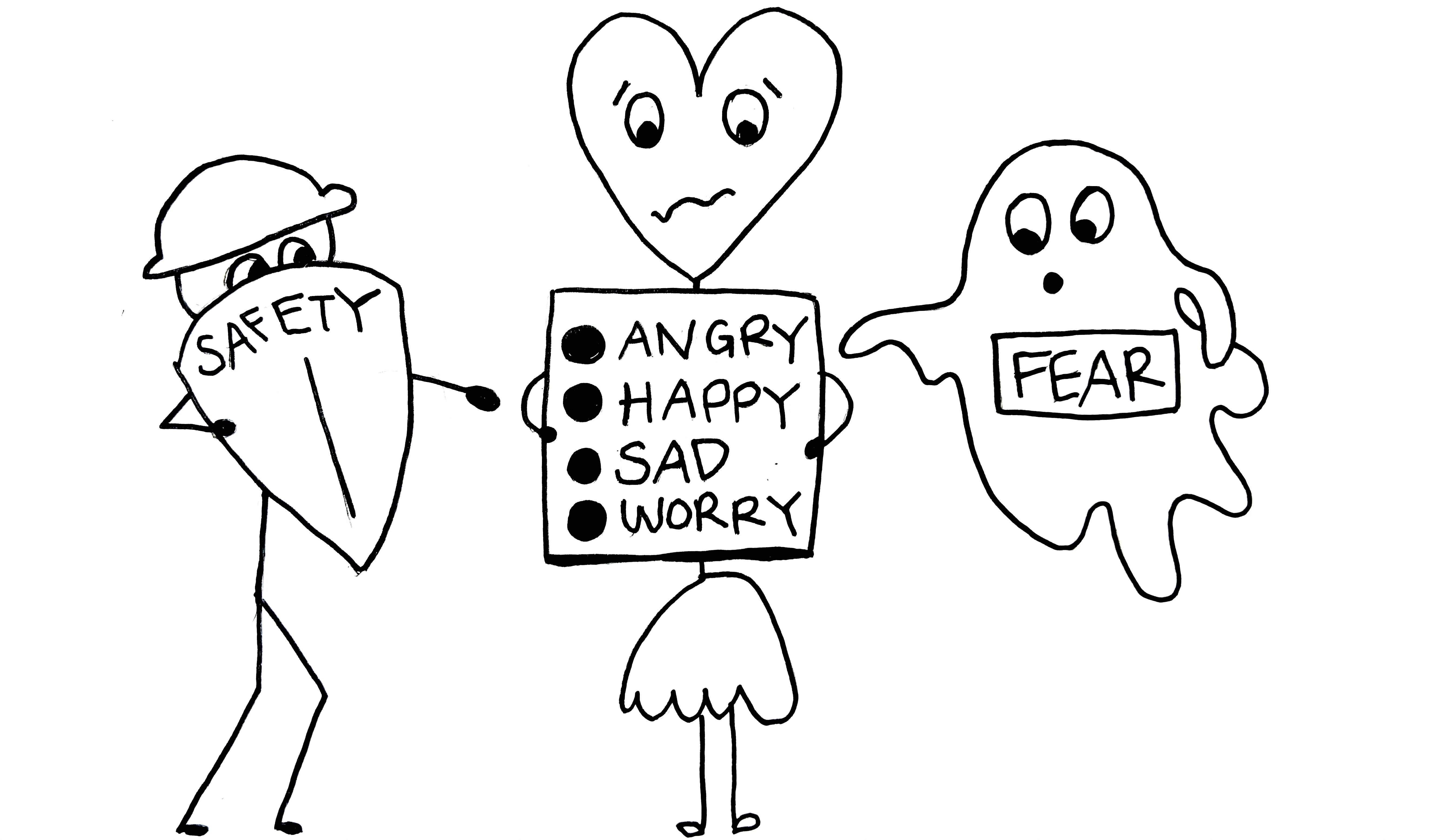
The origins of stress (and all the feelings that come with it) might seem simple: stressful situations, duh. But, it’s not actually so simple.
In some cases, the source of stress is clear: extreme hunger is an obvious threat to survival which triggers stress chemicals12 (and in the case of hanger, it’s not uncommon to misinterpret these chemical responses as anger because they feel so similar in the body). Similarly, acute pain13 also releases stress hormones that can make us irritable (as it signals a threat to our wellbeing). Indeed, anything that puts our wellbeing into question is bound to cause a stress response. Natural disasters, encountering a protective mama bear, living in a war zone, or triggering a person with extremely violent tendencies are all pretty clear threats to our immediate safety, and merit responses that treat the threat seriously. This is why listening to our emotions (as opposed to numbing or ignoring them) is essential: our emotions carry important communications about our wellbeing.
That being said, many situations that cause stress in the modern world aren’t clear threats, in which case “listening to our feelings” is super confusing. Indeed, though we often experience fear in black and white, the realities of whether or not we’re actually in danger are often in shades of grey.
First of all: let’s talk about social dynamics. Is it true that if someone makes a condescending look at me, my life is in danger? No, not necessarily. However, as social beings, we are wired to be sensitive to social dynamics and hierarchies; high social status has long been associated with stable access to resources whereas low social status has long been associated with less access to resources. As such, it's common for humans to have stress responses when they feel dominated, even if the signals are subtle (such as tone of voice, facial expression, or choice of words14). Similarly, it’s common for humans to have stress responses when their social rank is lowered or threatened15.
Furthermore, humans are predisposed to in-group/out-group dynamics that can trigger stress responses when encountering those who are considered part of the out-group16 . As noted in In-Group and Out-Group Dynamics: A Psychological Perspective, “Favoring in-group members and suspicion of out-group members was an adaptive strategy. In-group cooperation maximized the chances of survival for individuals and their offspring. Suspicion and avoidance of out-groups minimized the risk of conflict.” So, even if the person presents no real threat in the moment, if they’re perceived to be part of the out-group, it’s likely that a stress response will occur. Similarly, a threat to belonging within the in-group is also likely to cause a stress response.
That being said, many of the fears regarding social status, hierarchy, and belonging are related to the perception of harm that could happen in the future, for example, thinking: “If I’m not accepted by my group, I won’t have support when I need it” or “If I befriend this person, my own group might reject me.” With that in mind, let’s talk about the difference between fear and anxiety. Fear is an involuntary response to an immediate threat. Anxiety is a fear response to something that has happened in the past or that might happen in the future17. For example, being kicked out of your apartment and sleeping on the streets (because you failed to pay the rent) would cause fear. But being afraid to upset your boss because it could cost you your job (and then you wouldn’t be able to pay your rent), would cause anxiety.
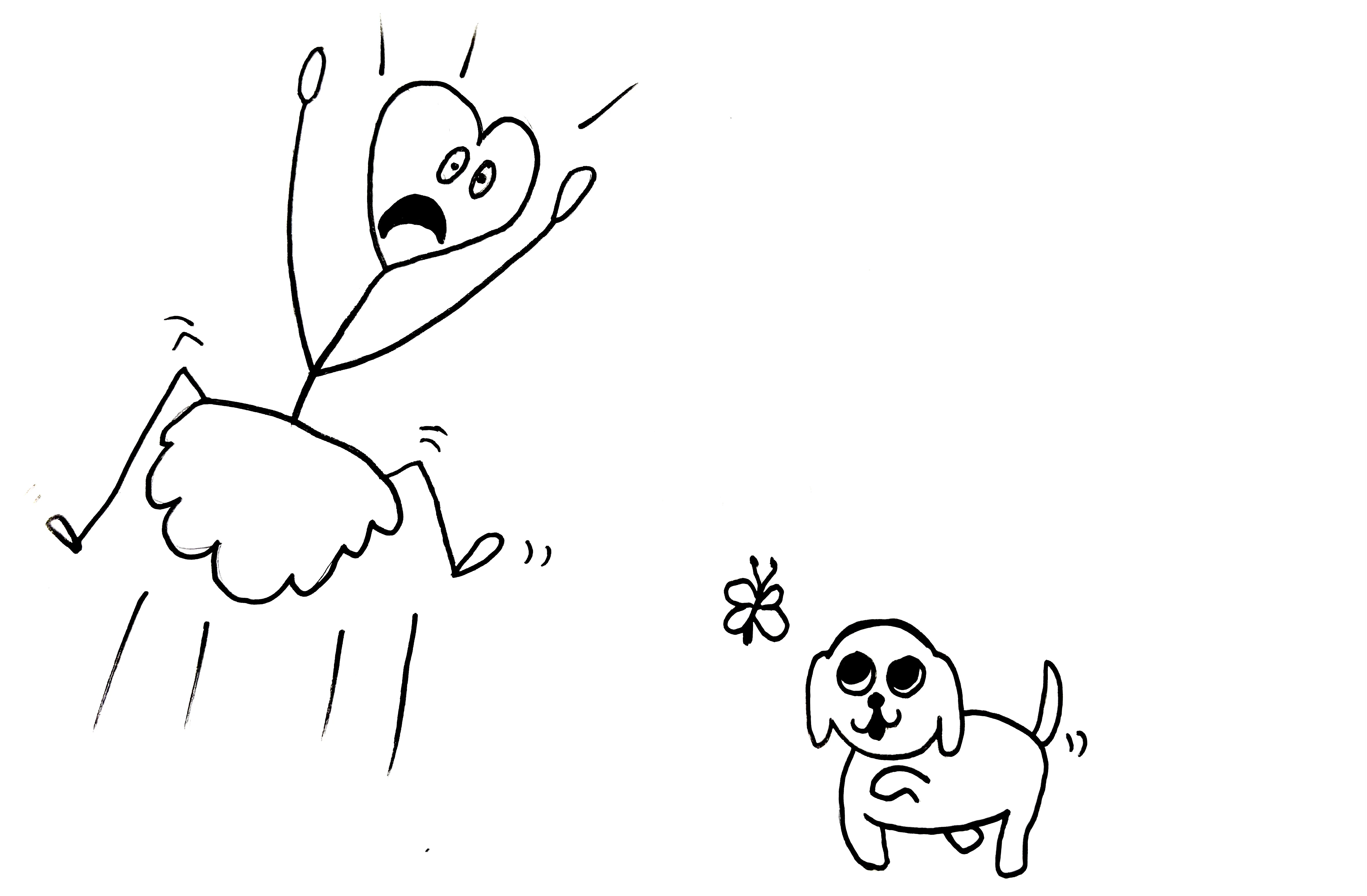
In any case, the kind of physiological and/or emotional reaction that we have to a situation depends on how our life experiences have led us to relate to (or appraise18) it. For example, getting approached by a dog for someone who happily grew up with dogs as part of the family might cause a calm feeling of fondness. But, for someone who was attacked by a dog as a child, being approached by a dog might trigger immense terror.
With that in mind, it’s possible to have stress responses that are triggered by false threats; the danger is perceived, but not necessarily real. This makes navigating our stress responses very difficult.
With that in mind (for the trying times when we unwittingly turn into skittish scaredy cats or hissy-fitters), let’s look at some of the flaws of human perception that can summon automatic (and involuntary) stress responses even though the threat may not exist to the extent that is being perceived.
The Origins of False-Alarm-Feelings
First of all, it’s important to note that much of our perceived reality is constructed within us (I know it sounds a bit woo woo, but according to scientific findings, it’s true1920.) This makes our perception of reality extremely subjective. Though I’ll talk more about how we construct reality (and the extent to which we do so consciously) in the final article of this series, for now:
here’s a super simplified summary of how science understands perception at this time:
We are constantly surrounded by sensory possibility; there’s endless information that’s available for us to take in from the world around us through our senses -too much, in fact. So, our brains prioritize whatever is most relevant to us in any given moment (which is its own complex process21).
With the little sensory information that we do take in (did you know that we only see 1% of the world around us?22), our brain uses past experiences (memories) to fill in the blanks23. This is to say: we unconsciously construct our realities by combining sensory input with understandings that already exist within us.
We develop confidence in our perceptions by taking actions that help us to gain more information about what we think something might be24. For example, if I hear a loud noise, I might initially think that its a hammer being used for the house that’s being built next door (because I’m aware that construction has been happening at this time of day, and I’ve heard a hammer before). However, because the sound is louder than I expected, I go outside to check it. There, I discover something new: a woodpecker is pounding into my roof! Good thing I checked, Troublemaker.
Our reality is constantly being constructed and updated through making predictions about the world around us, and then investigating them. Learning is the process of updating the understandings that we use to interpret our experience and to form our reality25.
That being said, there are plenty of opportunities for the process of constructing reality to go awry, the most obvious being cognitive biases (check out this super cool website by the Smithsonian called “The Science of Bias”). Bias is a natural part of the predictive process that uses preexisting information to essentially guess what’s going on in the moment, and to predict what will happen next. Some common forms of bias are26:
Confirmation bias is “the tendency to gather evidence that confirms preexisting expectations, typically by emphasizing or pursuing supporting evidence while dismissing or failing to seek contradictory evidence.27” This confirmation bias can affirm in-group/out-group perspectives, false beliefs, and preferences.
Familiarity bias (also called “the mere exposure effect”) is the “tendency to develop preferences for things simply because we are familiar with them28” (no wonder so many folks dream of fame). Similarly, it can cause us to believe things are true just because we’ve been repeatedly exposed to them, not because they’re actually true29.
Attention bias is the “tendency to focus on certain elements of our environment while ignoring others.30”
That being said, one of the most powerful attention biases of being human comes from the fact that our brains are wired to be vigilant, constantly scanning for potential sources of danger (C-3PO style). This is essential for our survival because we need to be able to anticipate and detect threats (so that we can protect ourselves from them). That being said, in ambiguous situations, our brains are made to err on the side of perceiving a threat (even though it might not be there) as opposed to ignoring a threat (that is actually there). This phenomena is often described as the “better-safe-than-sorry mechanism” where it’s safer to assume that a stick is a snake than to assume that a snake is a stick31.
That being said, hyper-vigilance32 can happen for a many reasons, such as:
in individuals who have experienced significant trauma, often resulting in PTSD which has a tendency to make our fear responses more sensitive/reactive
mental health challenges, such as depression, anxiety, personality disorders, and addiction
and dementia
That being said, with or without hyper-vigilance, it’s common for us to predict danger before we know if the threat is real. This is to say: it’s common for our sympathetic nervous system to be triggered (with all the emotions that come with it) based on incomplete evidence. The tendency to be afraid of our own shadow (and physically respond to a threat before we actually understand what’s happening) is much more normal than we might think, and can happen for a few reasons.
Here’s some of the causes of unconscious false-threats:
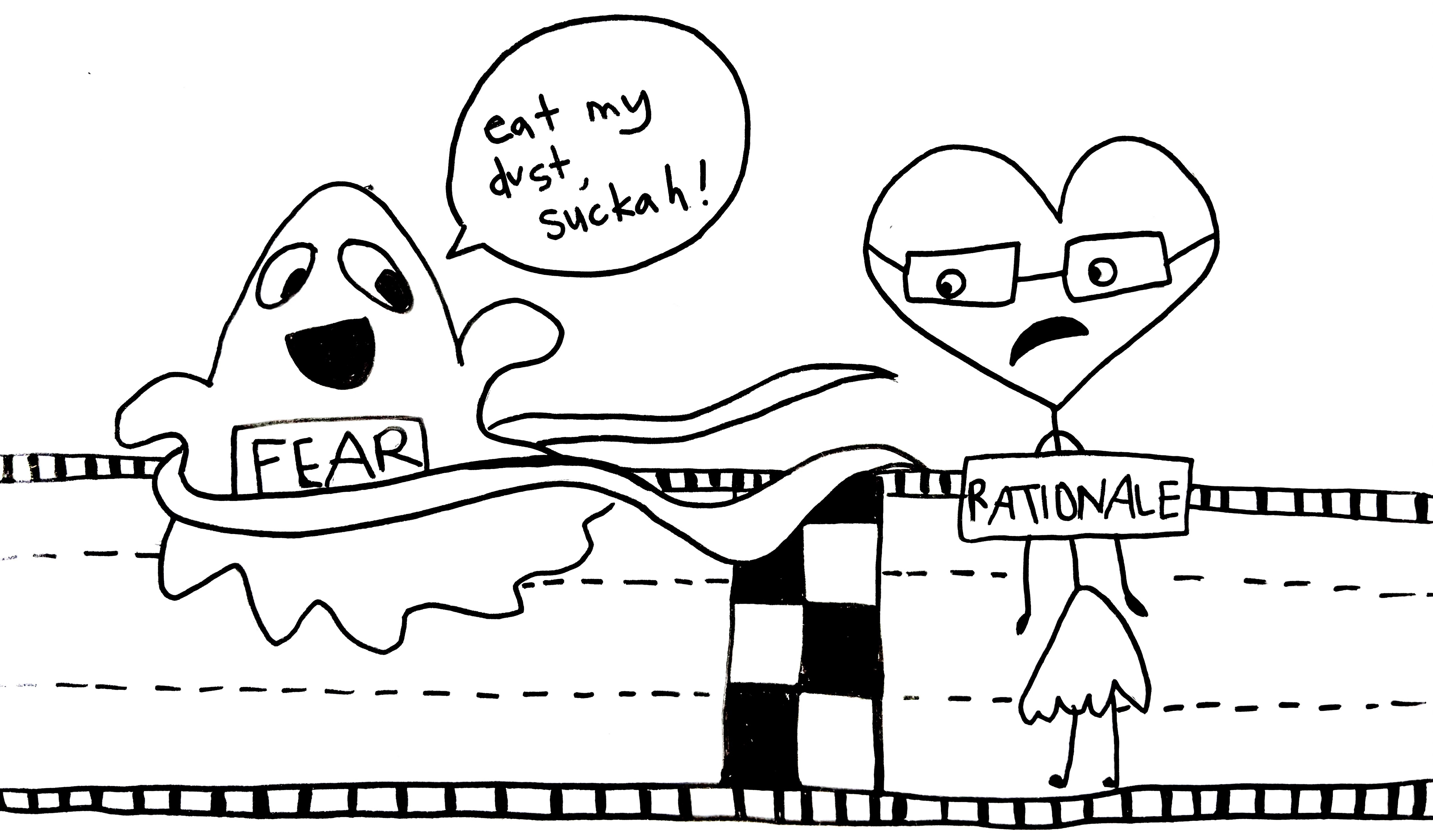
The part of the brain that scans for danger and triggers the sympathetic nervous system (called the amygdala) receives sensory information before the part of the brain that rationally evaluates information (called the pre-frontal cortex). This happens because the part of the brain that receives sensory input (called the thalamus), sends sensory information to both the amygdala and the pre-frontal cortex at the same time. However, since the route to the amygdala is quicker than to the pre-frontal cortex, the amygdala receives the information more quickly. This difference in processing speeds can have a big impact on our feelings (and our reactions to them) as the amygdala is not bothered by incomplete information; it triggers the sympathetic nervous system as soon as any possible threat is detected (real or not)33.
Not all memories are created equally: some memories are formed consciously (called explicit memories) and some are formed unconsciously (called implicit memories). When we have an implicit memory of something dangerous without an explicit memory to explain it, we can experience fear of something without consciously understanding why. In these situations, the experience of fear (and the stress that’s caused by it) happens without the participation of our conscious mind (which is often associated with the pre-frontal cortex). This unconscious fear can be triggered from memories that were formed as a young child (before the part of the brain that forms explicit memories -called the hippocampus- is fully developed). Implicit memory can also be caused when the part of the brain that stores explicit memories is damaged, but the part of the brain that stores implicit memories remains intact34.
With that in mind, early childhood brain development plays a big role in how we see the world as adults. Unlike many animals, we are born into this world with underdeveloped brains. We primarily develop our brains as children3536. However, the world that shapes our brains as children is not necessarily representative of the many situations that we will encounter as adults. Therefore, the beliefs that we form as kids about what’s safe and unsafe (and the coping mechanisms that form as a result) are not always relevant to our current situations (and can even be detrimental)37. Though sometimes the beliefs and coping mechanisms that we formed in childhood are conscious, more often than not, they are unconscious. This can cause unconscious stress-responses to situations that resemble our childhood challenges, even if we’re not fully aware of the resemblance.
That being said, not all stress-responses happen unconsciously. Sometimes the pre-frontal cortex (the rational part of the brain) detects the threat before the amygdala (and then it signals the amygdala)38. However, this consciousness does not guarantee that the threat is real. These conscious, yet misperceived threats, can happen for a few reasons.
Here’s some of the causes of conscious false-threats:
Our explicit memories are notoriously inaccurate39. We experience far too much in life to be able to store every experience in our long term memory. As such, the brain only stores what it finds most pertinent to our survival (forming especially strong memories when we’re stressed40). Then, our brains fill in the blanks by using past memories. That being said, the formation of new memories is hugely colored by our emotional experience at the time that the memory is formed.
Similarly, our memories are altered every time we recall them. This process, called memory reconsolidation, is like a game of telephone in which the memory changes every time it’s recalled41. Though at first glance, this might seem like a faulty system, the ability to update our memories is actually quite useful for our survival. Life, in general, is not static; it’s constantly changing. As such, it’s important to be able to adjust our memories as life changes4243.
That being said, in the process of memory reconciliation, our memories are susceptible to influence from both our own emotions, and the influence of others. On the positive side, others can help us remember what we had forgotten44. Or, in a therapeutic setting, memories can be altered to make them less intrusive or less distressing when remembering them45. On the negative side, our memories can be altered by others in ways that make them significantly less true46.
Along those lines, sometimes our memories are outright false. Unlike memories that are incorrect (but based on something that really happened), false memories47 are outright fiction. Though rare (and not fully understood yet), it is possible to carry a memory that is entirely made by your brain.
We may also experience false-threats because our understandings of the world around us are also, notoriously, inaccurate. Here are some (though not all) explanations for why we may have false understandings (that could, potentially cause false-threats):
Our brains are prone to cognitive distortions (a fancy term for not-thinking about-things-right). To a large extent, this is due to the fact that our brains are “predisposed to assume danger [which] creates a negative bias, irrational thoughts, and polarized thinking. Our brains make connections between thoughts, ideas, actions, and consequences that may or may not be true.48” These cognitive distortions can happen for many reasons, including the “better-safe-than-sorry mechanism” and the fact that our brains work in categories that make us susceptible to overgeneralizing.
This tendency to overgeneralize can cause false understandings (and therefore false-threats) if we have a negative experience with something, and then extend our fear to everything that fits within the same category. For example, perhaps we get bit by a fire ant, and then we fear all bugs. Not all bugs bite, but the categorical (and vigilant) nature of our brains would rather overestimate danger than underestimate it (this is often referred to as fear generalization49). With that in mind, there are many different kinds of cognitive distortions, which include50:
Black-and-white/all-or-nothing thinking. For example, thinking: “Either I pass this test or I’m a total failure in life!”
Minimizing the positive and magnifying the negative. For example, receiving 95% positive feedback on your work, but only focusing on the 5% that was critical.
Assuming the worst. For example thinking: “With my luck, I’m sure I won’t ever get a chance to try again.”
Catastrophizing. For example thinking: “If I don’t get this job, no one will ever respect me and I’ll have no friends and I’ll die alone.”
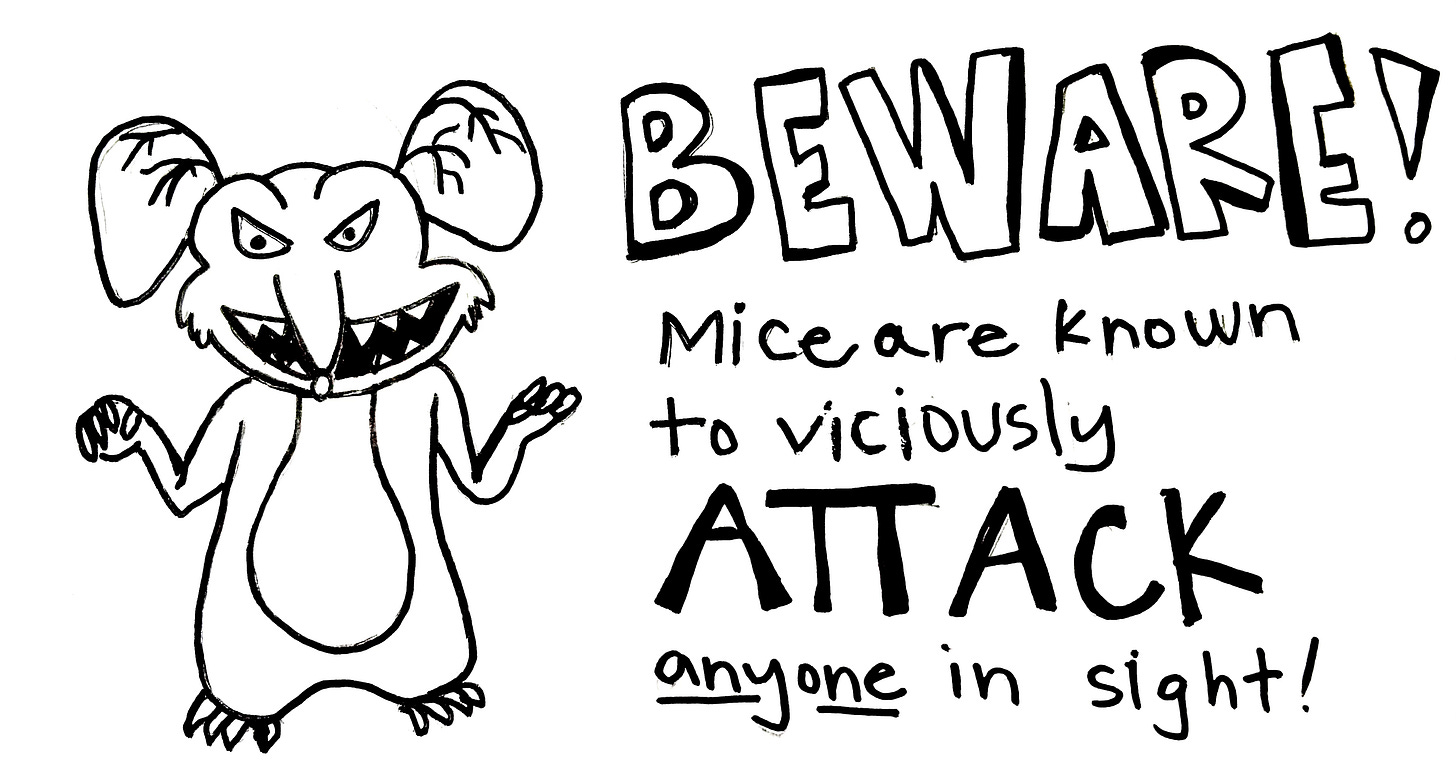
We can also carry false realities (and that can cause false-threats) if we’ve learned something that’s false, such as “mice are violent creatures that will attack anyone in sight.” With this false knowledge, I would likely jump out of my pants when I see a mouse, and I’d probably tremble just at the thought of being in a place that was known to have mice (even though mice are timid creatures that prefer to flee -rather than attack- when afraid).
Learning things that are false can happen for lots of reasons. Sometimes the reasons are super obvious, like not having all the data. For example, in Victorian England, “before people had a firm grasp of germ theory, the conventional belief among everyday people and scientists alike was that diseases were caused by foul odors, or noxious ‘miasma,’ that were emitted from rotting organic matter and traveled through the air to cause infections.51” These earnest scientific mistakes are why many scientists are hesitant to ever call something a “fact”. Indeed, in its most humble and sincere form, science recognizes that there’s always a possibility for new evidence (and, therefore, new understandings) to emerge. This is one of the core challenges of our human condition: life requires us to act, even though our understanding of life is infinitely incomplete. This is also why many discoveries in science are referred to as observations, evidence, conclusions, or theory (again, not absolute fact). In its most rigorous form, science always leaves room for the possibility of new discoveries, and therefore new understandings.
That being said, sometimes we learn false things for less obvious reasons, such the biases and cognitive distortions (that I’ve already discussed), or the Authority Bias. With the Authority Bias, “ingrained respect for authority [that comes from our childhood] becomes a cognitive shortcut, or heuristic, to help simplify and speed up decision-making processes. In many situations, people don’t have the time or resources to thoroughly research every decision, so they defer to the expertise of those they consider authoritative. This tendency reduces the amount of cognitive energy we expend on decision-making, lightening our cognitive load and leaving more mental resources available for decisions that we cannot defer to others.52” That being said, those who we consider authority don’t necessarily always have things right.
Furthermore, the subconscious process that determines who we give authority to can also be faulty. For example, with the halo effect, the authority that is given to people or organizations based on their expertise or perceived trustworthiness in one area is expanded into areas that they don’t necessarily have expertise or demonstrated trustworthiness53 (this is how brand endorsements work). Similarly, the mere-exposure effect can also give someone authority just for being familiar.
Another possible explanation for why our understanding of the world might not be accurate (and cause false-alarms) is that humans are vulnerable to social realities that aren’t always based in truth. Racism, for example, is a social reality54 that is not based in truth55. With racism, one may fear a person of the other race even when they present no real threat.
Finally, our realities can be skewed by remembering stories that are fictional. Did you know that the brain often uses fictional tales to construct reality? Wild, but true56. According to an article in Psychology Today titled The Science of Storytelling: How Fiction Shapes the Mind, “the same neural circuits activated when we process real-world social interactions, emotions, and problem-solving are also engaged when we read about fictional events. For example, the brain’s mirror neuron system, which plays a key role in empathy, responds to characters’ experiences as if they were our own.”
The fact our brains experience stories as if they were our own lived experience can be beneficial, or not. On the beneficial side, fictional tales can serve as simulations of real life difficulties in which we’re able to imagine beneficial ways of handling the challenge. On the-less-than-beneficial side, fictional stories can create fears, anxieties and beliefs that are not based in reality.
Beyond remembering and understanding things incorrectly, our perception of danger can be also skewed (causing false-alarms) in a world where overconsumption and addiction are excessively available (and, therefore, common). This is due to the nature of dopamine (the neurotransmitter that’s responsible for our sense of pleasure and motivation). Though dopamine is widely known as the “pleasure hormone,” a more accurate name might be the “motivating hormone.57” The reward system (of which dopamine is a part) is not meant to be satisfied; “it doesn’t surge when we get a reward, but when we anticipate one…This system continually compares what we expect to what we actually experience. If reality exceeds expectation, dopamine spikes; if it falls short, dopamine dips.58” Practically speaking, when we acquire something that highly supports our sense of wellbeing, dopamine motivates us to get more. When we are disappointed, the lack of dopamine either drives us to find even more or to go another direction entirely.
Evolutionary speaking, this reward system exists because for most of human existence, we lived in a world of natural limits and scarcity (where certain necessities of life were not nearly as abundant as they are today -for example, sugar and fat). As a result, we evolved to be highly motivated to find/acquire those scarce resources (and avoid wasting our time on what isn’t perceived as valuable). As such, rare (but essential) elements tend to release high levels of dopamine (our natural motivator). This has historically helped to ensure that we maintain a quest for those rare resources even though it could require significant effort to find them again5960.
That being said, though in the modern world “rare” resources are much more abundant, they still release the same amount of dopamine, producing the same amount of craving (even though that level of craving is no longer necessary for our survival). Furthermore, the nature of addiction is that when we habitually gain high-dopamine experiences, we become less sensitive to dopamine, ultimately requiring us to have more in order to experience the same kind of pleasure61. This often results in craving much more than we need, sometimes, even, having stress responses when our inflated needs aren’t met (which is why people who have addictions feel highly stressed when they’re not able to get what they’re addicted to -even when it’s unnecessary for survival, damaging to wellbeing, or harmful to the world-at-large).
Growing Peace
with the Courage of Compassion
Though I’m sure there are many more possible explanations for why we might experience unwarranted freak-outs, what matters most to me in this context is understanding that many of the heebie-jeebies that harden our hearts are happening unconsciously; we don’t mean to get shook.
By extension, we also don’t mean to withhold love when we’re stressed or afraid. When we enter a state of stress, we become more focused on self-preservation (and less focused on concerns for others). It’s about energy allocation: we can’t help others if we, ourselves, are compromised; only once we have gained our own safety can we focus on helping others.
Similarly, if someone scares us, the sympathetic nervous response is in direct conflict with concepts of love (which are more associated with coming together and caring for each other than with fighting or fleeing each other). Furthermore, as Robert Sapolsky mentions in his book Behave: the Biology of Humans at Their Best and Worst, one of the most effective ways to reduce stress is to behave aggressively towards others (some might call this venting, blowing off steam, or “taking it out on someone”).
All this to say, yes -indeed- love is harder when we’re stressed. Though (when I put it like that) it seems obvious, for a lot of my life I judged (and even hated) myself and others for the times that we acted less-than-lovingly (as if our lack of love were intentional). But, understanding how stress works helps me to understand that rarely do we mean to be unloving -it’s just super hard to love when we’re in a defensive mode. With that in mind, our actions do not define who we are; we’re not innately unloving. Instead, every action reflects how we understand the world, and how we feel at the time that we take the action.
That being said, if, by some miracle, we are able to summon love when we’re stressed, love has an uncanny ability to help bring the nervous system into balance (both for ourselves and for others), and to give us the creative power to build the peace that we all wish to see.
Still, I run into a nagging concern: does compassionately understanding why we struggle to love justify -or enable- the times when we’re not loving (and the harm that those times can cause)? This has been concerning because there has been a part of me that has believed that condemnation and punishment are not only effective ways to prevent unloving behavior, but the only sure ways to guarantee that people will act with respect and regard for others.
Of course, this belief didn’t appear out of thin air- it’s been a pretty well-regarded and scientifically-backed approach for much of human history. Classical (or Pavlovian) conditioning, for example, has butt-loads of scientific research that asserts that we can elicit positive or negative associations by either presenting rewards or causing pain (punishment)62. Operant conditioning, then, took classical conditioning to the next level by looking at how positive reinforcement or negative consequences can influence someone’s behavior63. Most parents know the tenets of operant conditioning well (for better or for worse) whether or not they studied it. Similarly, the prison system also functions on the hope that the fear of imprisonment will discourage folks from breaking the law.
The trouble is, when I consider the nature of stress responses, and when I look into my own life, I can see clearly that punishment doesn’t always go as planned -especially in matters of the heart. In my own life, I’ve found that punishment often causes more stress for those who’ve pissed me off, and is therefore more likely to cause folks to be less loving, not more. Similarly, though I’ve deeply understood how important love is, I’ve not always been able to achieve it when life has been hard. But, when folks have sought to punish, embarrass, or reject me for perceived selfishness, I did not find myself loving them more. Instead, I found myself on the defense (and even irrational).
I’m not the only one who questions the universal application of punishment as a means of behavior control, especially in light some pretty blaring evidence that challenges its effectiveness, such as: seemingly endless wars, high levels of recidivism (re-incarceration after having been released from prison64) and snotty little kids who keep getting into trouble no matter how many times they’re grounded. With that in mind, parenting trends have been moving towards more positive approaches65 and rehabilitation programs have been central to reducing recidivism6667. Still, despite plain-in-sight evidence that coercion and punishment don’t always do the trick, more scientific research on the topic is needed68.
With this in mind, for years I’ve been doing my own experiment (though, by no means could it be called scientific): Rather than seeking to punish or justify unloving behavior, I aim to understand what blocks love from happening. My hypothesis: with this kind of compassionate understanding, I can address root causes in a way that supports myself, my loved ones, and even those who scare me, in the times that we struggle to love the most. Perhaps addressing root causes can grow our capacity for love and peace (even when life is challenging).
That being said, it feels important to mention that the kind of compassionate understanding and care that I’ve been aiming for does not assert that we should never hold boundaries; understanding why someone’s hurting or taking advantage of us doesn't compel us to allow them to do so. Though there have been times when the softness of the heart has made me more lenient, tolerant, and forgiving, if there’s one thing I learned (the hard way) from being a middle school teacher, it’s that boundaries are part of love (although, at times, confusing). Compassion for those that I’m holding a boundary with informs me about how to hold the boundary in ways that are productive towards peace.
Over and over I ask: What is the intelligence of compassion? How can it help me through this?
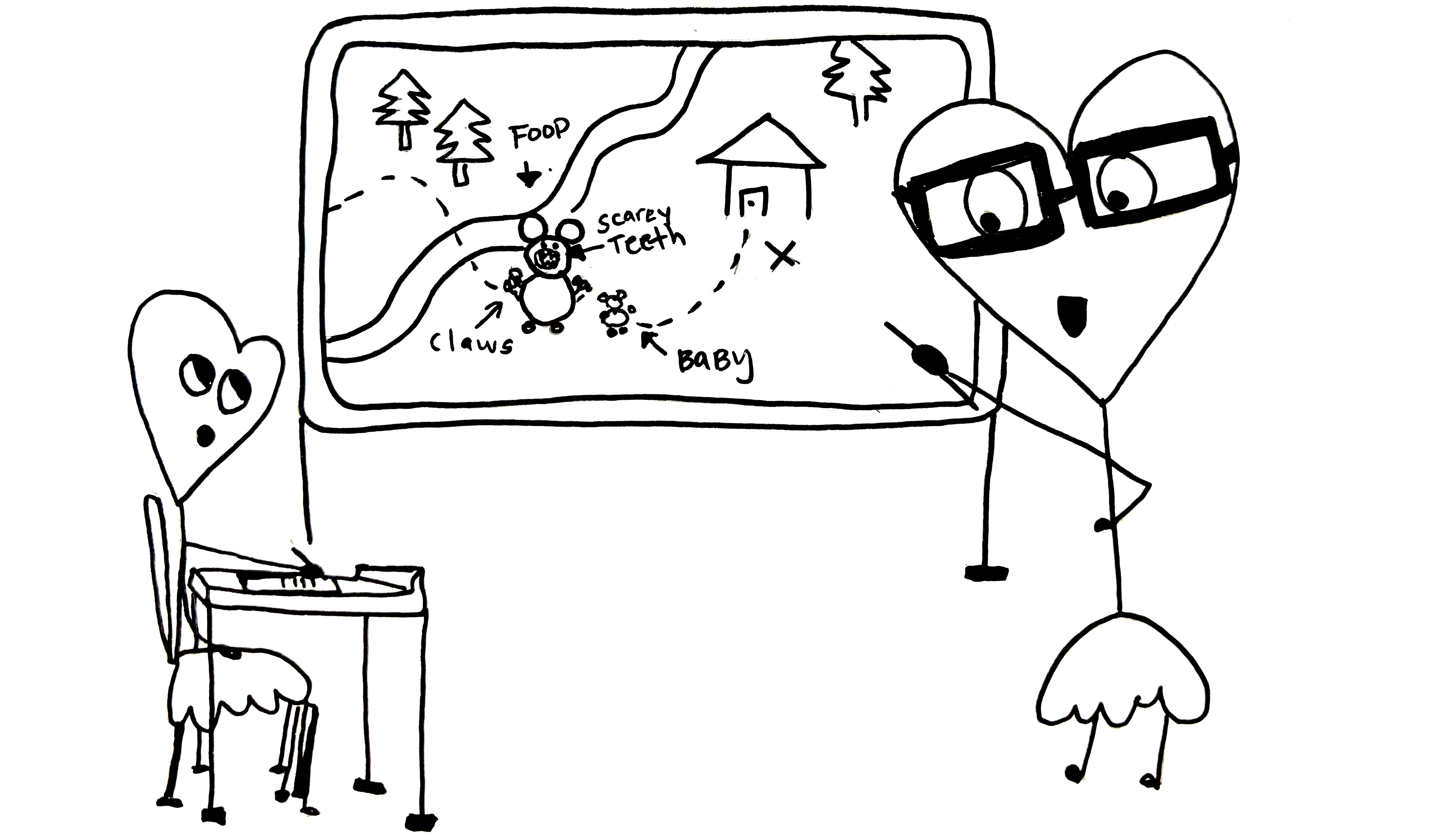
Still, it’s not a straight-forward process, and I’ve not always hit the nail on the head. Compassionate boundaries often require immense patience (which isn’t easy, especially when I’m scared or hurting). They challenge me to pause before acting (which I haven’t always achieved in the heat of conflict) and they ask me to understand that people don’t change overnight. How do I protect myself while I give peace time?
It can seem like a long-shot. If we’re wired to be defensive when we’re afraid, is it even possible to be loving in hard times? If I’m scared and they’re scared, what hope is there?
No doubt it’s a risk. In loving those who’ve hurt me or scared me, I absolutely risk being hurt (as not everyone who’s hurt me has shown interest in changing their behavior, and, even when they do: aiming to do better doesn’t mean that we always will -we are humans, after all). But, in hating them, I’m also at great risk (perhaps even more so). The difference is that by loving, I create the possibility of peace. Whereas, in hating, I destroy that possibility. Both love and hate present significant risks, but only love makes peace possible, not as an immediate guarantee, but as a slowly growing reality.
Still, it’s been hard. So. freaking. hard. No matter how well I aim, I can still become a real poo-butt when I’m tired, scared, or stressed. I still have incomplete or inaccurate understandings that bite me in the butt every once in a while. I still get pissed when I feel disrespected or hurt. I still get confused about what’s scary (and what isn’t).
Even so, I have noticed that since I’ve shifted my orientation towards compassionate understanding, peace has been growing, slowly and steadily, within and around me. It may not be the kind of peace that makes the news, but it is the kind that sustains me, little by little, in the face of our world’s immense pressures to cave into terror and unbridled rage.
Even if the evidence is tiny, it’s enough to keep me going.
To that end, in the next article, I’ll explore more about what limits and supports our ability to regulate our emotions, and to grow our hearts in hard times. The aim is not necessarily to find absolute answers, but to grow understanding, hope and heart where it has felt impossible.
Rest assured: I ask these question for myself as much as I ask them for the world at large-
Thank you so much for wading through these muddy waters with me. It can get a little heavy to trudge through on my own, but having you here keeps me going.
In our darkest moments, may love find us mercifully.
Read The Whole Series:
Listen to Love Songs to Our Nature
(and read the stories and science behind the songs)
Stay tuned to the heart of our nature:
on Substack Notes
Follow "Love Notes to Our Nature"
on Email
https://pmc.ncbi.nlm.nih.gov/articles/PMC8228195/
https://www.health.harvard.edu/mind-and-mood/feel-good-hormones-how-they-affect-your-mind-mood-and-body
https://www.health.harvard.edu/staying-healthy/understanding-the-stress-response
https://my.clevelandclinic.org/health/body/23262-sympathetic-nervous-system-sns-fight-or-flight
https://my.clevelandclinic.org/health/articles/22187-cortisol
https://my.clevelandclinic.org/health/body/23266-parasympathetic-nervous-system-psns
https://www.verywellmind.com/how-the-parasympathetic-nervous-system-influences-your-mental-health-11722960#:~:text=Typically%2C%20the%20parasympathetic%20nervous%20system,become%20strained%20and%20less%20efficient.”
This theory was first proposed by Lisa Feldman Barrett. You can learn more about this theory in her book How Emotions Are Made: The Secret Life of the Brain.
https://my.clevelandclinic.org/health/articles/interoception
How Emotions Are Made: The Secret Life of the Brain by Lisa Feldman Barrett
https://www.verywellmind.com/what-happens-in-your-brain-when-you-re-hangry-8778638#:~:text=When%20blood%20sugar%20drops%2C%20your,crisis%20than%20a%20mild%20inconvenience.
https://www.neurologicphysiotherapy.com/health-tips-and-research/why-pain-persists-understanding-chronic-pain
https://pmc.ncbi.nlm.nih.gov/articles/PMC12241057/#:~:text=Exposure%20to%20subtle%20dominance%20cues,and%20affects%20decision%2Dmaking%20%2D%20PMC
Loretta Graziano Breuning, founder of The Inner Mammal Institute, offers a helpful description of the evolutionary development of social hierarchies and role of serotonin (and, conversely, cortisol) in her book: The Science of Positivity: Stop Negative Thought Patterns by Changing Your Brain Chemistry
Loretta Graziano Breuning, founder of The Inner Mammal Institute, offers a helpful description of the evolutionary development of in-group/out-group dynamics and the dark side of oxytocin in her book: The Science of Positivity: Stop Negative Thought Patterns by Changing Your Brain Chemistry
https://psu.pb.unizin.org/psych425/chapter/cognitive-appraisal-theory/
https://www.scientificamerican.com/article/the-neuroscience-of-reality/
An interesting book to read about this is The Experience Machine: How Our Minds Predict and Shape Reality by Andy Clark
https://www.news-medical.net/news/20250721/The-brain-resolves-sensory-overload-through-rhythmic-sampling.aspx#:~:text=Recent%20research%20shows%20that%20your,quite%20how%20the%20brain%20works.
https://hawaii.pbslearningmedia.org/resource/nvyb-sci-seebrain/how-much-of-the-world-do-you-really-see-your-brain/
https://neulinehealth.com/creating-reality-how-the-brain-experiences-and-anticipates-the-worl/#:~:text=Our%20brains%20compensate%20for%20gaps,or%20dealing%20with%20a%20loss.
https://plato.stanford.edu/archives/win2016/entries/action-perception/#:~:text=First%20published%20Wed%20Jul%208,on%20action%20is%20purely%20instrumental:
https://www.verywellmind.com/what-is-brain-plasticity-2794886
https://www.verywellmind.com/what-is-a-cognitive-bias-2794963
https://www.betterhelp.com/advice/psychologists/what-is-confirmation-bias-psychology/
https://thedecisionlab.com/biases/mere-exposure-effect
https://pmc.ncbi.nlm.nih.gov/articles/PMC11750381/
https://thedecisionlab.com/biases/attentional-bias
https://health.clevelandclinic.org/hypervigilance
https://developingchild.harvard.edu/key-concept/brain-architecture/#:~:text=Learn%20how%20early%20experiences%20shape,more%20complex%20circuits%20and%20skills.
https://www.nesta.org.uk/toolkit/why-do-the-early-years-matter-so-much-for-later-life/#app-navigation
An example of this is found in Attachment Theory, which proposes that we develop lifelong patterns of relationship at a young age. Check out the neuroscience of this theory here: https://pmc.ncbi.nlm.nih.gov/articles/PMC3398354/#sec2
Catherine M. Pittman provides a helpful description of the difference between amygdala and cortical stress triggers in her book Taming Your Amygdala: Brain-Based Strategies to Quiet the Anxious Mind.
Why We Remember: Unlocking Memory’s Power to Hold on to What Matters by Charan Ranganath
https://news.yale.edu/2025/12/10/stress-hormones-can-alter-brain-networks-and-strengthen-emotional-memories
https://news.northwestern.edu/stories/2012/09/your-memory-is-like-the-telephone-game
https://www.medicalnewstoday.com/articles/324900#Memory-recall-and-forgetting
https://www.frontiersin.org/journals/systems-neuroscience/articles/10.3389/fnsys.2023.1103770/full
https://www.sciencedirect.com/science/article/abs/pii/S0010027720300731#:~:text=Highlights,studied%20by%20single%20individuals%20only.
https://www.tandfonline.com/doi/full/10.1080/21507740.2016.1218377?__cf_chl_tk=3rAX5QKDGr1iFJdBxBEyli9Q.68Spv4Aq_iDG3kI_PY-1769980271-1.0.1.1-j.yhULzGdJD0ibwT0NtwY3QsG98gU41I1O99HHZUyEE
https://www.bbc.com/future/article/20160920-four-ways-that-other-people-can-warp-your-memory
https://pmc.ncbi.nlm.nih.gov/articles/PMC3411412/
https://positivepsychology.com/cognitive-distortions/
https://pmc.ncbi.nlm.nih.gov/articles/PMC6340999/#:~:text=The generalization of fear memories,amygdalar, and thalamic brain areas.
Here’s a list of different cognitive distortions: https://www.health.harvard.edu/blog/how-to-recognize-and-tame-your-cognitive-distortions-202205042738#:~:text=Black-and-white (or,just not a healthy person.
https://historyfacts.com/science-industry/article/6-shocking-scientific-beliefs-from-victorian-england/
https://thedecisionlab.com/biases/authority-bias
Ibid.
https://bigthink.com/the-well/what-is-reality/
https://pmc.ncbi.nlm.nih.gov/articles/PMC10519151/#:~:text=The current concept of race,are inherently and genetically inferior.
https://www.psychologytoday.com/us/blog/common-sense-science/202506/is-it-real-or-just-the-movies#:~:text=The disconnect between reality and,to judge real-life events.
https://www.science.org/content/article/study-takes-pleasure-out-dopamine
https://www.psychologytoday.com/us/blog/an-interpersonal-lens/202510/how-chronic-disappointment-rewires-the-brain
https://www.psychologytoday.com/us/blog/no-more-fomo/202505/driven-to-excess-the-role-of-dopamine#:~:text=Key%20points,an%20important%20role%20in%20addiction.
Loretta Graziano Breuning, founder of The Inner Mammal Institute, offers a helpful description of the evolutionary role and functions of dopamine in her book: The Science of Positivity: Stop Negative Thought Patterns by Changing Your Brain Chemistry
https://med.stanford.edu/news/insights/2025/08/addiction-science-human-brain-ancient-wiring.html#:~:text=Why%20we’re%20so%20vulnerable,spike%20than%20anything%20in%20nature.
https://www.verywellmind.com/classical-conditioning-2794859
https://www.verywellmind.com/operant-conditioning-a2-2794863
https://csgjusticecenter.org/wp-content/uploads/2024/04/50-States-1-Goal_For-PDF_with508report.pdf
https://www.psychologytoday.com/us/blog/on-babies/202301/discipline-vs-punishment#:~:text=Caregivers%20may%20need%20to%20understand,so)%20and%20redirect%20the%20child.
https://www.brookings.edu/articles/a-better-path-forward-for-criminal-justice-changing-prisons-to-help-people-change/
https://nicic.gov/resources/tags/rehabilitation/rehabilitation-programs#:~:text=Rehabilitation%20programs%20aim%20to%20help,depression%2C%20anxiety%2C%20and%20PTSD.
https://pmc.ncbi.nlm.nih.gov/articles/PMC7855474/#S8
Comments
Nothing yet. Say the first thing.
Sign in to join the conversation.