
One of the biggest misconceptions we see is that buying an akiya is simply about finding the cheapest property. It isn’t. In Japan, a low purchase price often reflects risk, not opportunity. The real question is whether the property has long term value once you factor in its condition, legal status, location, and future usability.
That is why evaluating an akiya properly is far more important than negotiating a lower price.
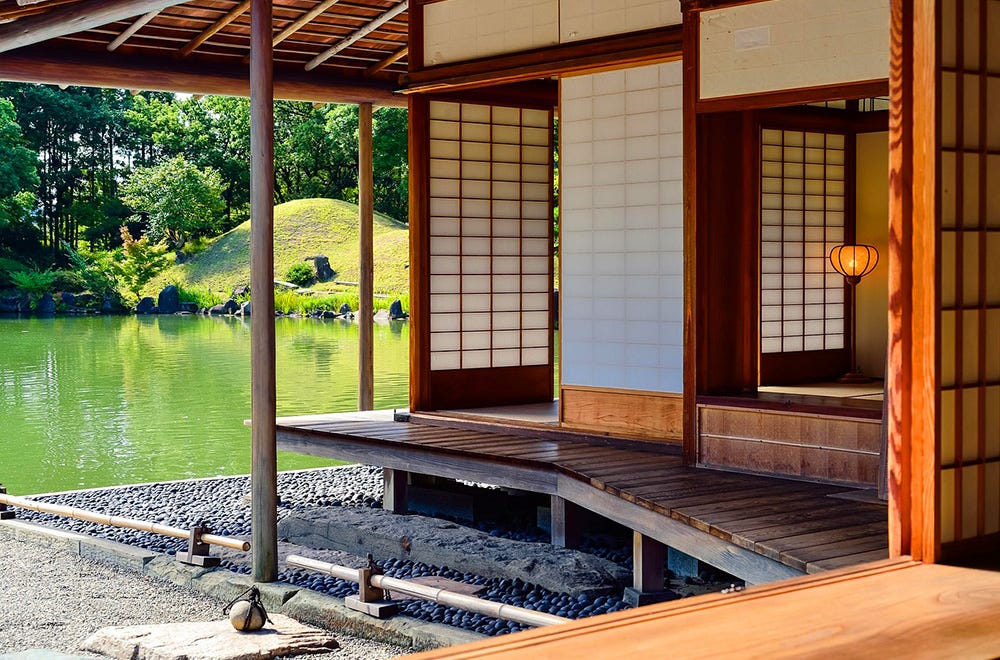
Location still decides almost everything. Rural does not automatically mean undesirable, but there is a significant difference between a forgotten village with no services and an area benefiting from tourism, infrastructure, or population movement. Access to transport, nearby amenities, and local demand all influence whether a property will remain an asset or become a burden.
Ownership is another detail many overseas buyers overlook. Not every property includes ownership of the land beneath it. Freehold and leasehold properties create very different long term outcomes, especially if you plan to renovate, resell, or pass the property on in the future.
The building itself deserves an objective inspection. Cosmetic improvements are relatively inexpensive. Structural problems are not. Roof damage, foundation movement, outdated electrical systems, plumbing issues, mold, and termites can quickly transform an inexpensive purchase into an expensive project. Before committing, professional inspections are money well spent.
Thanks for reading! This post is public so feel free to share it.
Legal issues are just as important as physical ones. We’ve seen buyers surprised by unresolved inheritance matters, incomplete registrations, unpaid taxes, or zoning restrictions that limit renovation plans. None of these problems are impossible to solve, but they should be identified before signing a contract, not after.
Many buyers also underestimate the importance of infrastructure. Reliable utilities, sewage connections, and modern internet access all affect both daily living and resale value. These practical details often matter more than attractive photographs in an online listing.
Finally, think beyond today’s purchase. A good akiya should support your long term objective, whether that means a private home, rental property, guest accommodation, creative retreat, or future investment. Flexibility creates value. A property with only one possible use usually carries greater risk.
After helping clients purchase akiya across Japan, we’ve learned that successful buyers rarely chase the lowest price. They focus on buying the right property for the right reasons, with realistic expectations and proper due diligence.
If you’re evaluating an akiya, spend less time asking whether it’s cheap and more time asking whether it makes sense.
For a more detailed breakdown of the factors we assess before recommending any property, read the full article on Akiya Heaven.
Thank you for reading Akiya Heaven’s Substack! Subscribe for free to receive new posts and support our work.
Comments
Nothing yet. Say the first thing.
Sign in to join the conversation.