
For many people approaching retirement, the dream is simple: more space, less noise, and a slower daily rhythm.
Japan’s countryside offers exactly that.
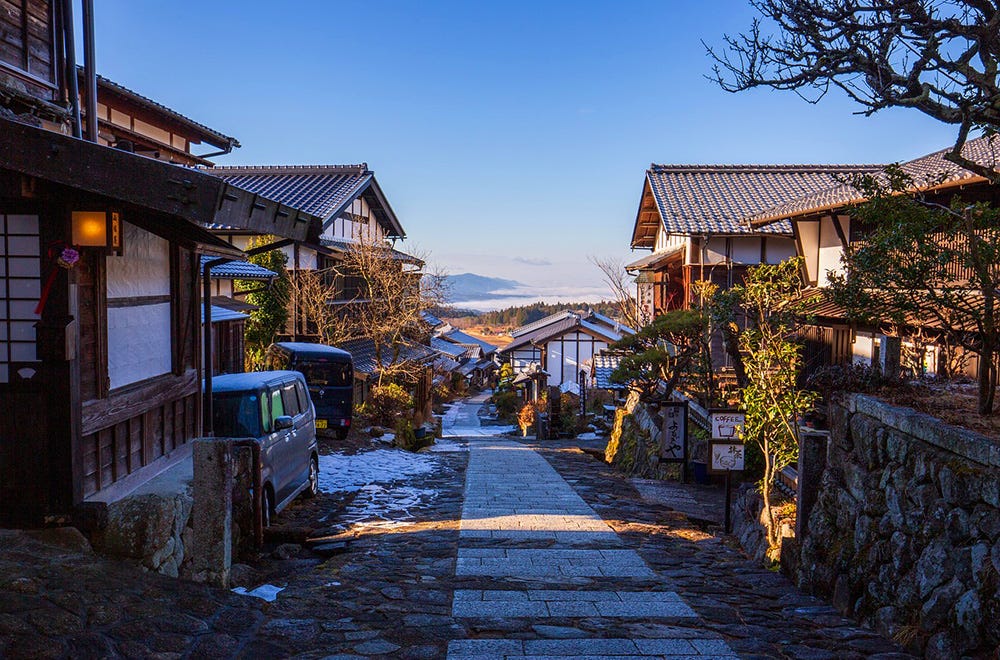
Across rural Japan, vacant homes known as akiya are attracting attention from foreign buyers looking for an affordable retirement option. These properties can provide something that is increasingly difficult to find in major cities: a peaceful home surrounded by nature, with a stronger connection to local communities.
But buying an akiya for retirement is not just a property decision. It is a lifestyle decision.
At Akiya Heaven, we speak with many overseas buyers who are drawn to the idea of countryside living in Japan. The appeal is clear. Akiya can offer a chance to own a traditional Japanese home at a price that would be impossible in cities like Tokyo or Osaka.
Some properties require significant work, while others are already suitable for moving in. The important point is understanding what you are buying and whether it matches the life you actually want.
The biggest attraction is not only the price.
Thanks for reading! This post is public so feel free to share it.
Rural Japan offers something many retirees are searching for: space, quiet, and a stronger connection to the surrounding environment. Mountains, forests, rivers, farmland, hot springs, and seasonal changes become part of everyday life.
But countryside living also requires adjustment.
A rural home is not the same as a city apartment. Convenience may be different. Transportation options may be limited. Shopping, medical facilities, and daily services need to be considered carefully before choosing a location.
This is especially important for retirees.
A beautiful mountain village may look perfect during a short visit, but long-term living requires thinking about access to hospitals, supermarkets, transportation, and the practical realities of aging in the property.
The house itself also needs attention.
Many akiya were built decades ago and were not designed with modern retirement needs in mind. Renovations may include better insulation, heating and cooling systems, updated bathrooms, improved accessibility, and layouts that allow comfortable living over many years.
A traditional Japanese home can be wonderful, but comfort matters.
Another important consideration is residency. Owning a property in Japan does not automatically give someone the right to live there permanently. Retirees need to understand their visa situation and plan accordingly.
Beyond the practical issues, there is another reason akiya retirement appeals to many foreigners: community.
Rural Japan is not just a quieter place to live. It is a place where relationships matter. Local festivals, neighborhood activities, volunteer opportunities, and everyday interactions can create a sense of belonging that many retirees are looking for.
However, integration requires effort.
The most successful foreign residents are usually those who do not treat the countryside as a private retreat disconnected from the community. They participate, communicate, and become part of the area.
That is the difference between owning an old house in Japan and actually living in Japan.
For retirees considering an akiya, the right question is not “Can I buy a cheap house?”
The better question is “Can I build a life here?”
With the right preparation, an akiya can become more than a retirement property. It can become a place where you spend your next chapter surrounded by nature, culture, and community.
For the full guide on why foreign retirees are choosing akiya in Japan and what to consider before making the move, read the original article on Akiya Heaven.
No posts
Comments
Nothing yet. Say the first thing.
Sign in to join the conversation.