
Hello and welcome to Cambridge Ladies’ Dining Society! Here’s the reading schedule for four books that we’re going to be reading and discussing from September to December 2026 (and the start of 2027), if you’d like to join in. The keynote of all four novels is, I hope, their cheerfulness. If you need any encouragement to get started, do read Naomi Alderman’s recent, entertaining and well researched post on the benefits of setting aside ten minutes a day with a book, and remember that, as Henry Eliot says, ‘reading is always a creative act. When we read we weave a web of connections: to other points in the text, to other books, to the details of our own lives.’
Thanks for all your excellent comments and suggestions of mid-20th-century novels (see list below), and do please send me more! I’m off on holiday later this week, suitcase bulging with books of course, and will be back here again at the end of August. Meanwhile I’d love to know what you’ve been enjoying reading and would recommend to others.
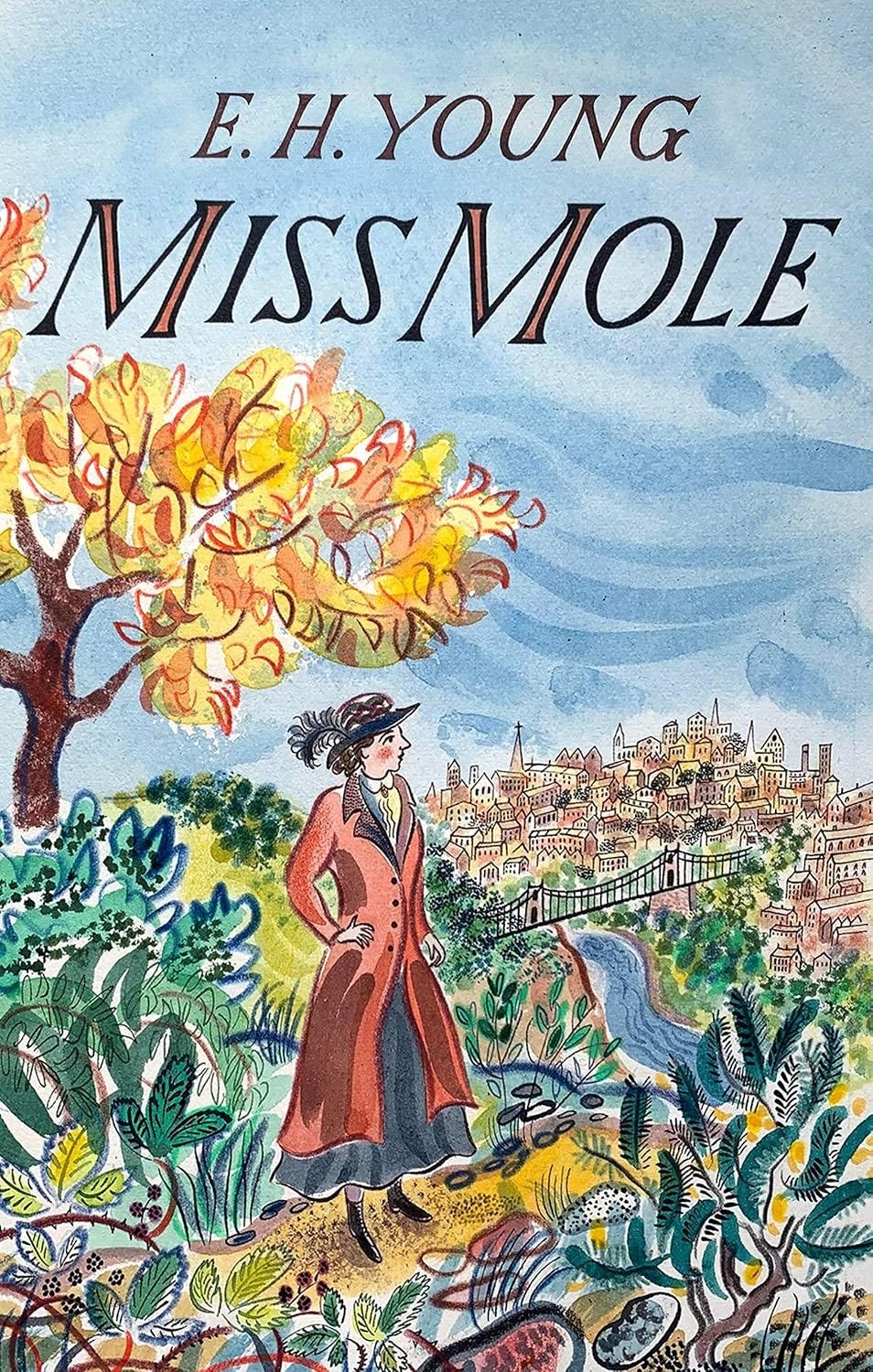
“Who would suspect her sense of fun and irony, of a passionate love for beauty and the power to drag it from its hidden places? Who would imagine that Miss Mole had pictured herself, at different times, as an explorer in strange lands, as a lady wrapped in luxury and delicate garments?”
I have heard so many good things about this novel and am fascinated by the life of its author, Emily Hilda Young (21 March 1880 – 8 August 1949), a suffragist and pioneering mountaineer. And doesn’t this description sound appealing?
‘Miss Hannah Mole has for twenty years earned her living precariously as a governess or companion to a succession of difficult old women.Now, aged forty, a thin and shabby figure, she returns to Radstowe, the lovely city of her youth. Here she is, if not exactly welcomed, at least employed as housekeeper by the pompous Reverend Robert Corder, whose daughters are sorely in need of guidance. But even the dreariest situation can be transformed into an adventure by the indomitable Miss Mole. Blessed with imagination, wit and intelligence, she wins the affection of Ethel and her nervous sister Ruth. But her past holds a secret that, if brought to life, would jeopardise everything.’ (Virago Modern Classics)
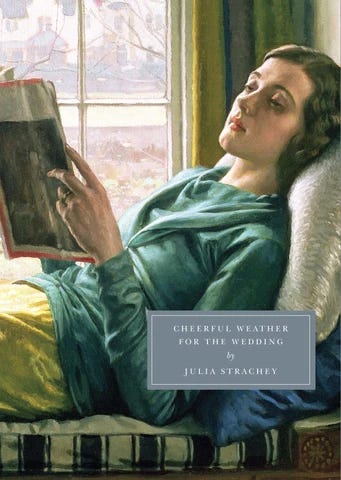
‘This slim, sardonic and beautifully written novella was first published by Leonard and Virginia Woolf at the Hogarth Press,’ write Persephone Books here. ‘On a brisk spring day, Dolly is getting ready to marry the Hon. Owen Bigham. Waylaid by the sulking admirer who lost his chance with her, an astonishingly oblivious mother, and her own sinking dread, the bride-to-be struggles to reach the altar with the help of a bottle of rum.’
In 2012 it was made into a film starring Felicity Jones) and Persephone Books have brought out a new edition with an introduction by Strachey’s friend Frances Partridge.
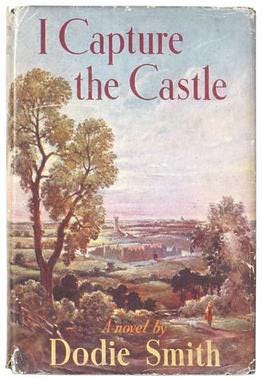
Yes, it’s not exactly an overlooked novel, I admit… but one I have never got around to reading, perhaps because I missed the right moment as a teenager. But I loved the film starring Romola Garai and Bill Nighy, and recently listened to this Slightly Foxed podcast episode ‘Dear Dodie’ on the life of Dodie Smith, so now want to know more about her.
“I write this sitting in the kitchen sink. That is, my feet are in it; the rest of me is on the draining-board, which I have padded with our dog’s blanket and the tea-cosy. I can’t say that I am really comfortable, and there is a depressing smell of carbolic soap, but this is the only part of the kitchen where there is any daylight left. And I have found that sitting in a place where you have never sat before can be inspiring – I wrote my very best poem while sitting on the hen-house. Though even that isn’t a very good poem. I have decided my poetry is so bad that I mustn’t write any more of it.”
(The opening lines of Dodie Smith’s I Capture the Castle)
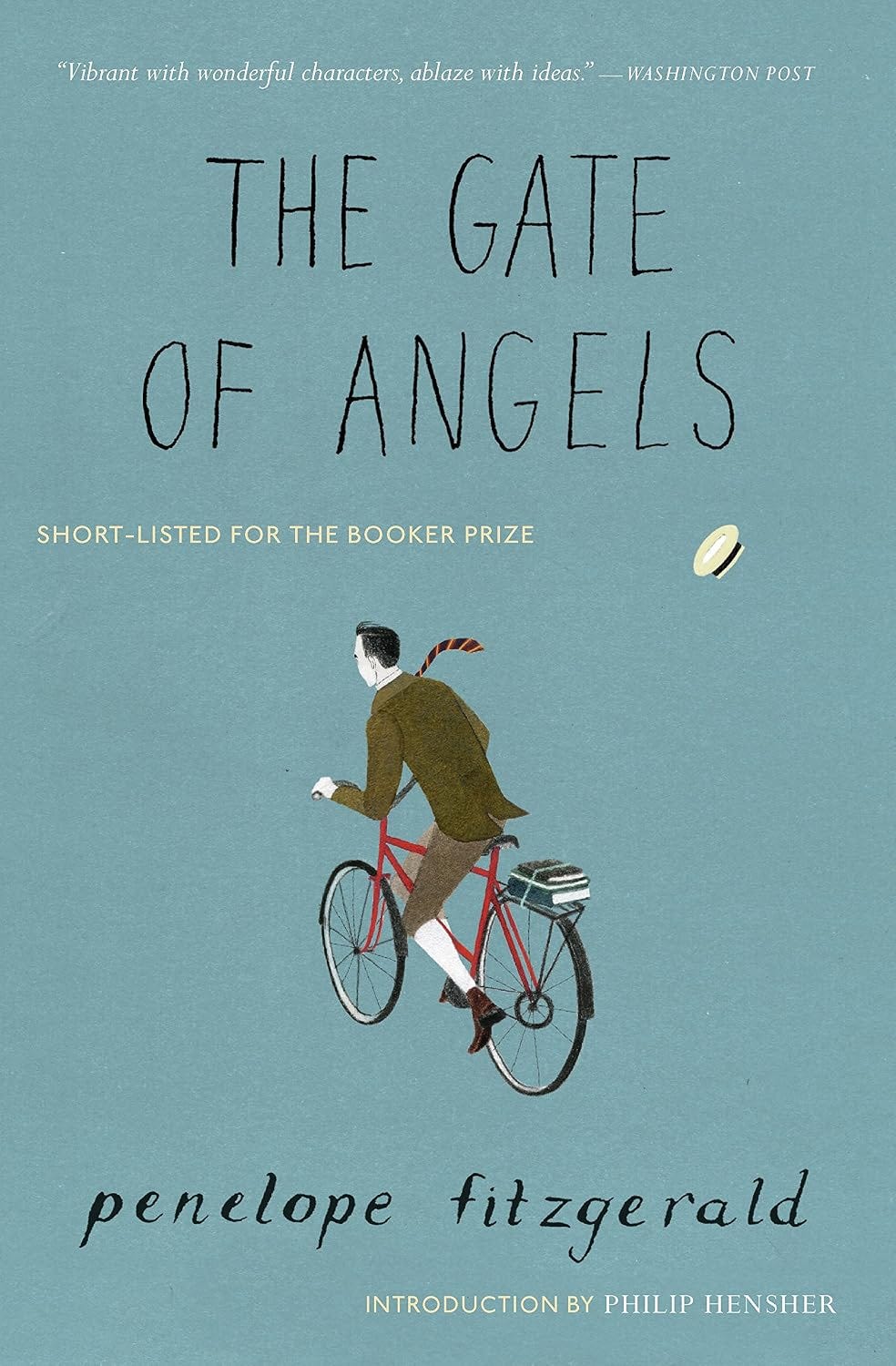
Ok, so this doesn’t strictly fit into my ‘mid-century’ scheme, as it was published in 1990. But the setting is Cambridge in 1912, and she’s such an interesting author that I can’t resist. And I have never forgotten the novel’s opening lines.
“How could the wind be so strong, so far inland, that cyclists
coming into the town in the late afternoon looked more like
sailors in peril? This was on the way into Cambridge, up Mill
Road past the cemetery and the workhouse. On the open
ground to the left the willow-trees had been blown, driven
and cracked until their branches gave way and lay about the
drenched grass, jerking convulsively and trailing cataracts of
twigs. The cows had gone mad, tossing up the silvery weeping
leaves which were suddenly, quite contrary to all their exper-
ience, everywhere within reach. Their horns were festooned
with willow boughs. Not being able to see properly, they
tripped and fell. Two or three of them were wallowing on
their backs, idiotically, exhibiting vast pale bellies intended by
nature to be always hidden. They were still munching. A scene
of disorder, tree-tops on the earth, legs in the air, in a university
city devoted to logic and reason.” (Penelope Fitzgerald, The Gate of Angels)
These are some of the novels I’m considering for next year, with a couple of my most popular previous posts on literature.
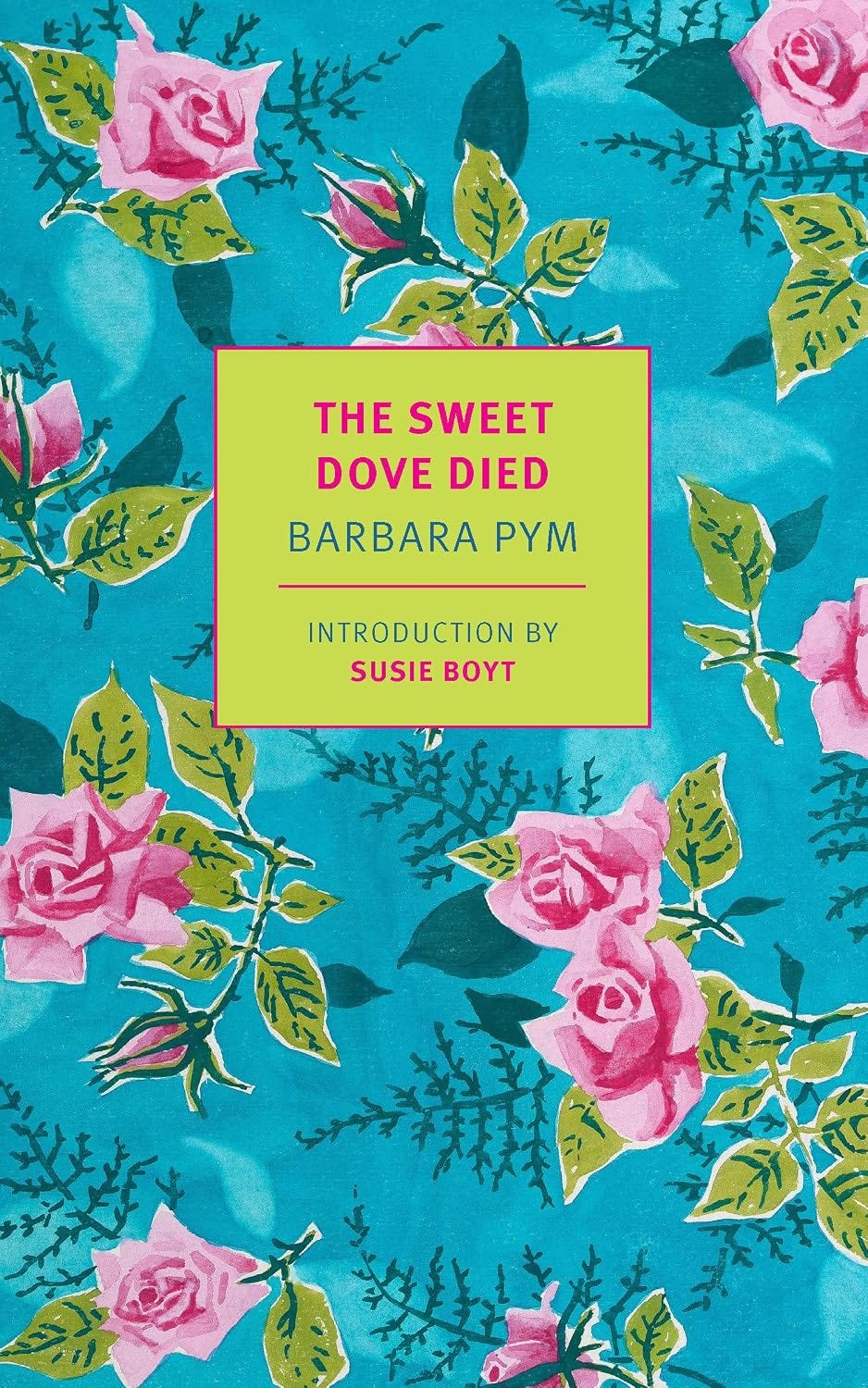
Elizabeth Jenkins, Honey (1968); Barbara Pym The Sweet Dove Died (1978) and because a new biography by Hermione Lee is about to be published, what about Anita Brookner’s 1981 novel, A Start in Life (US title The Debut)?
Margery Allingham, Tiger in the Smoke (1952) ‘Her books are not merely, or even mainly, excellent ‘whodunnits’, but combine beautiful writing with keen observation of character, a palpable sense of danger and an element of humour.’ (Hephzi)
Enid Bagnold, The Squire (1938): ‘brilliant writing and unusual for its time as a study of motherhood’ (Deborah). ‘Imagine To the Lighthouse written by Mrs Ramsay expecting her fifth child, and you get something of the spirit of this intense and passionate novel, which is so unlike anything else ever written about pregnancy.’ - Margaret Drabble
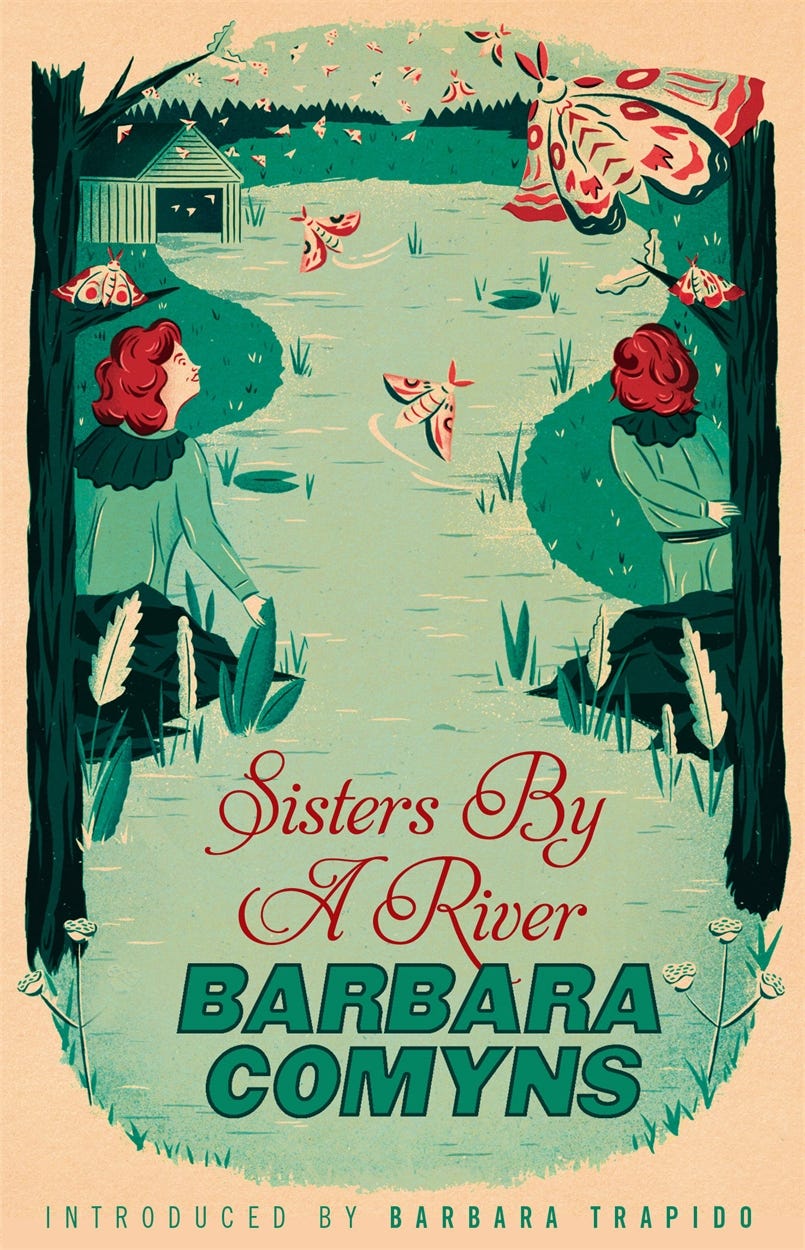
Barbara Comyns, Sisters by a River (1947): ‘In her daring first novel, originally published in 1947, Barbara Comyns’ unique young heroine relates the vivid, funny and bittersweet story of a childhood.’
Dorothy Edwards, Winter Sonata (1928) ‘Her only novel musically interweaves her major theme - the loneliness of the human condition - with a subtle look at its consequences. David Garnett described it as ‘a precise and perfect work of art’.’
Celia Fremlin, Uncle Paul (1959) ‘One family’s skeletons emerge on a 1950s seaside summer holiday in this classic mystery from ‘Britain’s Patricia Highsmith’ and ‘the grandmother of psycho-domestic noir’ (Sunday Times)
Marganhita Laski, The Village (1952) ‘This traditionally organised novel of English village life is more than a gentle dig at quirky English behaviour. It is a precise, evocative but unsentimental account of a period of transition; it's an absorbing novel, and a useful piece of social history.’
Iris Murdoch Under the Net (1954) ‘Murdoch’s first novel - for the fun of spotting hints about what comes after’ (Liz)
Vita Sackville West, All Passion Spent (1931) ‘First published in 1931, Vita Sackville-West's masterpiece is the fictional companion to her great friend Virginia Woolf’s A Room of One's Own.’
Mary Webb, Precious Bane (1924) ‘I would love to see Mary Webb’s novels gain a wider audience again. They would sit well alongside Lolly Willowes although they’re from a slightly earlier period.’ (Jaimie)
Dorothy Whipple, They Were Sisters (1943) ‘This is the story of how their marriages shape the sister’s lives, the consequences of their decisions, and the sisterly love that hopes to save them from tragedy.’

Comments
Nothing yet. Say the first thing.
Sign in to join the conversation.