
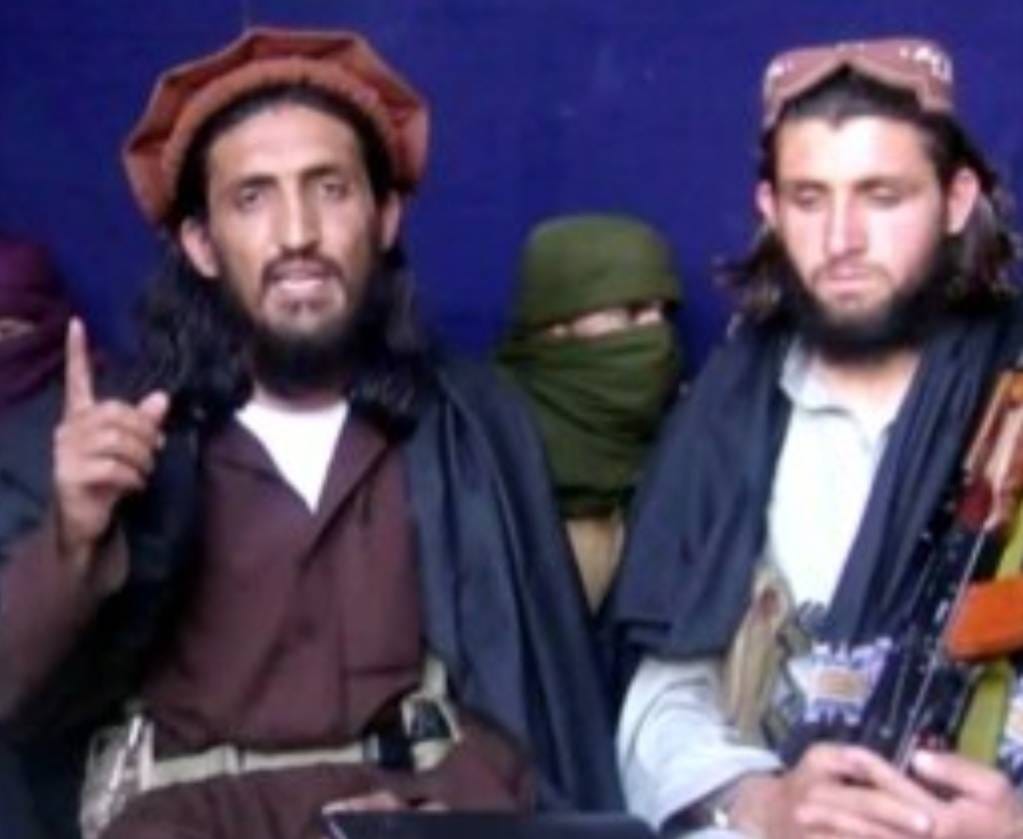
The separation of Tehrik‑i‑Taliban Pakistan – Jamaat‑ul‑Ahrar (JuA) from the TTP marks a significant inflection point in the militant landscape of Pakistan and eastern Afghanistan. The announcement by Omar Mukarram Khorasani is not merely an organizational reshuffle; it reflects deeper structural fractures within the Pakistani Taliban movement, long‑standing ideological divergences, and unresolved grievances linked to leadership disputes, operational autonomy, and suspicions of external manipulation. Because JuA is a designated terrorist organization responsible for mass‑casualty attacks, any assessment of its trajectory must foreground the severe harm it has historically inflicted on civilians and state institutions.
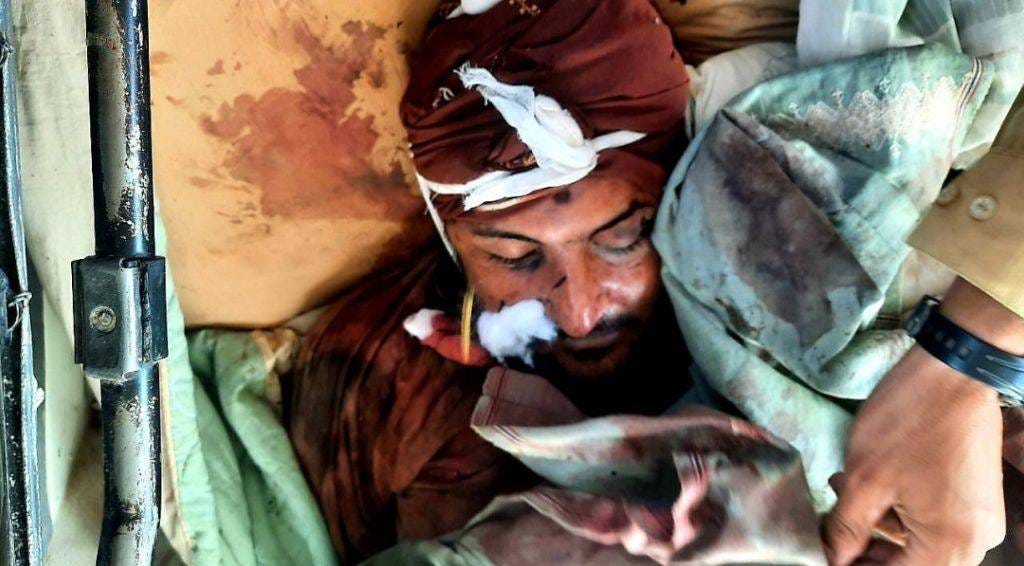
The roots of this split lie in the legacy of Omar Khalid Khorasani, whose ideological rigidity and refusal to compromise during the 2022 Kabul negotiations created enduring mistrust between JuA and the TTP leadership. His killing in Paktika interpreted by JuA as a coordinated act involving the Pakistani military, ISI, and elements within the Afghan Taliban became a symbolic rupture.
Comments
Nothing yet. Say the first thing.
Sign in to join the conversation.