

There’s a quote by Oscar Wilde that says, “And all at once, summer collapsed into fall.”
That line perfectly captures how the last few months have felt. One moment it was summer, full of travel, movement, and sunshine. Then suddenly, it was fall. The kids were back in school, new routines were starting, and I was still hopping from one place to the next. Time moved fast, almost without pause.
But now, I find myself ready for the collapsing part. Collapsing into fall. Into slower days, cozy dinners with friends, sunny afternoon walks, and more moments at home.
I’ve always been an early riser, usually up around 5:30 or 6:30 in the morning without an alarm. In the summer, I tend to jump out of bed and get going with the day. But now, with the darker mornings and the sun taking its time, I’m still waking early, but lingering under the covers. I’ve been reading in bed before the day begins, and that slow start helps set the tone for my day. I love it so much because it feels like a quiet kind of joy. A gentle reminder to ease into the rhythm of fall. I might even slowly return to writing morning pages or sending letters to friends overseas.
This edition of The Joie Review is a roundup of moments, places, and little discoveries that brought me joy from summer into early fall. It’s a long one, so read in one sitting or save and come back later. Maybe you’ll find something to bookmark for your next adventure or a tiny delight to keep in your back pocket for another time.
However you’re moving through this season, I hope you’re also finding small ways to collapse into the rhythm of fall slowly, softly, and joyfully.

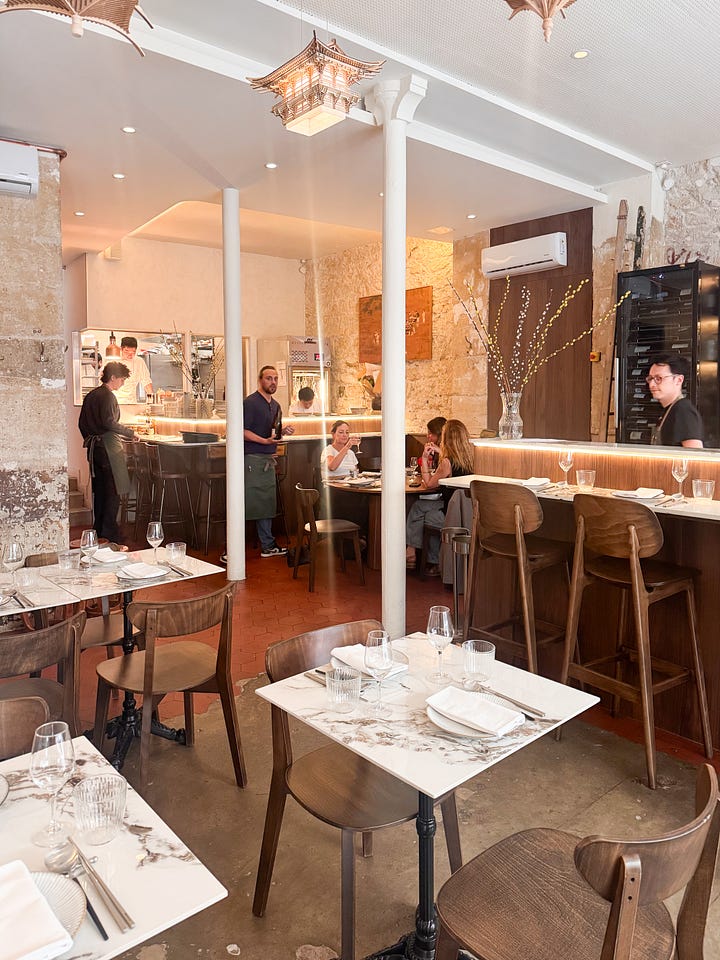
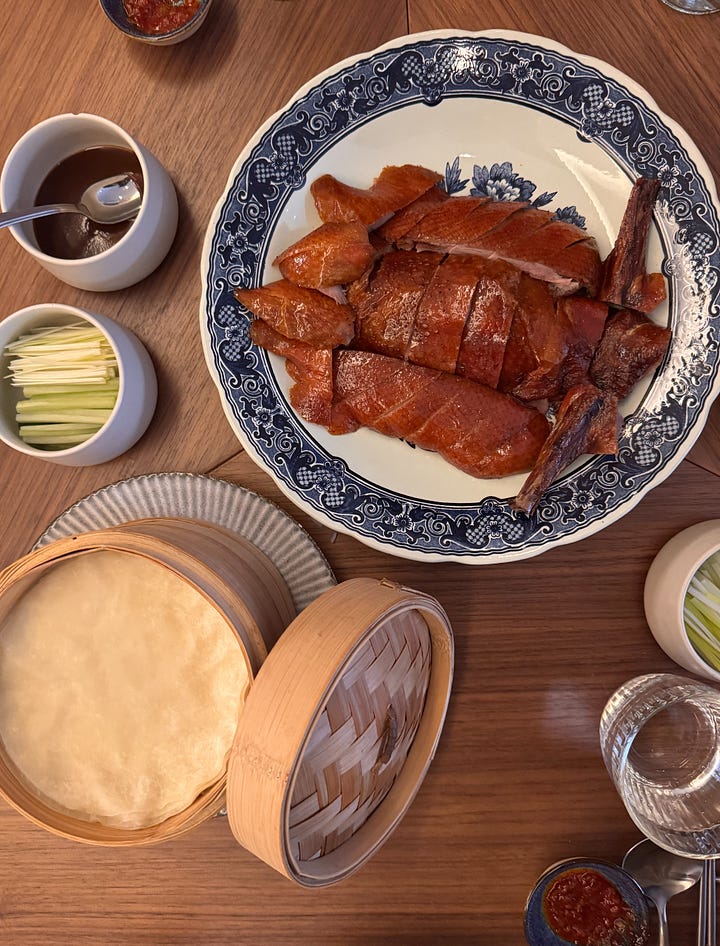
I’m always on the hunt for good Peking duck since it’s in my top five favorite dishes, so I was very pleased when this new Chinese neo-bistro from Michelin-starred chef Samuel Lee opened in the 11th. I love the ritual of wrapping the crispy skin in a thin crêpe with hoisin, cucumbers, and scallions.
I haven’t tried any of the other main dishes because it’s hard to go and not order the duck, but I’ve tasted most of the starters. My favorites were the marinated yellowtail, rice cakes, spicy cabbage (don’t skip it), and the surprisingly good spring rolls with vegetables and Comté cheese.
I never visited Lee’s previous post at the Shang Palace in the Shangri-La hotel, but I like to think he’s brought that same haute cuisine energy to the more casual vibes of Rue Saint-Maur in the 11th. A half duck is €68 and perfect for my group of four. A whole one is €130 and worked for a dinner of six on another visit. Important to note: you must order the duck 48 hours in advance.
SENsation
📍32 Rue Saint Maur, 75011 Paris | Website | Instagram
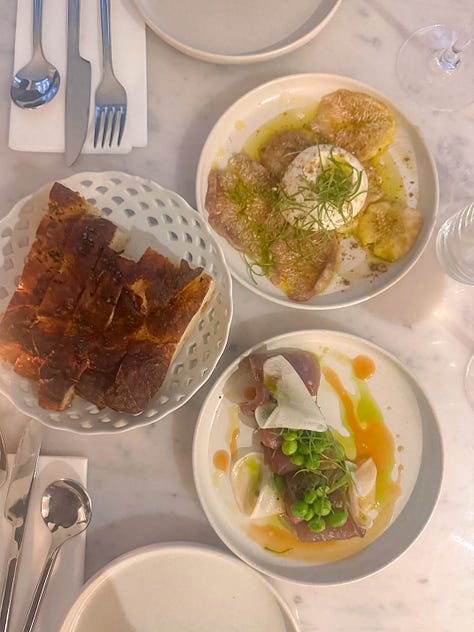

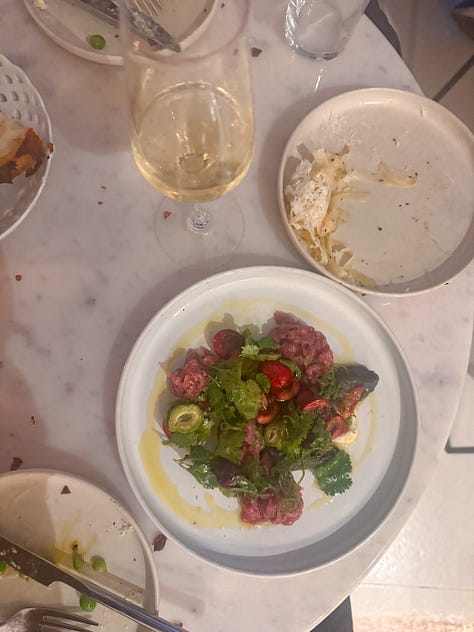
Further down Rue Saint-Maur you’ll find Alluma, a bistronomique Levantine restaurant from chef Liran Tal. I first visited three years ago and loved the food, but at the time, they only offered tasting menus, which I wasn’t always in the mood to commit to.
Now things have changed. The same creative dishes and bold flavors are available à la carte, and I enjoyed it so much I went back twice this summer. The menu shifts with the seasons and what is available at the market, so I can’t promise these dishes will be there when you go, but my standouts were the celery root cacio e pepe, fig carpaccio, and lamb tartare.
They also offer a lunch prix fixe for 22 to 25 euros, which is pretty remarkable considering the quality and creativity of the food.
Alluma
📍151 Rue Saint-Maur, 75011 Paris | Website | Instagram
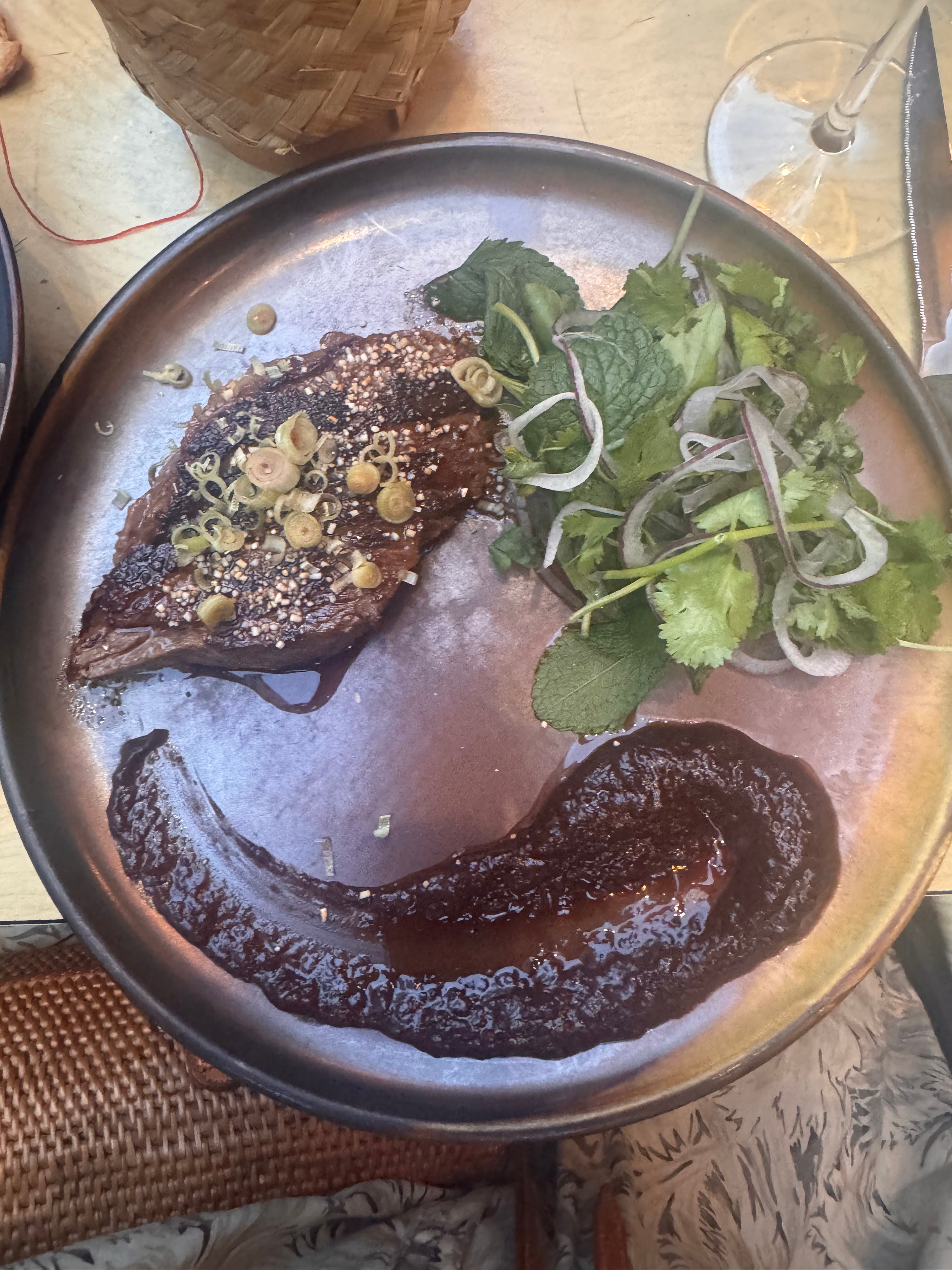
Bistro Le Carreau is a spot I return to often, usually when meeting a particular friend for dinner. (You know who you are, LC.) I’ll admit we haven’t strayed from the marinated steak with fresh herbs, tamarind sauce, and sticky rice because it’s just that good.
When the weather is nice, the terrace is the place to be. There’s a relaxed neighborhood energy, with a handful of nearby restaurants spilling out onto the street. The food is consistently satisfying, and the vibe always hits the right note.
Bistro Le Carreau
📍1 rue Charles François Dupuis, 75003 Paris | Website
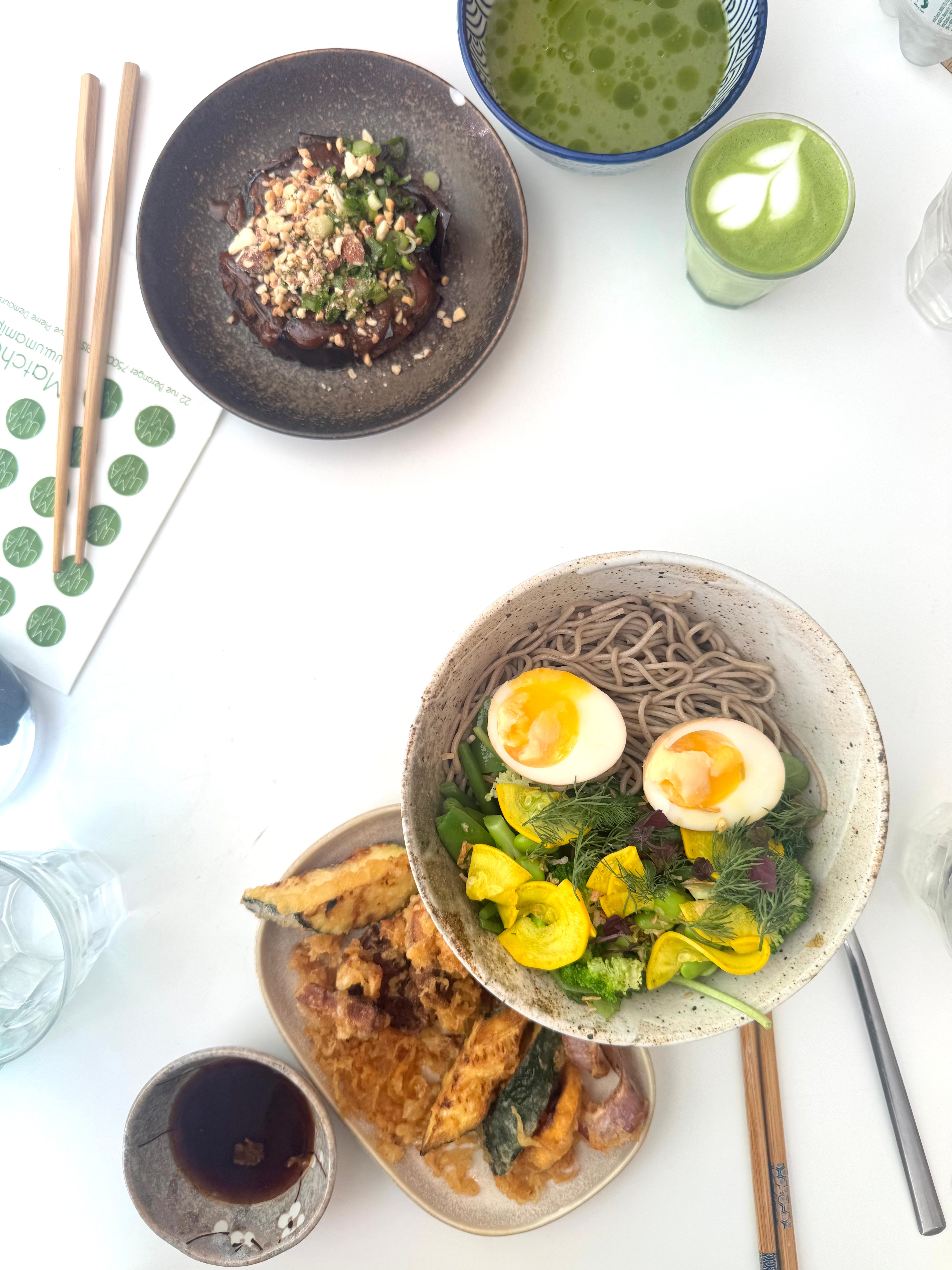
Umami Matcha Café is a perfect healthy spot to meet a friend for lunch near République. It has a calm, minimalist aesthetic with every version of matcha you can imagine, but also soba and udon noodle bowls, vegetable salads, and donburi bowls. It’s not a traditional Japanese restaurant, more of a modern café with a clean, nourishing menu.
Umami Matcha Café
📍22 Rue Béranger, 75003 Paris | Website | Instagram
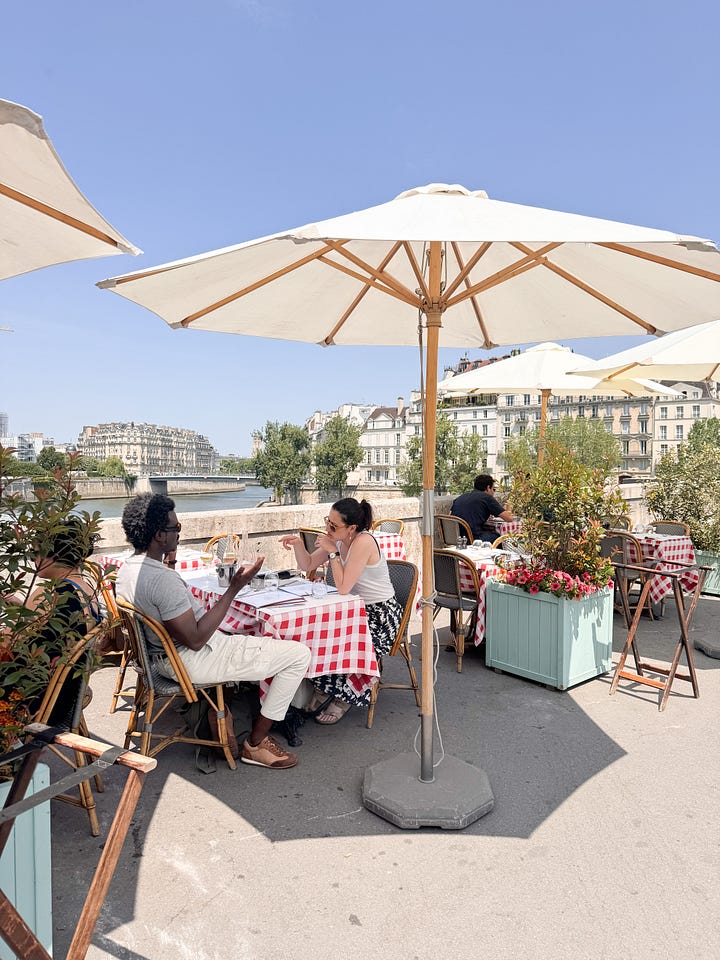

Visiting the legendary Tour d’Argent is still high on my list, but until then, I was perfectly happy enjoying lunch at La Rôtisserie d’Argent this past summer, followed by drinks with friends on the rooftop bar, Le Toit de la Tour. (Not on the same day, of course.)
Sitting outside on the Pont de la Tournelle was a real treat. It was difficult to get a reservation, so I expected a packed scene, but when we arrived, it was actually quite calm. I have a feeling that’s by design—perhaps to keep the service attentive and the pace unhurried.
We ordered the roasted chicken and the roasted duck, both served with silky mashed potatoes. Delicious, of course. But for me, the real highlight was simply eating on the bridge itself, taking in the view, and soaking up that only-in-Paris feeling.
Le Toit de la Tour
📍15 Quai de la Tournelle, 75005 Paris
La Rôtisserie d’Argent
📍19 Quai de la Tournelle, 75005 Paris
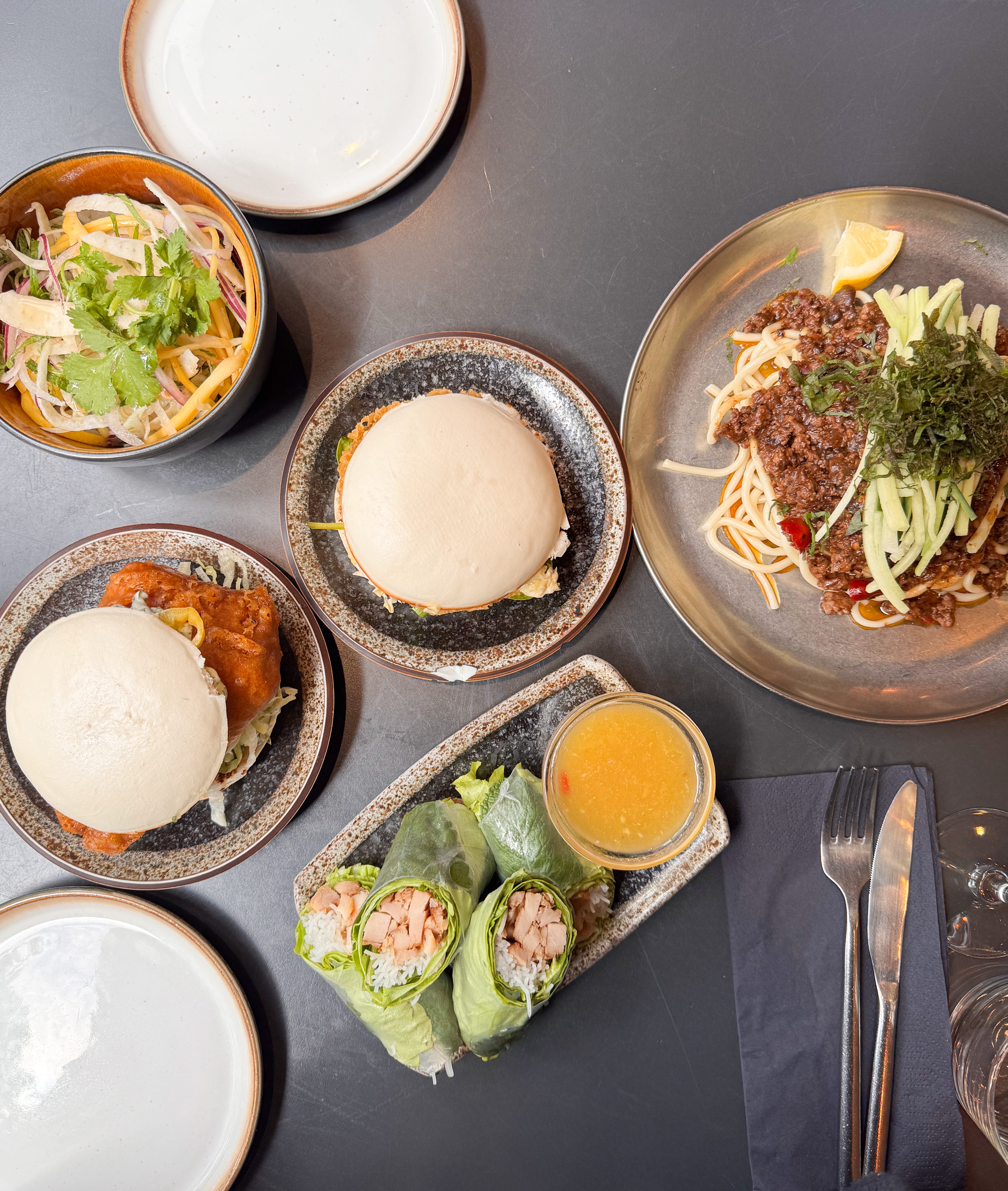
Siseng, a south-east Asian spot by the canal, has been one of my go-to places for nearly a decade. It’s partly because of the delicious bao burgers, and partly because it’s a family-run place that just feels good to support. I love being a regular somewhere, and it’s sweet that they always ask how the kids are doing.
I always go back and forth between the tofu burger and the five-spice beef burger. Tofu is not usually my go-to on a menu, but this one is surprisingly addictive. It comes with fried algae and shiitake mushrooms, spinach, and a perfectly firm fried tofu steak. I also love adding the marinated chicken spring rolls, which are wrapped with shiso leaves and mint, then served with a spicy pineapple sauce. The mango-fennel and herb salad is another staple. If I am with a friend who is down for a sampler of all my favorites, then I also order the black bean noodles. On sunny days, I love grabbing my order to go and eating by the canal. Simple, comforting, and familiar in the best way.
Siseng
📍82 Quaid de Jemmapes, 75010 Paris


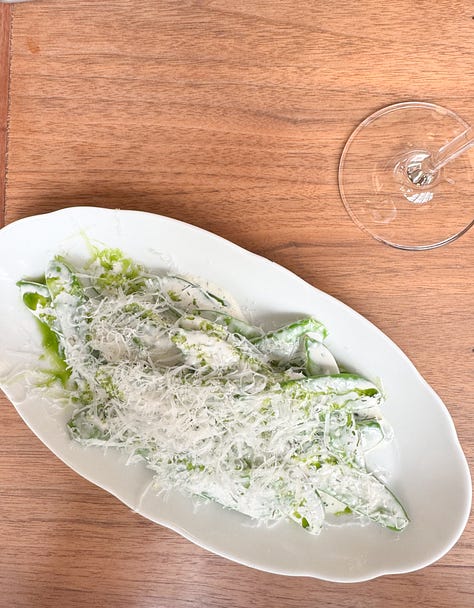
I wandered into L’Altro Frenchie, the Italian restaurant in the Frenchie family, while looking for a place to eat in the 2nd. It’s not a new spot, but somehow I had never heard of it. I knew about the Frenchie restaurants that are famously hard to get a table at, so I was surprised when we waltzed in without a reservation.
The menu was simple but full of great flavors. I had the spaghetti with meatballs, but the dish that really stuck with me was a side of sugar snap peas tossed in ranch dressing and topped with a generous amount of pecorino. Unexpected and completely memorable.
L’Altro Frenchie
📍9 Rue du Nil, 75002 Paris
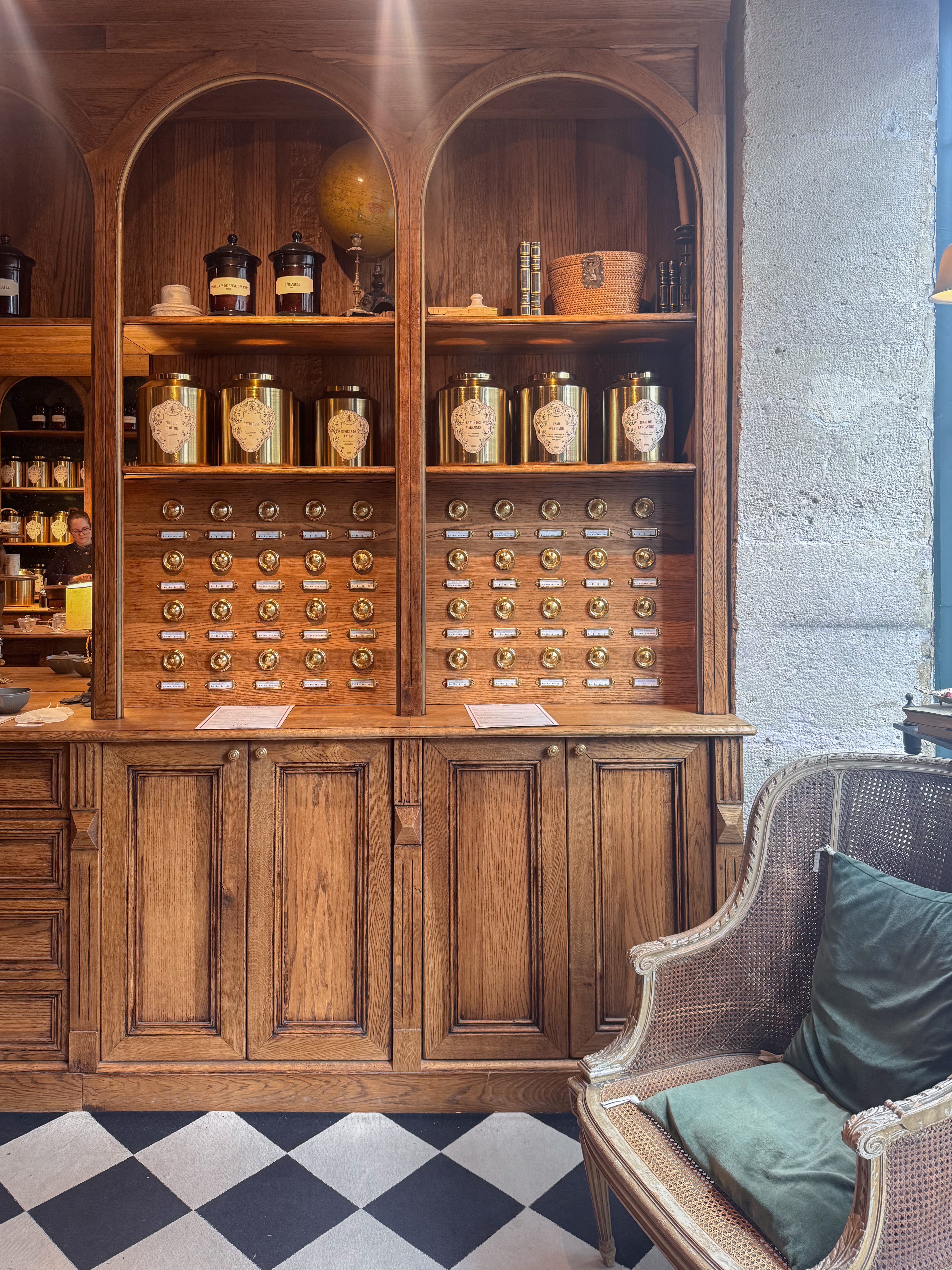
One of the prettiest tea shops in the city, Conservatoire des Hémisphères is a jewel box inspired by 19th-century interior design. Founded by Alice Bureau, who previously worked at Officine Universelle Buly, the influence is clear in the romantic, nostalgic aesthetic. It makes a beautiful spot to visit and an even better place to pick up a gift.
The shop offers hundreds of teas sourced from around the world, many of them blended with dried fruits and flowers. The aromas are divine, and the presentation is just as special. Once you choose your tea, you can select a velvet box or a gold tin canister. They hand-calligraph the name of the tea, or anything else you’d like, on the packaging.
My only gripe is that the experience can feel a bit overwhelming. With so many rare and aromatic options, I would have appreciated more guidance. The sales team at the Rue de Bac location I visited didn’t offer much explanation or help in narrowing things down. Still, that wouldn’t stop me from returning. I just recommend asking plenty of questions to help guide your choice.
I left with a strawberry yuzu blend and a grapefruit green tea. They are perfect gifts for tea lovers or anyone who appreciates thoughtful details.
Consesrvatoire des Hémisphere
📍96 Rue du Bac, 75005 Paris
📍9 Rue de Passy, 75016 Paris

Hopefully, you caught the last newsletter about my new collection with Modern Matter hardware. If not, you can read all about it here. I was excited when they invited me to design two tabletop pieces, and I immediately knew what they would be: name card holders and napkin rings.
Of course, I have an epic list of future ideas I’d love to bring to life, but I wanted to start with these two for a few reasons. First, I love small details that make a big impact on a table. These pieces also happen to be versatile and beautifully giftable.
For this edition of Setting the Scene, I thought it would be fun to revisit all the ways you can use name card holders not only for dinner parties but also in everyday moments.
Five Ways to Use Name Card Holders
Classic Place Settings
Use them to mark each guest’s spot at the table. It’s a small gesture that makes any gathering feel considered and special. It also frees your guests from making decisions about who to sit next to or avoid.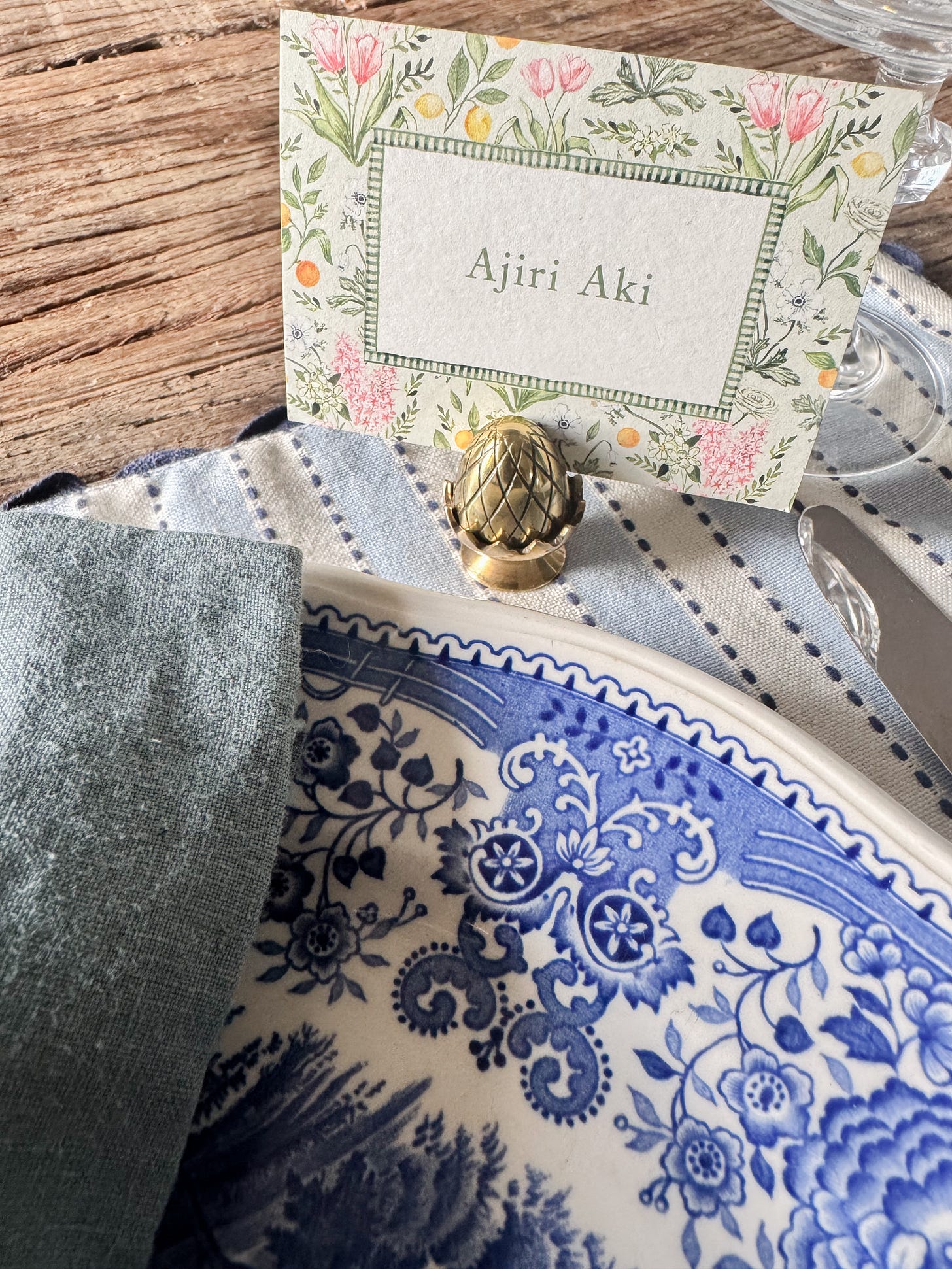
Labels for Your Table
Place one at the buffet or drinks station to label a signature cocktail, cheese selection, dish, or just to add a festive note to the table.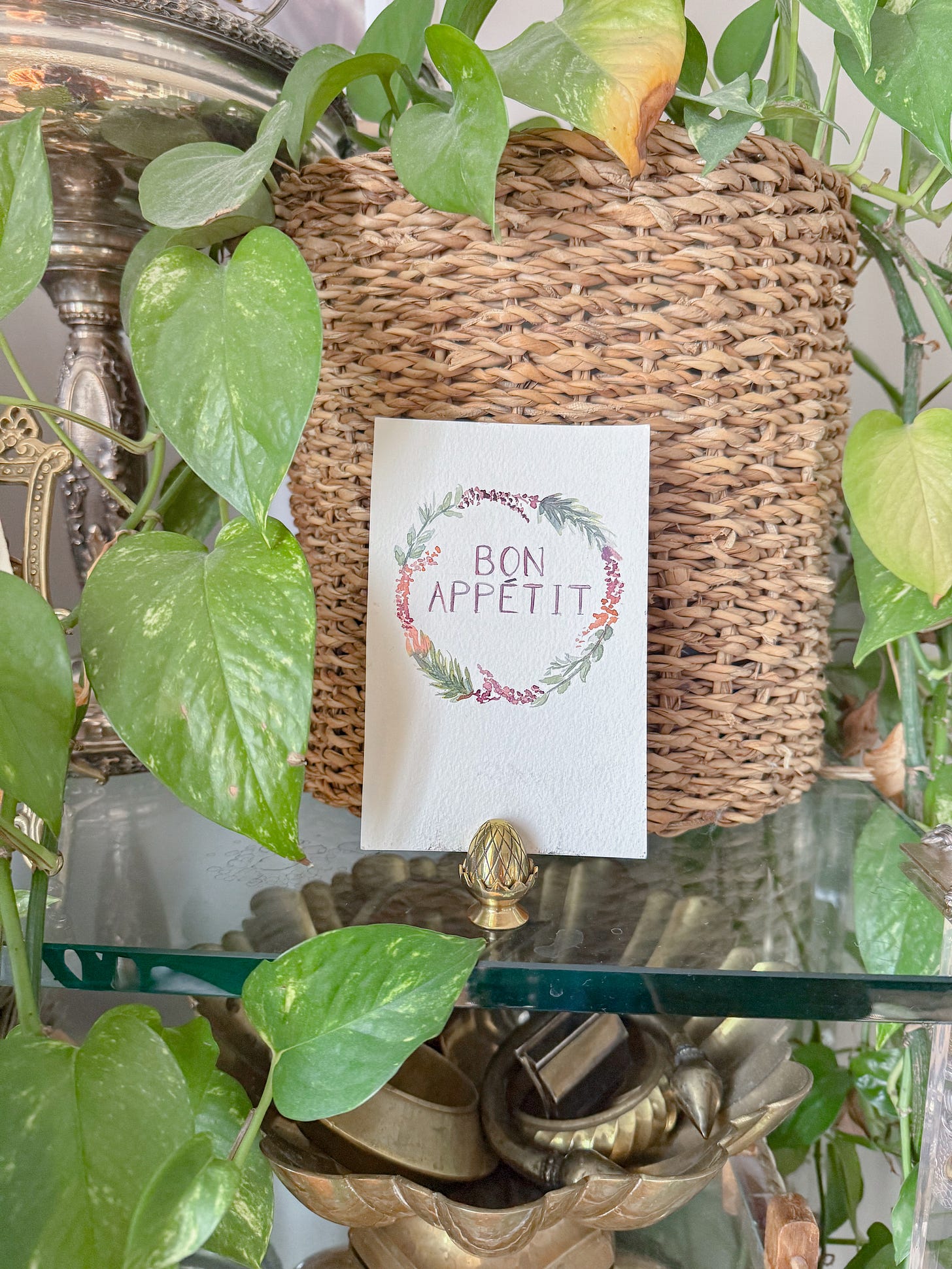
Guest Messages or Quotes
Tuck in a favorite quote, a warm greeting, or a seasonal message at each place setting. You can even write curious facts for a guessing game. It’s a fun way to start a conversation and set the tone for the gathering.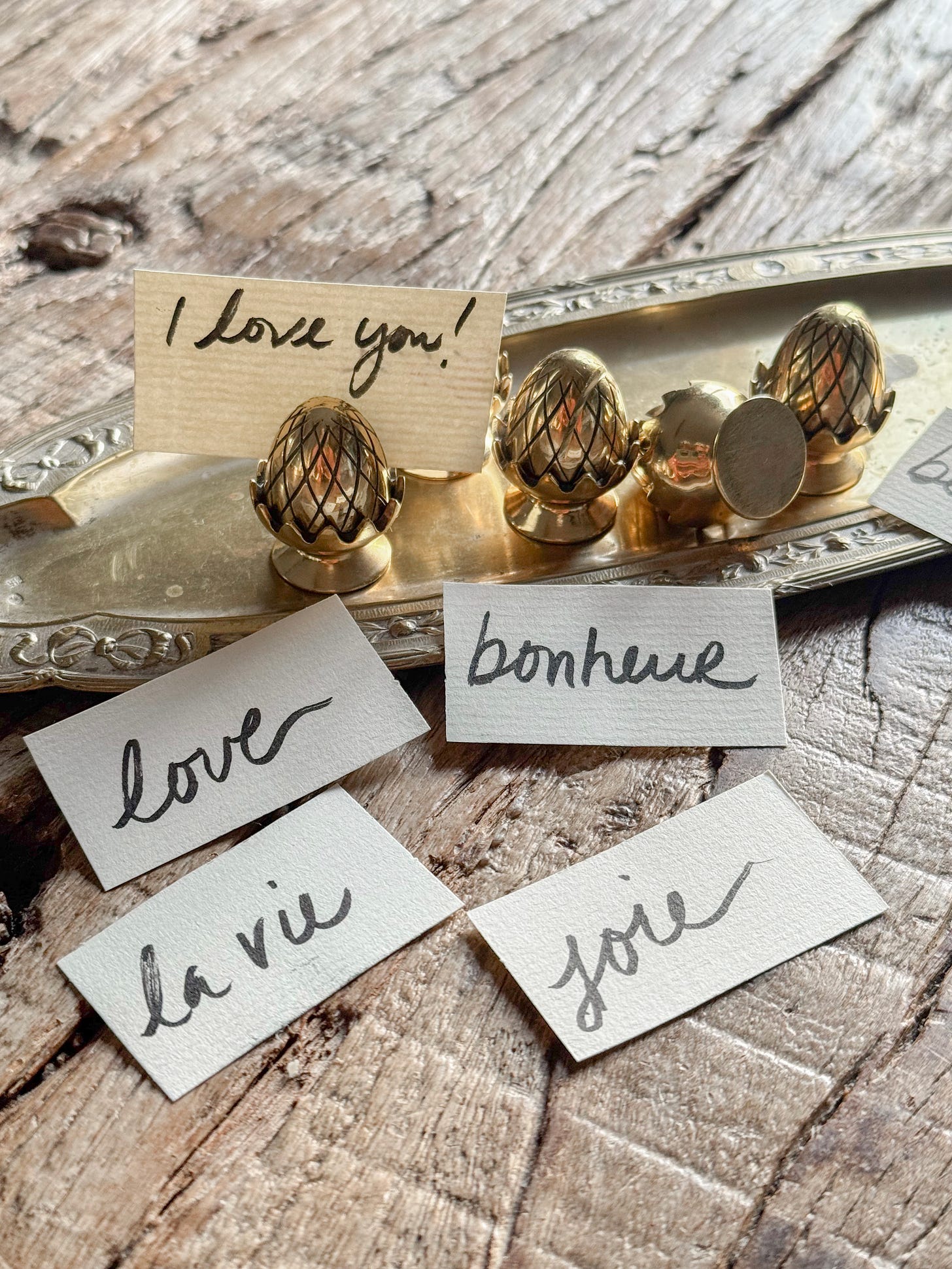
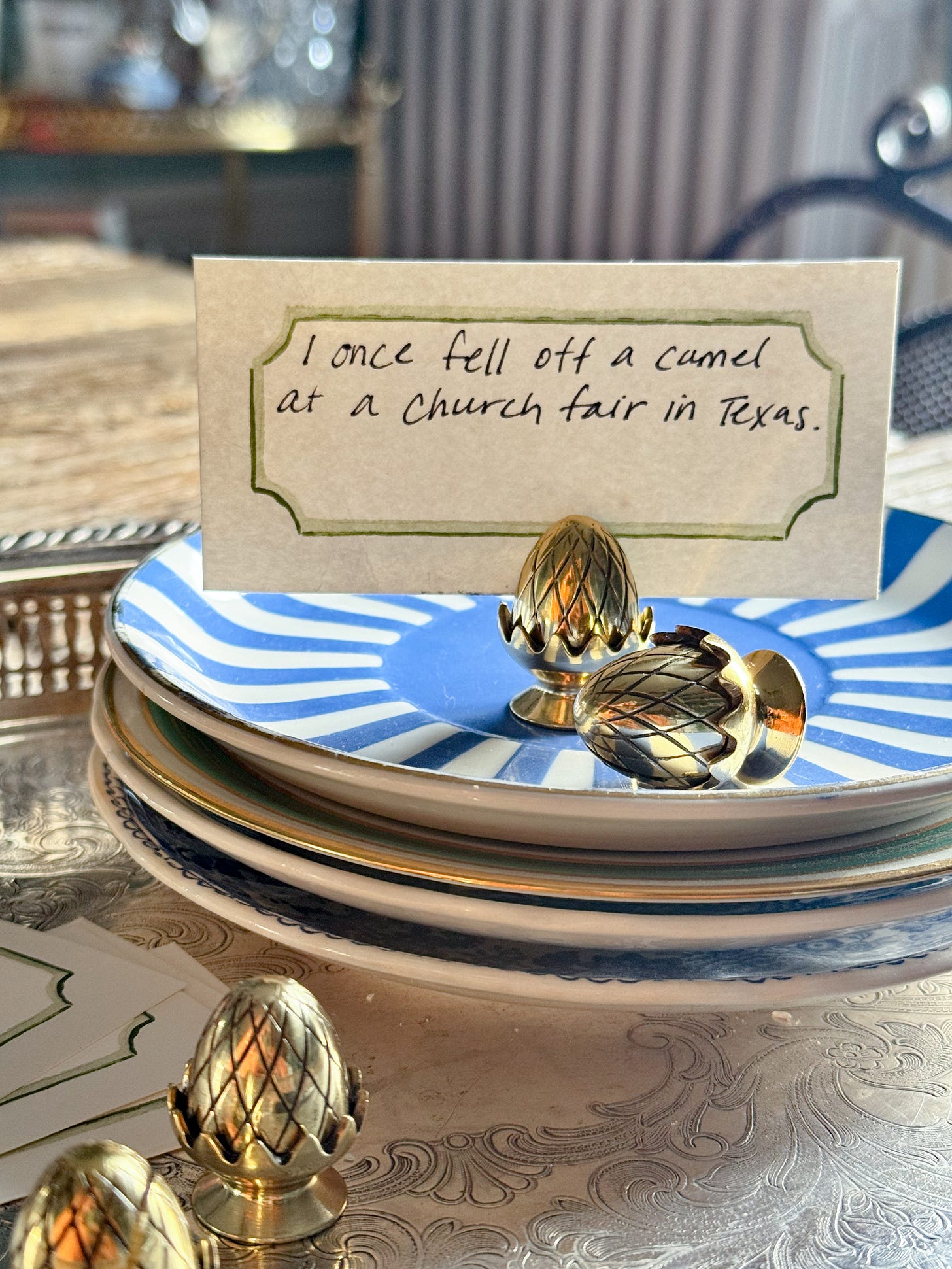
Photos or Mementos
Display a small photo, a travel postcard, or a pressed flower. It’s an unexpected detail that adds personality and storytelling to the table or a shelf.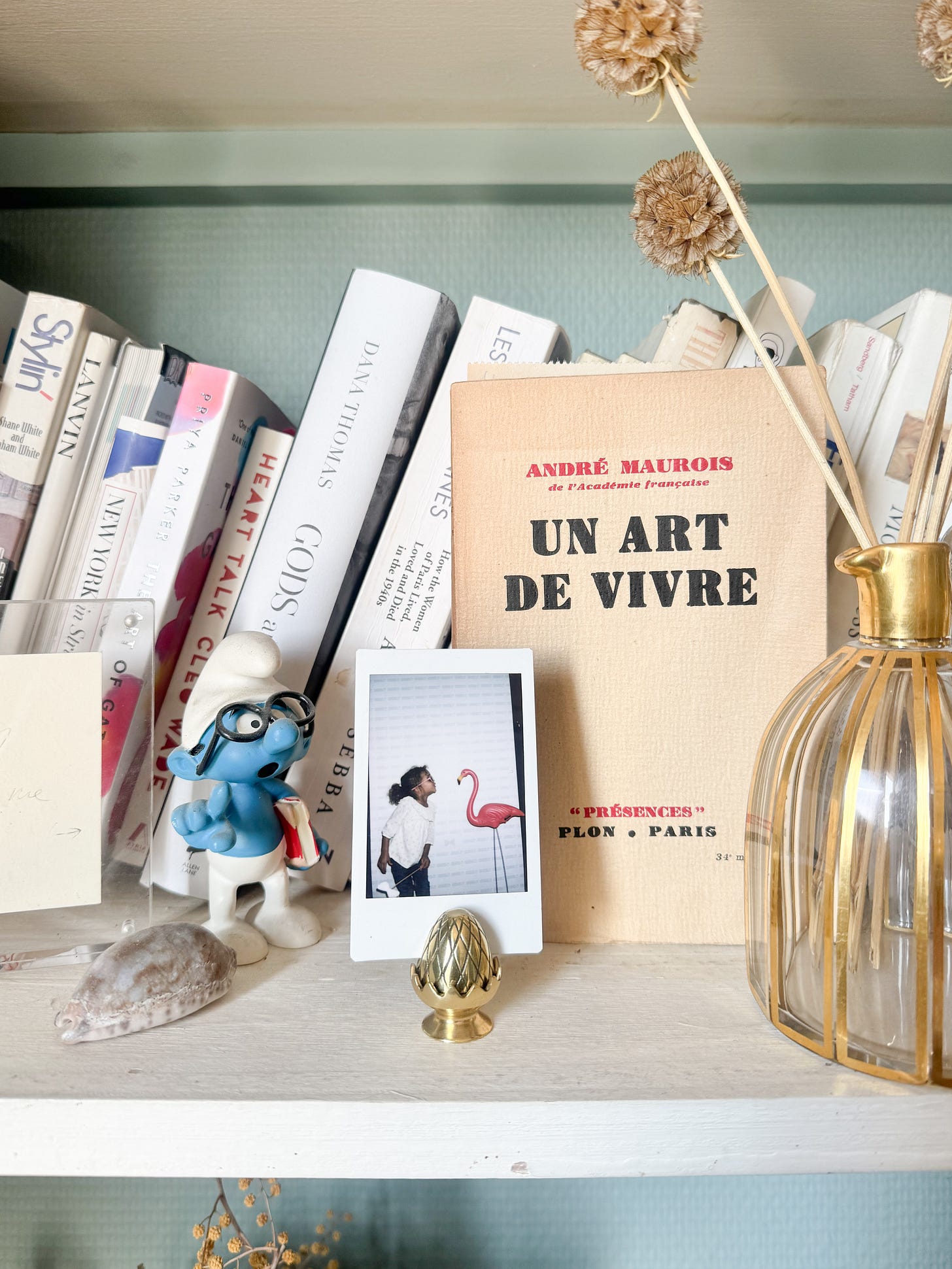
Desk or Shelf Styling
They’re not just for the table. Use one on your desk to hold a note-to-self, your daily mantra, a poem, or a tiny piece of art. A little joy tucked into everyday spaces.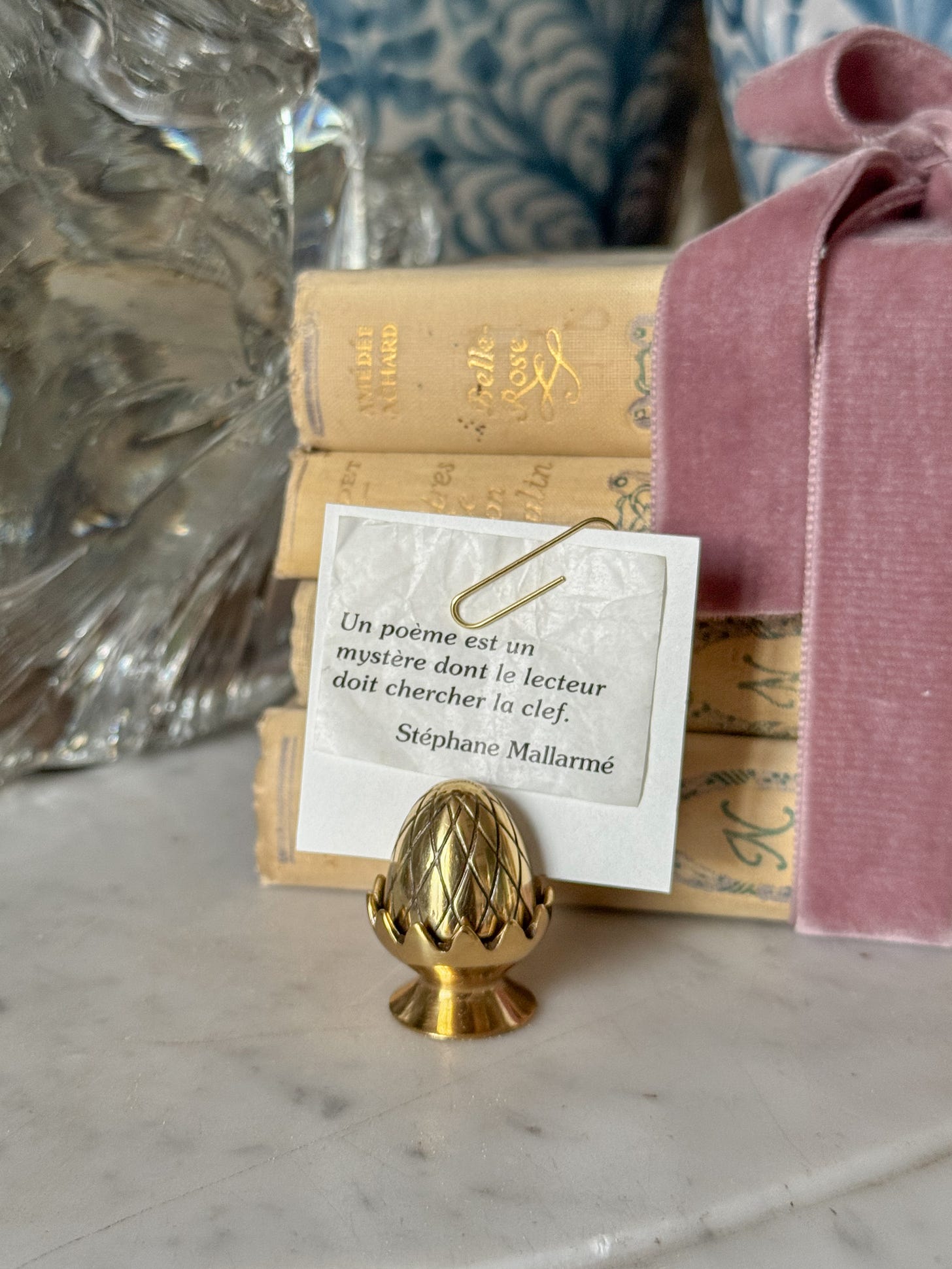
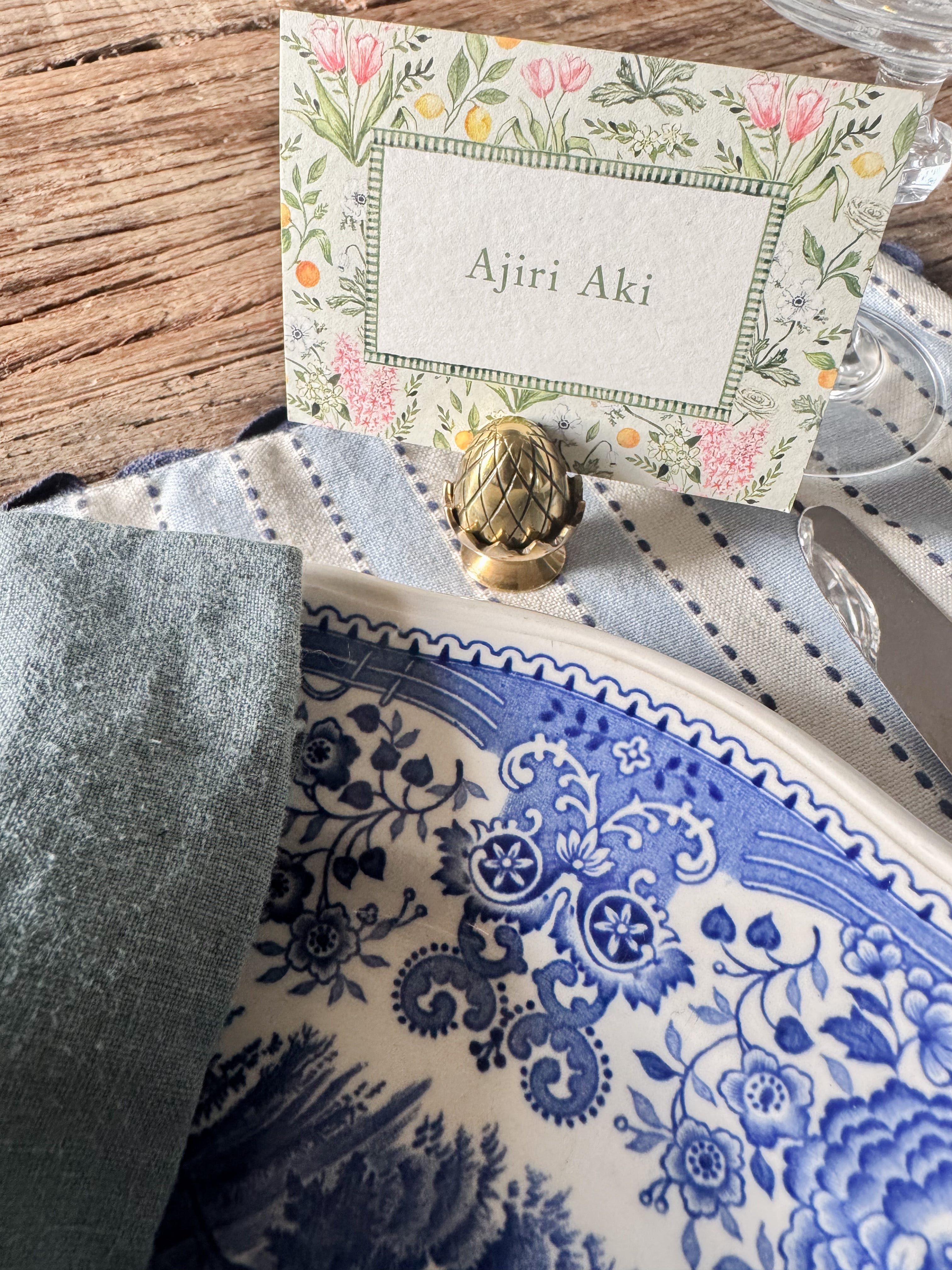
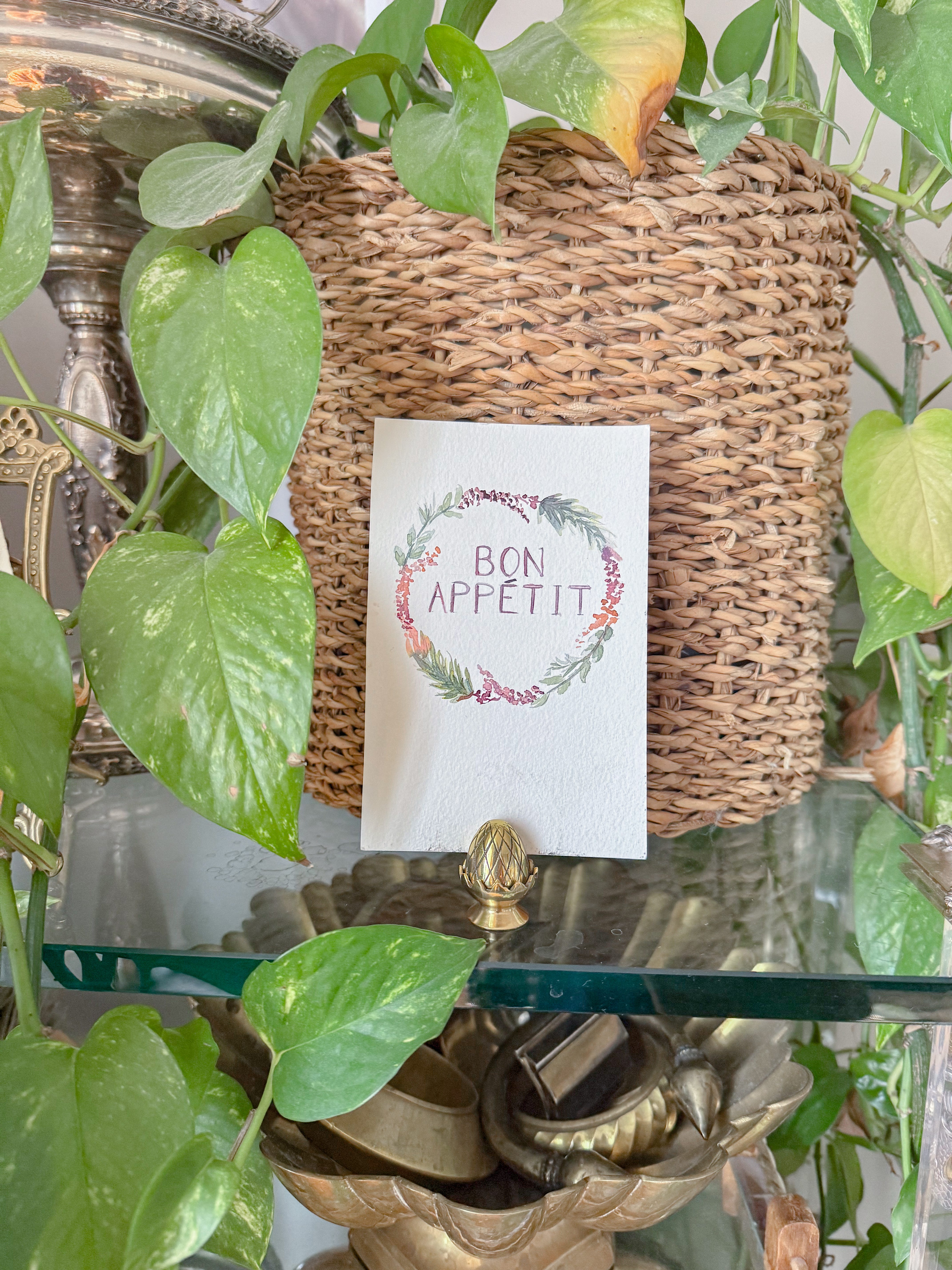
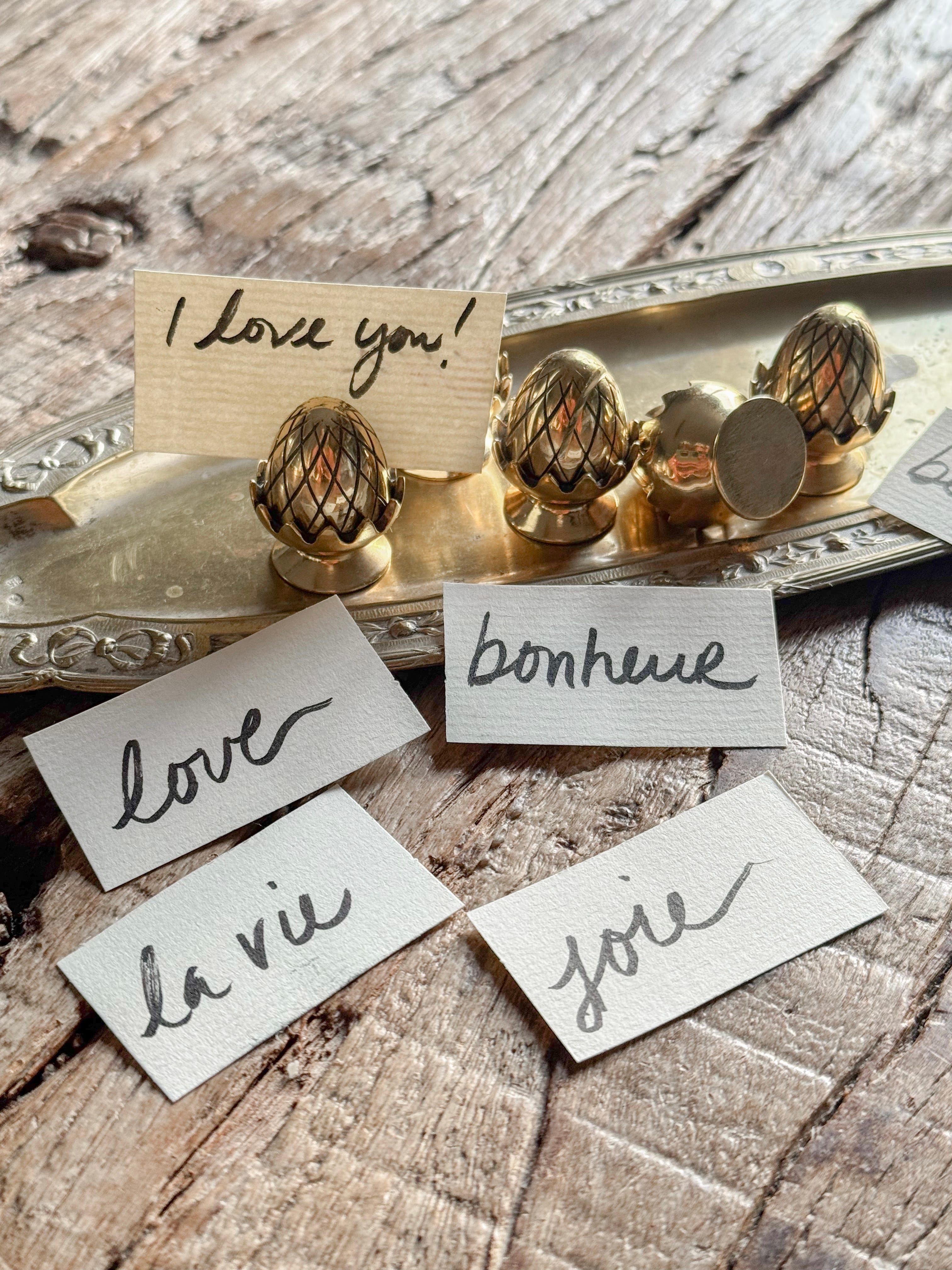
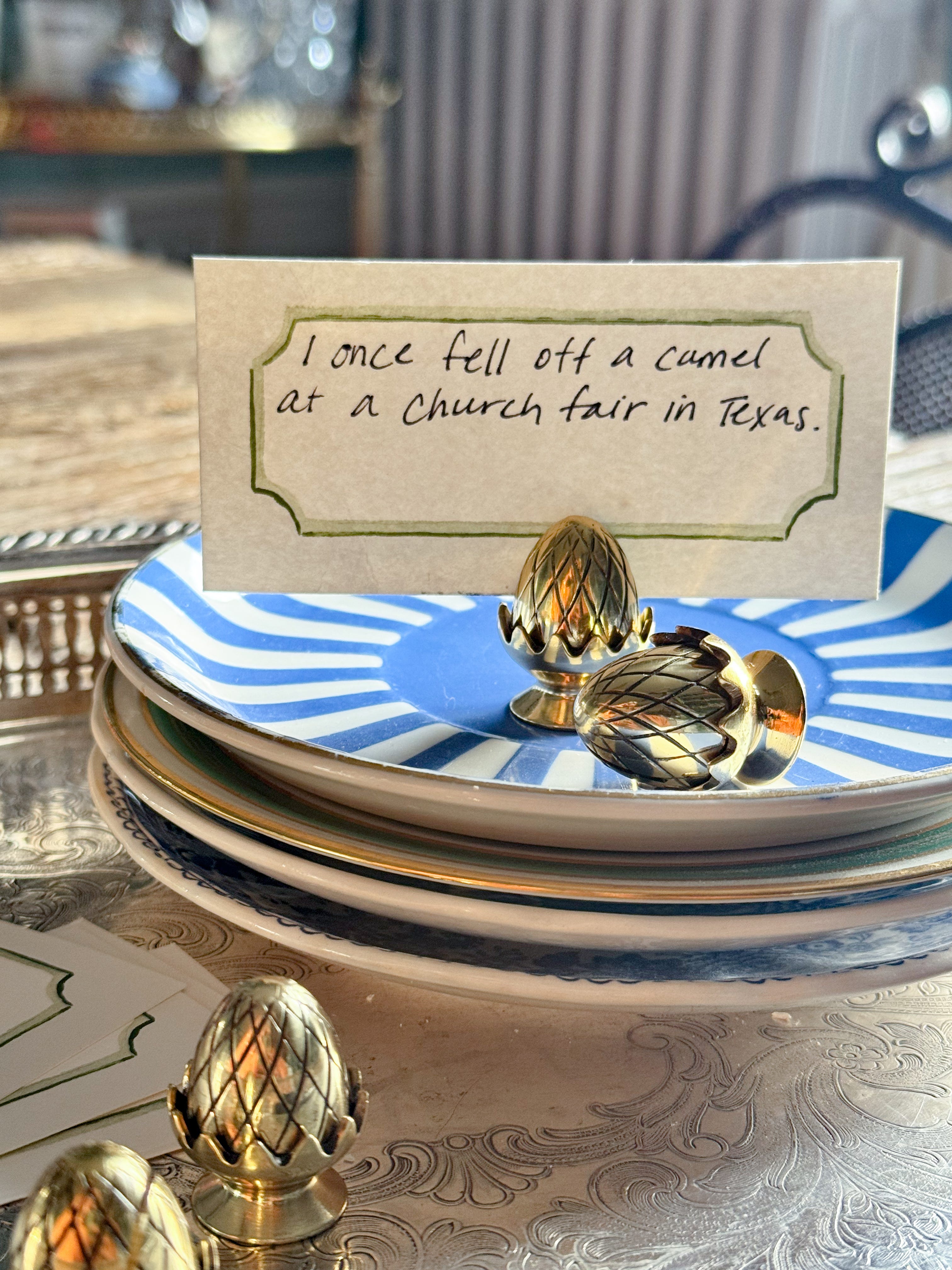
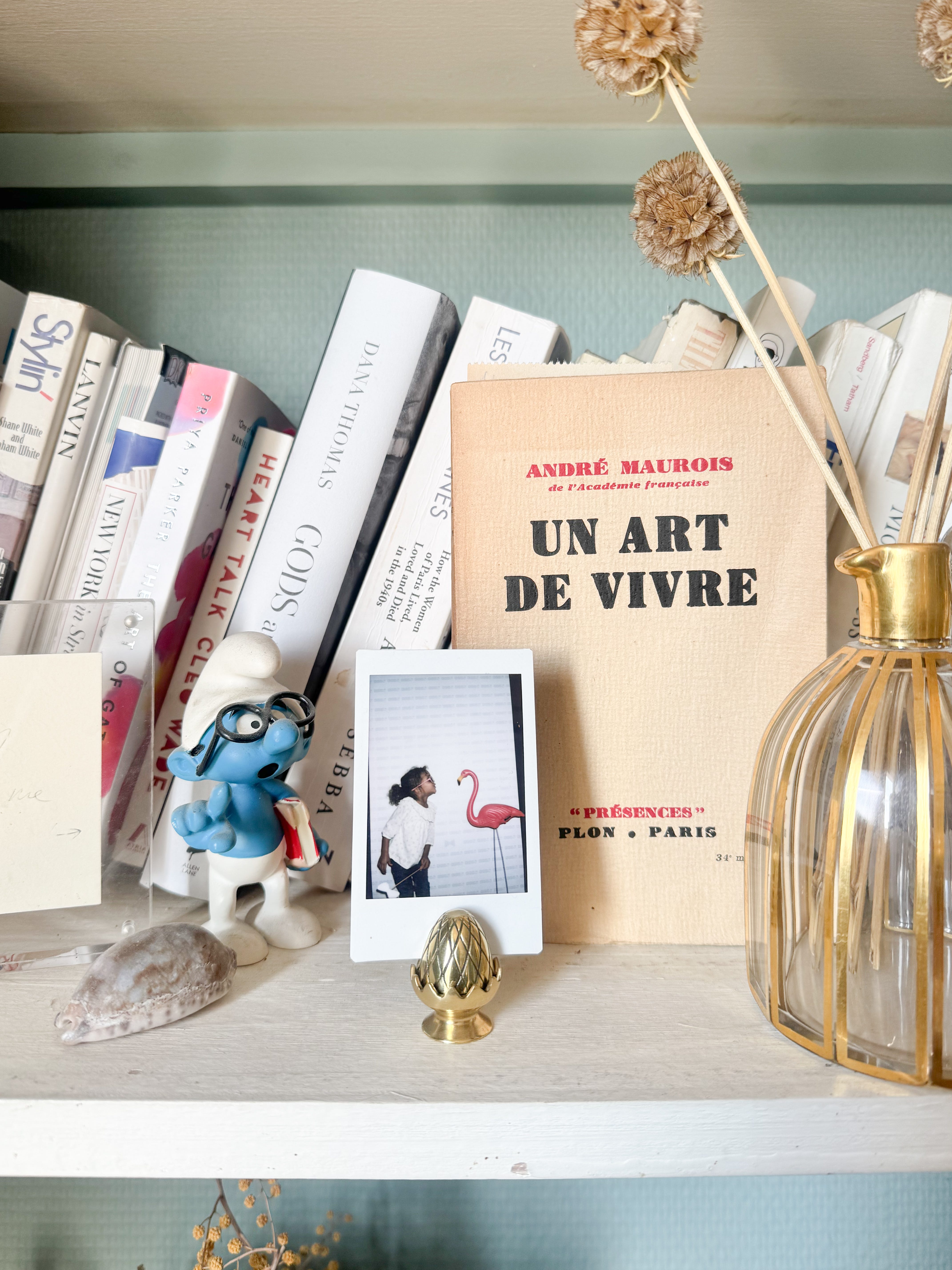
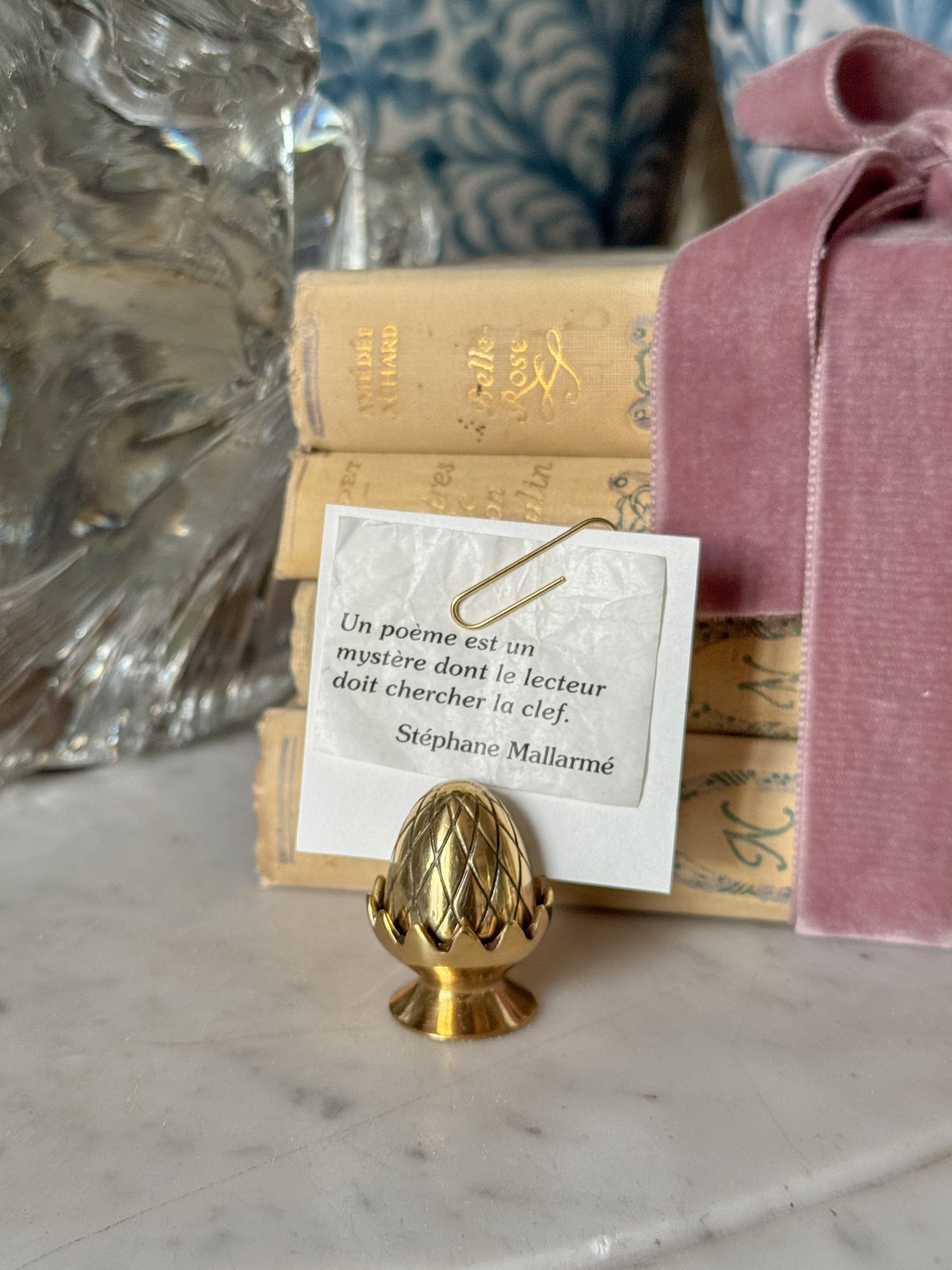
Shop the Pierre Place Card Holder in Unlacquered Brass and the whole collection here.

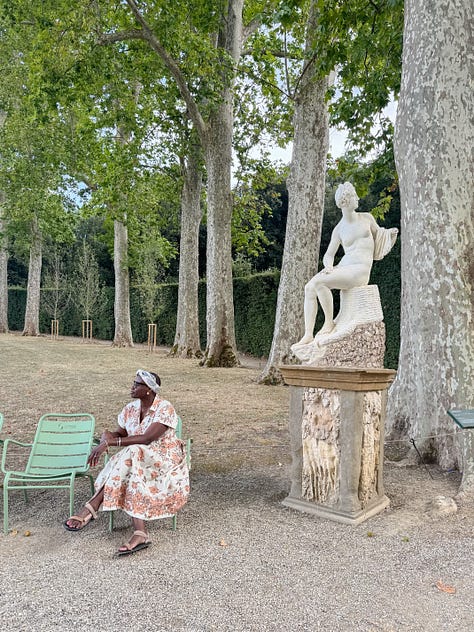
If you follow me on Instagram, then you know I got around this past summer. Five countries in two months. For paid subscribers, I’ll soon share a full posts about Croatia and Tournus. But for now I want to share how we wrapped up the season: 24 hours in Florence during Ferragosto.
I know Florence is grappling with overtourism, and I was mindful of that as we passed through. We stayed in a hotel instead of booking an Airbnb, chose small local restaurants rather than the spots with long lines and buzzy reputations, and spent time wandering the quieter corners of the city. I didn’t feel the need to do anything but appreciate the atmosphere and move through the city respectfully.
Writer and cook Emiko Davies has a thoughtful post on the impact of overtourism in Florence, and I highly recommend reading it here. She shares the perspective of a local watching her neighborhood change and offers practical tips for traveling more thoughtfully. (She also has another excellent article on how to avoid Airbnb and support more sustainable stays in Italy. You can read that one here.)
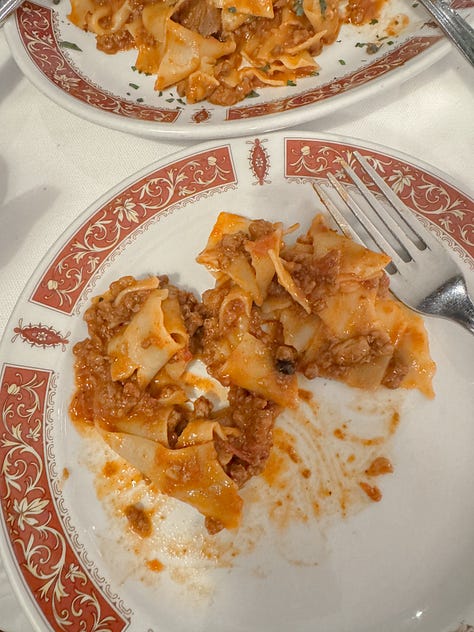
As for restaurants, I don’t feel it necessary to tell you the one we visited. Truly, every meal I’ve eaten in Florence at small, family-run places, I’ve left happy. If you’re looking for recommendations, feel free to DM me and I’m happy to share.
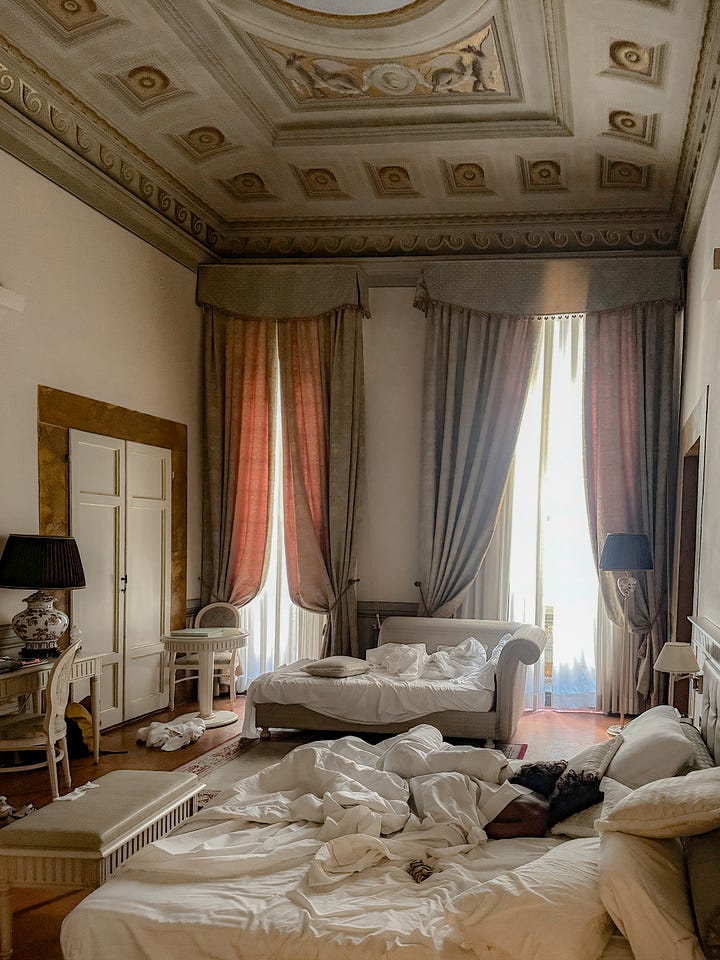
What I will recommend is the hotel we stayed in. It was pure magic. The ceilings were beautifully high with their fresco paintings, the staff was warm and helpful, and the whole experience was full of old-world charm that delighted both me and the kids.
Palazzo Guicciardini
📍Via Santo Spirito, 14, 50125 Firenze FI, Italy



Le Paris Noir with Kévi Donat
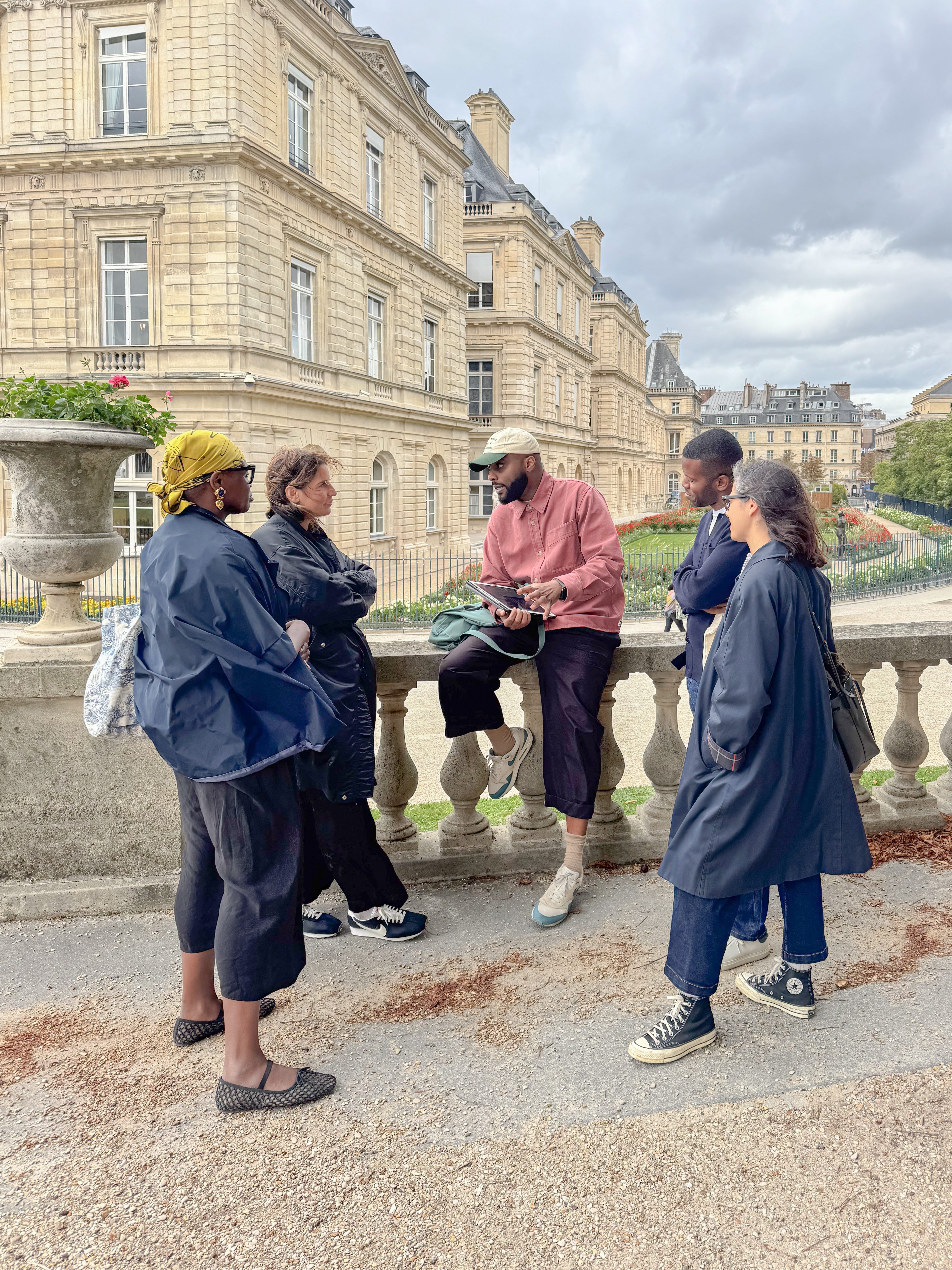
When I signed up for this tour with Kévi Donat, I expected a light afternoon learning about Josephine Baker and other famous Black figures in Paris. What I got was something far deeper and honestly, 100% better than I expected.
Kévi began by explaining the important distinction between “Black,” as it’s often used in the American context, and noir, as it relates to French identity and history. From there, he guided us through the complex cultural, political, and historical landscape of Black French people — not just Black Americans in Paris, but French citizens with family roots in Haiti, Martinique, Guadeloupe, and other DOM-TOMs (France’s overseas territories).
I came away with a whole new understanding of figures I had barely known about before, like the Nardal sisters, one of whom was the first woman of African descent to graduate from the Sorbonne, and together hosted a legendary literary salon that helped spark the Négritude movement. Also he introduced me to Gaston Monnerville, the first Black president of the French Senate, who nearly became the country’s first Black president and enlightened me a bit more about Alexandre Dumas (yes, that Dumas). The stories are layered and powerful, and Kévi brings them to life with such clarity and care.
The tour is a walking experience, and each location becomes a jumping-off point for deeper conversations. Kévi is deeply knowledgeable, but also sneakily funny, warm, and engaging. It never feels like a lecture — more like an invitation to see Paris through a different lens.
He offers the tour in both French and English, and I’m already looking forward to trying his other walks, including one focused on women in Paris and another exploring the Rive Droite.
You can learn more or book a tour here.

Seasonly: A “Slap-n-Tap” I’ll Happily Pay For
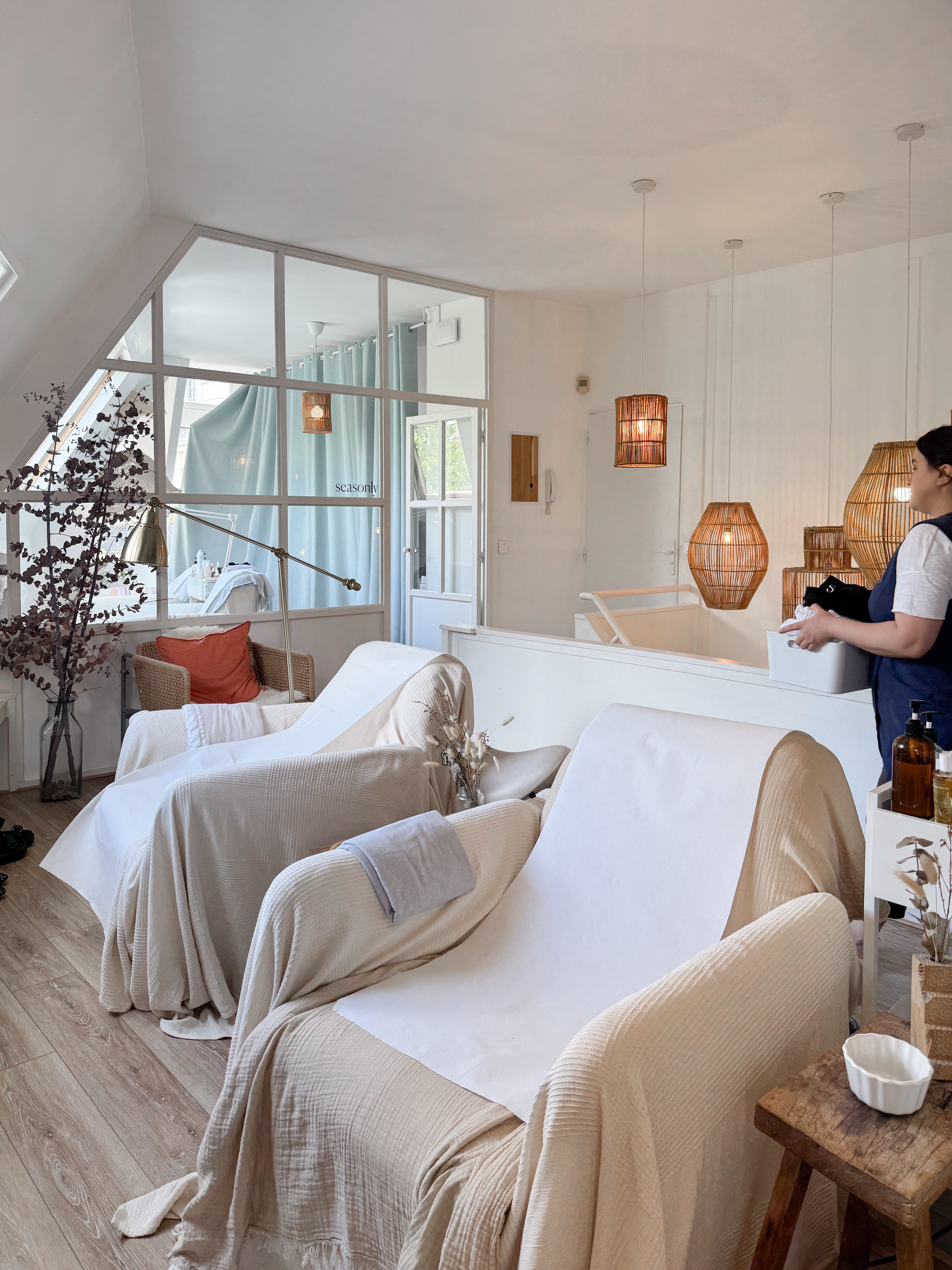
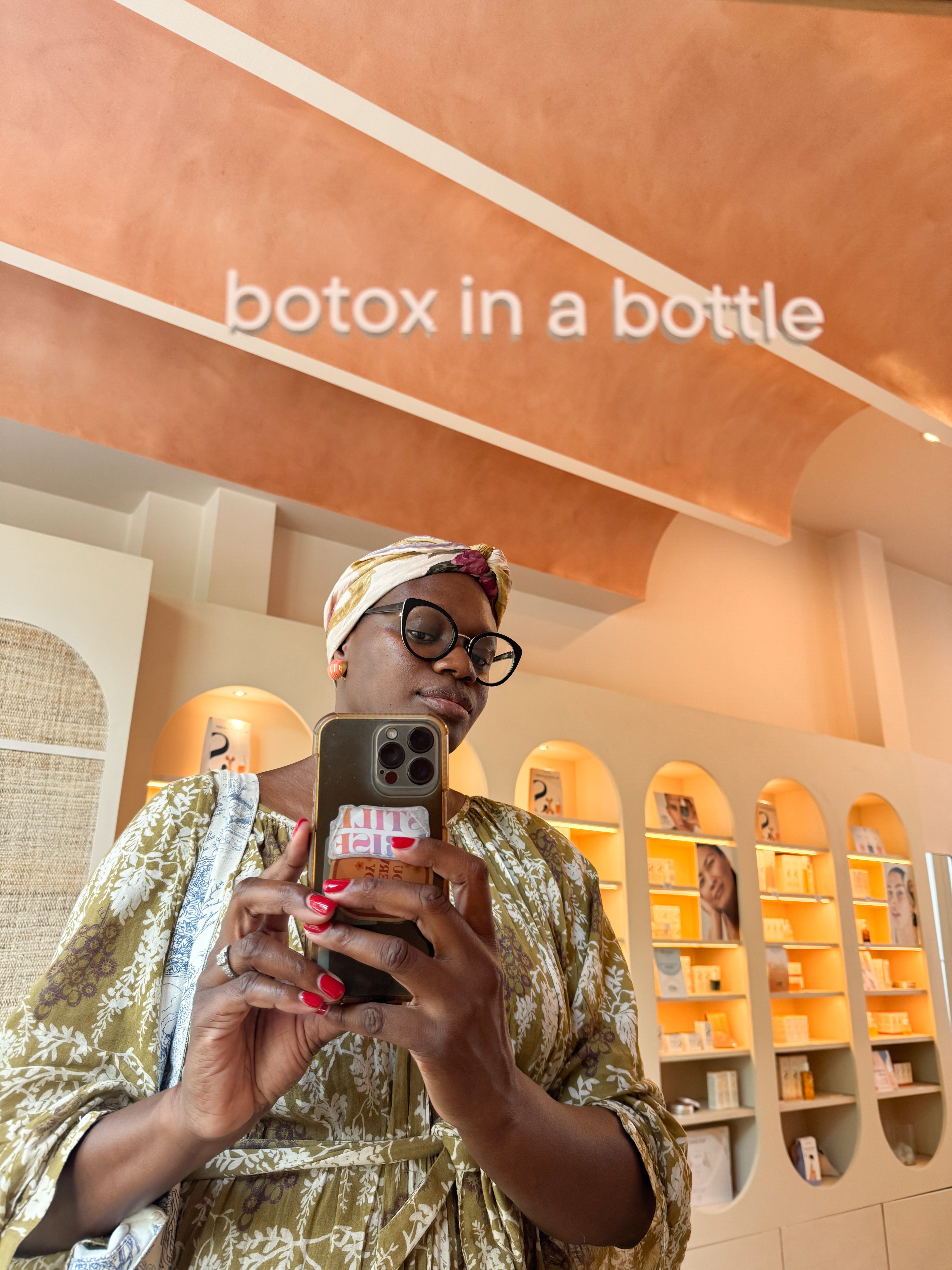
A friend gifted me the 1-hour soin personnalisé from Seasonly a year ago, and I finally used the gift certificate...only to turn around and gift the same facial to three other friends. That should tell you everything you need to know about how much I loved it.
First of all, I appreciate that they don’t overwhelm you with a million options. It’s simple: you choose a 30-minute or 1-hour facial. Unless you’re seriously pressed for time, go for the hour. Trust me.
They massage, cleanse, and sculpt your face… and by sculpt, I mean the classy, Parisian version of a face slap. Yes, there’s a bit of slapping and tapping involved, but it’s intentional and strangely invigorating. It wakes up your nerves, your skin, and possibly your entire soul. I loved it!
I’m curious to explore more of their skincare products, but one thing is certain: I’ll be booking this face “slap-n-tap” before any major shoot or event. I highly recommend it. (And they don’t refer to it as this at all. This is just the name I refer to it in my head).
Seasonly
You can see all the locations, products, and book an appointment here.

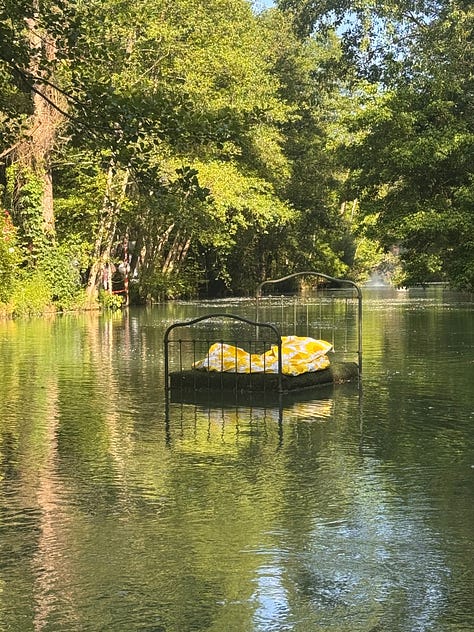

Moulin Jaune
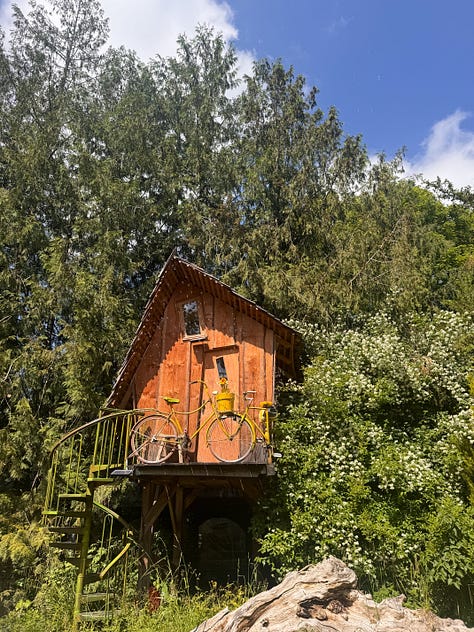
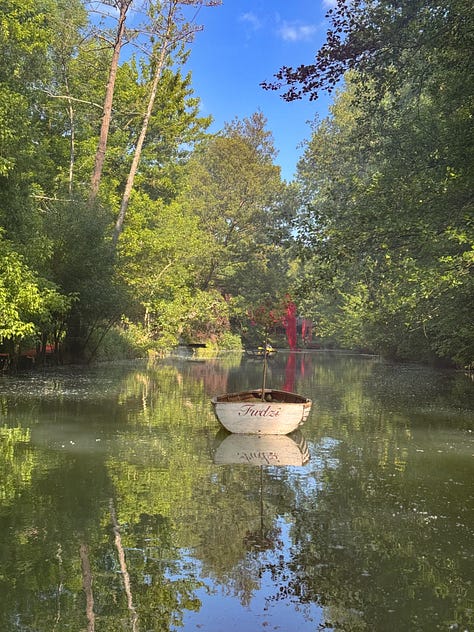
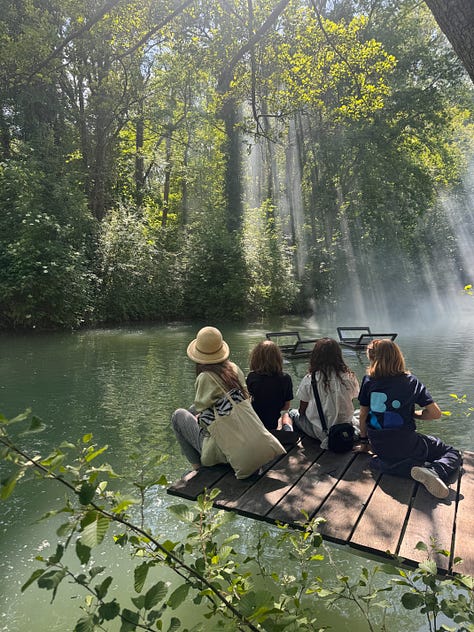
I won’t say too much about Moulin Jaune, the whimsical garden-laboratory created by Russian clown and performer Slava Polunin, because my friend Nessy already wrote the perfect article about it, which you should absolutely read here.
What I will say is: follow them on Instagram, bookmark their site, and next spring or summer, gather a few friends, throw on a kooky outfit, and hop on the train to Crécy-la-Chapelle, an hour and a half outside of Paris. You’ll need to plan ahead, since it’s only open on select dates for themed weekend events.
One thing I noted on our visit was that there are kiosks serving food on site, but more seasoned visitors brought their own picnics and blankets. We just ate what was there, which was fine, but next time we’ll pack a picnic.
You’ll spend the afternoon wandering through what feels like the set of Alice in Wonderland. It’s surreal, playful, and completely unforgettable.

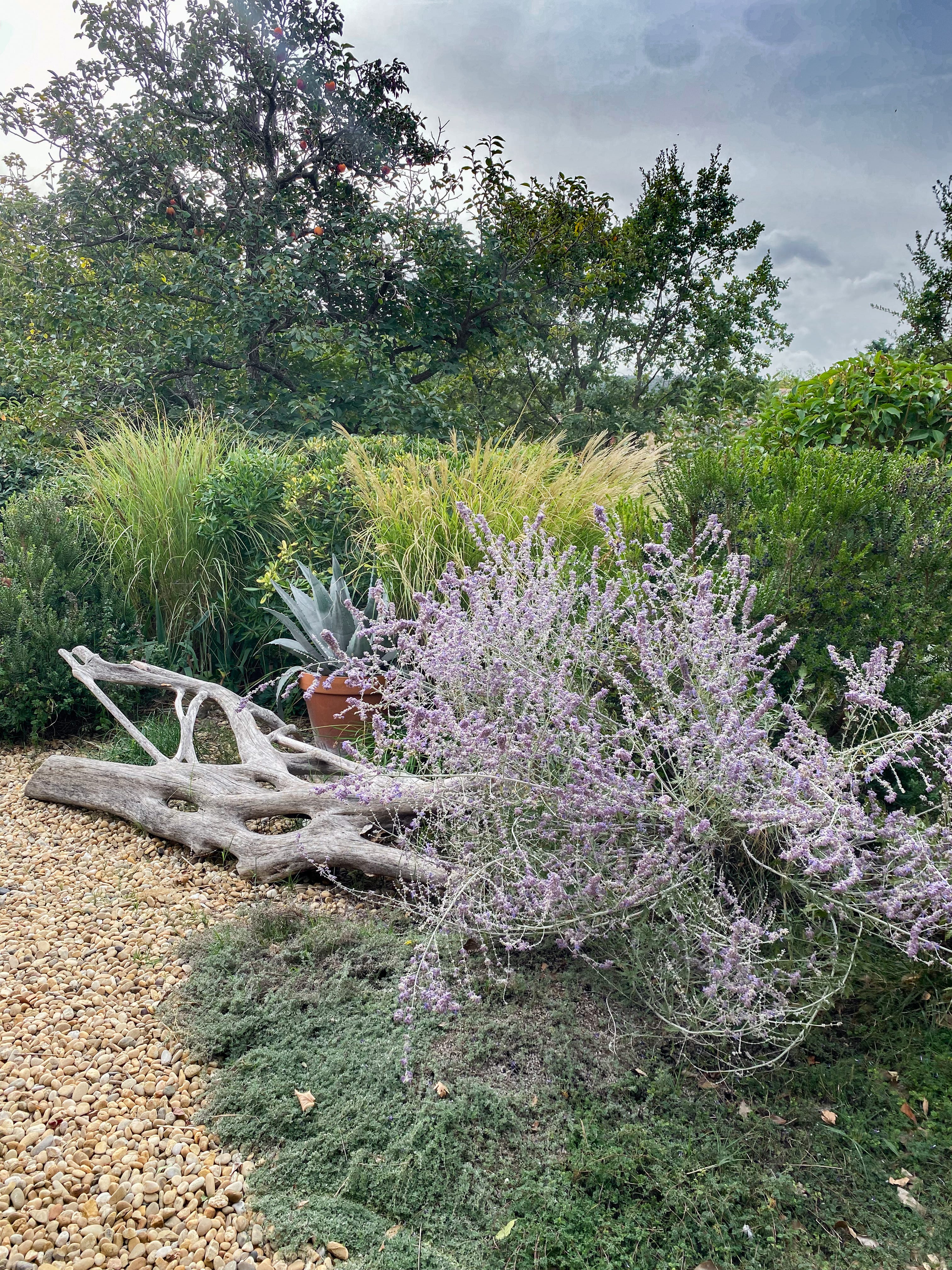
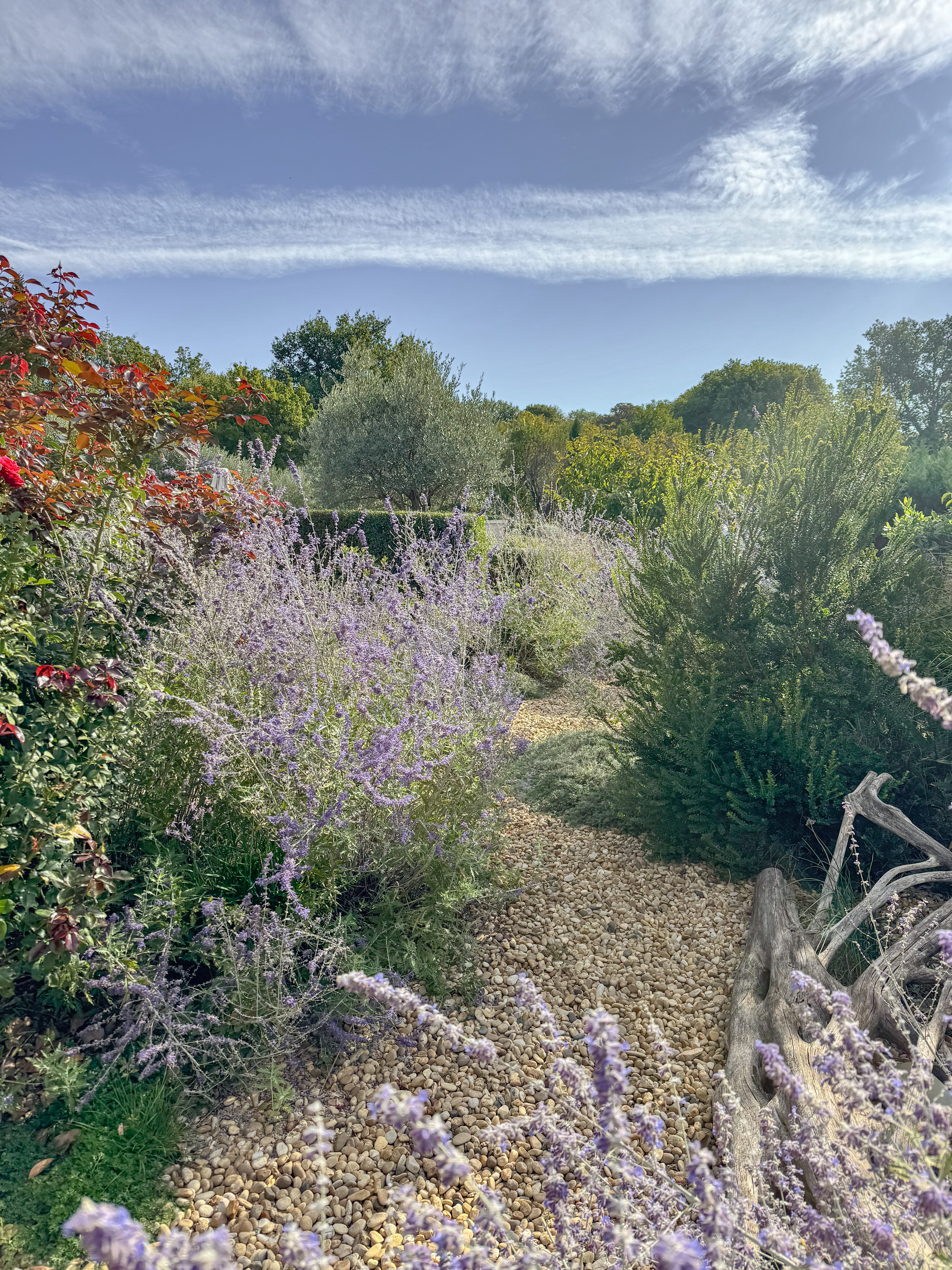
Every October, I notice soft purple-blue bushes blooming all over the Luberon in Provence. For years, I assumed it was a variety of lavender still holding on through the cooler months.
It turns out it’s Perovskia, also known as Blue Spire, Afghan Sage, or Russian Sage. I love that it fills the landscape in fall, just as the famous lavender fields fade away. While visitors flock to Provence in summer for the lavender bloom, by August it’s long gone, and Perovskia quietly steps in to carry the mood into autumn.
With its silvery stems and feathery flowers, it brings that same dreamy palette and texture, giving the region a soft, fragrant glow well into October. It is a lovely seasonal surprise and I regret not bringing some back with me to see how it dries.

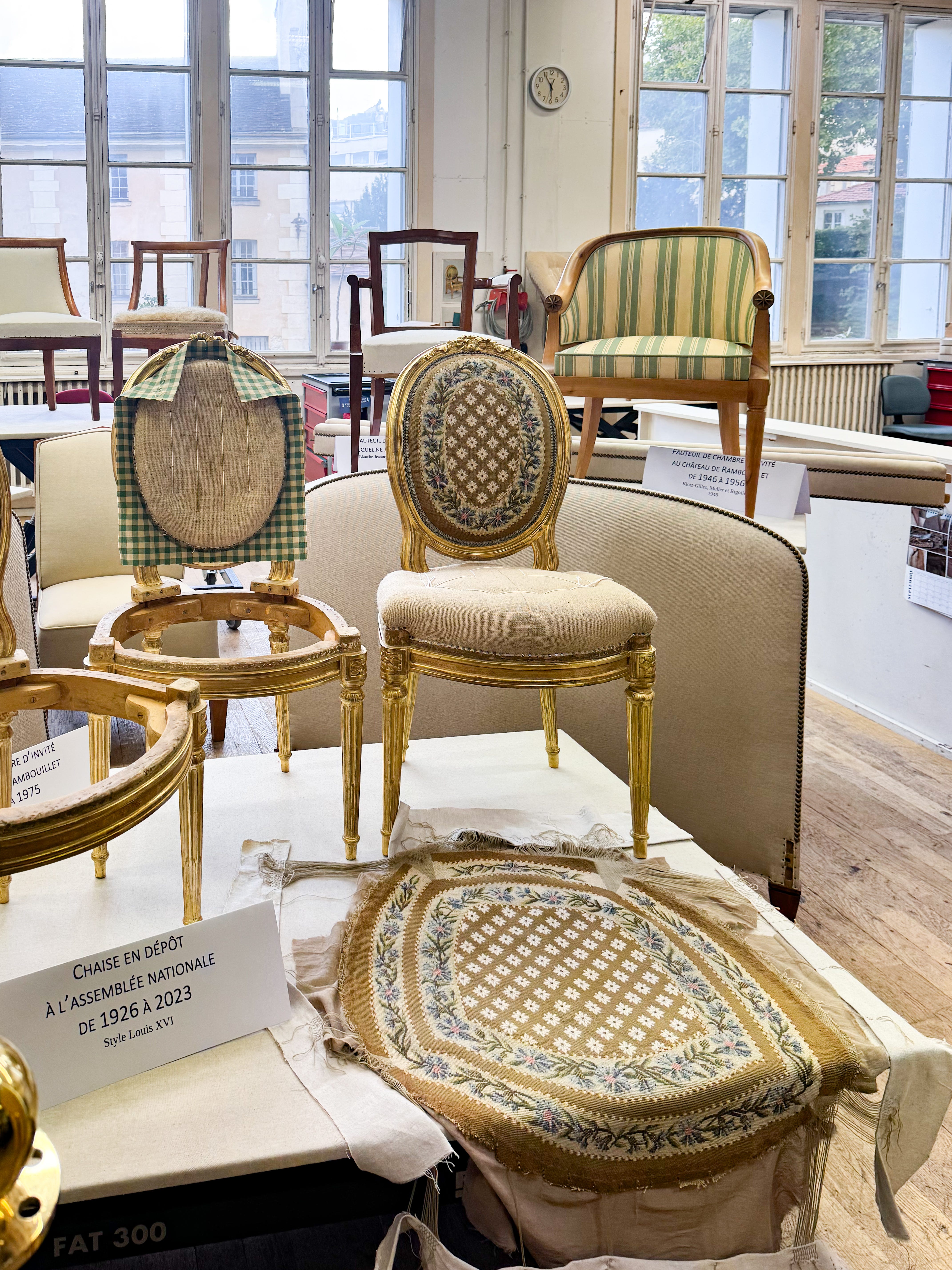
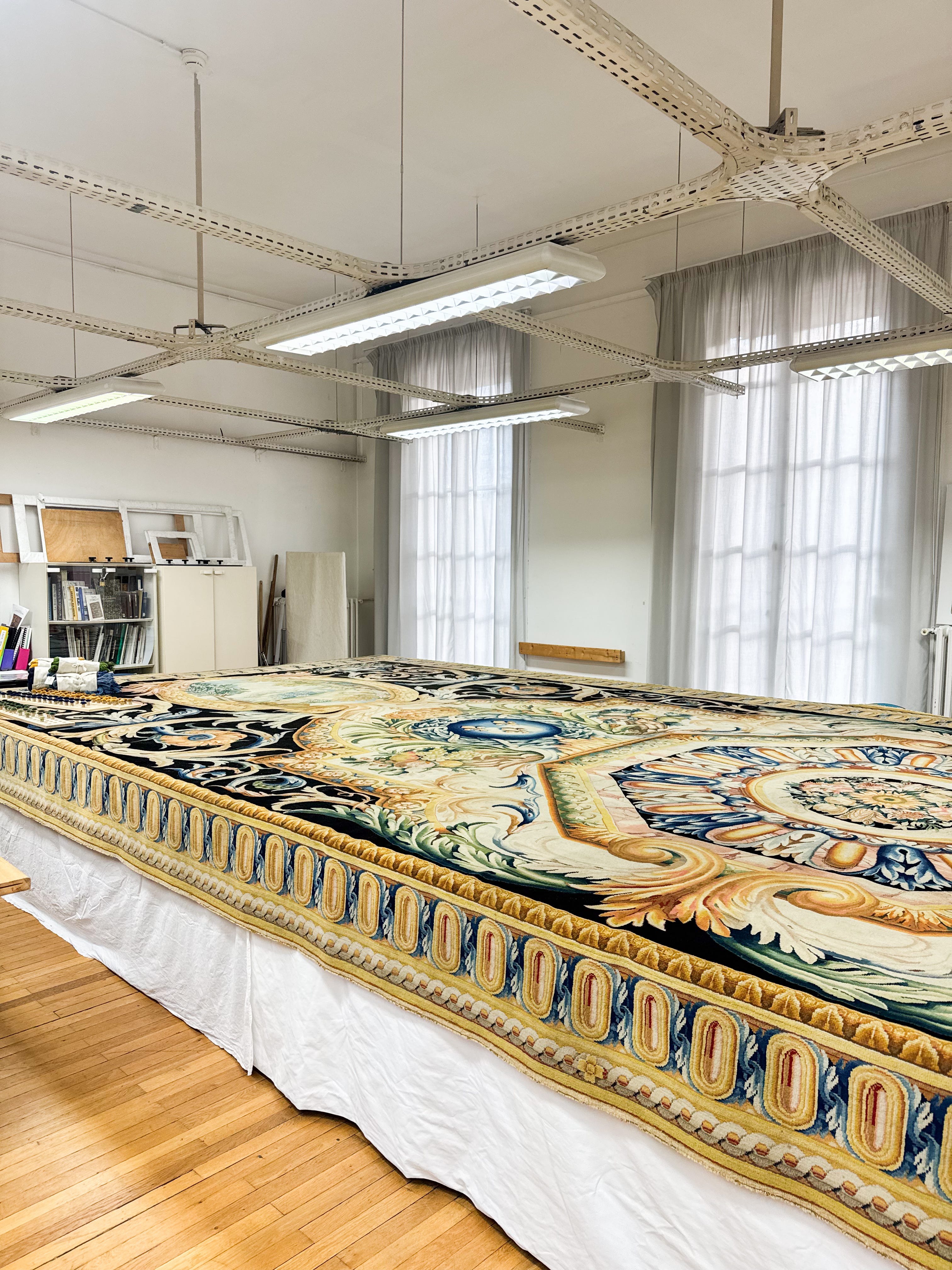
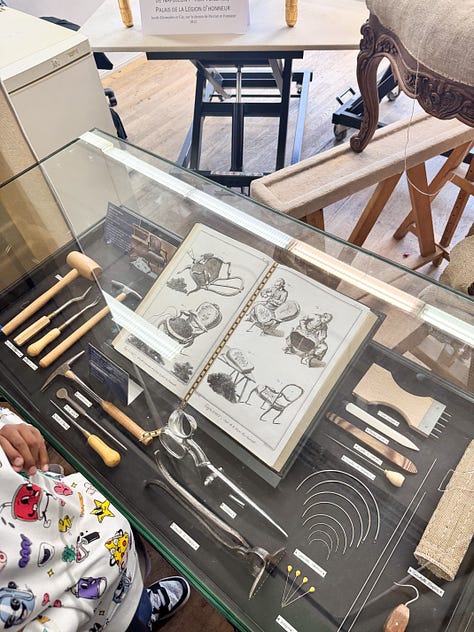
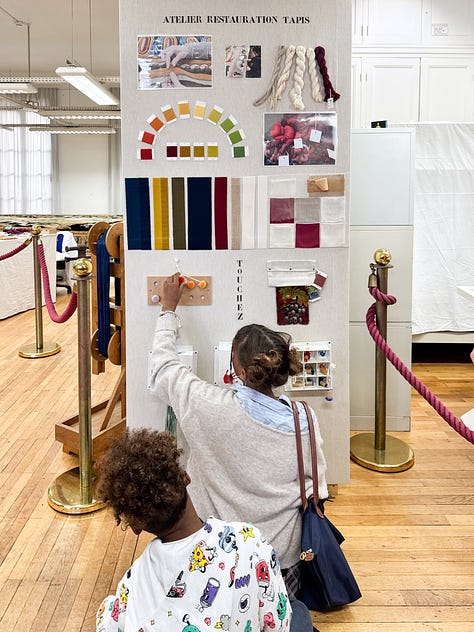
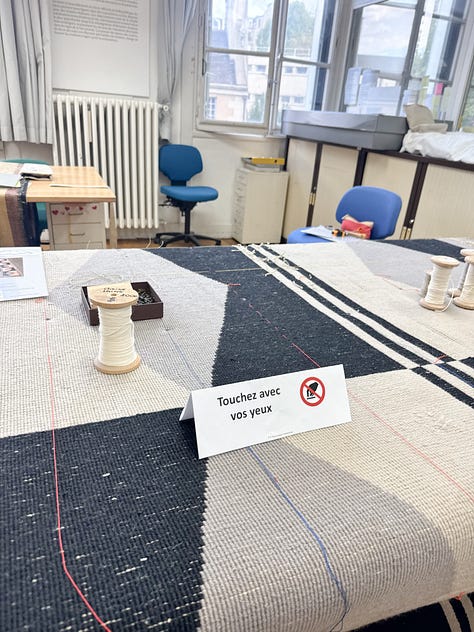
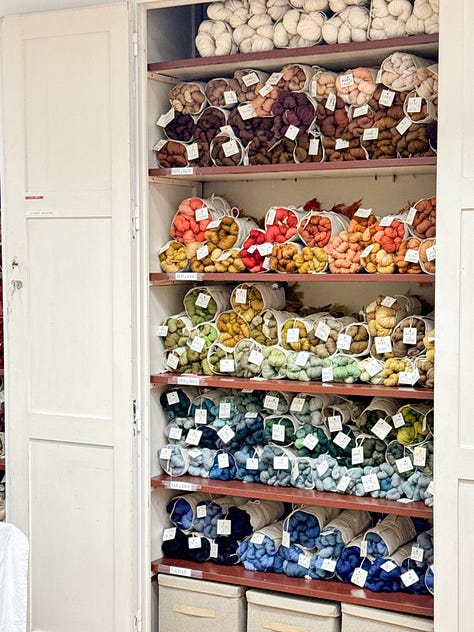
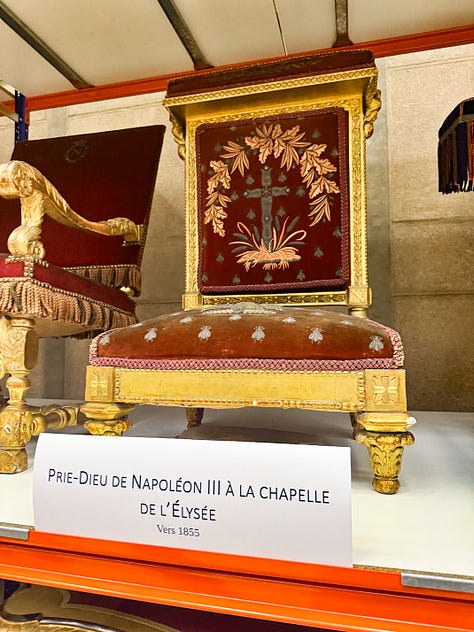
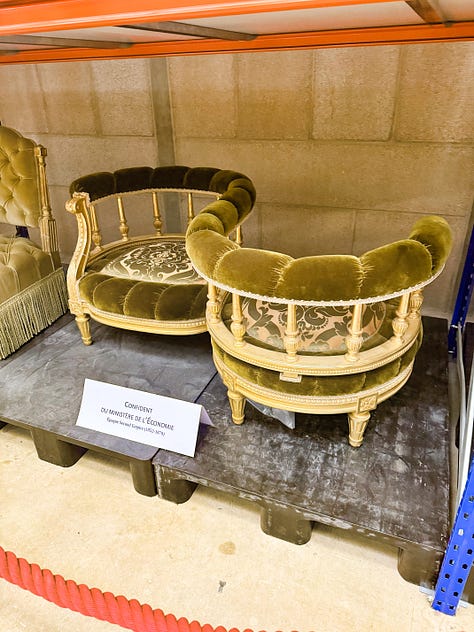
This past September, I took part in Journées du Patrimoine, the annual heritage weekend when historic sites across France open their doors to the public for free. Mobilier National was at the top of my list, and the one I strategically convinced my kids to wait in line for. One hour was about their limit, but it was worth it.
Mobilier National is an extraordinary institution with roots going all the way back to 1604, when King Henry IV appointed a royal steward to manage and care for the crown’s most precious furnishings. Later formalized under Louis XIV in 1663 as the Garde-Meuble de la Couronne, it now operates under the Ministry of Culture and continues to oversee the preservation, restoration, and design of furniture and decorative arts for state buildings across France, from presidential palaces to embassies and ministries.
Its network includes the well-known Gobelins Manufactory, which specializes in tapestry production and restoration, as well as the Sèvres Manufactory, dedicated to porcelain and ceramic arts. Together with several other national workshops and schools, they form part of the Manufactures Nationales, a public hub promoting excellence in heritage crafts and contemporary creation.
The scale of Mobilier National is impressive:
53 artistic crafts practiced in-house
7 restoration workshops
Over 330 skilled technicians
A collection of more than 540,000 objects, plus 110,000 drawings and documents
600+ active sites across France where its pieces are in use
And over 15,000 wool colors used in its textile work
Since 1964, Mobilier National has also supported contemporary design through its Atelier de Recherche et de Création (ARC). Originally launched by André Malraux, the ARC commissions innovative furniture for state use based on designer drawings. Legendary figures like Pierre Paulin, Andrée Putman, and Ronan Bouroullec have all collaborated with ARC, blending traditional techniques with new technologies.
Other popular sites during Journées du Patrimoine include the Élysée Palace, Hôtel de Ville, Banque de France, the Senate at Palais du Luxembourg, Grand Rex, and even many of the embassies. Many of these require free advance tickets and can have long lines, so I recommend choose just one or two visits per day, do a little research ahead of time, and wear comfy shoes.
Mark your calendar for next September 19-20, 2026, start your planning early, and if you have little ones, bring backup entertainment for the queue.




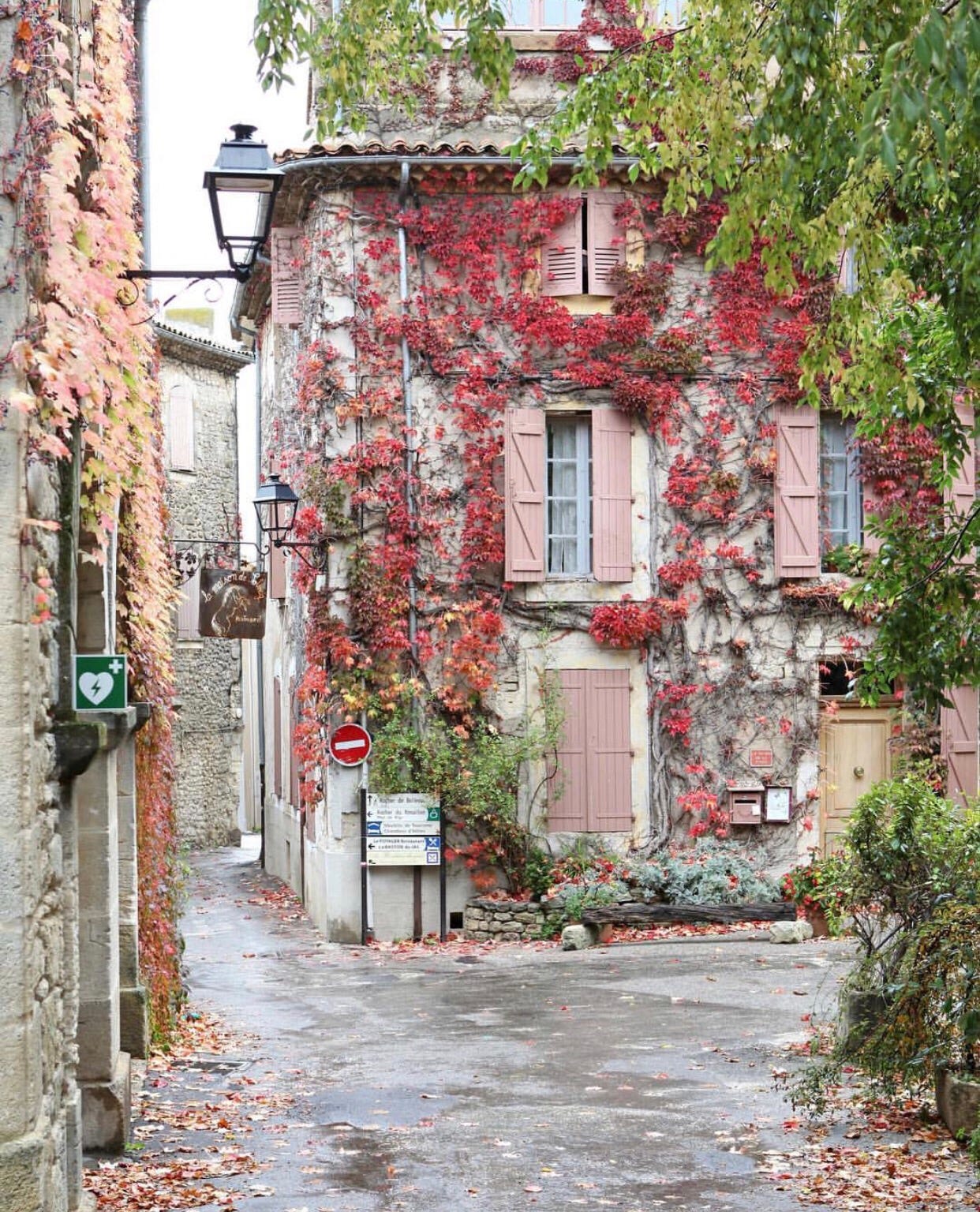
Lately, my joie du moment has been these sunny but crisp autumn days. I love when it’s bright outside but still cool enough for coats and sweaters. The fall colors, the golden light and just being a flâner with no real plan. I am all about that simple seasonal joy and savoring every bit of it.

David Lebovitz’s new book, a revised edition of Ready for Dessert, is out now and available here or wherever books are sold. I had the privilege of tasting some of the treats while he was photographing (and even sneaking my hands into a few of the shots). I can’t wait to bake some of the recipes at home for my very sweet-toothed children.
I really hope this story from my New York Times is correct about the end of beige and the rise of pastels.
The “New Romantics” episode of the CHANEL Connects podcast featuring Lauren Collins and the artist duo Gerard & Kelly had me scribbling notes the whole time. They spoke about how art and culture can open your eyes to something you never knew existed and then change you forever. That idea is very present in what I’m exploring in my new book.
I also loved their conversation about the freedom that can be found in solitude. I’ve realized that I truly thrive during solo writing and reading retreats, and I’ve also come to accept that I’m an ambivert. This idea really resonated with me. Lili Barbery also reflected on something similar in a recent newsletter.
This summer, I was craving juicy fiction for lounging by large bodies of water, and The Sicilian Inheritance by Jo Piazza delivered. It’s a murder mystery wrapped in a multi-generational family saga set in Sicily.
I loved it so much that I immediately picked up her other novel, Everyone Is Lying to You, which follows a tradwife influencer accused of killing her husband. Naturally, that sent me down a rabbit hole, and I started listening to Jo’s podcast Under the Influence from the very beginning, all the way back to 2021. If you’re curious about the rise of mom bloggers and influencer culture, those early episodes are worth the deep scroll.
Off to enjoy what’s left of this Fall day and will be back soon to share a hotel in Aix-en-Provence and Croatia for paid subscribers.
Comments
Nothing yet. Say the first thing.
Sign in to join the conversation.