
The first half of the movie year tends to suck. That’s a bit of an overstatement (and perhaps an overreaction to my stronger-than-usual disappointment with the first half of 2025), but the truism that “all the year’s good movies wait to be released in the fall” is a truism for a reason. There are rules and regulations to movie release dates: tentpole blockbusters hold their release dates until the summer season—when days are longer and kids are out of school—while heavyweight dramas premiere only after September, when studios are primed to tour their awards contenders just before Academy members submit their ballots. This is why January and February—known as “dump months” because of how studios shunt off movies into theaters that they otherwise don’t know what to do with—are regularly the weakest movie months of the year. There are always exceptions: Silence of the Lambs and Black Panther both went on to commercial success and Oscar wins despite their February release dates; so too did last year’s March-released Dune: Part Two garner acclaim at the box office, awards season, and my own best-of-the-year list despite itself. But by and large, these trends tend to hold true all the way through early Spring.
Ever since starting Airplane Mode a little more than three years ago, I’ve posted a “Best of the Year So Far” list every June. The point, of course, is to sum up the successes and failures of the first half of the movie year, and to provide a list of the best we’ve seen so far. But as I’ve become further enmeshed in the world of film, the more I’ve begun to notice just how scrappy these midyear lists are when compared to their year-end counterparts. Yes, there’s been a surprise or two amid the typical onslaught of franchise fare and live-action Disney remakes, but they’re the same surprises in active discussion by everyone inside and out of the industry.
With that in mind, I’d like to try something a bit different at this point in the midyear. Rather than recommending films on a level of critical analysis, I’d like to discuss them by importance: to investigate which of this year’s movies (and miniseries; more on that later) best capture the present moment of the movie industry, which represent their future, and which are relics of the past.
Over the three years of this blogging-into-the-abyss exercise I’ve called Airplane Mode (why did I call it that again?), the less interested I’ve become in writing straight-up film criticism: I am increasingly less interested in writing solely about my own interests. Or perhaps it’s just that I’ve refined and clarified what my interests are in the first place. What I want, above all, is a robust moviemaking and moviegoing economy in which artists may produce films of their own interest, where audiences of all kinds can find something to enjoy. The list below is an attempt to see which trends are helping and hindering that utopian vision, and to what extent.
A couple of notes before I begin:
Despite this post’s release date (June 30), I’m focusing here on the first six months of 2025, meaning January 1 - May 31. That means no talk of notable June-released films like F1, 28 Years Later, Materialists, or Elio. (Maybe I’ll write about it soon! Subscribe to Airplane Mode! Share it with your friends!)
This post focuses on the American box office, and thus will not include an entry on Ne Zha 2, the second in a series of animated Chinese films that has grossed over $2.12 billion worldwide, making it far and away the highest-grossing movie of the year. The declining influence of American cinema on the Chinese box office (and the rise of China’s own self-contained dominance) is a known trend, and it’s here to stay. What I am interested in—and what this post is about—is Hollywood.
On with the list!
I mentioned earlier how the stretch between January February are regularly the worst movie months of the year, and while it’s true that studios release their expected underperformers in these early months, the key caveat is that they are expected underperformers. Movie studios, despite their utter belief in their own abilities, do not have a crystal ball that predicts box office hits, and they occasionally miscalculate a Dumpuary send-off or two.
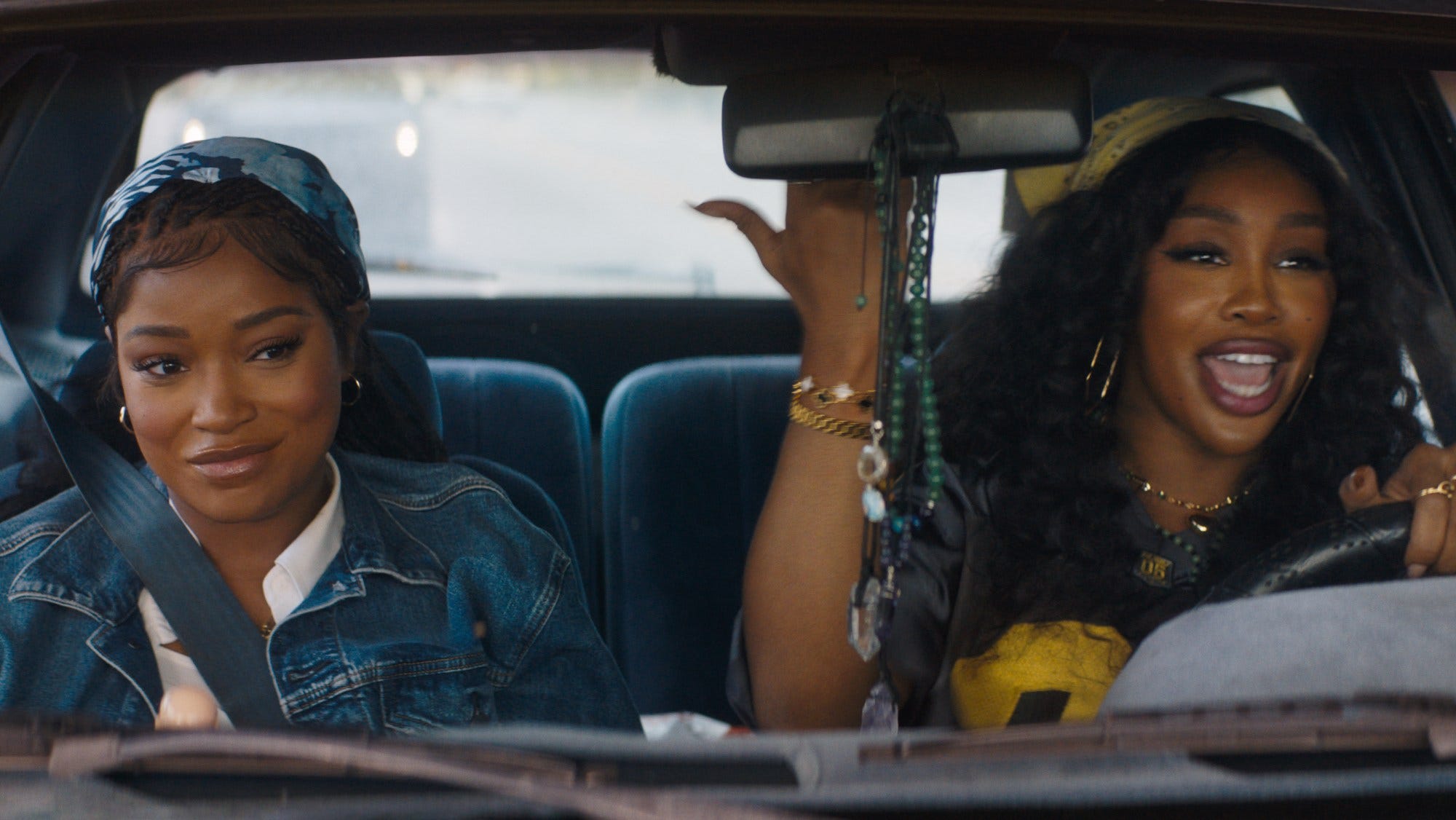
One of Them Days is a star-driven original comedy set with raucous specificity in the Baldwin Hills neighborhood of Los Angeles, and it is exactly the kind of mid-budget romp that rarely gets a wide release anymore. The film follows a hectic day in the life of roommates Dreux (Keke Palmer) and Alyssa (SZA, in her screen debut), whose desperate scramble for $1,500 worth of rent money takes them on a wild goose chase across the streets of South L.A. The script, by Insecure alum Syreeta Singleton, is a tried-and-true comedy premise elevated by her detailed familiarity with the largely Black (but gentrifying) communities of Baldwin Hills. Lawrence Lamont likewise directs the film’s tremendous collection of funny people (Kat Williams, Lil Rel Howery, and Aziza Scott being particular standouts) with the space and simplicity they deserve, giving One of Them Days a quotidian charm that was so common in the stoner comedies of the late 2000s.
One of Them Days grossed a little over $50 million on a $14 million budget—a tremendous achievement at a time when films made at this low-to-mid-budget range are increasingly absent or relegated to streaming services. It would be easy to take the cynical route here and argue that this is the exception to the rule of franchise dominance, but I’m choosing to be hopeful. One of Them Days made a buck because filmmakers and stars were given a modest budget and a chance to cook. If only studios would invest the tiniest bit more into star-driven comedies—and unlearn the myth that Black-led films are “unbankable”—then maybe we can give oddball comedies like this one—and actors like Keke Palmer—the starmaking power they deserve.
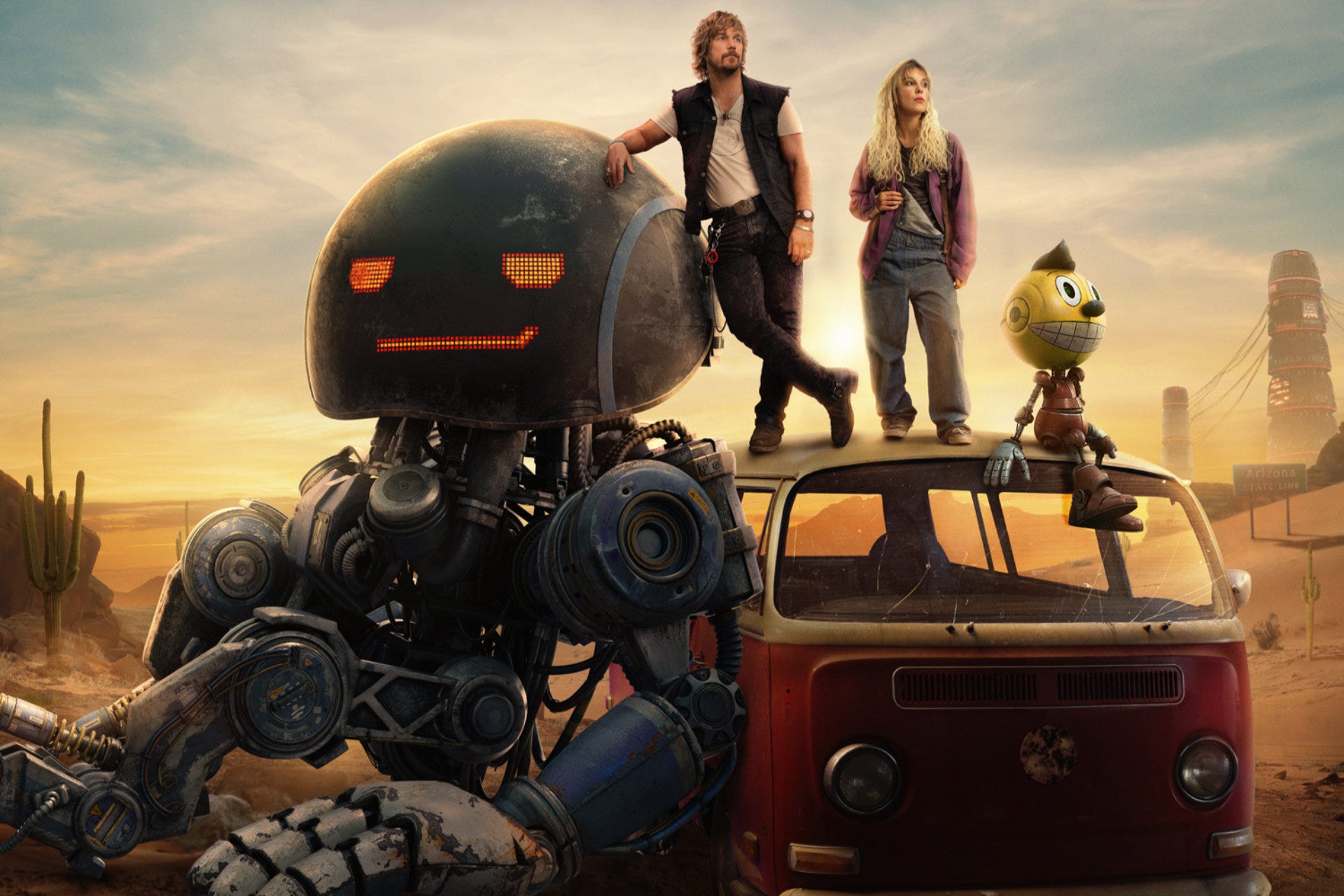
The notion of a streaming-only blockbuster has never made sense. If you’re going to invest $200 million+ into a sci-fi epic with movie stars and oodles of CGI, why wouldn’t you try and recoup some of that investment by releasing it in movie theaters? Netflix, which has been pumping out megabudget mediocrity almost every year since the release of 2017’s Bright, has yet to give a substantive response to this question. It also hasn’t stopped them from churning out blockbuster slop like The Gray Man, Red Notice, and 6 Underground: action films designed to be watched whilst folding laundry.
As such, it’s impossible to separate these movies from the context in which they were made, and if The Electric State—the most recent example of this kind of Netflix nonsense and the second to be directed by the Russo brothers—had cost something like $50 million, I’d hardly be offended. But The Electric State cost $320 million (let me repeat that: $320 million) to produce. To put that number in context, Avengers: Infinity War, also directed by the Russos, cost an estimated $325 million, which it made back in over $2 billion at the global box office. Comparatively, The Electric State, which cost about the same, made $0, because it was never released in theaters.
That’s a somewhat unfair comparison, given that Infinity War was the product of a decade-plus of franchise worldbuilding, but I can’t manage to get over just how expensive The Electric State is in comparison to its seeming total lack of cultural impact. I haven’t heard anyone discuss this film outside of film critics complaining about its uselessness, which I suppose makes sense for a movie that was designed to be watched in the background. But this laundry-folding movie (whose meager, empty plotline isn’t worth discussing here) cost 320 million USD.
You might try and point out that the film debuted at #1 on Netflix, or that it garnered just under 20 million hours viewed in its first five days of release. That is, you could point that out if you didn’t account for the fact that both Rebel Ridge and Carry-On—both of which cost less than one-seventh the cost of The Electric State—debuted with over 25 million hours viewed and 43 million hours respectively.
I’m not here to say that Netflix is a force for evil and that streaming services are ruining cinema, particularly because both Rebel Ridge (a very good movie) and Carry-On (which is entertaining enough) are themselves evidence enough that Netflix can, when it wants to, be a force for good in this world. But Netflix is also possessed of an imperial mindset: a company intent on bringing each and every genre in the world under its banner of total entertainment. If The Electric State is anything to go by, that mindset extends into blockbuster slop, and it won’t be leaving anytime soon.
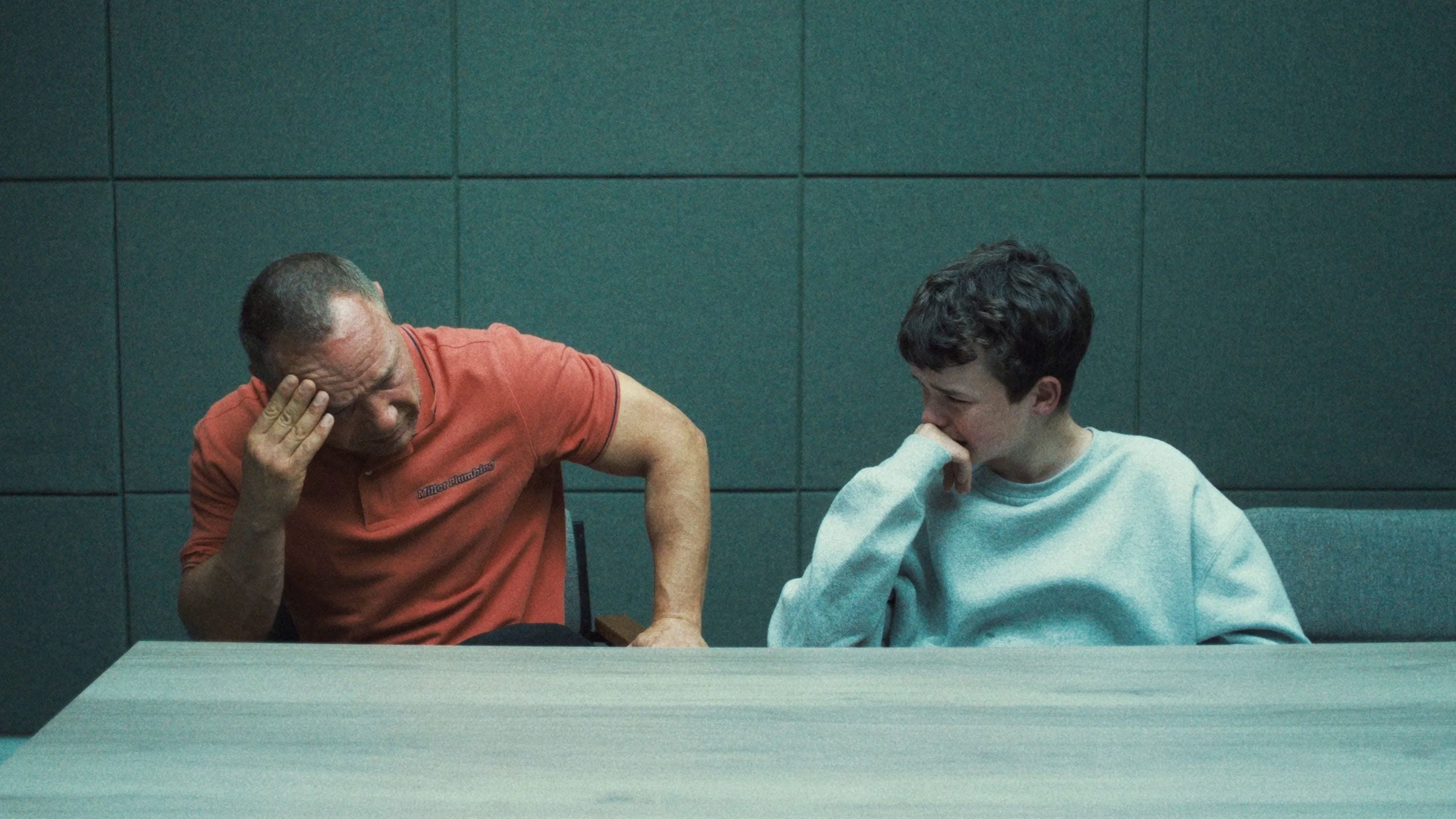
Now, Adolescence is a miniseries, which makes it a very confusing entry on a movie list, but I’m including it for two reasons. The first is that it is the third original, high-quality miniseries—after Beef in 2023 and Baby Reindeer in 2024—to have gone viral on Netflix in as many years. That’s a significant metric at a time when entertainment media regularly proclaims the death of originality in filmmaking, and particularly because Adolescence—like Beef and Baby Reindeer once again—centers on a discomfiting subject matter and portrays it with impressive elan (in the case of Adolescence, a manosphere-inspired murder of a 13-year-old girl by a boy the same age.)
The second (and more important) reason to include Adolescence on a list of movies is that it is very good. And not just good as a story told across four episodes, but good specifically in how it uses the filmmaking form. Each episode of Adolescence is shot in the form of a single continuous take, wherein every action is recounted to the audience in real time as the camera flits from character to character, location to location, in a marvel of technological wizardry.
The one-shot movie has been done before, but none have executed the strategy with quite so much raison d’etre as Adolescence. Director Philip Barantini, who conceived of the series alongside writer Jack Thorne and writer-star Stephen Graham, manages to blend cinema’s transportive abilities with the immediacy of live theater, and the effects are felt in each of the show’s four acts of hour-long wonder.
For awards and marketing purposes, Adolescence will always find itself lumped under the category of television, and while it’s not hard to understand why (it is episodic in format, and clearly intended for home viewing), I’m not convinced that’s the best categorization. By using the format of the miniseries, Adolescence has a fixed start and end point (like cinema) which in turn provides it with a determinacy that allows a directorial vision to rise to take primacy (also like cinema). This kind of fusion between writing and directing is almost always reserved for film, but Netflix and other like-minded streaming services have been steadily shifting this paradigm for the past decade.
I think it’s time to consider the miniseries within the same realm as the 90-minute movie—something I’m saying for myself as much as anyone else. As filmmaking talent increasingly floods the televisual space, I’d like to suggest that film critics and awards bodies begin treating the miniseries as closer to cinema than to that of recurring TV series. An Academy Award for Best Miniseries, perhaps?
The 2010s were powered by two gargantuan engines of blockbuster filmmaking: Marvel movies and the live-action Disney remake. The power of those movies are still felt to this day, although less so than they once were. Marvel particularly so: Its 2025 films Thunderbolts and Captain America: Brave New World have failed to clear $450 million globally, a low for the sky-high Marvel standard. Disney remakes are doing better—Lilo & Stitch, released back in May, is nearing $1 billion globally—but there was also the mired-in-controversy Snow White, which was a total dud. (It is also one of the worst movies I have ever seen in my life. Save yourself.)
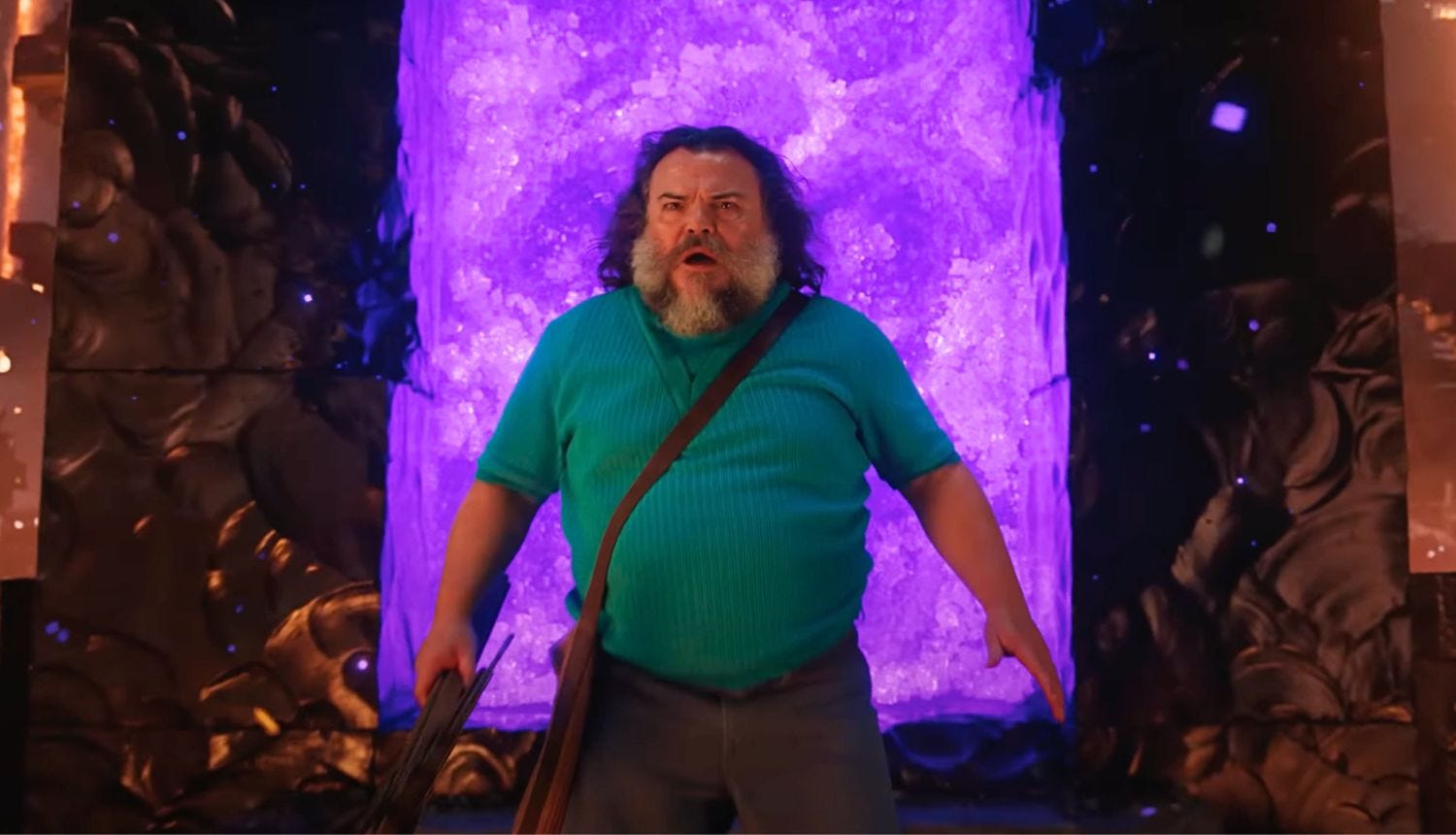
As the influence of the Walt Disney Corporation continues to wane atop Mount Hollywood, new powers are vying for the throne. A Minecraft Movie, based on the best-selling videogame of all time, is currently the highest-grossing movie of the year at the domestic box office, and represents the kind of movie that I believe will become king in the years to come. I’m not just referring to videogame adaptations here, although those are certainly coming in vogue. I’m referring more generally to first-time IP productions like Barbie, F1, and The Super Mario Bros. Movie: films that take a well-known public product and give it the full Hollywood treatment.
That’s what Warner Bros. did with A Minecraft Movie, which is directed by Jared Hess (the small-town Idahoan behind Napoleon Dynamite and Nacho Libre) and starring Jack Black and Jason Momoa. I don’t find very much appeal in A Minecraft Movie’s ugly CGI landscapes, nor its collection of butt-humor jokes delivered to the tune of Momoa’s high-pitched screech, but the 13-year-olds who raided movie theaters just to hear Jack Black sing about lava chicken got their parents to shell out $950 million worth of ticket sales.
That’s a good thing. It’s easy to say that the best films serve both the interests of children and adults alike, but that would also be ungenerous to the young dorks who turned this videogame adaptation into a Rocky Horror Picture Show-like interactive sensation. If you haven’t heard of the “Chicken Jockey” phenomenon, just know that middle- and high-schoolers briefly turned The Minecraft Movie into a communal space in which they could yell that phrase at the screen whilst throwing popcorn raucously in the air. It’s a sign that Gen Z and Gen Alpha are claiming cinema for themselves—and an indication of the kinds of niche-audience films that will overtake our multiplexes in the coming years.
And sometimes, a movie just hits.
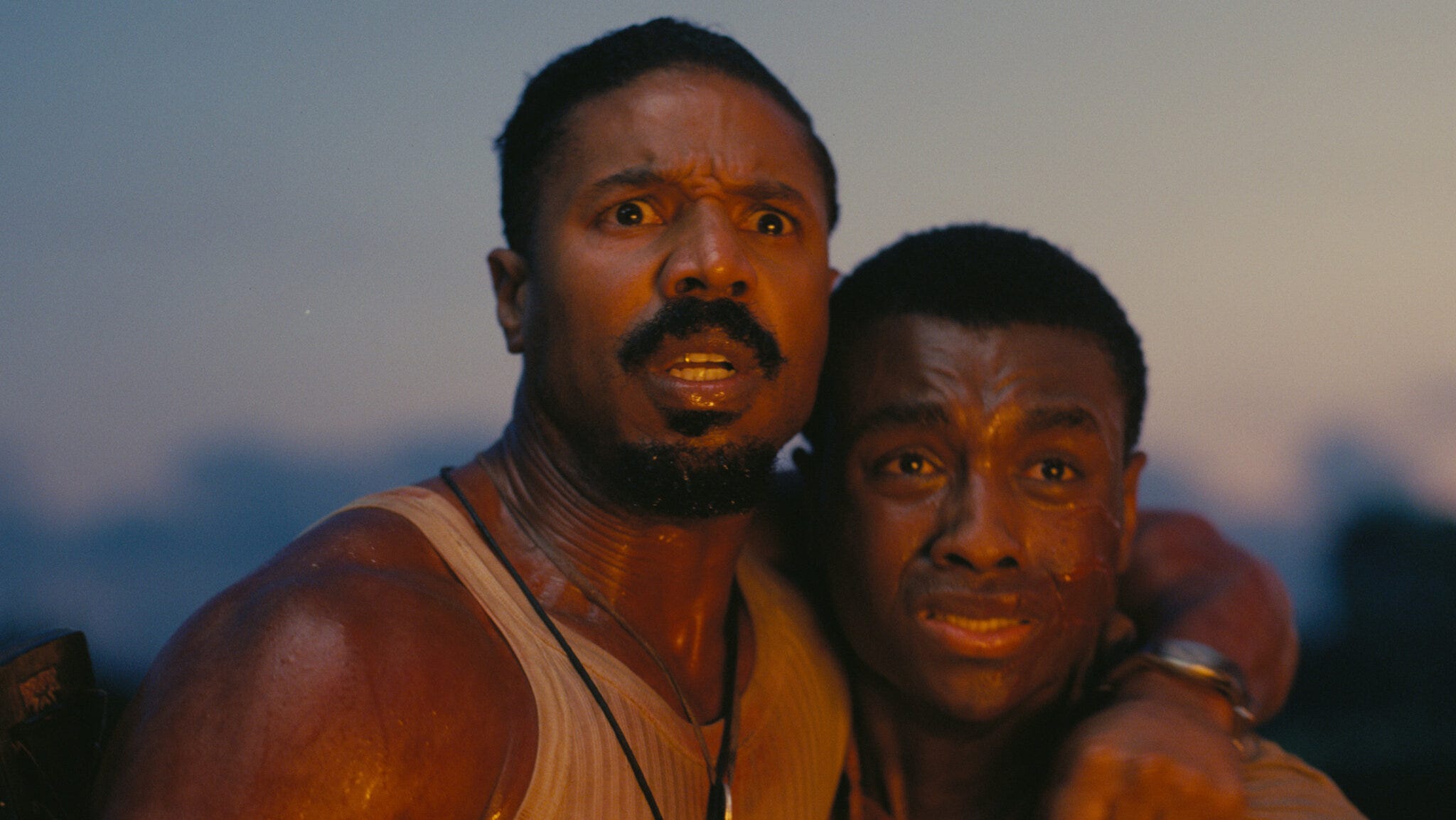
A Deep South period drama, a Delta blues musical, and a doom-metal vampire movie all rolled into one, Sinners delivers upon the promise of original filmmaking genius that writer-director Ryan Coogler gave with his 2013 debut Fruitvale Station. This is Coogler’s fifth film, yet it’s only his second non-franchise film: besides Fruitvale, he has written and directed Creed (a boxing drama set in the Rocky universe) and the superhero films Black Panther and its sequel Wakanda Forever. The success of these movies have made Coogler far and away the most profitable filmmaker under 40, and while plenty of them have maximized his talents to great effect (Creed in particular), there’s always been the question of what madness Coogler might be able to cook up if he were given the chance to make something straight from his own mind.
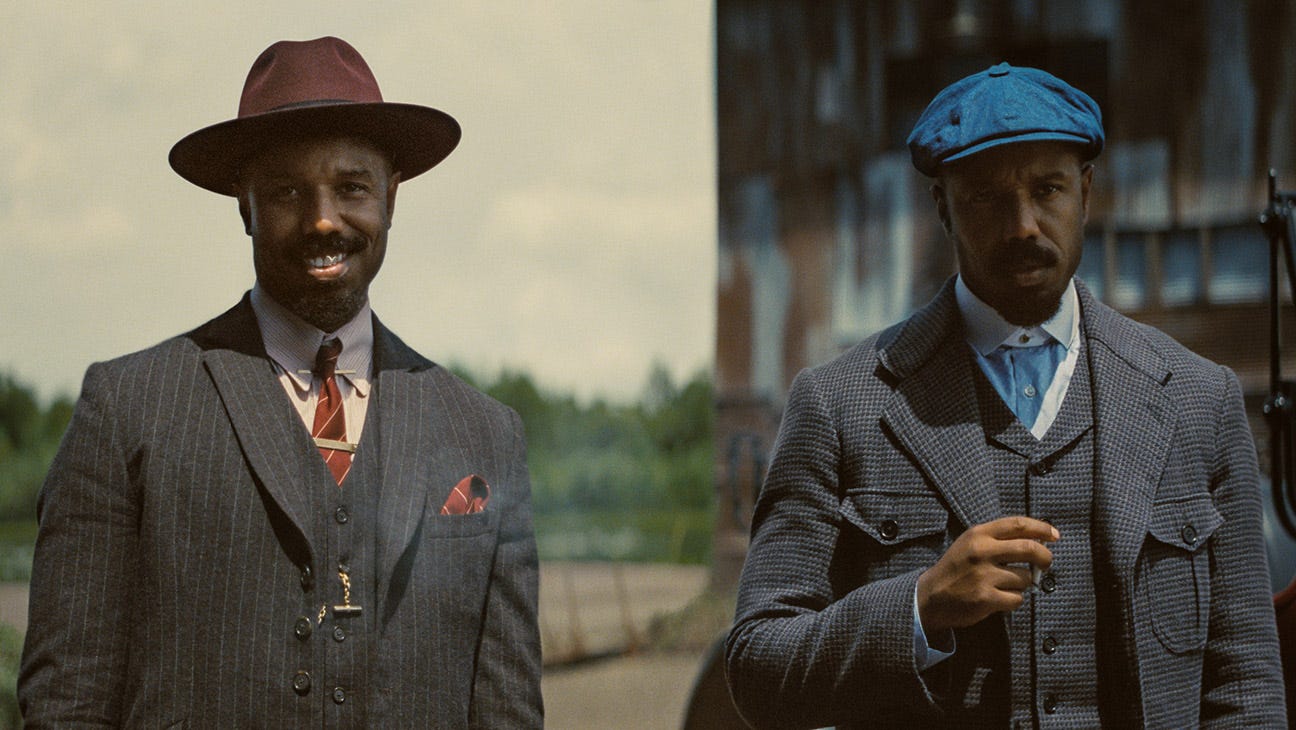
Mike De Luca and Pam Abdy, co-CEOs of Warner Bros. Pictures, were the forces who championed and brought Sinners into production, and it’s magnificent. Here is a film that takes full advantage of Michael B. Jordan’s genuine movie star charisma by casting him in the dual role of identical twins “Smoke” and “Stack” Moore, who return from to their hometown of Clarksdale, Mississippi after years of working with the Chicago Mob. Their goal upon returning home is to build a juke joint for Clarksdale’s Black community from stolen Mob money, and the first half of the film traces that set-up process in lush period detail. We follow Smoke and Stack on a recruitment journey in which they encounter a murderers’ row of actors including Hailee Steinfeld, Wunmi Mosaku, Delroy Lindo, and show-stealing newcomer Miles Caton. Their efforts result in a melting-pot musical community coursing with spiritual electricity—all of which falls into lusty chaos as Irish vampires descend upon them.
Sinners is a wicked blend of supernatural period horror and musical character drama, and it’s the best result that De Luca and Abdy have found in their risky 2025 movie slate. The two producers have this year funded an unusually large number of risky, high-budget original films by renowned filmmakers like Bong Joon Ho, Maggie Gyllenhaal, and Paul Thomas Anderson. The year didn’t start off great: Companion, Mickey 17, and Alto Knights were all misfires, in turn prompting the entertainment media to put out hit pieces about the failures of original cinema in the 2020s and the slog of IP cinema we would inevitably become subject to.
It was a beautiful stroke of timing that Sinners—which has grossed over $360 million worldwide, three-fourths of which came from the US—released less than a week after most of those pieces were published, and a testament to Coogler’s blockbuster filmmaking capabilities, Michael B. Jordan’s underrated movie star appeal, and Hollywood’s continual unwillingness to market films primarily at American audiences that Sinners became such a sensation. Thank God for that. The best film of the year so far is also one of its third highest-grossing. There may be vampires at the door, but moviegoing ain’t dead yet.
Thanks for reading Airplane Mode! This post is public so feel free to share it.
No posts
Comments
Nothing yet. Say the first thing.
Sign in to join the conversation.