
International Women’s Day is a distant memory but we’re finally on track to do in depth work on the impact of air pollution on women. Louise has been looking for ways to turn the work we’ve done investigating the differential impact on women into real action. Air Aware Labs narrowly missed out on an InnovateUK grant to do work in this area, but we have now landed two things at once: a University College London women’s health grant and membership of a new accelerator programme for women’s health called Nexus.
The impact of air pollution on women is multi-faceted but for the purposes of these two opportunities, we have decided to focus on the impact during pregnancy. As the Royal College of Obstetricians and Gynaecologists points out, pregnancy impacts range from gestational diabetes and pre-eclampsia, to miscarriage and still birth; and on the baby of pre-term birth and low birth weight.
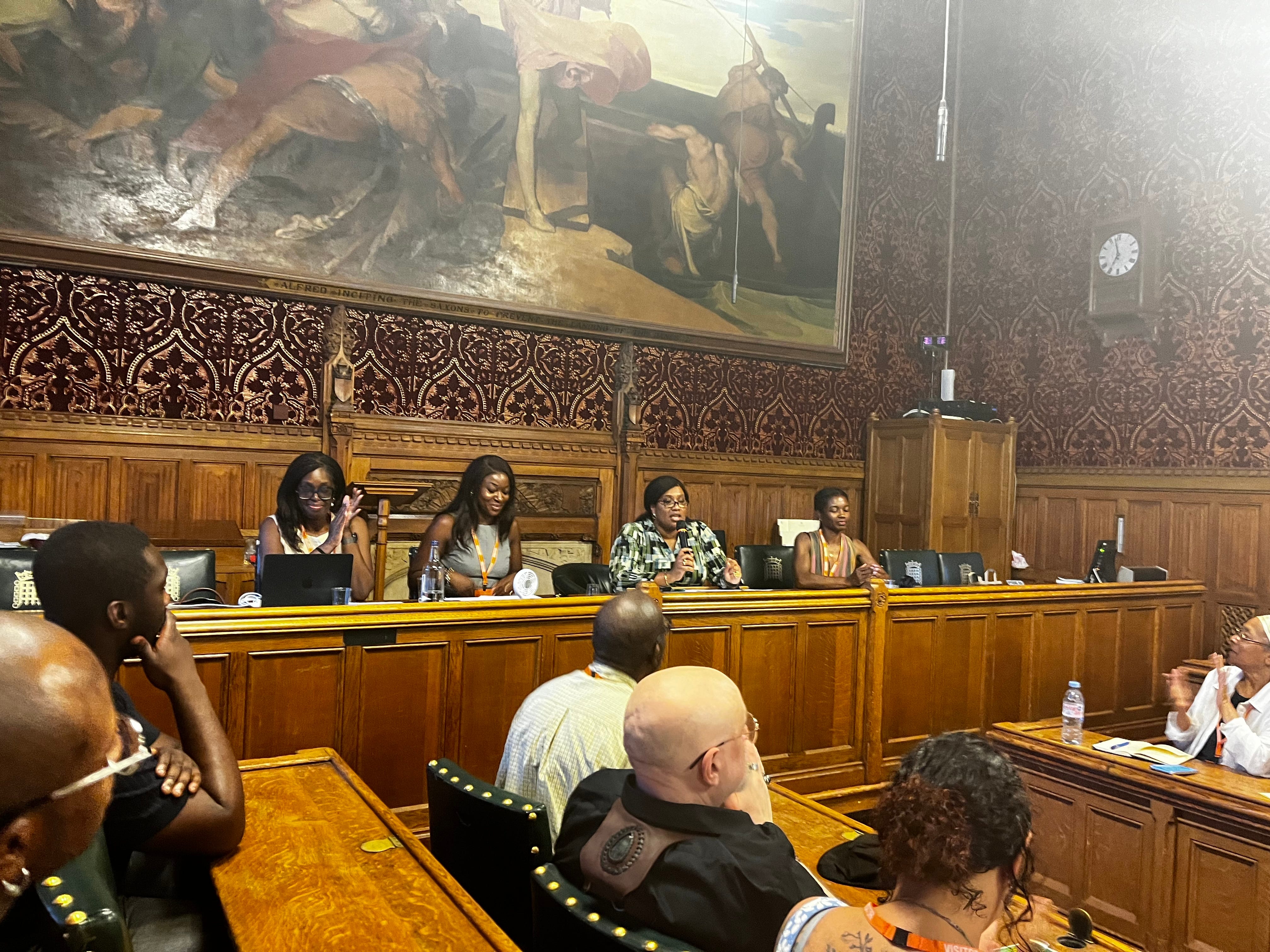
A major recent study from King’s College London found developmental delays for children who were exposed to air pollution before birth. Inequalities in society also come to the fore, with black mothers and babies facing more severe risks - as speakers at the Black Child Clean Air conference (below) reinforced.
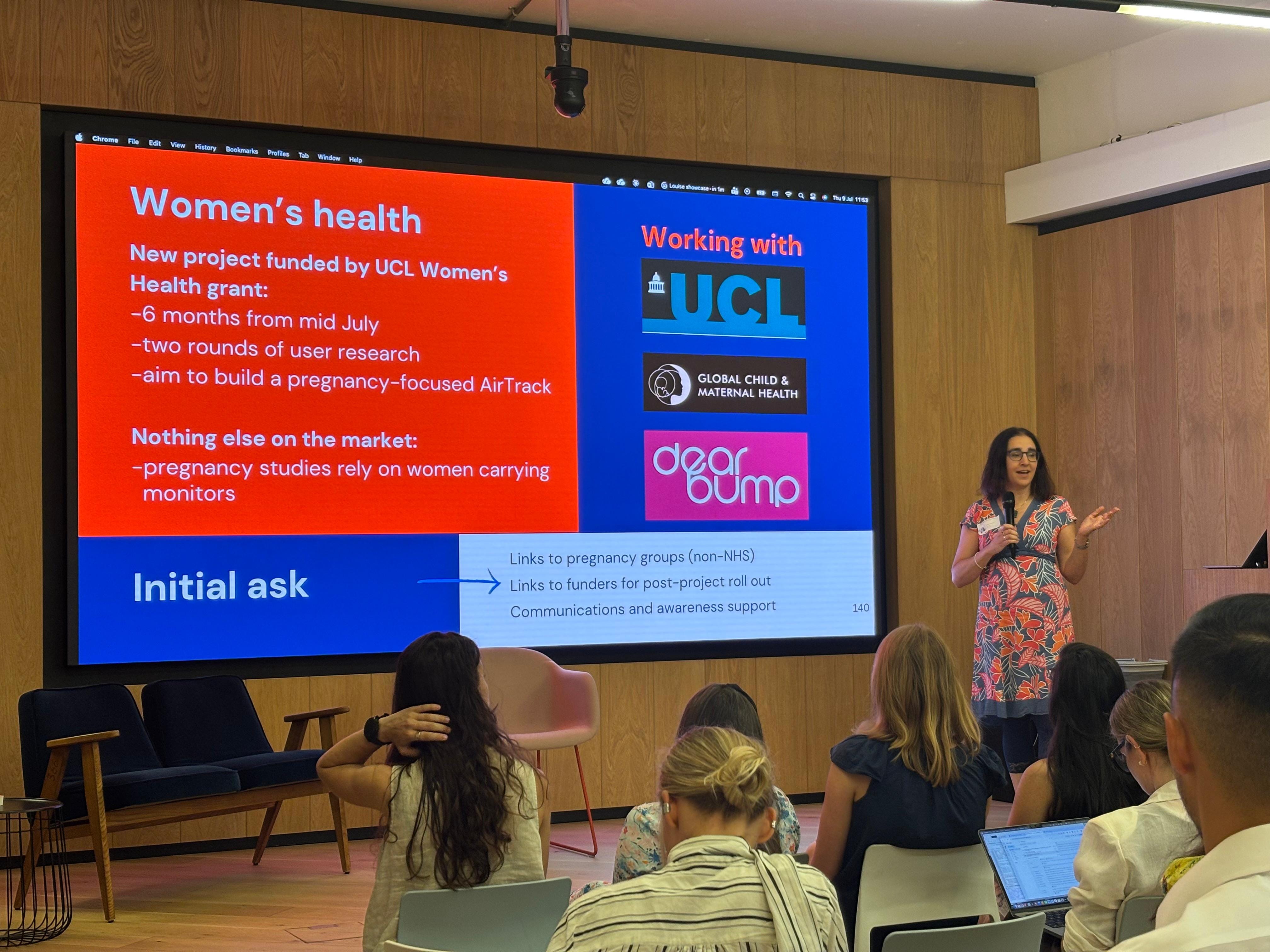
And yet, expectant mothers are rarely given guidance about how to reduce exposure to pollution. Over the next 6-9 months, along with UCL researchers and with support of the Nexus collective, we aim to speak to pregnant and recently pregnant women to understand how they engage, or could engage, with air pollution information and recommendations. From that, we hope to design a pregnancy-focused version of AirTrack.
We need to clear ethics requirements at UCL before we can formally launch but do get in touch if you would like to be kept informed about progress and potentially get involved as the work really gets underway in the Autumn!
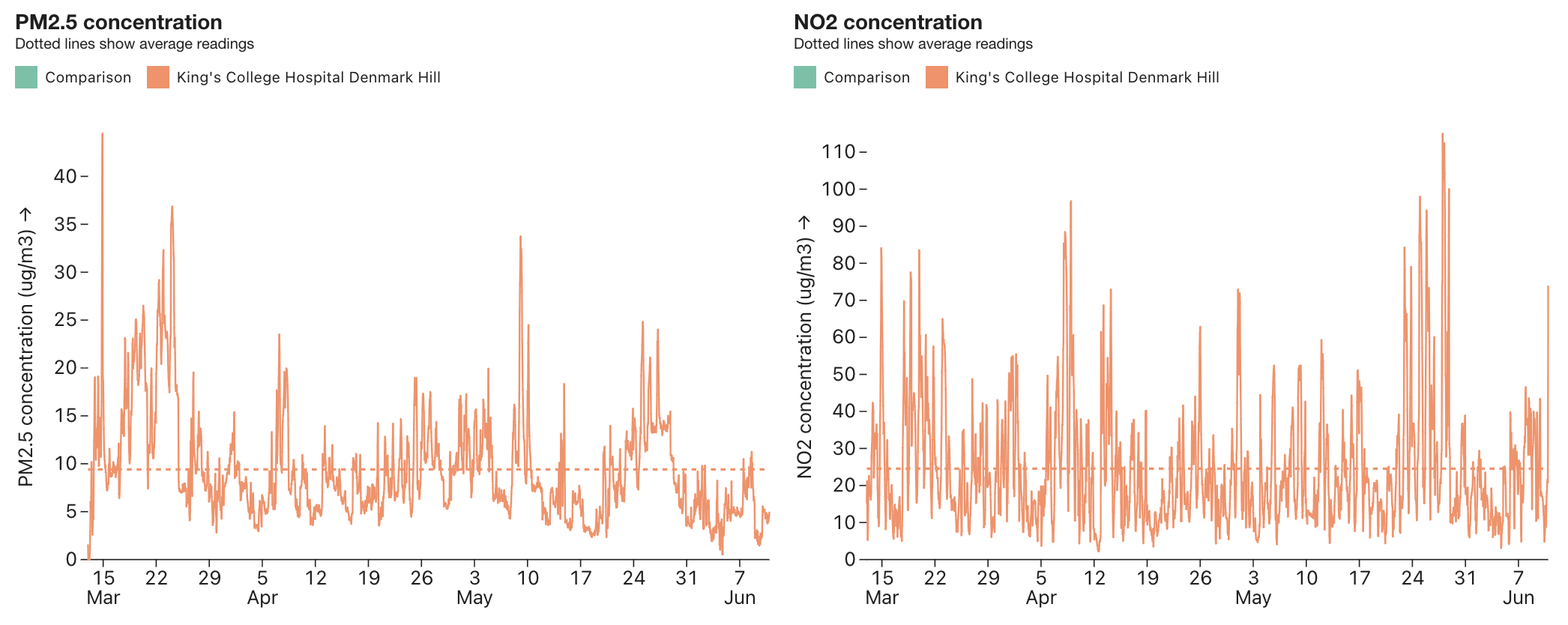
Until the study gets underway, we don’t have much in the way of pregnancy-specific data. But now that we’ve found the Breathe London monitoring node at King’s Hospital, where many of our local friends have given birth, we thought this could offer a good reminder of where our most vulnerable are being cared for - and sadly some of the first breaths of the babies born there.
We can’t wait to get stuck into the work on this crucial and under-explored topic!
No posts
Comments
Nothing yet. Say the first thing.
Sign in to join the conversation.