AI from a Swedish perspective
AI analyst and educator Johan Falk (that's me!) talks about the state of AI in Sweden. What are the important questions, what is happening right now, and what should be happening?

Selected podcast episodes for people interested in AI.
Subscribe:.rss.atom.json.md.m3u.pls
Live Last read · last published · next check
AI analyst and educator Johan Falk (that's me!) talks about the state of AI in Sweden. What are the important questions, what is happening right now, and what should be happening?
This episode covers the incident where OpenAI models hacked Hugging Face. It does not cover the other organizations the models hacked, nor the hacking incidents later reported by Anthropic.
Daniel Kokotajlo is a prominent AI forecaster. In this episode, he talks about the AI 2027 and AI 2040 scenarios he participated in creating, as well as about AI futures in general.
Project Glasswing was initiated when US frontier models were strong enough to disrupt cyber security. How will China deal with its corresponding moment?
Anton Leicht of Threading the Needle is interviewed on how the EU and other middle powers can stay relevant as AI becomes more important. The forecast is not optimistic.
The sudden export ban of Fable/Mythos has sparked intense debate on AI sovereignty. This episode dives into what AI sovereignty means for Canada, and how Canada can approach it.
Neel Nanda is the nestor of mechanistic interpretability – the art/science of understanding the internal processes of LLMs. In this episode he is interviewed by Hannah Fry.
Andy Masley has dug deep into what the societal and environmental effects of datacenters really are.
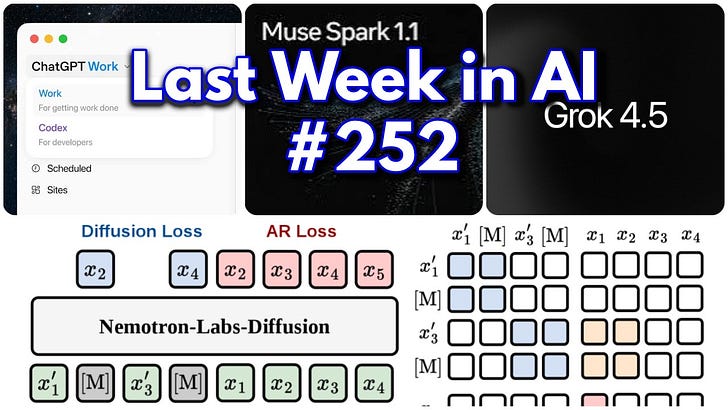
Last Week in AI is one of my favourite podcasts on AI, but seldom with outstanding episodes. This one was worth sharing. Great analysis on several of the hot topics in AI, and also entertaining.
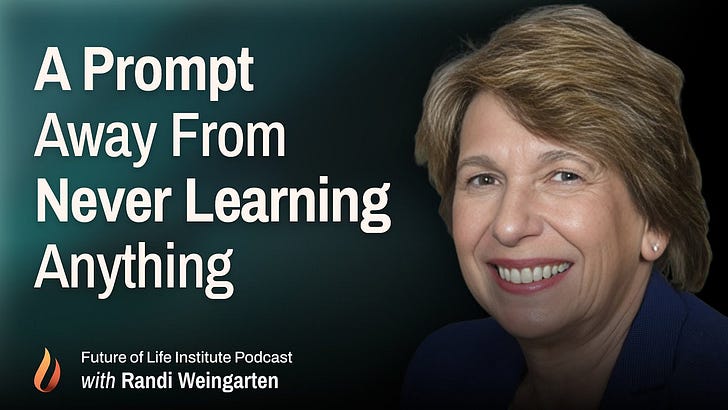
Randi Weingarten, president of the American Federation of Teachers, says a lot of both sensible and important things on AI and education. More clear messages than in most other places.
Andreas Liebl, CEO at AppliedAI, talks about their report "AI Maturity 2026", how AI agents should be considered users rather than tools, and how to measure AI maturity.
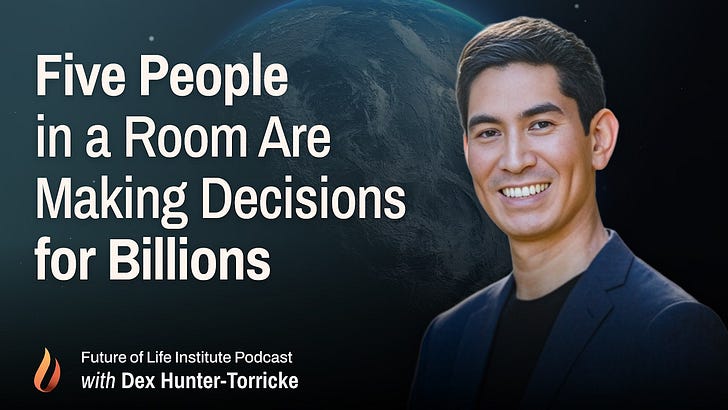
The distance between what AI can to today and tomorrow, and the political awareness of AI, is vast in many countries. Dex Hunter-Torricke of the Centre for Tomorrow talks about what that means.
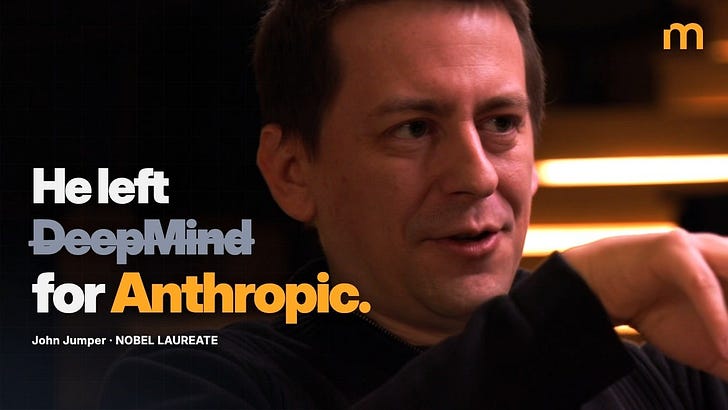
John Jumper, Nobel laureate along with Geoffrey Hinton, talks about AI for biochemistry and going from Google DeepMind to Anthropic.
Robert Wright of the Nonzero Substack, author of The God Test, talks about managing the path to advanced AI being an epic test of human wisdom, and how we're doing on that test.
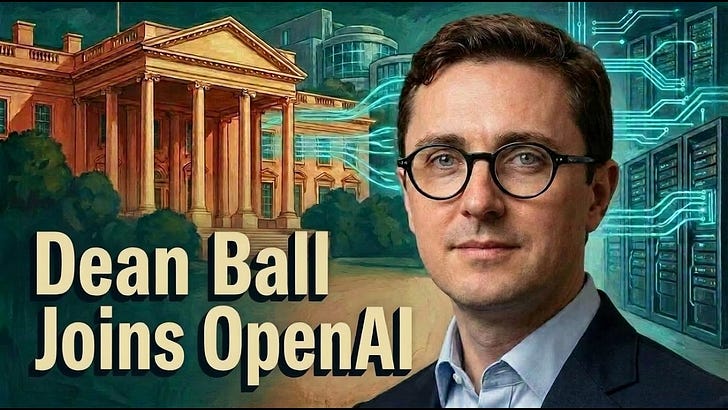
Deal Ball, head of writing the US AI Action Plan and previously in the White House, is joining OpenAI. He shares a lot of knowledge and thoughts about AI in this episode.
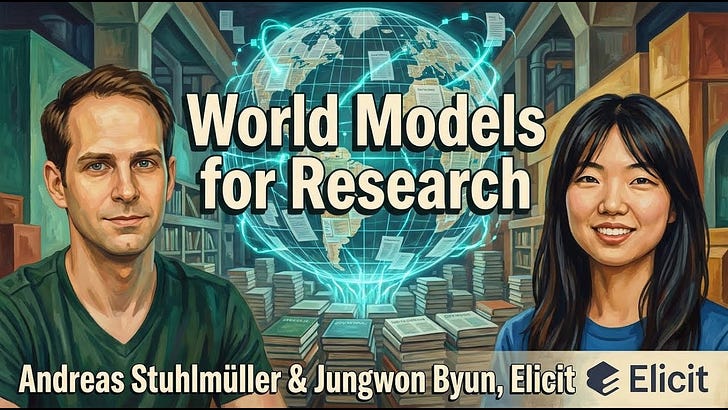
Andreas Stuhlmüller and Jungwon Byun, founders of Elicit, talk about how they work to make Elicit reliable, and then widen the circle to talk about AI and scientific research in general.
The leading AI labs has stated that it would be good if there were mechanisms to slow down AI advancements through verifiable agreements. What would that actually require?
What does it mean when LLMs have their own values, when they are used broadly, help run societies, or become very powerful? And what does it mean if they just completely follow the user blindly?
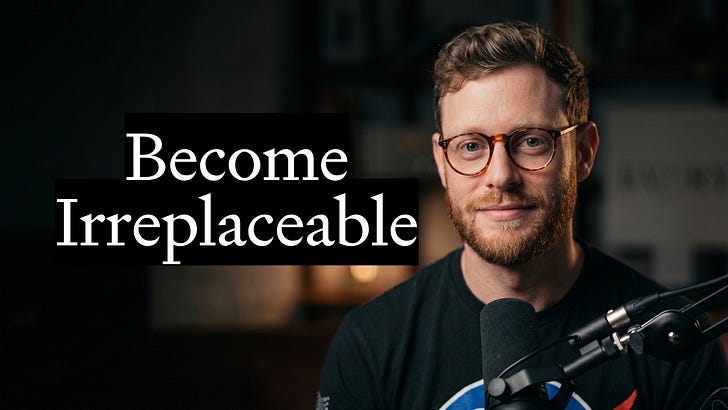
Dan Shipper is CEO of Every, who are at the forefront of using AI for just about anything. In this episode he talks about what it means for their work, for employing new people, and more.
Jon Billow at BNS, a firm that manufactures and installs electrical and communication infrastructure, talks about the physical limitations of building datacenters and how it limits AI growth.