
Whenever I used to see the pricing page of any AI company, I was so confused and always thought,
What the hell is this Token based Pricing?
Since it took me a while to figure it out, I thought I’d share what I’ve learned in this post.
Think of tokens as the basic "words" that AI models understand. When you type a message to ChatGPT or Claude, the AI doesn't read it as you do.
Instead, it breaks your text into small pieces called Tokens.
Simple rule: 1,000 tokens ≈ 750 English words
For example:
"Hello" = 1 token
"How are you today?" = 4 tokens
This entire paragraph = about 25 tokens
Tokens are the building blocks of how AI communicates. Token IDs are used by AI to identify words.
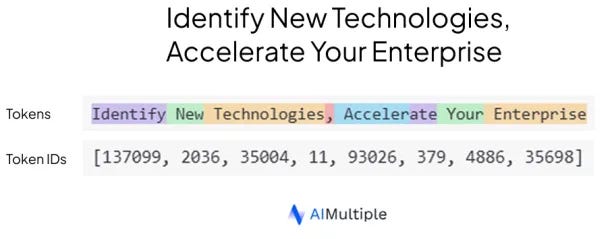
Input tokens are the pieces of text you send to an AI model as your prompt or question. Output tokens are the pieces of text the AI generates in response.
Input token: What you give to the AI (your question or text)
Output token: What the AI gives back to you (its answer or completion)
For example, if you type:
"Write a short slogan for my yoga studio."
Those words are counted as input tokens.
The slogan the AI creates is counted as output tokens.
Usually, output tokens cost more than input tokens because generating new text requires more GPU power and math by the AI model.
AI companies charge by the token, just like you pay for electricity by the unit.
This model is smart and fair because:
You pay for what you use
Small tasks cost less, big tasks cost more
Perfect for businesses of all sizes
More AI work = More Tokens = More Cost
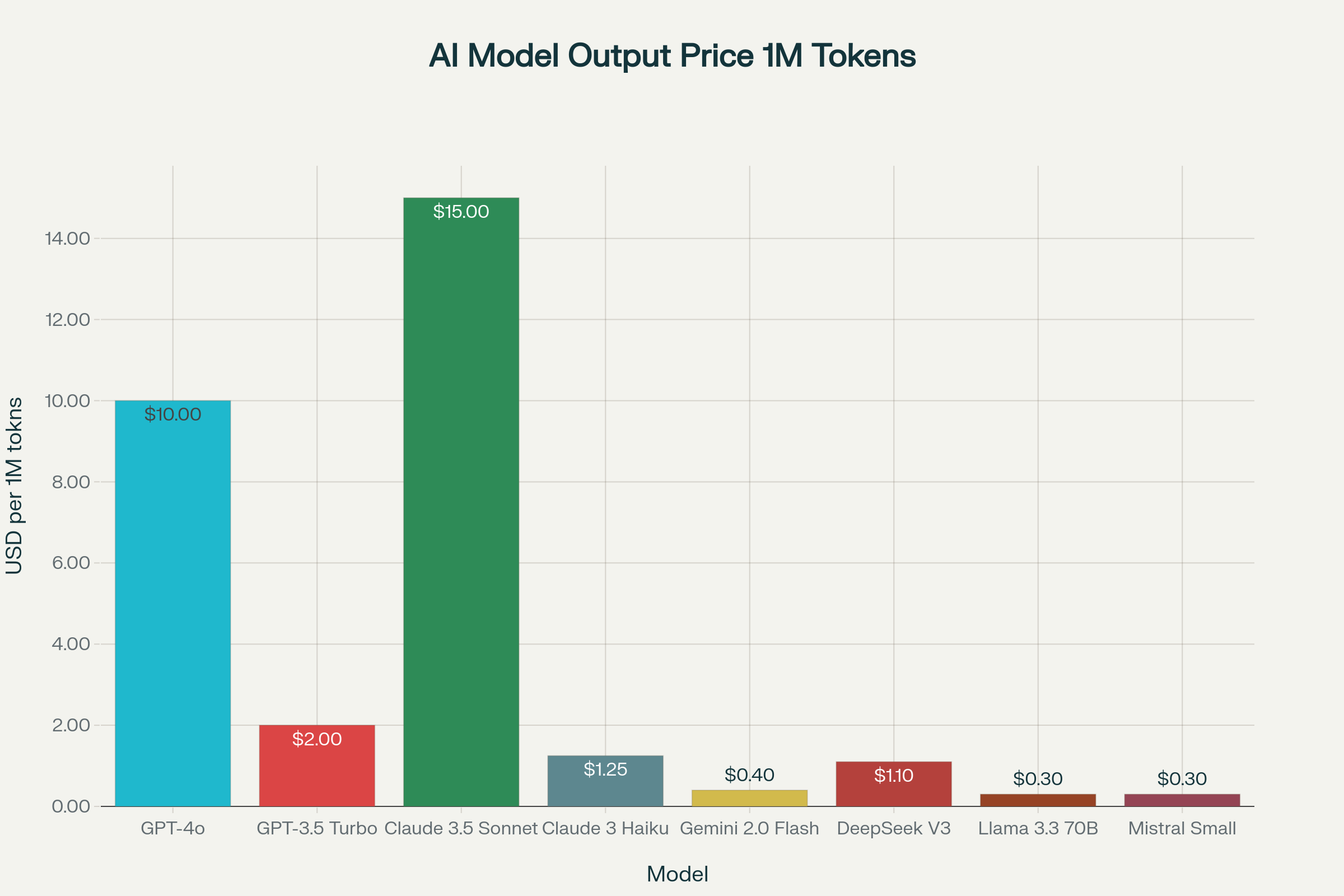
Here’s a quick comparison of token pricing from major providers
(per 1 million tokens):
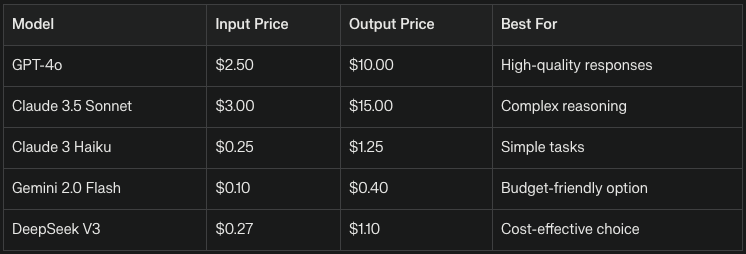
Output tokens (what the AI writes) cost more than Input tokens (your prompt) because generating answers is more compute-intensive.
If you’re running AI models on your own hardware (GPUs), here’s how the numbers compare:
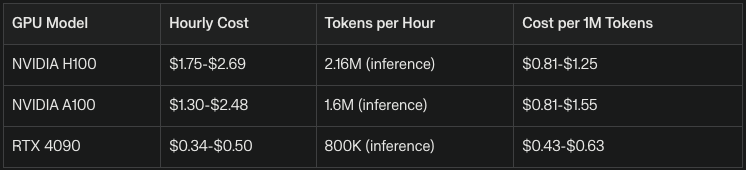
Running your own GPU is 10–20x cheaper, but only if it's working constantly.
Idle hardware = wasted money.
Agentic AI is like hiring a digital employee. Instead of giving one instruction at a time, you let the AI think, plan, and act by itself.
Examples:
An AI assistant that books flights, hotels, and dinner
A customer support bot that solves problems without asking a human
A research assistant that summarizes articles and gathers data
But this power comes at a price:
Agentic AI uses 10–100x more tokens
It makes multiple API calls per task
Cost for mid-sized businesses: $1,000–$5,000/month
1 chatbot reply = 500–1,000 tokens
1 email draft = 200–400 tokens
1 summary = 1,000–2,000 tokens
Use APIs if you want simplicity, low volume, or reliability
Use your own GPU if you process millions of tokens daily and want full control
Monthly Cost = Daily Tokens × 30 × Price per TokenUse cheaper models for basic tasks (e.g., Claude Haiku or Gemini Flash)
Keep prompts short and clear
Cache common responses to avoid repeat work (use vLLM with LMCache)
Batch tasks to improve efficiency
Track token usage regularly
AI pricing is falling drastically. In 2021, 1M tokens cost $60. Today? As low as $0.06.
That’s a 1,000x drop in just 3 years.
What this means:
AI will be accessible to more people and businesses
Subscription and outcome-based pricing may replace token pricing
Intense competition = even lower costs in future
No posts
Comments
Nothing yet. Say the first thing.
Sign in to join the conversation.