
On April 4, 2026 I delivered a TEDx talk to an audience of 1,200 people at the TEDxCU event in the Macky Auditorium Concert Hall on the University of Colorado Boulder campus. It was an unforgettable experience that I cherish as a once-in-a-lifetime opportunity to spread my message about the essential need for science communication training in science and medical education.
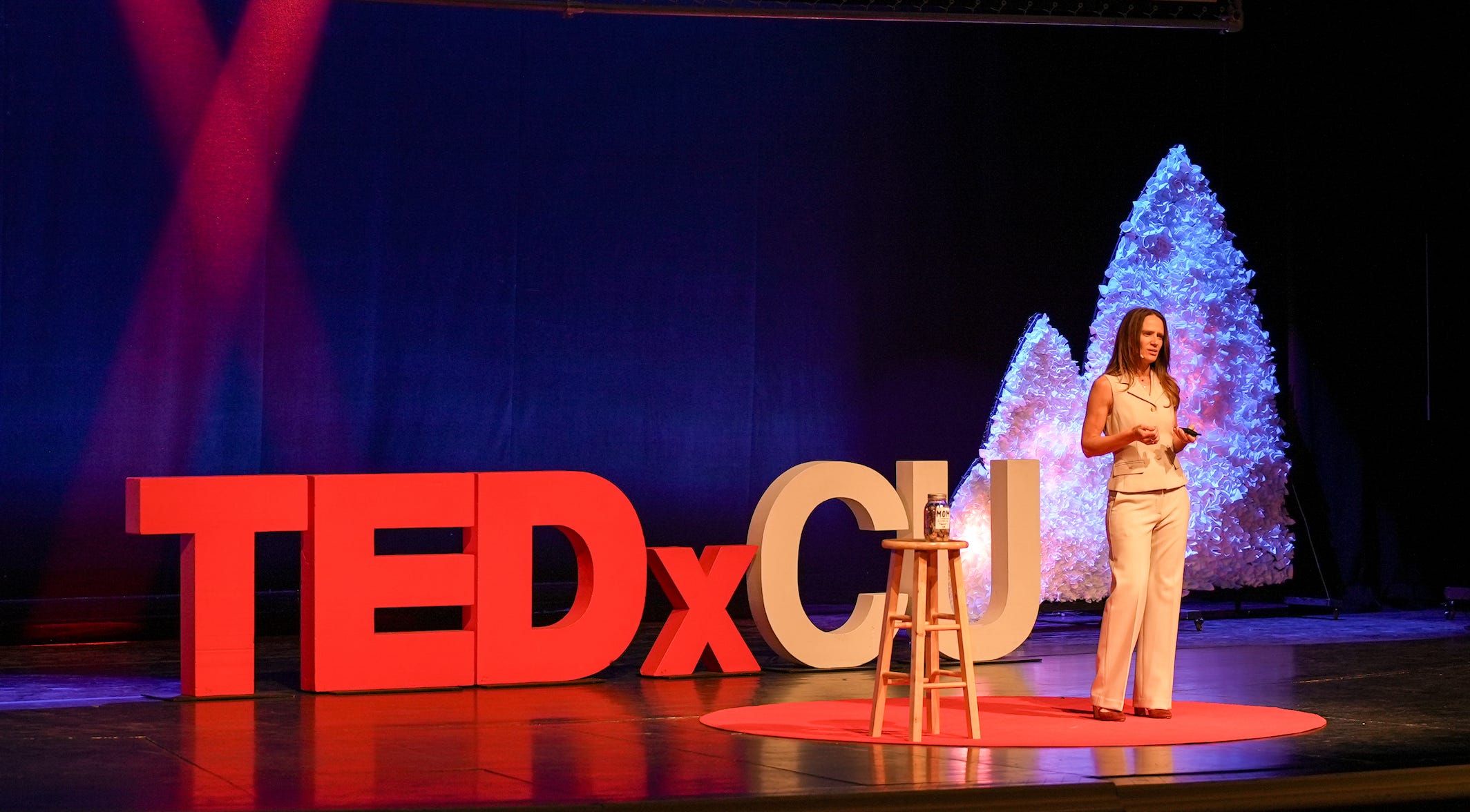
While writing my talk, I crafted it like a play, treating each section of my message as its own scene. This approach was especially useful for flow. Like in a play, each scene needed to have its own message but also transition naturally into the next, building the storyline and guiding the audience from one idea to another coming together into one powerful and integrated story. Instead of wrestling with one long script, I focused on shaping distinct ideas (scenes) that contributed to the entire story. This approach also pushed me to think visually, to imagine the image that would be created for each scene to allow the audience to hear and see each part of the story.
I also selected this ‘scene-by-scene’ approach to help me memorize the entire 15-minute talk. If you’ve never given a TEDx talk, it’s important to know that all TED talks are memorized. There is no teleprompter, no notes, and no talking points coming through the headset. If you forget your lines, the talk won’t happen. This was the only element that gave me pause when accepting the invitation to speak. I was petrified (as a mid-career scientist who hasn’t had to memorize anything for years!) that I wasn’t going to be able to memorize my talk.
Looking back, I’m thankful I ventured into uncomfortable territory and am thrilled to report that I remembered the vast majority of the talk. However, immediately after I finished my talk, I realized I did forget a key point (that I’ve flagged below) but I’ve accepted it and realize that delivering 99% of my message is much better than zero. I am incredibly grateful for the opportunity offered to me by the TEDxCU selection committee. Special shout out to Michael Burns, Assistant Teaching Professor in the College of Communication, Media, Design, and Information at CU Boulder, and the lead of the TEDxCU team.
I invite you to sit back, relax, and read the talk itself below, presented as a series of scenes with distinct visuals so you can experience it the same way I built it, one intentional scene at a time that combined tell a story that communication training is essential to science and medical education…
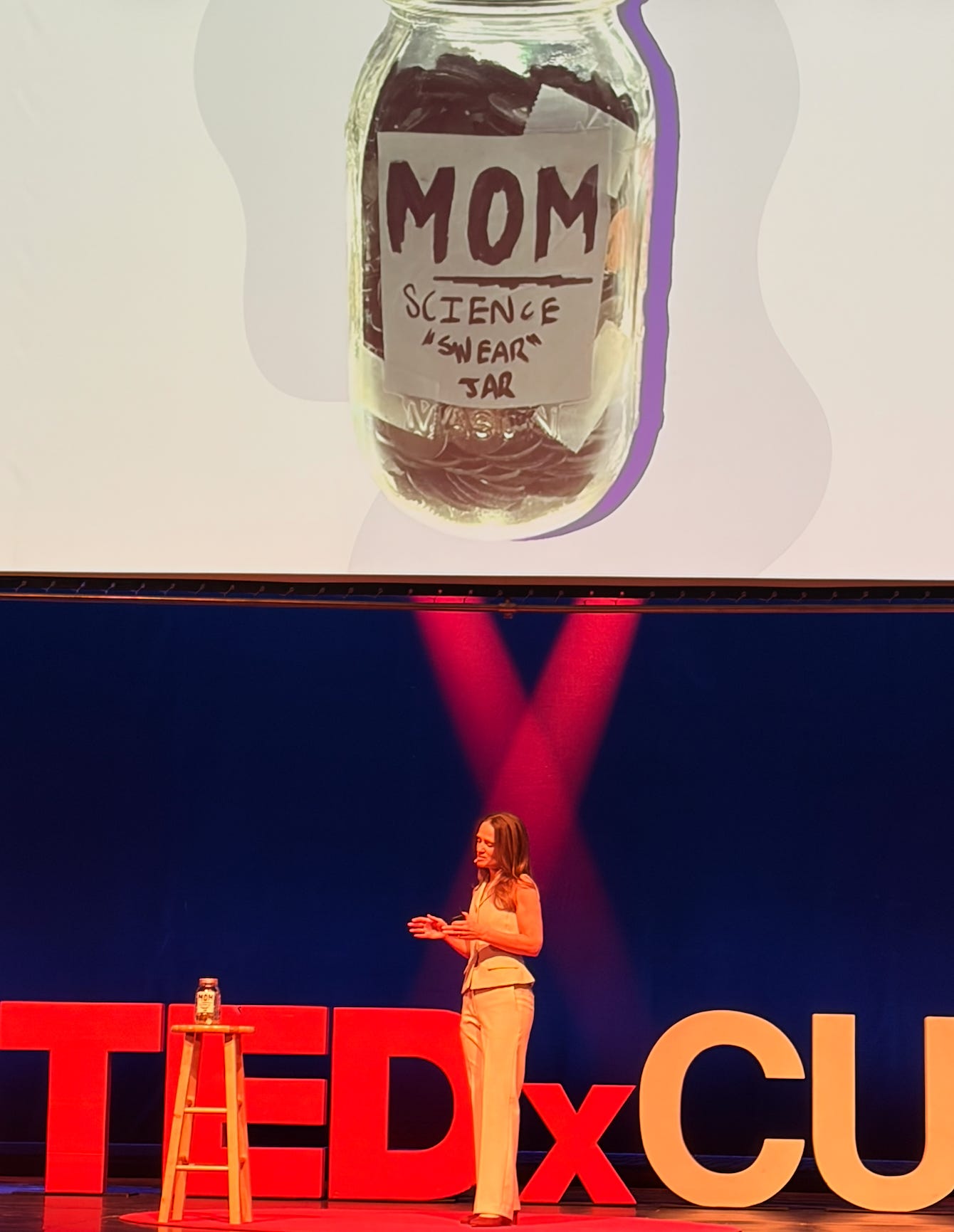
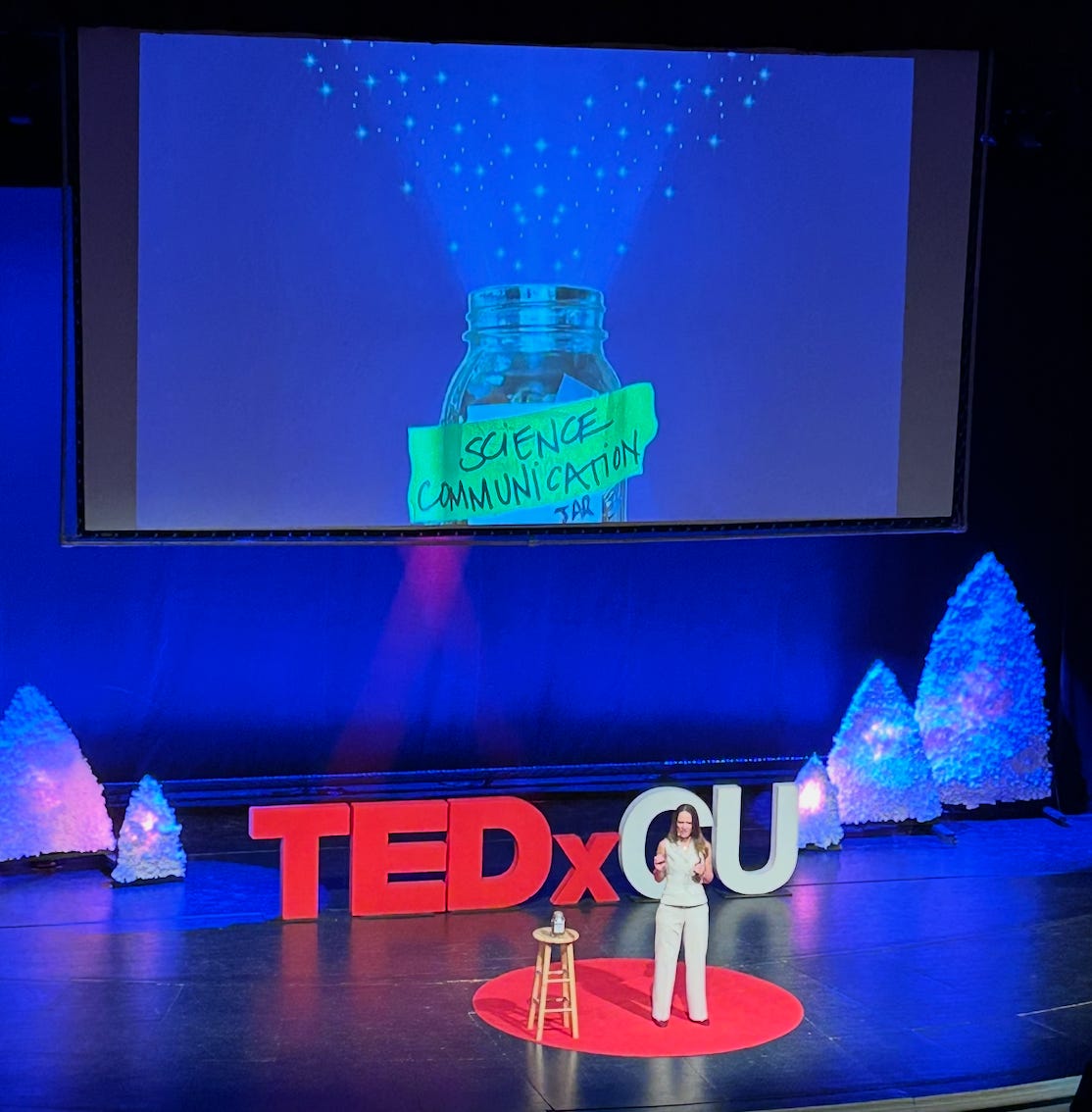
You see this jar? It’s a swear jar - but it’s not your typical swear jar. Most people get swear jars because they swear or use curse words. My jar is different - it’s a science swear jar. My daughter made it for me when she was 10 years old. The rule is simple: every time I talk about science when no one asks me to, I have to pay the jar.
As you can see, it’s full - and this isn’t the first time. Over the last several years, it’s been emptied and filled many times! It turns out that I have an exceptional ability - although some would say annoying ability - to insert science into any conversation.
Let me tell you a little bit about who I am - the person who pays the jar. I have 3 professional roles: I’m an immunologist, an educator and a science communicator.
In my first role I’m an immunologist, a scientist who studies the immune system, the body’s built-in mobile defense against infection. I fell in love with immunology in college. Listening to my professor describe the complexity and elegance of the immune system was mind-blowing! I was hooked! And I’ve devoted my life to immunology ever since!
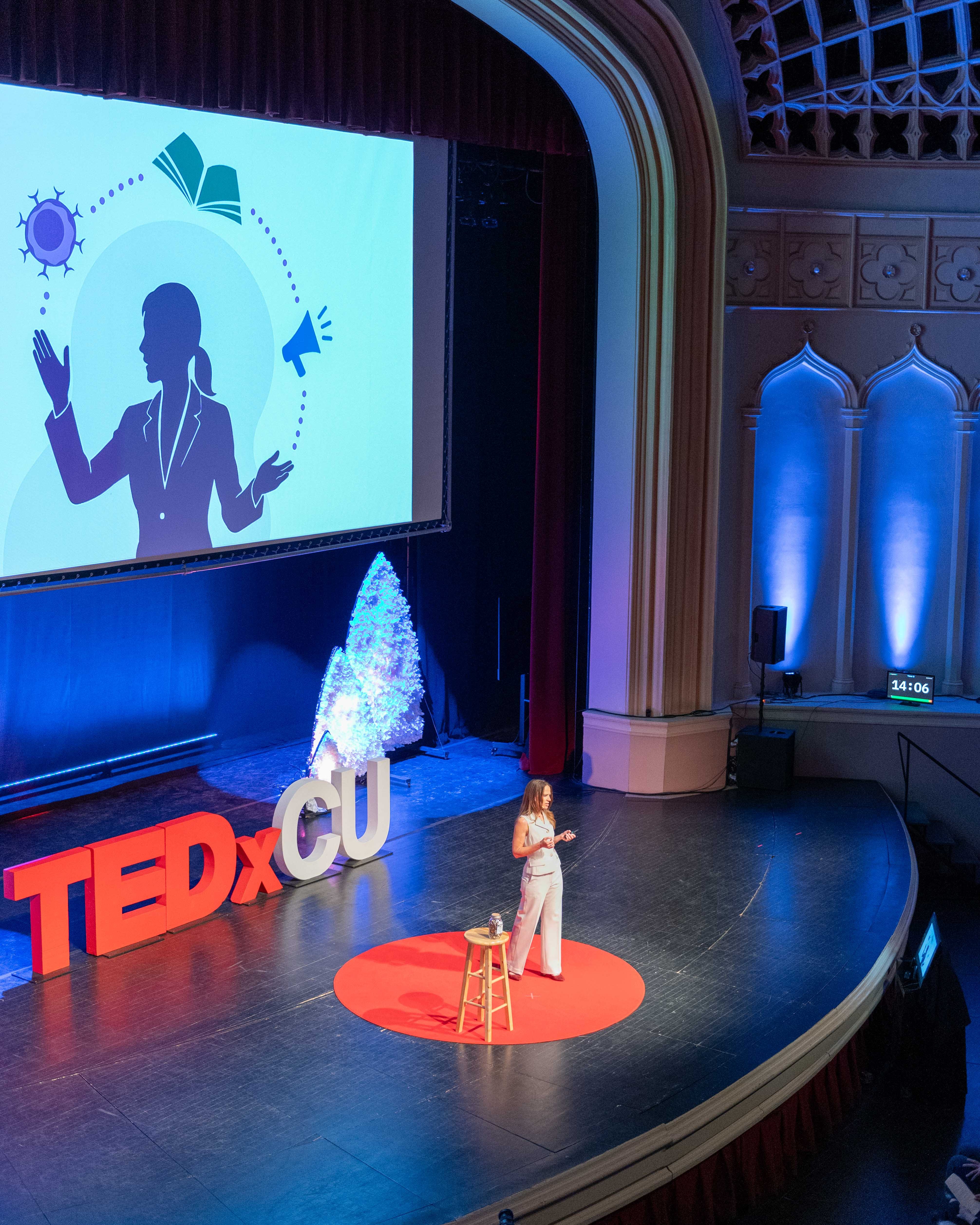
And I’m incredibly lucky because in my second role as an Associate Professor at CU Anschutz, I am the immunology content director for the CU School of Medicine, and I have the privilege and honor of teaching immunology every day :) Teaching and being a teacher is the heart and soul of who I am. Teaching was the motivation behind my pursuit of a PhD and my career in science.
Sharing my knowledge and enthusiasm for science fills me with joy! and brings me to my third role as a science communicator. For the past 25 years, science communication has been my passion project - a labor of love I’ve pursued in every spare moment of time. I’ve written blogs, op-eds, and guest commentaries. I’ve given talks in bookstores, at science clubs, and in coffee shops. I’ve recorded dozens podcasts and shared hundreds of posts across social media. If there’s a way to share science, I’ve tried it!
Here’s the challenge: most scientists are like me. We live, eat, and breathe our science and want to share it with everyone we meet
And here’s the catch: we were never taught how to translate our science into plain language, and our explanations don’t always land the way we intend. Scientists like me spend years in training to learn to be a scientist but none of our training includes science communication.
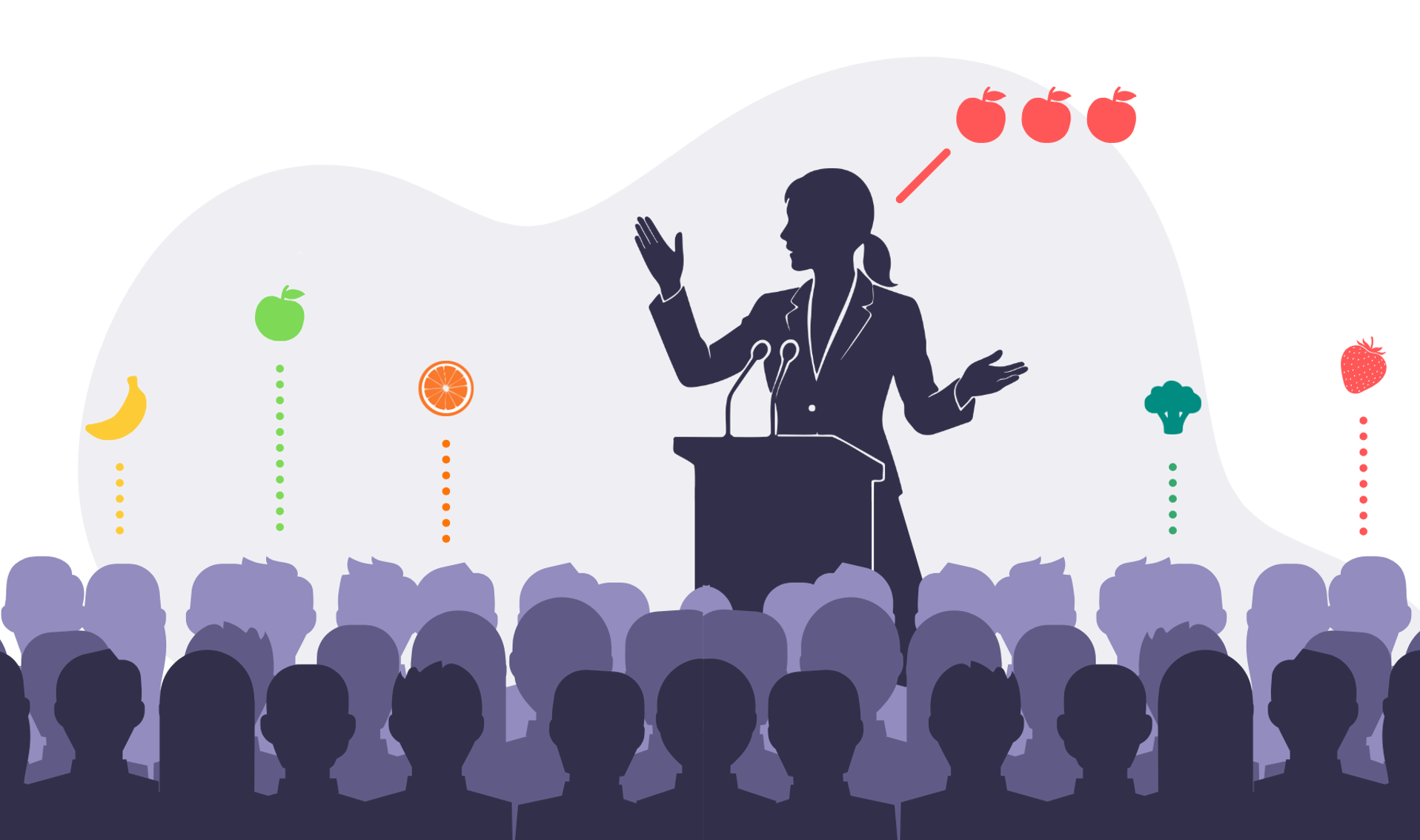
Let me describe my journey into science for you…
It all started with a 4-year bachelor’s degree in biology. Followed by 2 years in a biochemistry lab after college to gain experience in the real world. Followed by 5 years (actually 4.5 years but I didn’t want to brag onstage) of graduate school to get my PhD. And another 5 years in 2 different postdoctoral positions to gain even more lab experience.
That’s 16 years of training where every step of the way I was rewarded for learning and using the technical language or jargon of science.
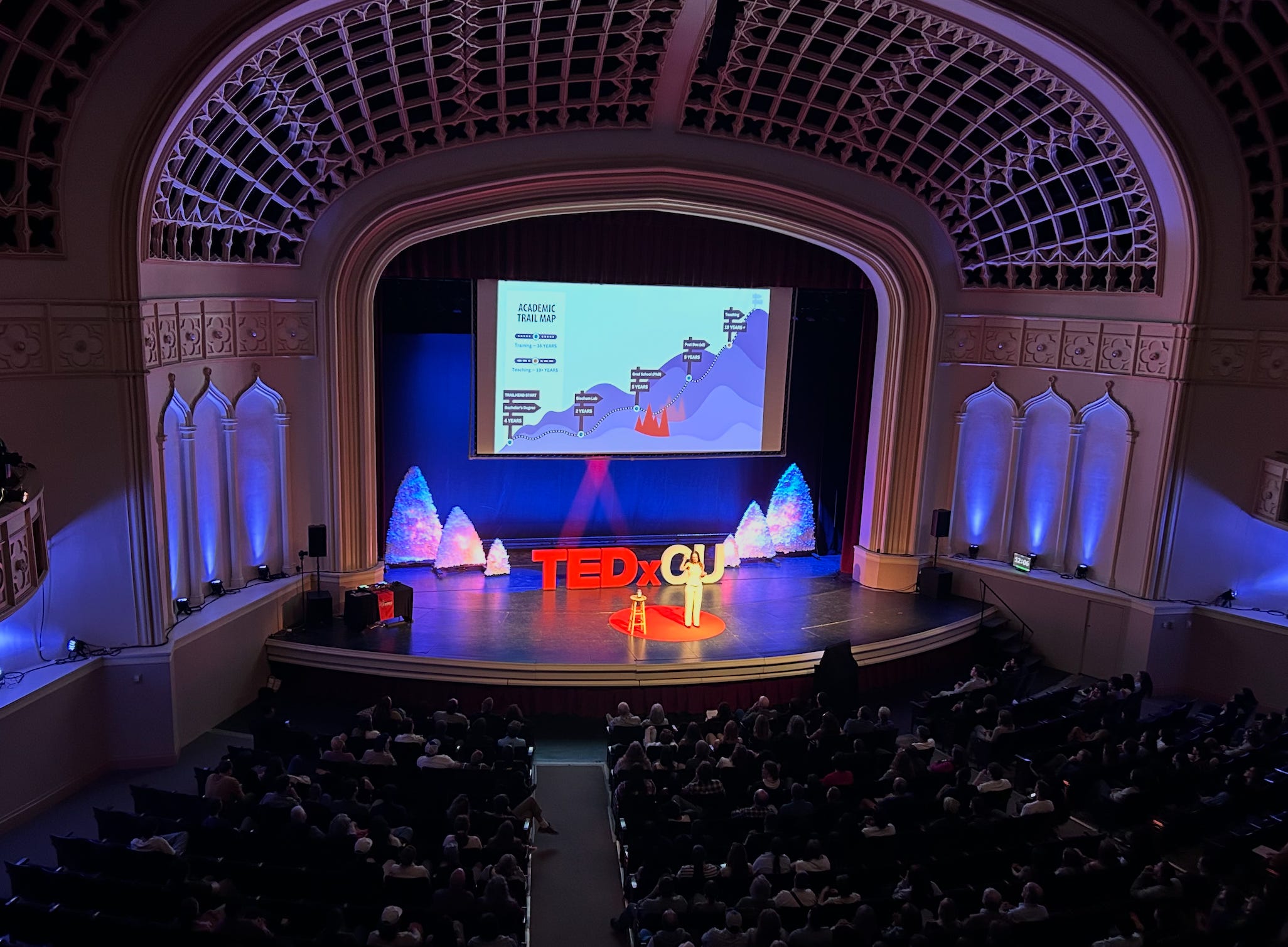
You see, scientists in training are viewed as “promising” by experienced scientists if we learn the technical language or jargon of our fields as fast as we can so we can fully participate in the science around us - by listening to and understanding seminars, communicating with peers and faculty, and engaging with the scientific community.
During training, we’re so focused on fitting in and becoming scientists ourselves that we don’t think about how we sound to the people outside of our science labs and lecture halls.
Let me give you an example of what years of practice using science jargon sounds like…
Vaccines work by introducing an antigenic stimulus that primes the adaptive immune system, facilitating the selection, activation and clonal expansion of antigen-specific lymphocytes. This establishes the generation of high-affinity neutralizing antibodies and the development of robust immunological memory, which results in long-term protection upon subsequent pathogen exposure.
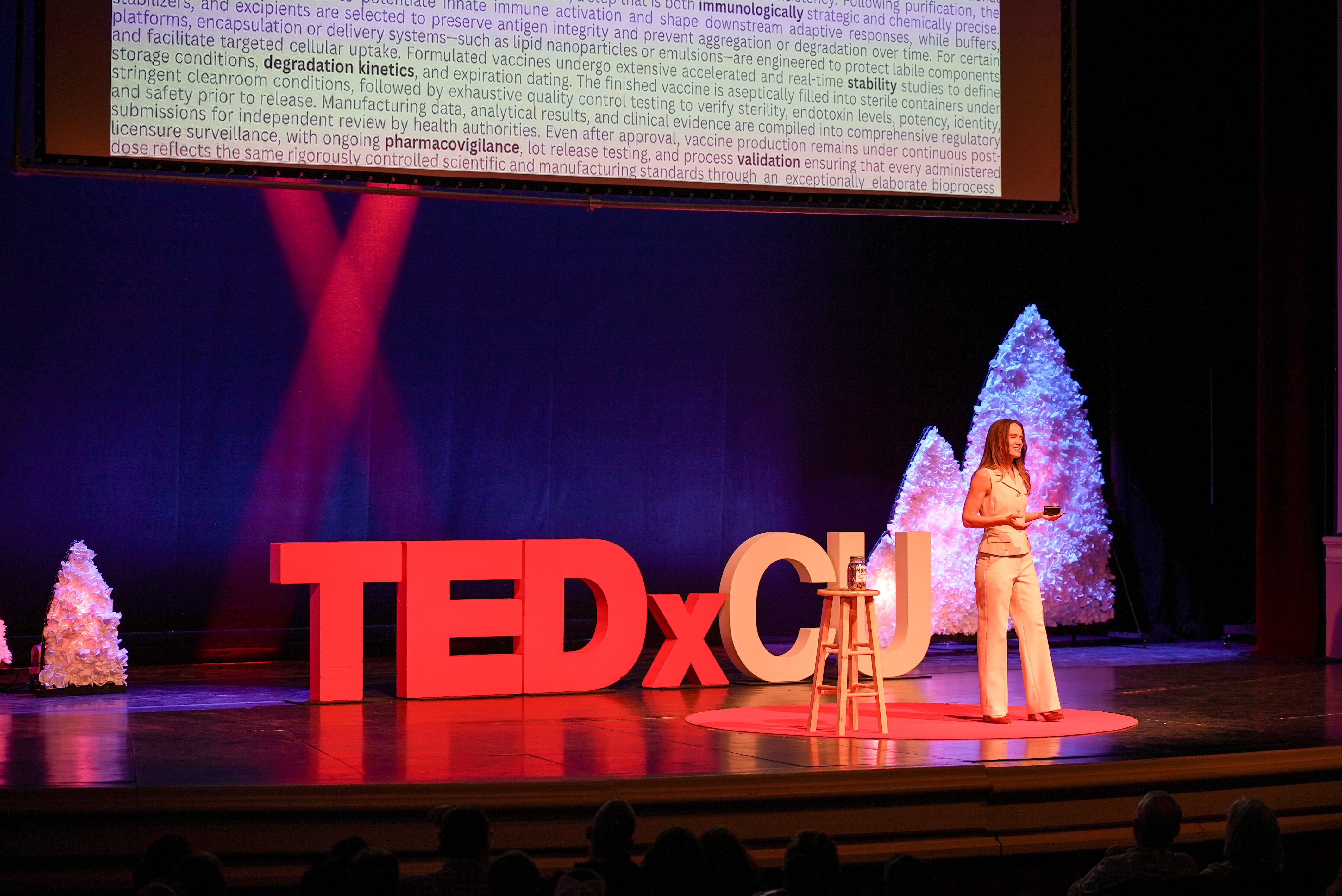
Raise your hand if you want to hear it again without the jargon?
Vaccines work by introducing a harmless version or piece of a virus into your body to give your immune system something to train on to practice fighting the virus and build immune protection.
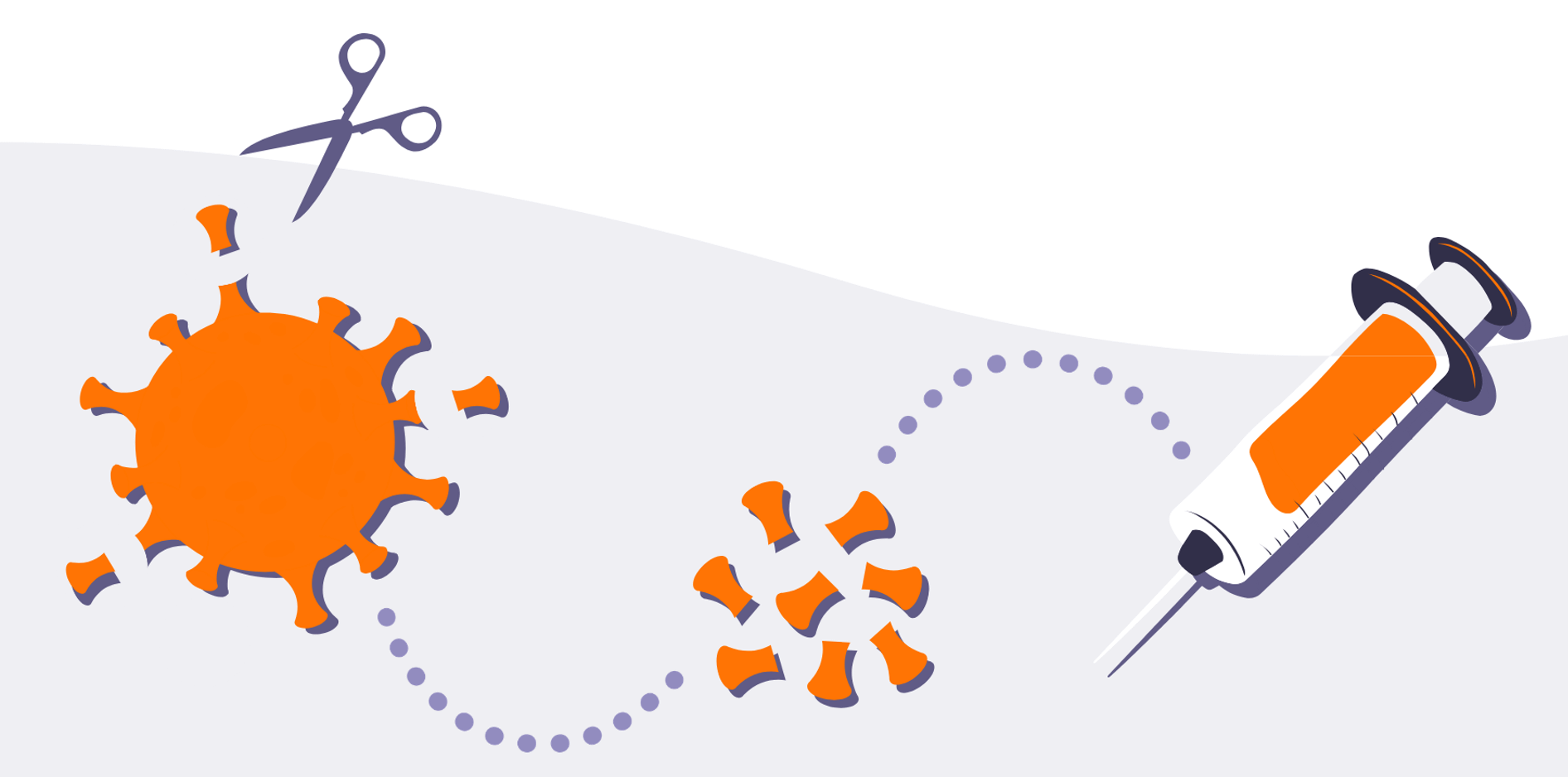
Let me describe this to you in the context of the annual flu vaccine. The flu virus is basically a circle covered in little spikey proteins all around the outer surface.To make the flu vaccine, all of the little spikey proteins are cut off - it’s like the virus is getting a haircut - and those chopped off bits are used to make the vaccine. The rest of the virus - that whole inner circle which contains the virus’s genetic material - is thrown away and not used! After a vaccine, your immune system is trained, like a martial artist, to recognize and fight the virus “out in the wild” - at the grocery store, the gym or a TED talk - your immune system is prepared to fight!
Over the years, I’ve realized we scientists aren’t always as prepared as our immune system, especially when it comes to communicating what we do and why it matters. Since earning my PhD in 2001, I’ve reflected on my own journey and noticed all the barriers we scientists face to engage in science communication. I know firsthand because I’ve had to overcome these barriers to get to where I am today.
Let me explain what I mean through the lens of promotion…
Like everyone else, scientists have criteria we must meet to keep our jobs and be promoted. Communicating our science to the public - beyond the walls of academia and the paywalls of scientific journals - is not a part of those criteria. At most universities, science communication experience is not even listed as something that could help you get promoted or hired.
Why is this? Like any promotion system, scientists are expected to show progress through generating data, publishing papers, and securing funding - and all of this progress happens in the laboratory. Unfortunately, connecting with the community pulls us out of the lab where our value and progress are measured. We’re trapped in a system where leaving the lab and connecting with the community slows our progress.
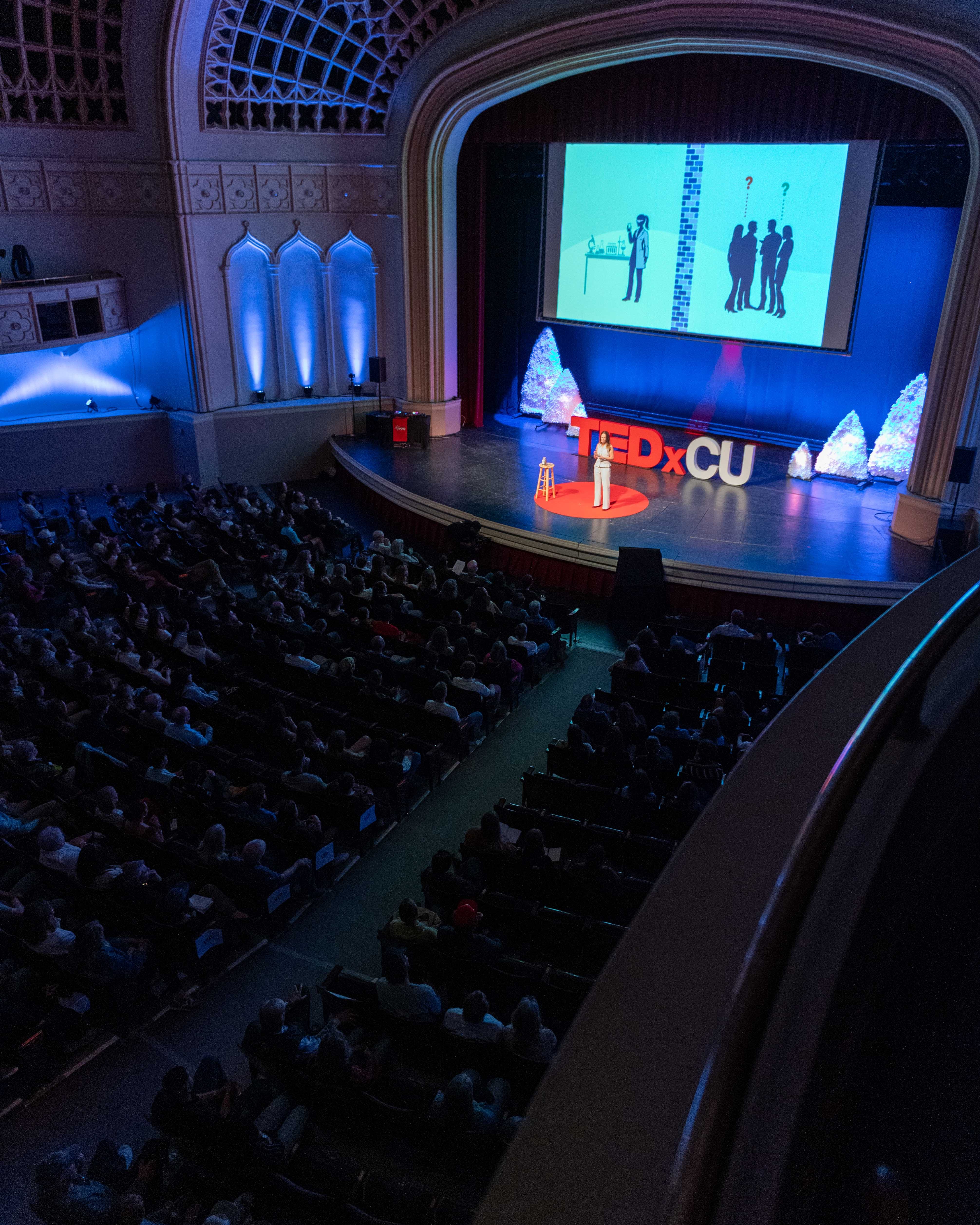
And that’s the paradox: we scientists desperately want to share our work, but we’re not supported or trained how to do it. In a strange twist of fate, the systems designed to advance scientific knowledge for humanity have isolated it from the public eye. The problem isn’t a lack of willingness – on the contrary – it’s a lack of training and support.
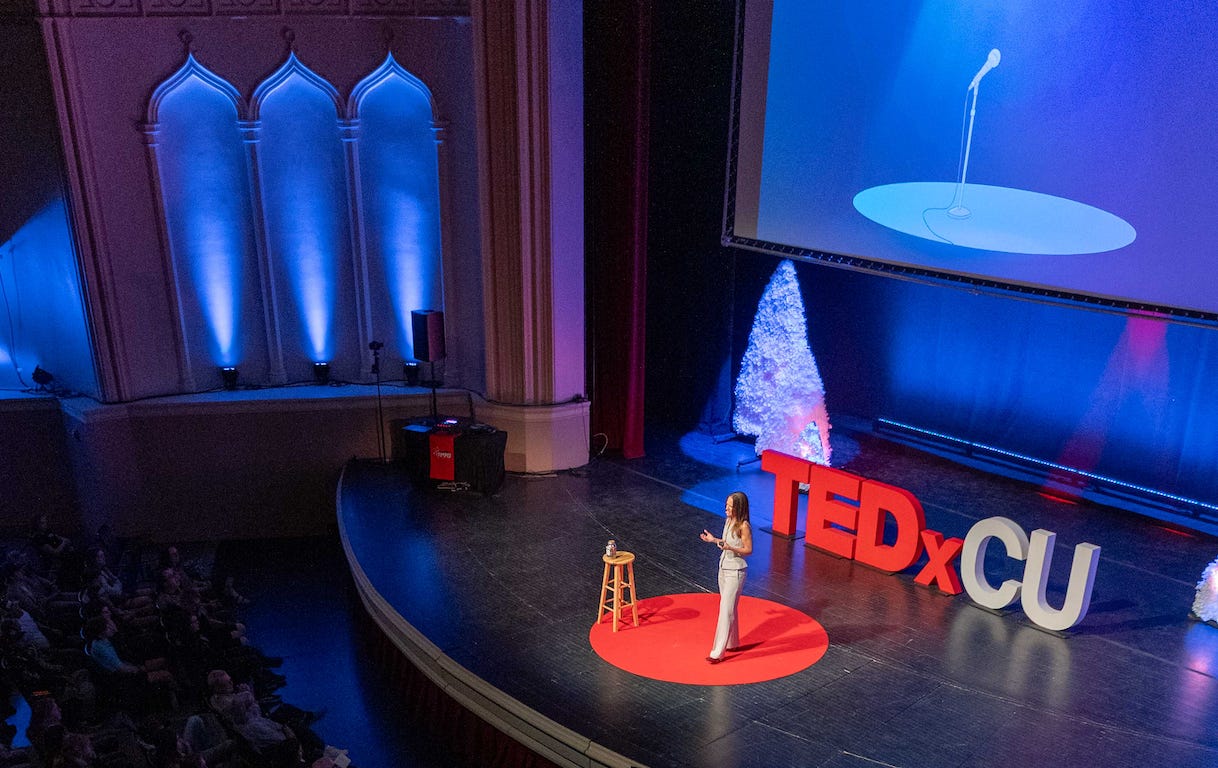
So why does this matter? Why should scientists learn to communicate their science to the public? Let’s all think back to COVID as an example of why science communication is so incredibly important. Remember the confusion? The virus was new and spreading quickly, mask guidelines changed, and vaccines were misunderstood.
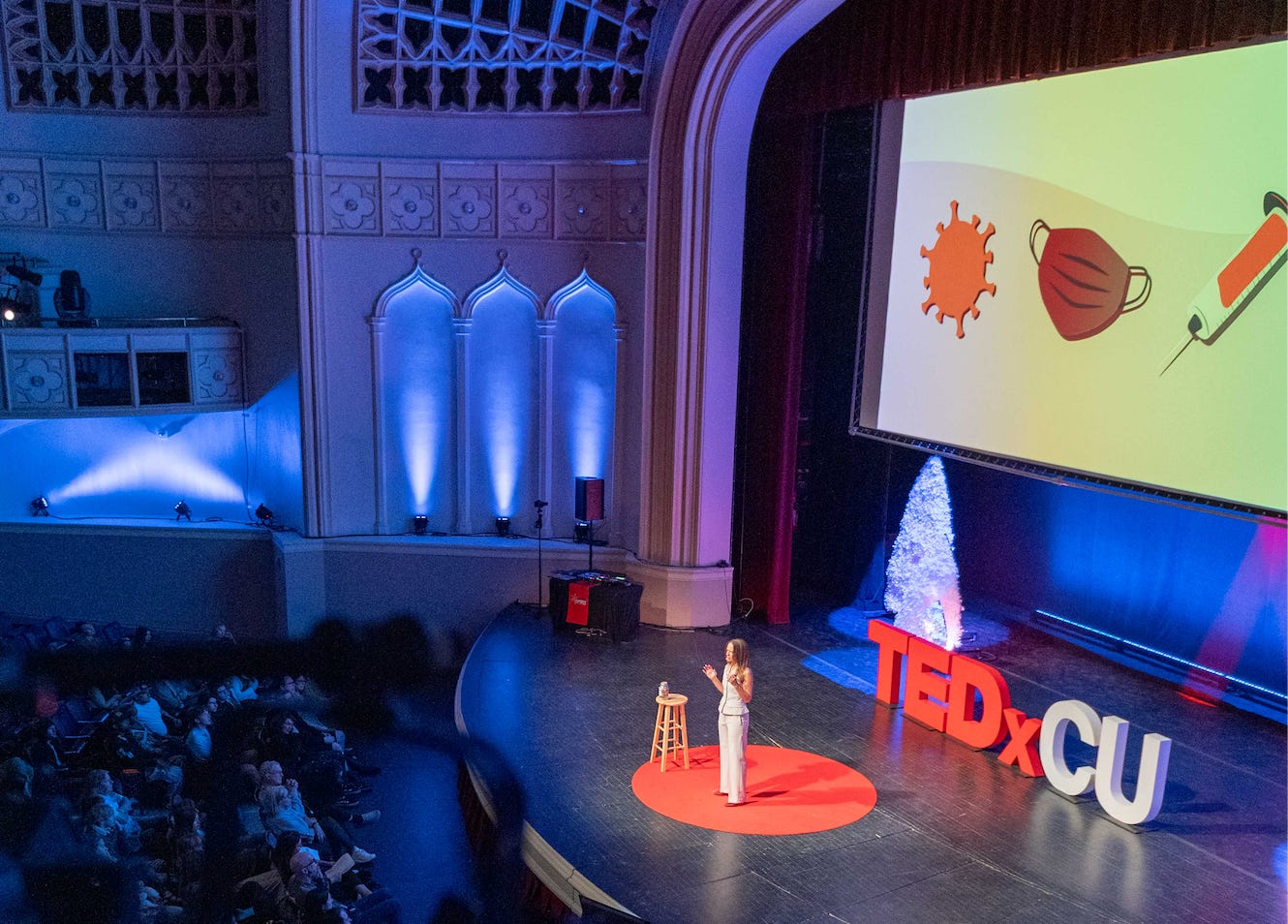
While scientists were scrambling to learn about the virus and explain the science, misinformation was spreading like wildfire wrapped in language that was simple and easy to understand and easy to share. And the headlines kept screaming: “Scientists keep changing their minds!”
But here’s the truth that no one explained to the world: science changing its minds isn’t a weakness - it’s the very strength of science. Changing our minds is a superpower that allows us to be adaptable, flexible, and respond to new information. Let me flip the script. Science changes not because it’s broken… but because the process works. Every new piece of evidence sharpens our understanding and brings us closer to the truth.
Now let me ground that in something you do every day - think about your GPS.
You’re driving, everything’s fine… and suddenly there’s a crash up ahead.
What happens? Your GPS instantly reroutes you. You don’t throw your phone out the window. You do not accuse it of lying to you. You trust the update because it’s based on new data.
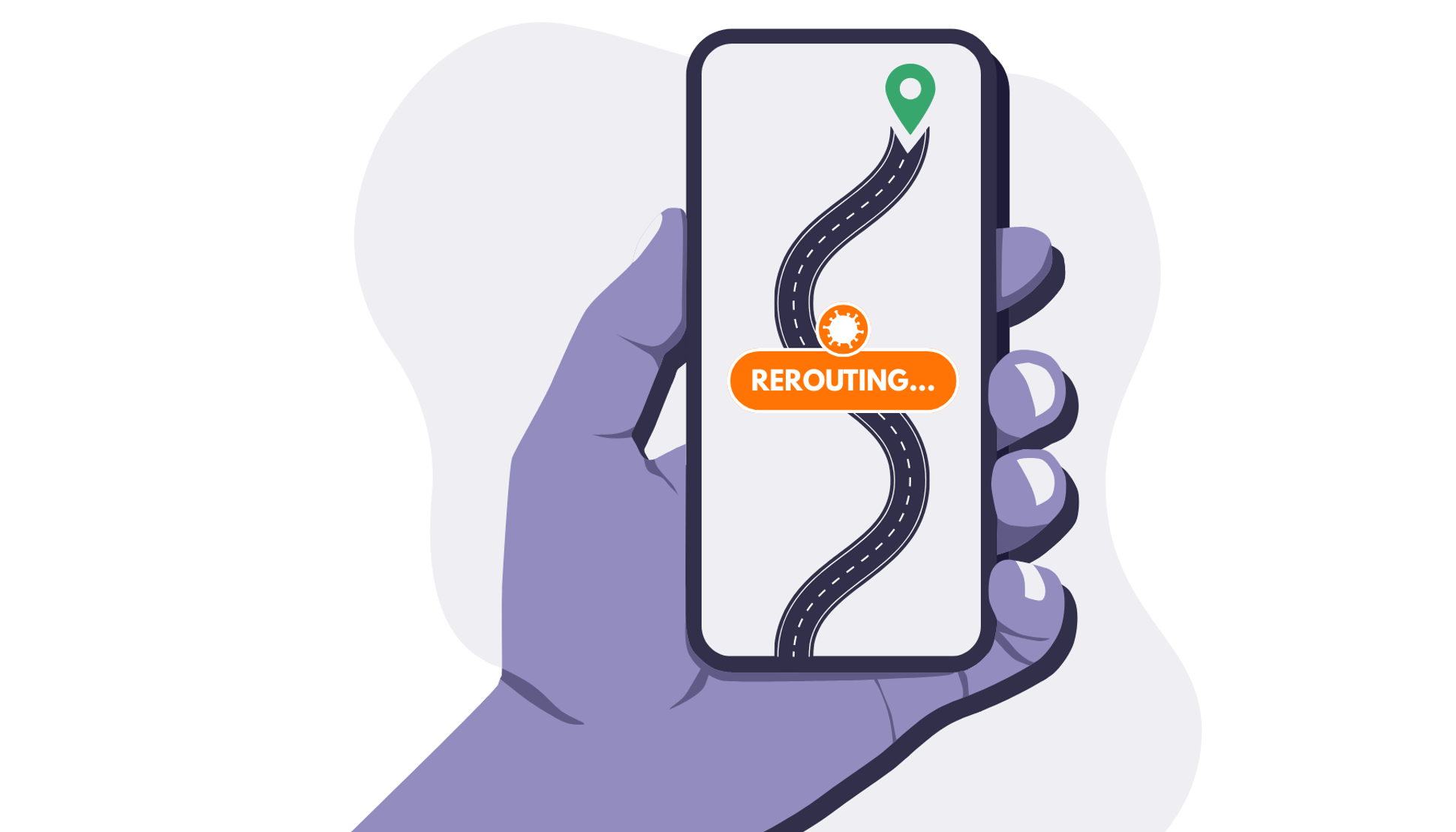
Science works the same way. Adaptability isn’t a flaw. It’s a feature.
But when we don’t communicate why things are changing, people get frustrated and confused and become mistrustful. I get it. Right now, misinformation is winning the communication game. Not because it’s right. But because it’s louder, it’s simpler and so much easier to understand.
[That’s a challenge. But it’s also an opportunity. Because if we scientists can be trained to communicate our complex science using clear language and connect with communities, we can help people understand that science is a dynamic, self‑correcting journey that empowers decisions and impacts lives.] Sadly, this is the section [in brackets above] I forget while I was delivering the talk on-stage :(
So, you might be wondering what inspired me to start training myself how to simplify and explain my science precisely 21 yrs ago? I had kids. I wanted to share my science with the little people I loved. I kept thinking to myself, “How am I going to communicate with my kids about immunology - my first true love - without the jargon?” I needed to start training myself to talk to my kids about the immune system without the technical language and jargon.From that moment on, I took on creating simplified explanations for everything related to science in general - and immunology in particular - with renewed determination.
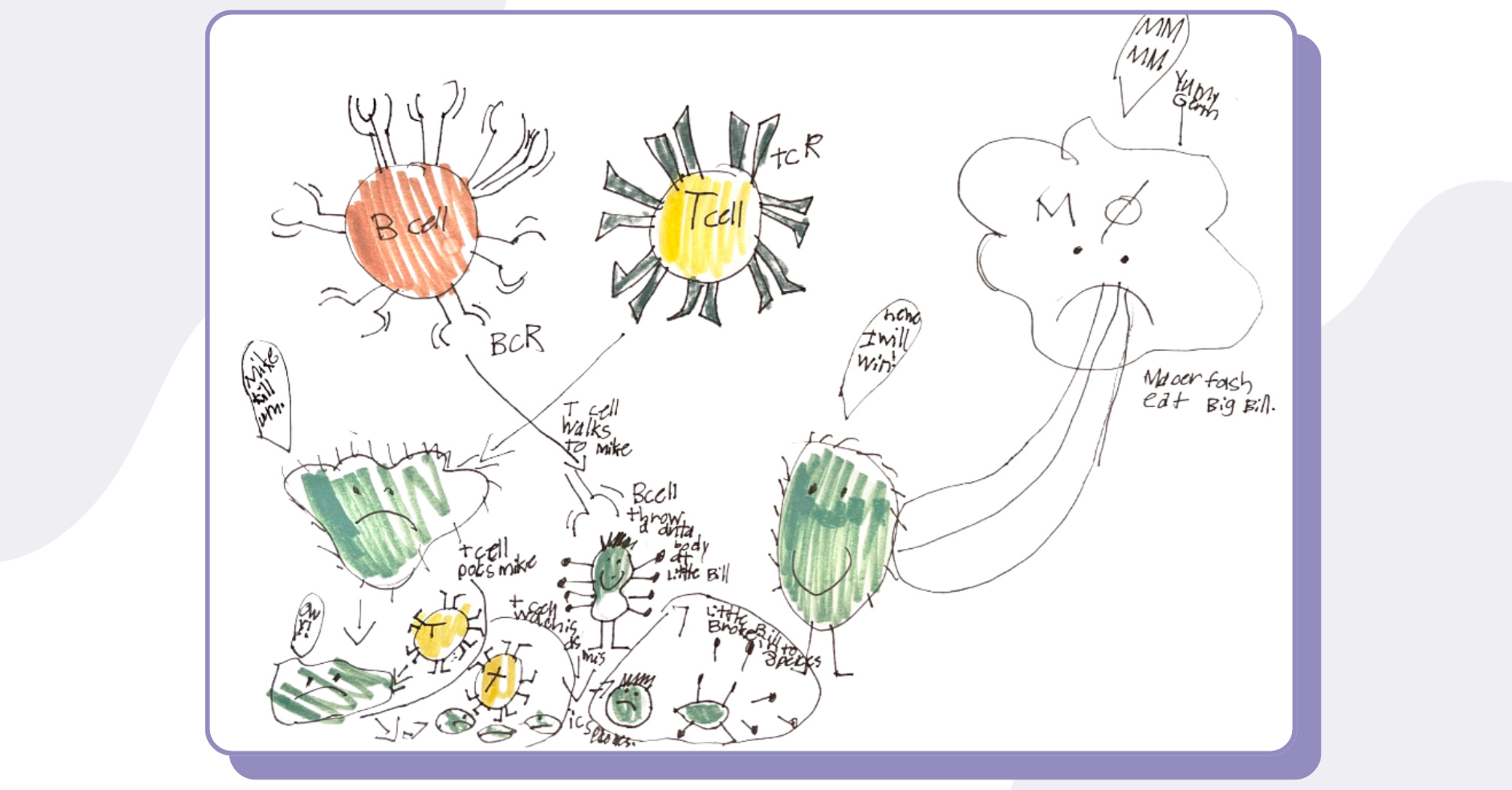
My daughter drew this for me when she was about 10 years old and it represents to me how much she actually learned about the immune system from my simplified explanations. As you can see, she drew little green bacteria at the bottom that she named Bill. She drew B cells throwing antibody arrows at “Bill,” she drew T cells poking holes in “Bill,” and she drew a macrophage (which means big eater), the one with the very long tongue, eating “Bill.” This is exactly the way an immune response works! It’s a heated battle between the pathogen and immune system. This drawing is proof that complicated science can be broken down and explained to anyone!
My science communication journey began in earnest when I had kids, but imagine what we could do if scientists learned to communicate clearly from the start and were trained in science communication skills at the same time they were being trained in the lab to become scientists?
And that brings me to a big question that I’ve spent years thinking about: How do we turn that vision into reality? What would it take to break down the barriers and build science communication training into our system?
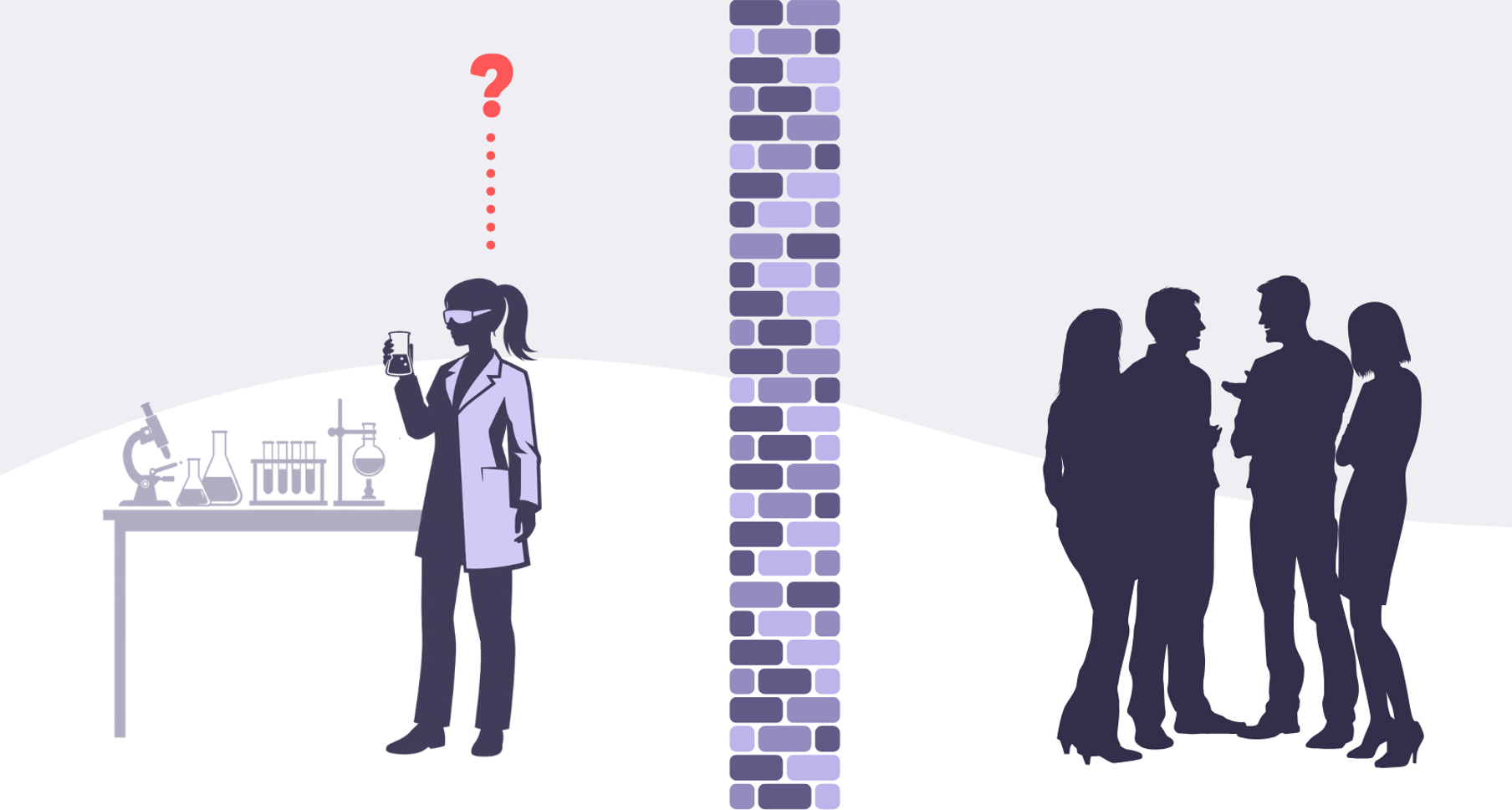
Let me share my vision with you…
We need to think outside the walls of academia and paywalls of science journals to create and embrace outreach opportunities. We need to add science communication skills into graduate programs - scientists in training need to learn how to develop clear and concise explanations of their science using relatable examples, analogies and storytelling to engage with the public.
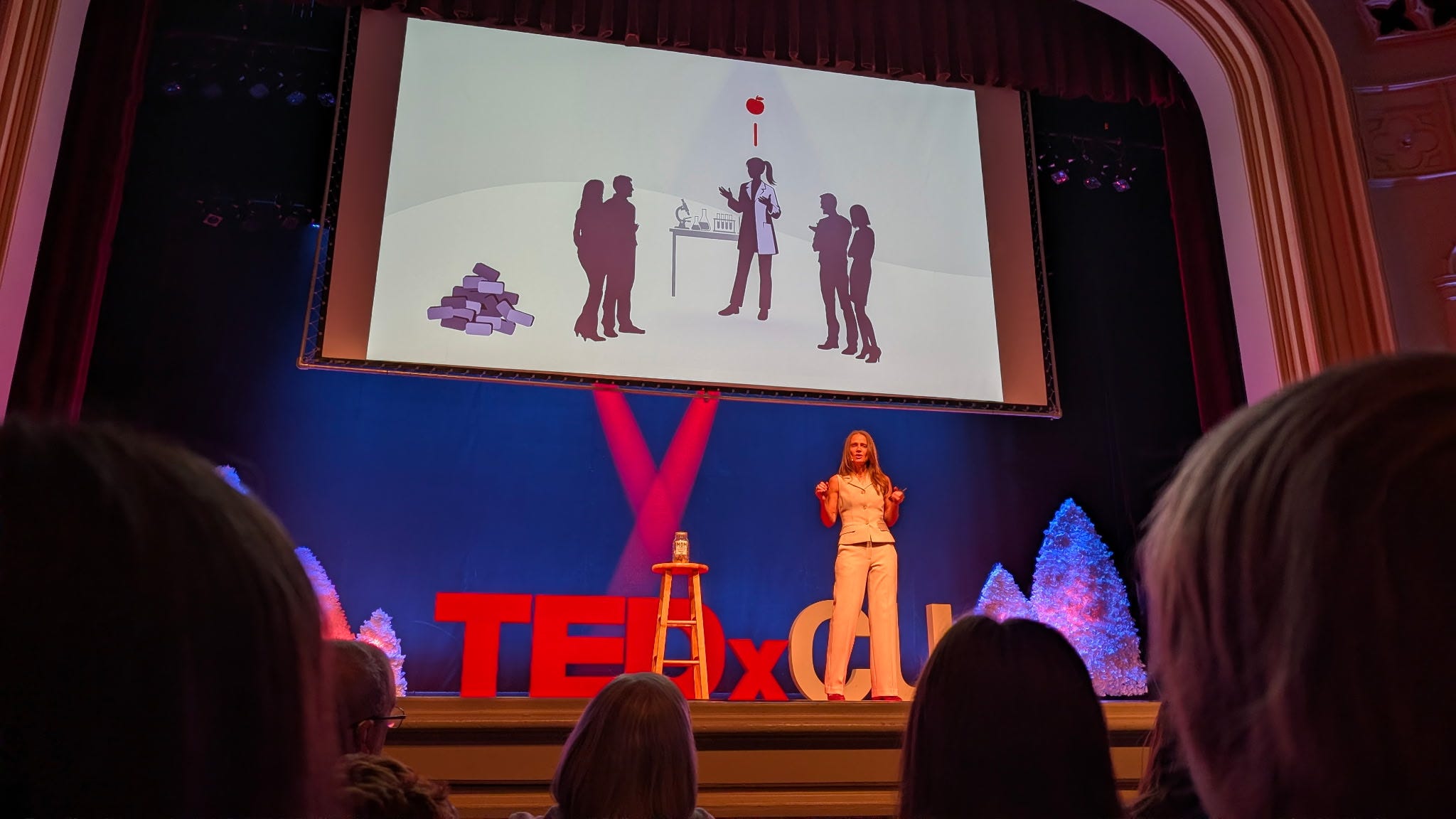
I envision a world where scientists communicate their work the way a great cooking show does - think Great British Baking Show - they start by telling us what they’re making, they walk us through the ingredients, they show us all the steps and the surprises along the way. At the end they reveal the final dish and how amazing it is.
Science could do the same thing! Scientists should be encouraged to talk about their findings and how it impacts the world throughout the journey: from the very first question through every exciting twist and turn, the ups and downs, the failures and successes in the lab. Not just at the end when the science experiments are done and ready for publication but throughout the entire journey.
Why? Because science belongs to everyone.
So, let’s open our science swear jars to invest in curiosity and connection within our communities. We scientists need to start using our voices to share our science with the world around us.
On the contrary to the way most academic institutions operate, communication isn’t a soft skill - it’s the strongest tool we have to turn knowledge into impact. It’s time to add science communication into science training.
Thank you!
Comments
Nothing yet. Say the first thing.
Sign in to join the conversation.