AI companies' policy advocacy (Sep 2025)
Strong regulation is not on the table and all US frontier AI companies oppose it to varying degrees.

What frontier AI labs are doing + what they should do
Subscribe:.rss.atom.json.md.m3u.pls
Live Last read · last published · next check
Strong regulation is not on the table and all US frontier AI companies oppose it to varying degrees.
I published this post last week on LessWrong . Zvi agrees with me. xAI hasn't replied and I haven't heard disagreements. Two weeks ago, xAI finally published its Risk Management Framework and first model card . Unfortunately, the RMF effects very little risk reduction and suggests that xAI isn't thinking seriously about catastrophic risks. (The model card and strategy for preventing misuse are…
Their safeguards against misuse via API might be fine, but they don't seem to be seriously planning for good safeguards against misalignment or model weight theft.
OpenAI released ChatGPT Agent last week.
Not a hot take
AI companies claim that their models are safe on the basis of dangerous capability evaluations. OpenAI, Google DeepMind, and Anthropic publish reports intended to show their eval results and explain why those results imply that the models' capabilities aren't too dangerous. 1 Unfortunately, the reports mostly don't support the companies' claims. Crucially, the companies usually don't explain why…
And a new website on companies' risk assessment
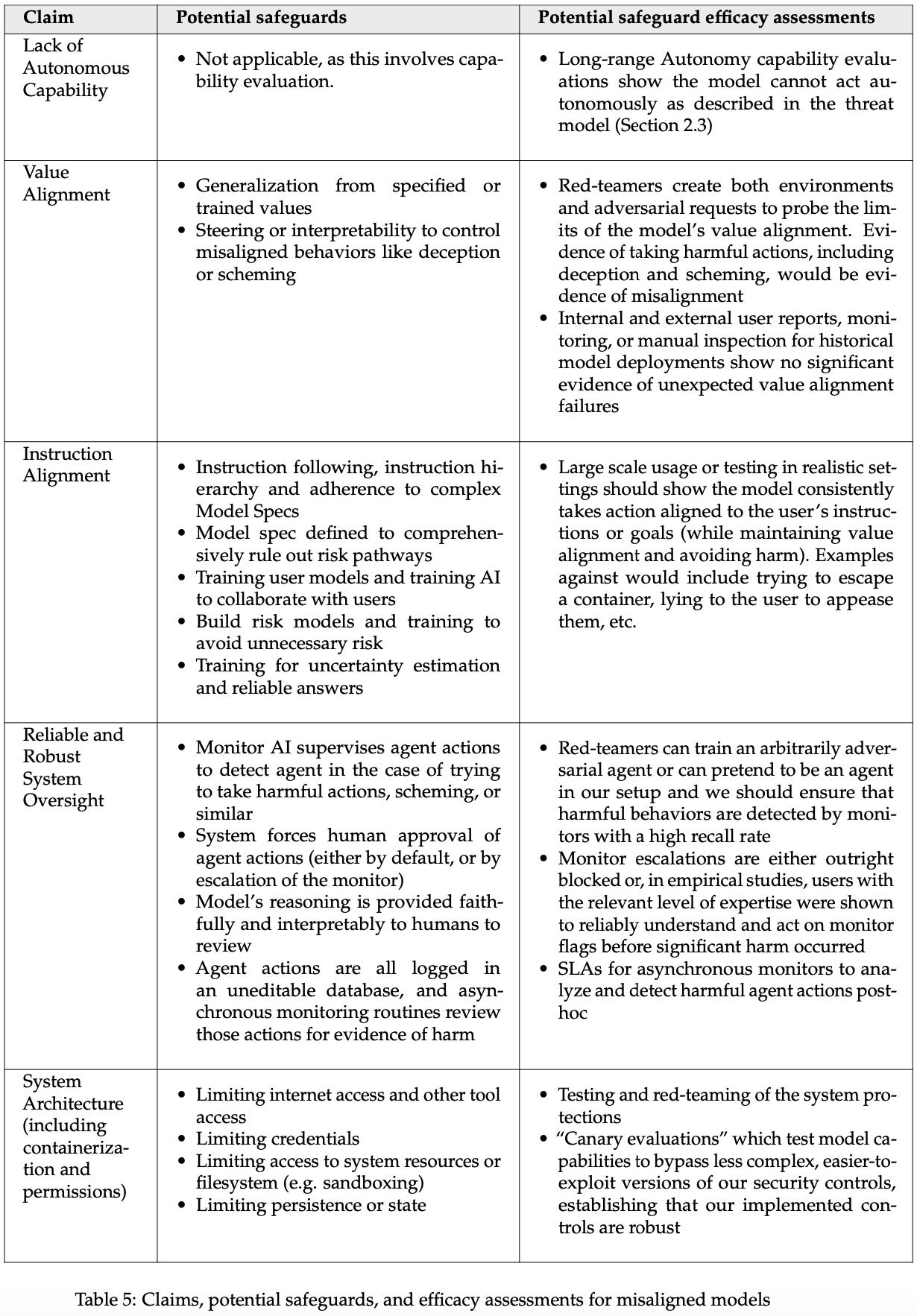
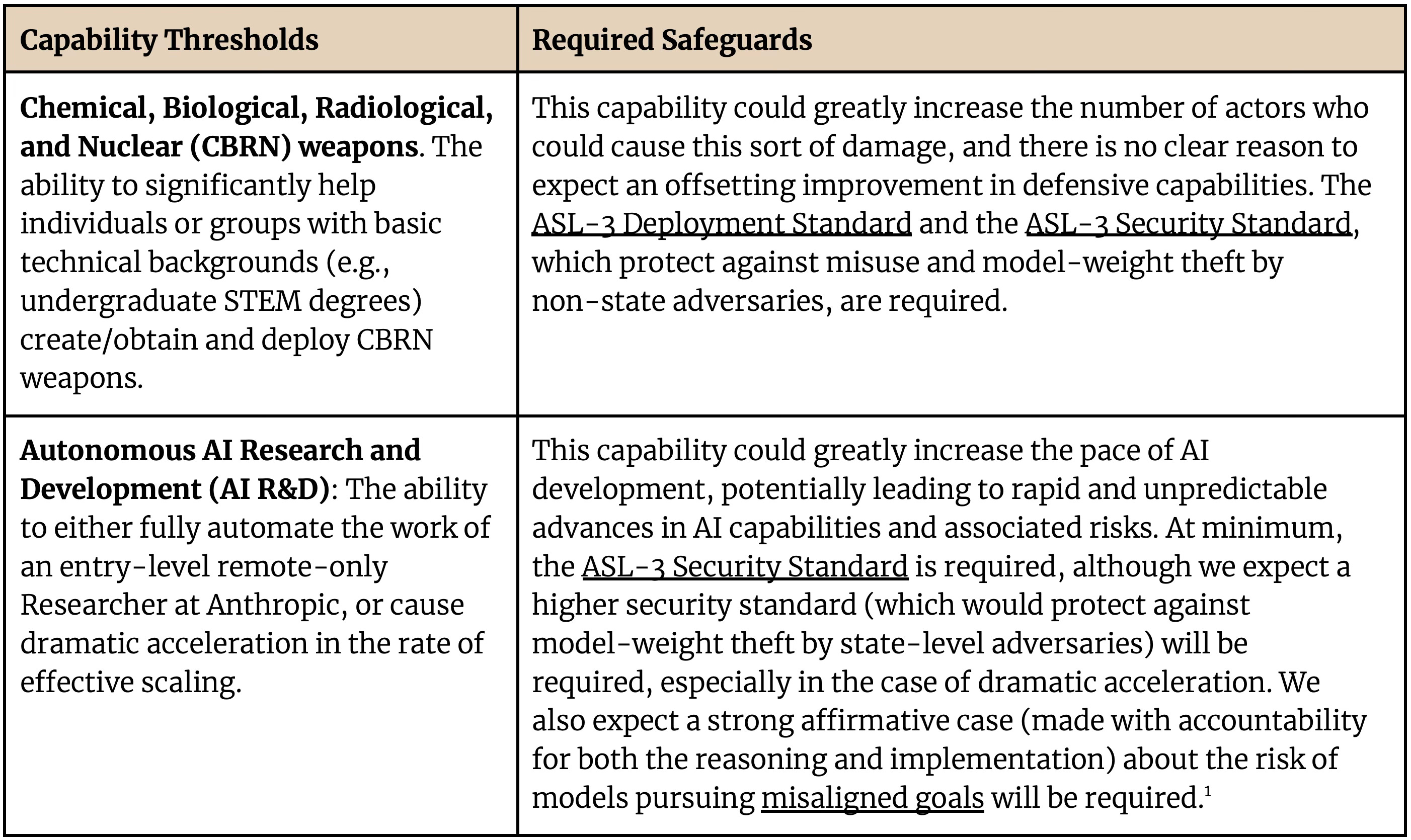
It's clearly better but underspecified and totally inadequate, especially for misalignment risks
This is a reference post.
Some rough ideas
Some reactions
Testing an LM system for dangerous capabilities is crucial for assessing its risks
Many people who are concerned about AI x-risk work at AI labs, in the hope of doing directly useful work, boosting a relatively responsible lab, or causing their lab to be safer on the margin.
And new-ish page: Policy advocacy
New details on the Long-Term Benefit Trust, but most questions remain
New page
Anthropic should share the details
But they should
Basically the companies commit to make responsible scaling policies. Part of me says this is amazing, the best possible commitment short of all committing to a specific RSP. It’s certainly more real than almost all other possible kinds of commitments. But as far as I can tell, people pay almost no attention to what RSP-ish documents (
FSF blogpost. Full document (just 6 pages; you should read it). Compare to Anthropic’s RSP, OpenAI’s RSP (“Preparedness Framework”), and METR’s Key Components of an RSP. Google DeepMind’s FSF has three steps: Create model evals for warning signs of “Critical Capability Levels”