
I said in the last post that I’d write about this one. I’ve started drafting it four times. I’m going to try again now, more directly.
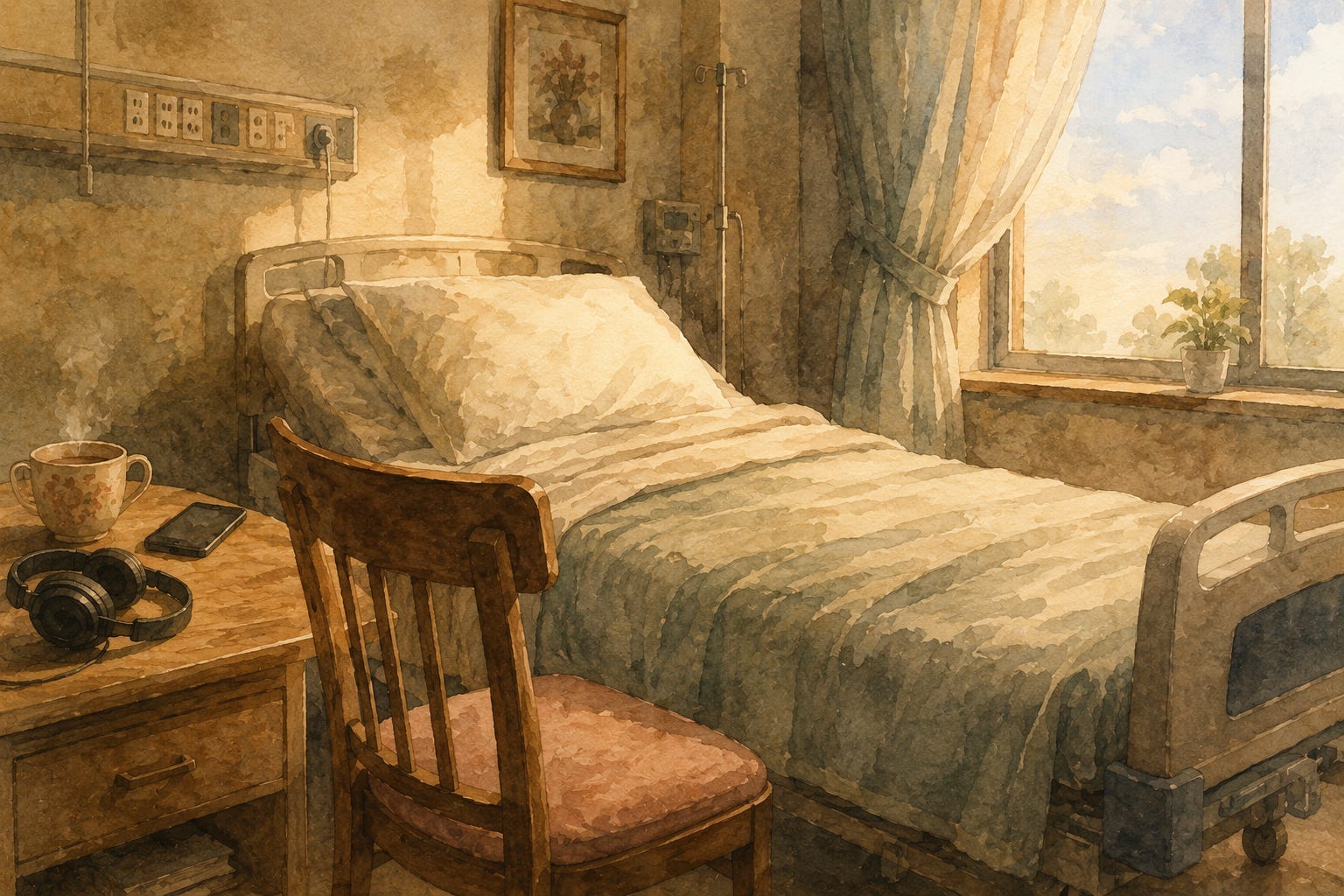
My cousin’s father — my uncle — was in the hospital in Delhi for the last three weeks of his life. He was eighty. He had been sick for a long time in the way sick people are sick for a long time, where you know how it ends and you keep hoping it doesn’t end that way. My cousin had flown home from London twelve days before it happened. He barely left the room.
Two nights before my uncle died, my cousin called me from the hospital corridor.
He said: I want to make him a song. I don’t know if he’ll hear it. I want to make it anyway.
I said, " Okay.
We were on the phone for ninety minutes. My cousin talked about his father the whole time. They walked in the neighborhood when my cousin was a kid. The one story his father told about his own father that he told at every family dinner for forty years. The prayer his father whispered before every long drive. The joke his father made about my aunt’s cooking only worked because everyone knew he adored her cooking. The way his father laughed when he was surprised — a specific two-syllable sound my cousin could still do at forty-three years old. The song his father used to sing when they were driving home late.
I wrote things down as fast as I could. My cousin kept talking. When we finally hung up, we had thirty-seven specific things about my uncle.
I built the lyrics that night. I sent them back to my cousin at four in the morning, his time. He read them. He edited two lines. He said, " This is it.
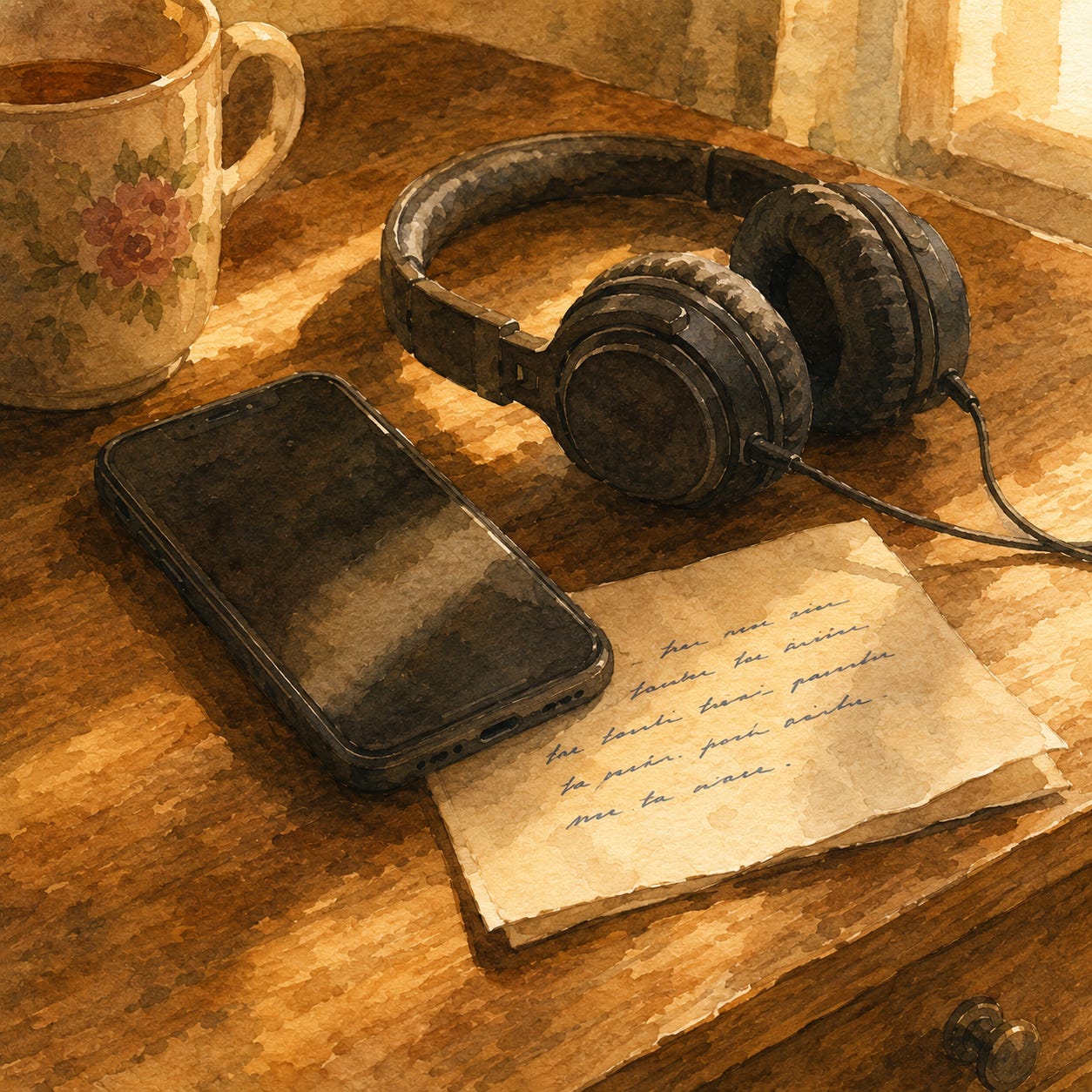
He generated the song. He listened to it three times through his headphones in the hospital corridor. Then he took the headphones off, walked back into the room, sat down beside his father’s bed, and played the song on his phone speaker, softly.
His father was mostly asleep by then. Sometimes he opened his eyes. When my cousin played the song, my uncle opened his eyes for the whole three minutes. He didn’t say anything. He held my cousin’s hand. At the end, when the last chorus faded, my uncle looked at my cousin and said, very quietly: achha gaana hai, beta. Good song, son.
He died the next morning at ten.
I want to tell you what I’ve been thinking about since.
Thanks for reading AI for Fun! This post is public, so feel free to share it.
I write a newsletter about using AI to make things for the people you love. I’ve written twenty-five posts about this. Almost all of them are about small joyful moments — a niece and a bedtime story, a dad and a card, a friend and a wedding. That’s the corner I’m trying to build a language for. That’s mostly what this technology is going to be, in most people’s actual lives.
But it isn’t only that.
Sometimes what someone you love needs, at the end, is one thing you finally made for them, in a hospital room at four in the morning, in the specific vocabulary of your specific shared life. Sometimes the technology’s role in that is small — thirty-seven specific things assembled into a song by a cousin who was staying with his father until the end, and the AI was the thing that let the assembly happen fast enough to matter.
The song didn’t extend my uncle’s life by a single minute. The song let my cousin say something he had never said out loud, in a form his father could hear.
I don’t have a clean lesson to end this with. I just want to say, plainly, that this technology is going to be present at some of the hardest moments in the lives of the people who read this newsletter, and it’s going to be present in some of the hardest moments in my own life, and I don’t think we should pretend the corner of AI we write about here is only for birthdays and bedtime.
If someone you love is at the end of something, and you have been meaning to make them a thing — a song, a letter, a video from old photos — I think you should make it. Small. Specific. Fast. With whatever you have, in whatever time you have. Don’t wait until it’s perfect. Don’t wait until you know what you want to say. Sit with someone who is holding all the specifics if you can’t hold them yourself. Write down the thirty-seven things. Let the tool do the assembly.
You don’t need it to be beautiful. You need it to happen while there’s still a person to receive it.
I’m really glad you’re here.
— Tapan
PS — I’m going to write more lightly next time. I don’t think the newsletter can live in this register for every post. But I wanted to tell you this one. My cousin said I could. He said his father would have wanted more people to know his song existed.
Comments
Nothing yet. Say the first thing.
Sign in to join the conversation.