
ChatGPT Agent: OpenAI’s Virtual Assistant That Can Research, Plan, and Execute for You: The Agent runs on a virtual computer with tools like a browser and terminal, mimicking how a person might work online. It merges OpenAI’s Operator and Deep Research tools, making it easier to handle complex tasks. Built-in safety checks will ask for permission before irreversible actions and block things like financial transactions.
Perplexity’s CEO on why the browser is AI’s killer app: Aravind Srinivas on Perplexity’s new Comet web browser, the AI talent frenzy, and a future IPO. Srinivas sees Comet as an eventual OS-like layer for productivity, with agents handling long-horizon tasks like recruitment sourcing or marketing research within the browser.
Amazon Targets Vibe-Coding Chaos With New ‘Kiro’ AI Software Development Tool: Kiro emphasizes structured planning, autonomous agent support, and enterprise integration. Now in free preview, it positions Amazon as a major player in the agentic tooling space.
Microsoft’s Copilot is Getting Lapped by 900M ChatGPT Downloads: Microsoft's Copilot app has 79M downloads compared to ChatGPT's 900M+, despite Microsoft investing tens of billions in AI infrastructure and having a partnership with OpenAI. While Microsoft has leverage with corporate clients through existing relationships, it lacks the same influence with consumers. Many office workers still prefer ChatGPT over workplace Copilot.
Tim Cook Isn’t Going Anywhere Soon, But an Apple Shake-Up Looms: Despite internal shakeups and high-profile exits, Apple CEO Tim Cook remains firmly in charge, with no clear successor immediately ready. Apple is facing criticism over stalled innovation, AI struggles, and design backpedaling — including scaling back the bold “Liquid Glass” UI in iOS 26 after early backlash. Meta recently poached Apple’s top AI models lead, Ruoming Pang.
Meta’s New Superintelligence Lab Is Discussing Major A.I. Strategy Changes: Members of the lab, including the new chief A.I. officer, Alexandr Wang, have talked about abandoning Meta’s most powerful open source A.I. model in favor of developing a closed one.
Google and OpenAI are vying for top AI mathlete: In a historic first, advanced AI systems from Google DeepMind and OpenAI matched top human performance at the 2025 International Math Olympiad (IMO), solving complex problems designed to test creativity and deep reasoning. Both companies emphasize these are experimental models not yet available to the public, though Google suggests its core tech is close to being tested by working mathematicians.
Microsoft and OpenAI's AGI Fight Is Bigger Than a Contract: A contractual clause in Microsoft and OpenAI's deal reflects the divide between AGI believers and skeptics. With Sam Altman now suggesting AGI could arrive this year, Microsoft faces losing access to OpenAI's cutting-edge models while being contractually banned from developing its own until 2030.
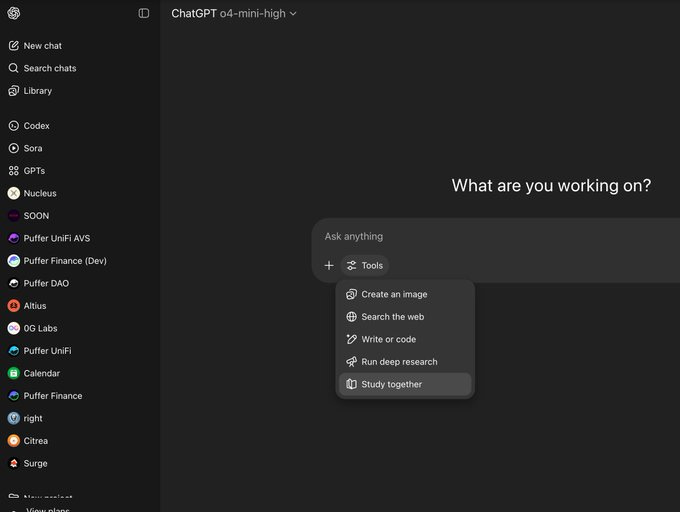
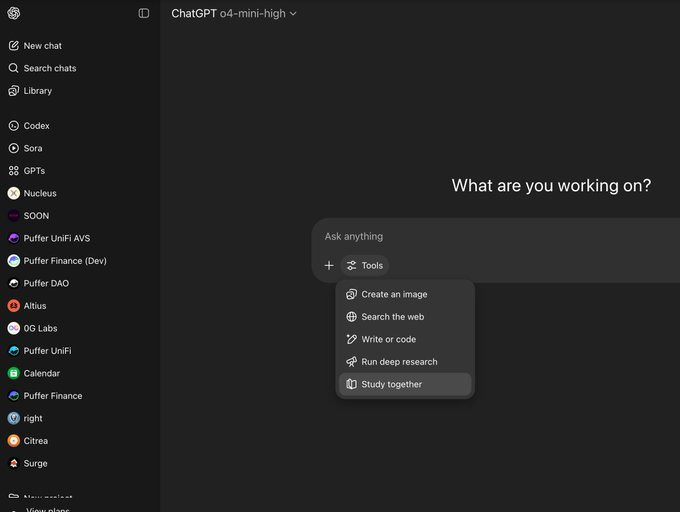
ChatGPT is testing a mysterious new feature called ‘study together’: Some users are spotting a new, unannounced feature called “Study Together”. Though OpenAI hasn’t confirmed its rollout plans, the feature hints at a more interactive, accountability-focused educational approach. It may be OpenAI’s response to Google’s LearnLM and Anthropic’s Learning Mode, focusing on encouraging genuine comprehension over shortcut solutions.
“I Teach Creative Writing. This Is What A.I. Is Doing to Students”: Yale professor Meghan O’Rourke reflects on how generative A.I. is changing the landscape of writing, creativity, and student learning. A.I. tools simulate thought and emotion convincingly, but lack human interiority, producing prose that feels competent but hollow. The deeper concern isn’t cheating, but the erosion of human attention and the joy of inventiveness that writing demands and rewards.
The Economics of Bicycles for the Mind: How Cognitive Tools Reshape Work and Decision-Making: This paper models how cognitive tools like computers and AI amplify mental capabilities. It shows these tools substitute for implementation skills and always support opportunity judgment, but not necessarily payoff judgment—helping explain productivity gains and differing impacts on inequality.
Microsoft Pledges $4 Billion Toward A.I. Education: Microsoft aims to train 20 million people in AI through its new Elevate Academy, offering certifications and large-scale educational resources. Funding will support schools, technical colleges, and nonprofit groups. The company is also backing an “Hour of AI” program through Code.org.
Google launches new program to train workers in AI: “AI Works for America” is a new workforce initiative aimed at equipping Americans, starting in Pittsburgh, with the skills needed to thrive in the AI era. The move comes as tech companies face criticism for hyping AI’s promise while offering few concrete retraining plans.
Stanford “AI + Learning Differences” Report Highlights AI’s Potential to Support Inclusive Education: A new white paper from Stanford’s Accelerator for Learning says AI can reshape education for students with learning differences—but only if it’s built inclusively, with their voices at the center. The new white paper offers 12 key recommendations, from co-designing with disabled learners to training educators and shaping inclusive policies.
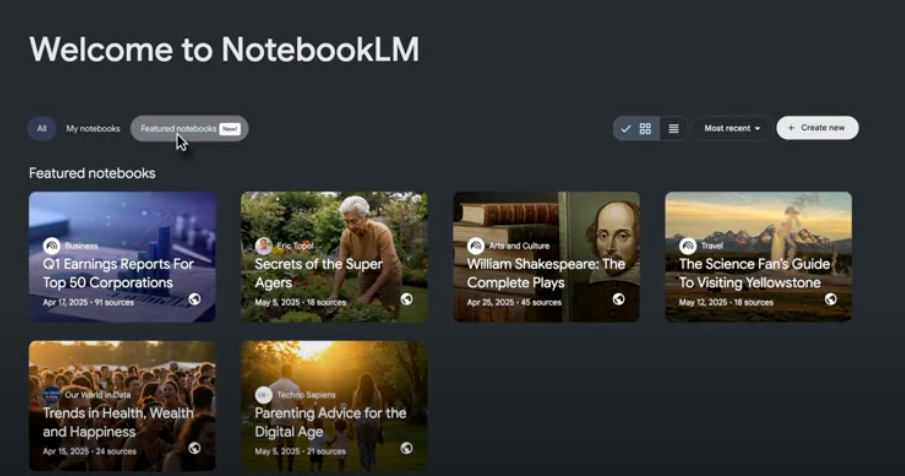
NotebookLM’s Featured Notebooks: Google is turning NotebookLM into a curated destination for in-depth learning. With newly added featured notebooks from The Economist, The Atlantic, renowned researchers, and even Shakespeare, users can now explore rich topics with interactive tools like AI Q&A, citations, mind maps, and audio summaries.
America's Biggest Companies Warn of AI Investment Risks in SEC Filings: 75% of S&P 500 companies have updated their SEC filings to include AI-related risks in the past year. IT, Finance, and Communication Services sectors show the highest increases in AI risk disclosures. 11% of companies explicitly warned they may never see ROI on AI investments or realize expected benefits.
Free and Open-Source Kimi K2 Outshines GPT-4 in Key Areas: Moonshot AI’s new language model, Kimi K2, is fast, efficient, and comes with a radical pricing model that undercuts players like OpenAI. Rather than just chat, Kimi K2 performs actions (coding, statistical analysis, or planning a trip) autonomously, marking a shift from conversational to functional AI.
Google’s Gemini API Now Powers Veo 3: Veo 3 generates synchronized visuals, dialog, music, and sound effects from a single prompt—making it a full-package video creation tool. The model is accessible only through Google Cloud’s paid tier at $0.75 per second, significantly pricier than earlier versions. A cheaper and faster “Veo 3 Fast” mode is in the works but hasn’t launched for API users yet.
OpenAI Hits Pause on Open-Weight Model Release: OpenAI has indefinitely delayed the launch of its open-weight model, originally slated for mid-July, citing the need for deeper safety evaluations. This is the second postponement in recent weeks.
Netflix Uses Generative AI in One of its Shows for the First Time: Netflix used generative AI in a show for the first time, applying the tech to speed up visual effects in the Argentinian series El Eternauta. CEO Ted Sarandos framed it as a way to empower creators, not replace them (though the move comes amid broader industry concerns about AI's impact on jobs).
AI Researchers Warn: Monitor AI 'Thoughts' Before Transparency Window Closes: AI researchers across major labs are pushing the tech industry to study how to monitor AI models' "chains-of-thought" - the externalized reasoning process where models work through problems step-by-step. This monitoring could be crucial for controlling increasingly capable AI agents, offering rare insight into AI decision-making. However, this transparency may be fragile and could disappear without dedicated research.
OpenAI Faces Pressure to Reinforce Its Nonprofit Roots: An independent advisory commission recommends that OpenAI maintain and strengthen its nonprofit governance, arguing that the power of AI is too consequential to be left solely in corporate hands. This comes as OpenAI transitions to a public benefit corporation model and faces scrutiny over its governance and accountability.
White House Prepares Executive Order Targeting ‘Woke AI’: It would require AI companies with federal contracts to be "politically neutral and unbiased", aiming to combat what officials see as overly liberal AI models. Other planned orders focus on promoting exports of U.S. chips and AI tools to friendly countries and speeding up data center permitting and energy production.
Meta Says It Won’t Sign EU’s AI Code, Calling It Overreach: Meta argues it creates legal uncertainty and exceeds the AI Act’s scope. The move marks another flashpoint in the ongoing tension between U.S. tech giants and European regulators. Violating the AI Act could cost companies up to 7% of annual revenue, with enforcement beginning in stages, starting next month for general-purpose AI models.
Court Clears Path for Authors to Sue Anthropic Over Pirated Training Data: A federal judge has greenlit a nationwide class-action lawsuit against Anthropic, allowing U.S. authors to challenge the company over alleged use of pirated books for AI training. The ruling emphasizes that storing pirated books, even if used “transformatively” later, is distinct from fair use and potentially illegal.
The Hyperpersonalized AI Slop Silo Machine Is Here: The low cost and high volume of AI slop mean even small engagement rates can make the effort profitable, especially when linked to ad-filled, AI-generated “news” sites. Examples span from Kelly aiding in floods to Blake Shelton rescuing dogs, showcasing how AI exploits emotional or dramatic events for engagement.
Elon Musk’s Grok is making AI companions, including a goth anime girl: xAI’s new $30/month “Super Grok” tier now includes two animated AI companions. While they bring visual flair and flirtatious vibes, it’s unclear whether they’re just aesthetic re-skins or designed to foster emotional (or even romantic) engagement. Academics warn of risks like emotional dependency and social withdrawal from engaging with anthropomorphized AI.
Scale AI to Cut 14% of Staff Following Meta Investment: The AI data-labeling company is laying off 200 full-time employees and will stop working with 500 contractors.
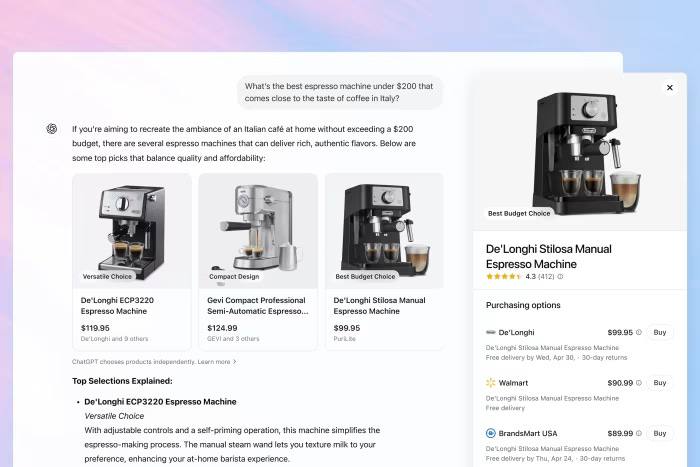
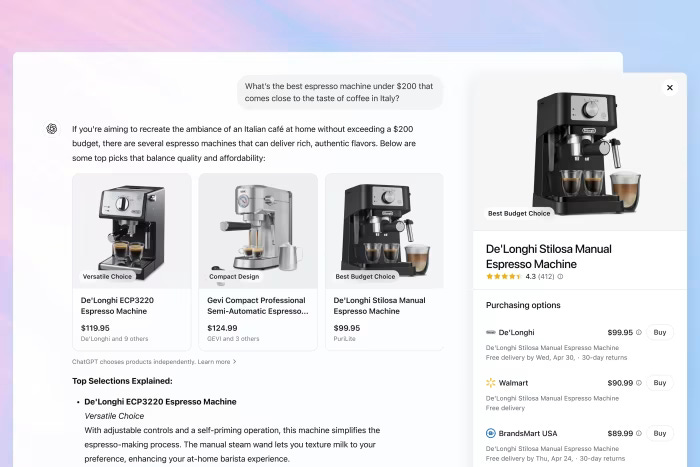
OpenAI Builds Checkout Integration to Pursue E-commerce Revenue: This marks a major pivot for the $300bn company, which currently relies on premium subscriptions for revenue. The move would monetize ChatGPT's free users while threatening Google's search-based business model as consumers increasingly use AI chatbots for shopping.
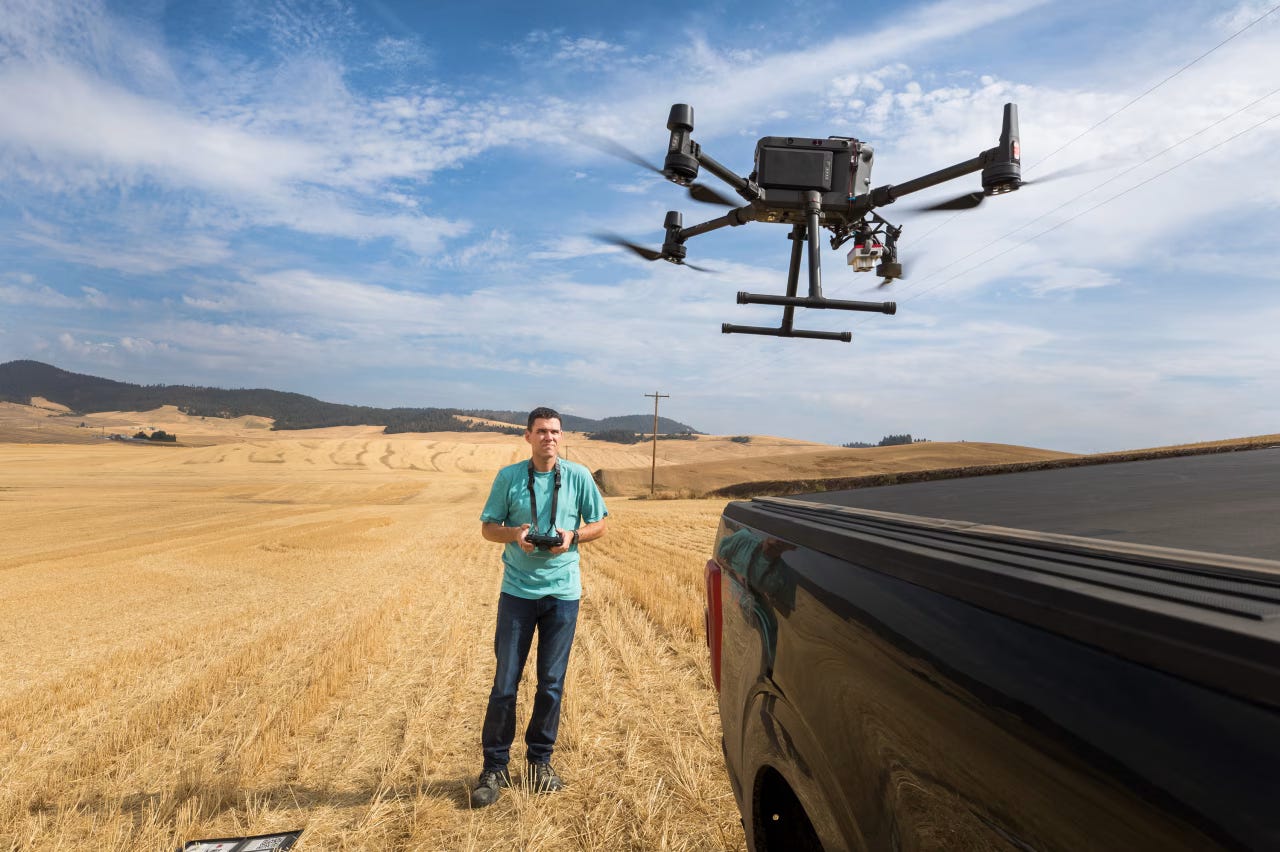
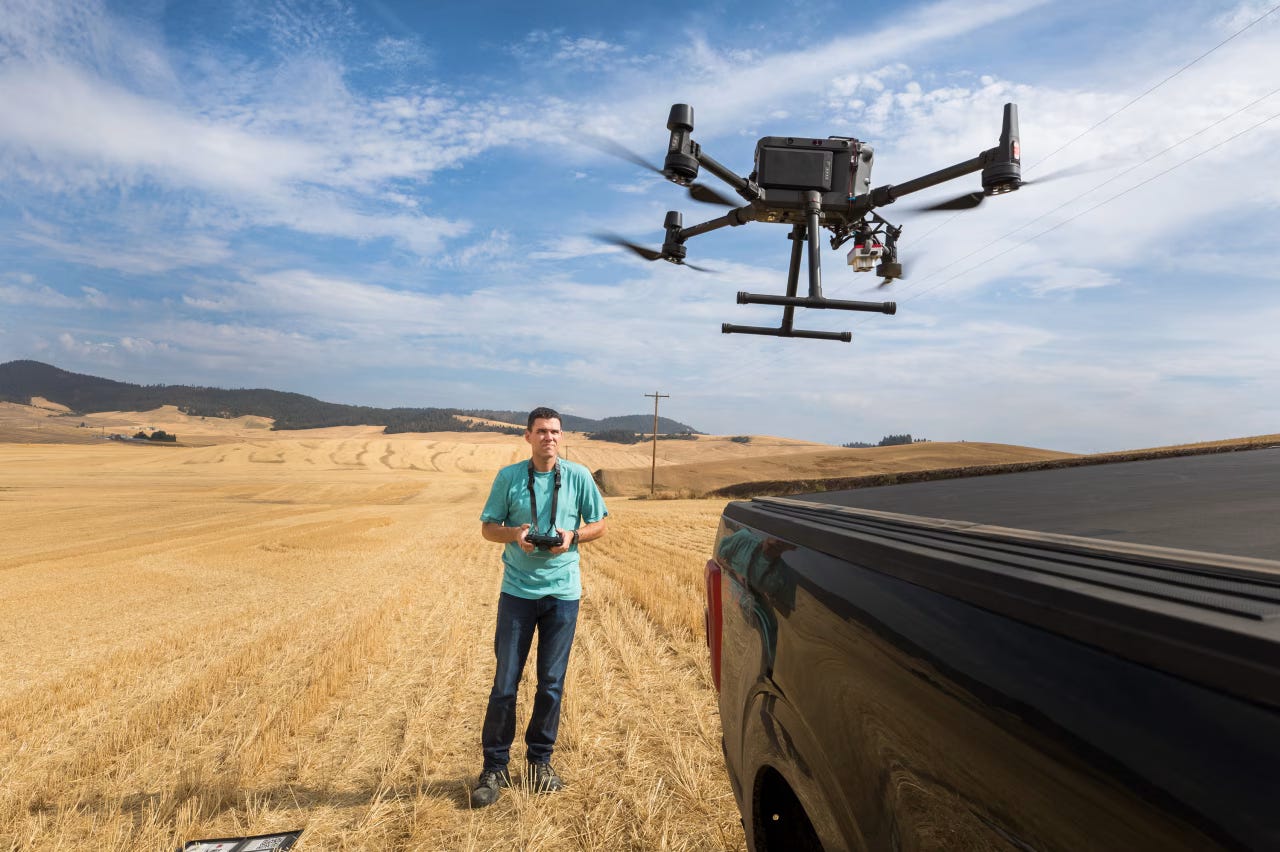
Drones, AI and Robot Pickers: Meet the Fully Autonomous Farm: Farmers are transitioning from manual labor to monitoring dashboards and high-level decision making while AI-guided fleets of tractors, drones, and harvesters operate based on real-time soil and weather data.
No posts
Comments
Nothing yet. Say the first thing.
Sign in to join the conversation.