
In news that shocked absolutely nobody, Adobe have today (25th of June 2026) announced that they are purchasing TopazLabs - the developer of generative AI tools even worse than Adobe’s own Firefly models. The deal is expected to close in the second half of 2026 and will enable Adobe to embed Topaz’s ‘advanced’ models into Photoshop, Lightroom and Premiere Pro.
TopazLabs were the first company to bring commercial machine-learning models to post-processing workflows when they released their storied trio of apps - AI Denoise, AI Sharpen and AI Upscale - back in 2019. Once beloved by photographers, the quality of Topaz’s software began a slow but steady decline until they reached rock bottom with Photo (AI), an app seemingly designed as a practical joke.
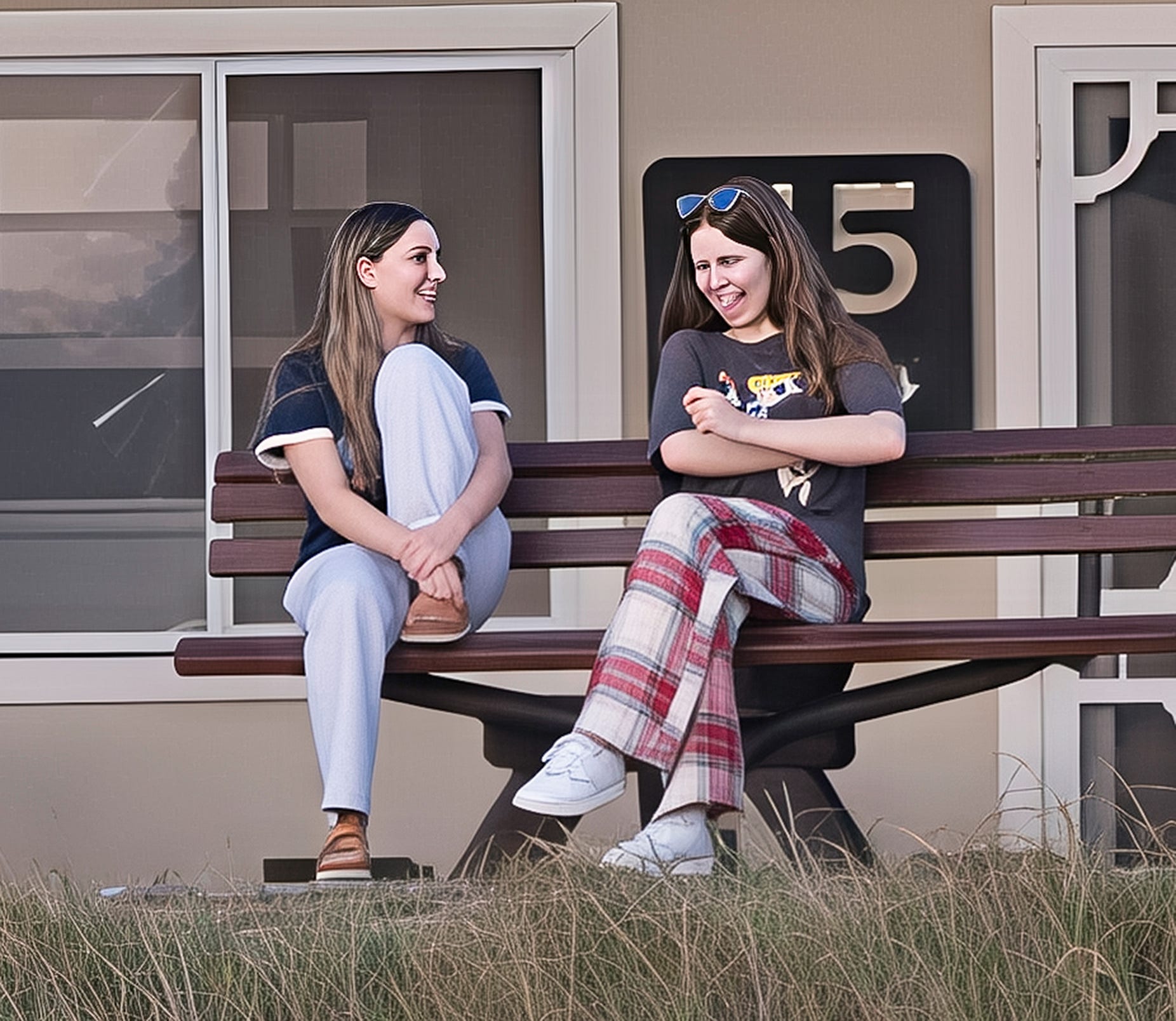
The steady decline in quality of Topaz’s various products, recently unified under the Topaz Studio brand, has been in inverse proportion to its pricing. The decline in their reputation began when they grandfathered the three original AI apps and combined them into a new app, originally called Photo AI, which jettisoned the much-loved early models in favour of generative horrors that turned photographs into smeared, plastic parodies of the originals.
So poor were Topaz’s later efforts that many photographers (including myself) chose to keep the original specialist apps - Denoise, Sharpen and Gigapixel - Sharpen AI in particular remains far and away the best and most sympathetic stand-alone AI sharpening tool I’ve ever used.
Adobe’s in-house AI model - Firefly - is not much better than Topaz’s efforts, though more recently their generative expand and fill models have greatly improved. But it was still a nasty shock when (in October last year) Adobe decided to include those same woeful Topaz models in Photoshop and then charge you Adobe AI credits to defile your photographs with them.
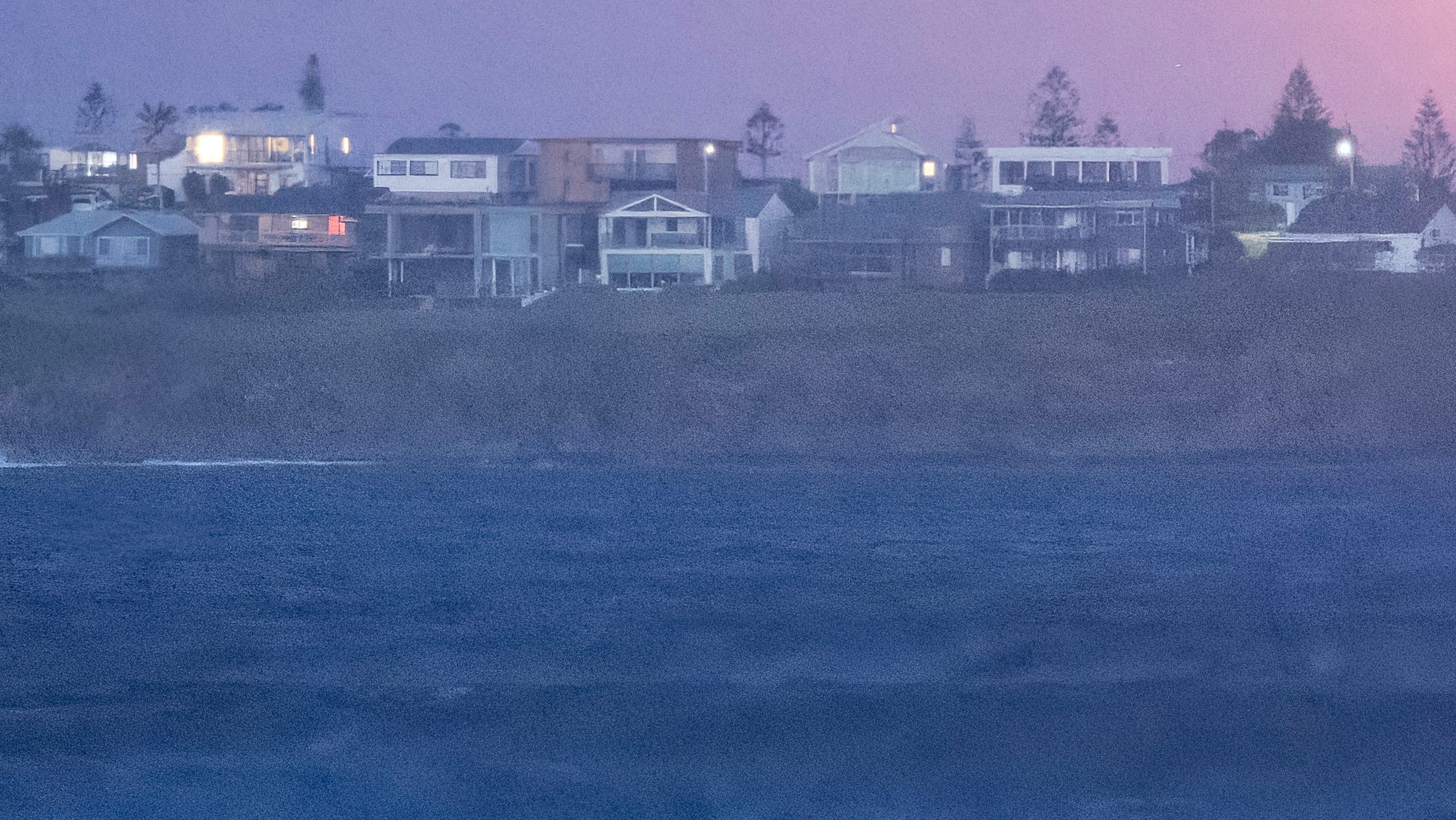
All of my testing of both Topaz’s own AI apps and their model’s implementation in Adobe’s apps showed that they were among the worst upscale and denoise models on the market. Fortunately Adobe included access to Nano Banana Pro with later releases of Photoshop, which does a far superior job.
There are of course wider questions about these second-generation generative models and their use in post-processing. The reason photographers supported Topaz’s original AI apps was that they worked in concert with a photograph’s detail, colour and patina. But these new models are far more intrusive and quite literally replace your original photograph with a version that is merely based upon your original image. They do not scan for and modify individual pixels in an image, they recreate the entire frame, treating your original as a loose reference rather than a source of truth.
Eric Yang, CEO of Topaz Labs, said “Building technology to make images and videos look their absolute best has been our life’s work for more than twenty years. We’ve always believed that technology should serve human creativity rather than replace it — and so has Adobe. Together, we believe we can dramatically expand what’s possible for filmmakers and creators everywhere.” The emdash in that quote suggests it was written with some AI assistance, which also had to edit out the sound of Yang howling with laughter, and falling off his executive chair, as he dictated it.
Not that it really matters, but according to Adobe, Topaz Labs products will remain available as stand-alone offerings, and once the toothless regulatory bodies rubber stamp the purchase, CEO Eric Yang will continue to lead the Topaz Labs team. Which of course means that all of the existing products will (mercifully) disappear from public view within a year, never to be heard from again, and Topaz’s model’s will appear rebranded in Photoshop and other Adobe apps with titles like Firefly Hallucinate Pro, Sensei Waxwork and Firefly Vaguely Your Photo.

No posts
Comments
Nothing yet. Say the first thing.
Sign in to join the conversation.