
“Every person in the room gets paid when you say yes. Except the one telling you to slow down.”
Here is the uncomfortable part about being a professional athlete with money and momentum. Almost everyone giving you advice about what to do next has a financial reason to want you to say yes.
Not because they are bad people. Most of them genuinely care about you. But the agent earns a commission on the deal. The manager takes a percentage. The friend you put on payroll wants to stay on payroll. And the brand offering you a check for six posts wants six posts. Every voice in that room is, in some small or large way, compensated by the yes.
The person who says “I’m not sure this is right for you, let’s pump the brakes” is the rarest voice in the building. And usually the most valuable.
If you want the one-line version: before you sign anything that touches your name, get one independent read from someone who does not get paid when you say yes. That is the whole article. Everything else is why.
The single most common piece of bad advice athletes and entertainers get, from people who genuinely mean well, is this: you need to appeal to Gen Z, and you need to be everywhere they are.
It sounds right. Gen Z is the “it” audience. Short-form is where the attention is. Build the following, land the brand deals, monetize the reach. On paper it’s a clean strategy.
In practice it is a treadmill. Short-form platforms require constant content and regular uploads. They require a social spend budget, because organic reach alone does not carry a brand anymore. Content creation for a serious social presence runs $1,000 to $8,000 per month, and a full multi-platform operation with management, content, and paid amplification lands most operations in the $15,000 to $50,000 per month range and climbs from there.
And the algorithm can change without notice. The followers you spent two years and real money building can ebb and flow based on decisions made in a room you will never see. The whole value proposition becomes get what you can while it is there, which is a stressful way to build anything, and it is why burnout is real. The pressure to feed the machine daily does not pair well with also having an actual career, or an actual life.
“High-engagement platforms are not for everyone in the public eye. And nobody tells you that before you commit.”
Here is the part I say to every client, and I will say it here. Do not read the comments section. Do not engage. The internet is forever, and not every comment is a good one. There is no version of reading the bad ones that makes you better at your job or happier in your life. The people advising you to maximize engagement rarely mention that maximizing engagement also means maximizing exposure to the worst of it.
Now the money part. Because the money is where the well-meaning advice gets genuinely expensive.
Building a platform can absolutely result in lucrative brand deals. That is real. But it also means more output outside the profession you actually have a contract for. And it introduces a risk that nobody in the room is incentivized to slow down and name.
A good advisor does a real job aligning which brands help your image and which ones hurt it. But I have watched it happen more than once: a client gets convinced to do the deal because the money is too good to pass up, and it is only for a set number of posts, or a set number of months. The logic is airtight in the moment. The check clears. And then the problem shows up later.
Because if the person does not actually align with the brand, poor brand association is a real problem, and not everyone can rebound from it. This is not a hypothetical. Athletes have lost major endorsements and seen their commercial value collapse over associations that looked fine on the day they signed. The research is clear: an athlete’s brand value depends on public perception, and a misaligned or damaging association spills over onto everything else the athlete is trying to build. The connection runs both directions.
And there is a clock on all of it. Commissions are real, and every athlete, performer, and even CEO has a shelf life. That is exactly where the take-it-while-it-is-available mentality comes from, and it is why the people around you are motivated to close now. The urgency is not fake. It is just not always aligned with your long-term interest.
It is somebody’s job to bring you lucrative opportunities. That is a good and necessary function. But I believe there always needs to be an independent third party who gives the final thumbs up or thumbs down once everything the career holds, past, present, and future, has actually been scoped.
Not someone who profits from the deal closing. Someone whose only job is to look at the whole picture and tell you the truth.
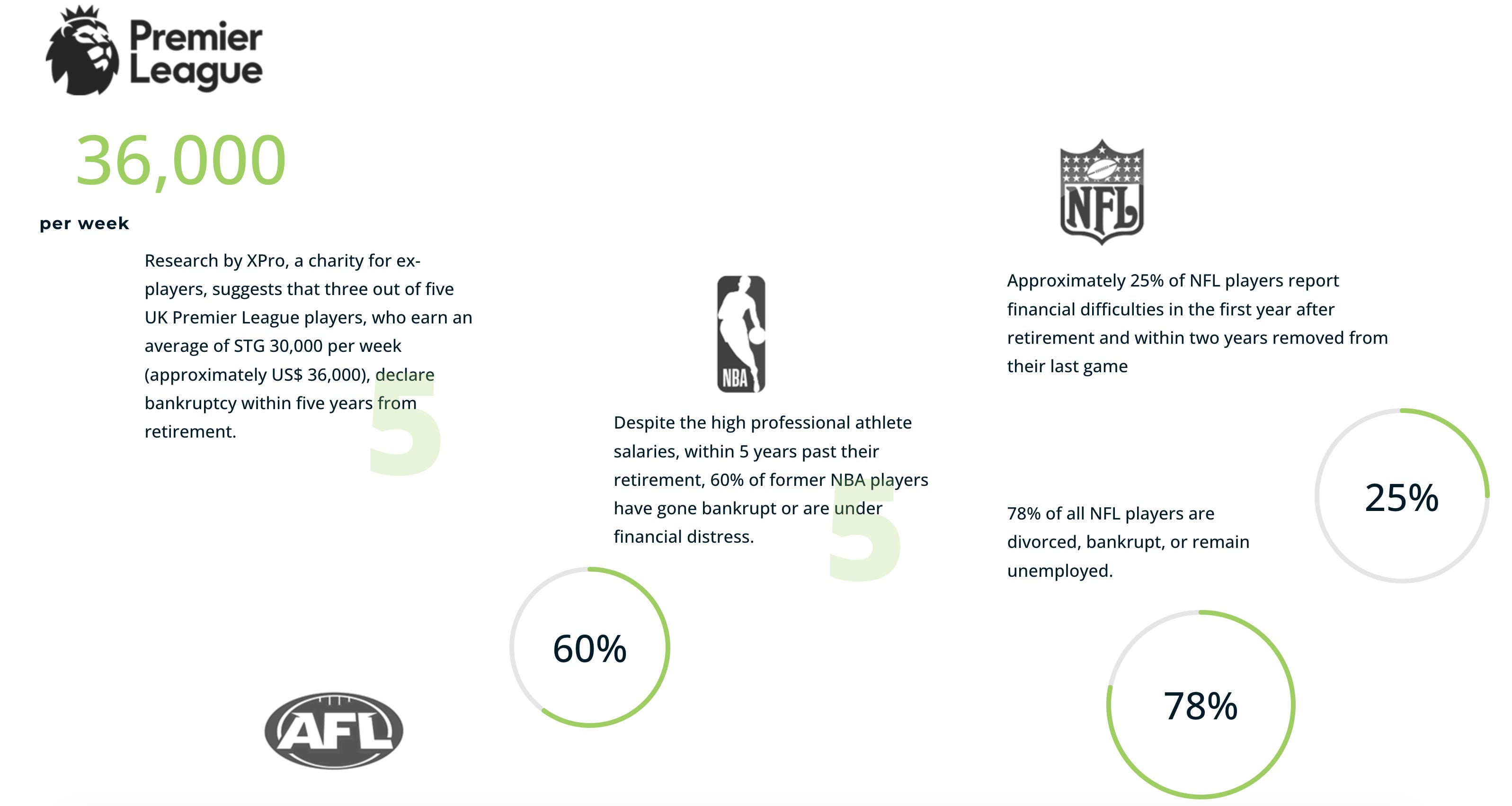
“Why do you think so many athletes pay their friends to stay close? They want yes men. Then they are broke five years later and the friends are in the wind.”
It is a tale as old as time, and it is not really about the friends. It is about the absence of a single honest voice with no financial stake in the answer. When every person around you is compensated by your yes, agreement becomes the product. And agreement is the one thing you do not need more of.
What an athlete or performer actually loses in these moments is bigger than money, though the money goes too. They lose their identity, their dignity, and their truth when they take a deal they have no real interest in, chasing the total number of zeroes it ends in. You cannot see that cost on the day you sign. You see it later, in every room where you have to explain who you are and the answer no longer matches what you put your name on.
So here is the actionable version, because this is the part you can use.
When an opportunity is presented to you, run it through three filters before you run it past the people who get paid when you say yes.
One: are you truly passionate about it? Does it excite you to the point that you can see yourself using it, speaking highly of it, or giving it your all once the playing days are over? If the honest answer is no, the number of zeroes does not fix that. It just delays the reckoning.
Two: do you believe in the vision behind it? If it is a business or a brand, do you believe in the founder and where they are taking it? Belief is the thing that carries a partnership through the parts that are not fun.
Three: are you willing to bet on it? This is the one that separates the real opportunities from the vanity ones. I love to see a person in a position of power take an equity stake, because it means they will do everything they can to help it succeed. They believe in the long play. They are not suckered in by immediate ROI. I get worried when a person with more clout, money, and resources will not bet on themselves. The old saying is that rich people do not spend their own money, but times have changed. More athletes and performers want to be CEOs than ever. They want to make the tough calls. That is the entire gap between the celebrity entrepreneur and the one waiting on the next contract to move money around.
If an opportunity clears all three, and you have the excess capital, use it to pay it forward into the thing you actually believe in.
I will tell you how I make these calls myself, because I am not asking anyone to do something I do not do.
I have been most successful when I take counsel from people I believe in, who are successful in their own field (not just the one I’m in), and I compare their read to my own gut instinct. When those two things align, I know it is a wise play. When they do not, I slow down. That is the whole method. Trusted outside counsel, checked against your own instinct, with no commission clouding either one.
That is what an independent advisor is supposed to be. Not another voice telling you what you want to hear. A voice you trust, comparing notes with the instinct you already have, so you can make the call with your eyes open.
Everything we do at Afterburn Advisory is built to be that voice. We scope the whole picture, past, present, and future, before anything gets a yes. We have no commission riding on the deal you sign. Our only job is to give you the honest read, so the thing you put your name on is the thing you actually believe in.
If you have a decision in front of you and you want one independent read before you sign, that is exactly what we do. Start at afterburnadvisory.com/advisory.
No posts
Comments
Nothing yet. Say the first thing.
Sign in to join the conversation.