
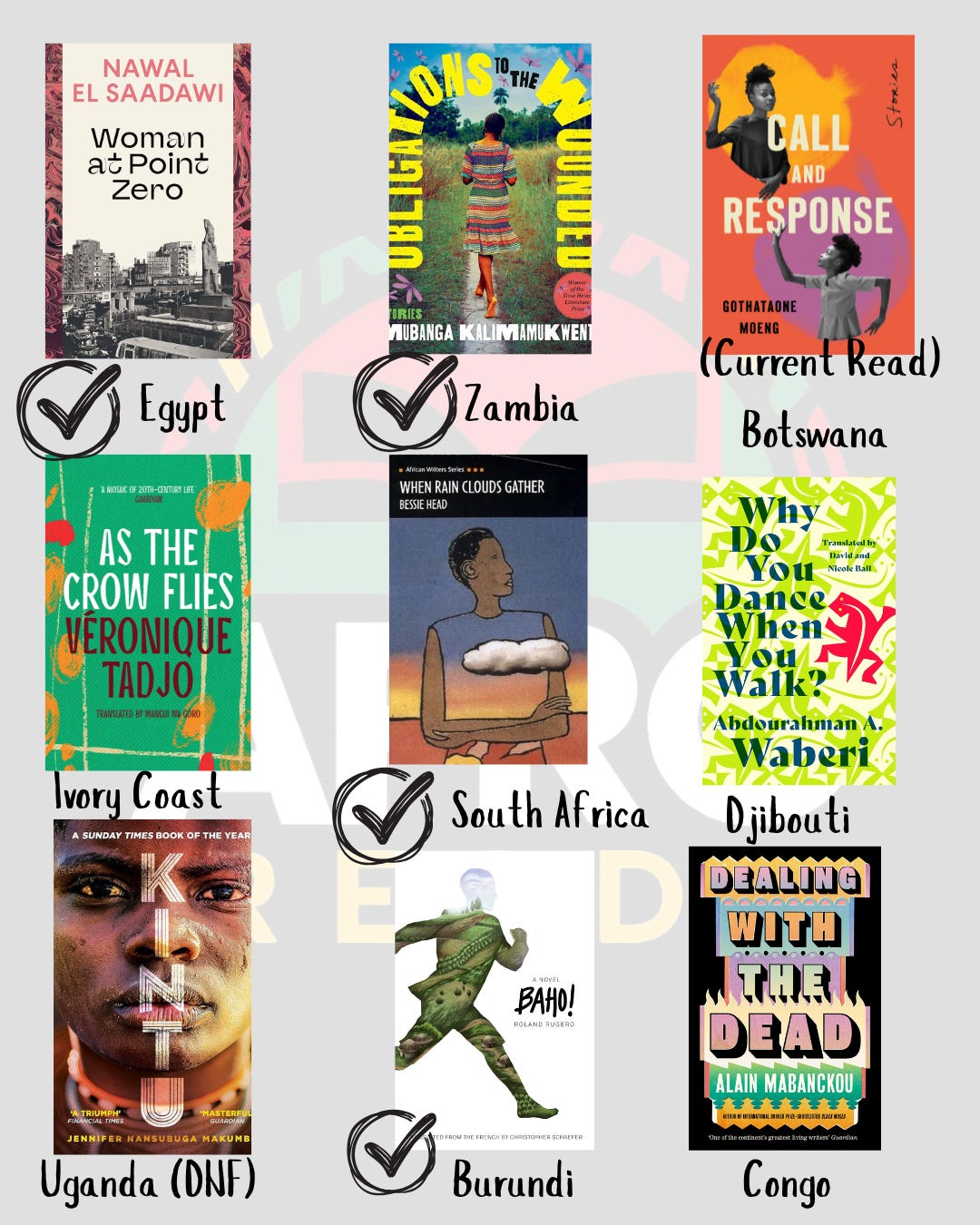
Greetings, it seems like the year is moving faster than the speed of light. Reminds me of when I was a child how my mama would say when you get older, time flys, and here we are, the month of May is halfway over.
I didn’t realize that I haven’t posted an African novel book review since February. It’s overdo for an update.
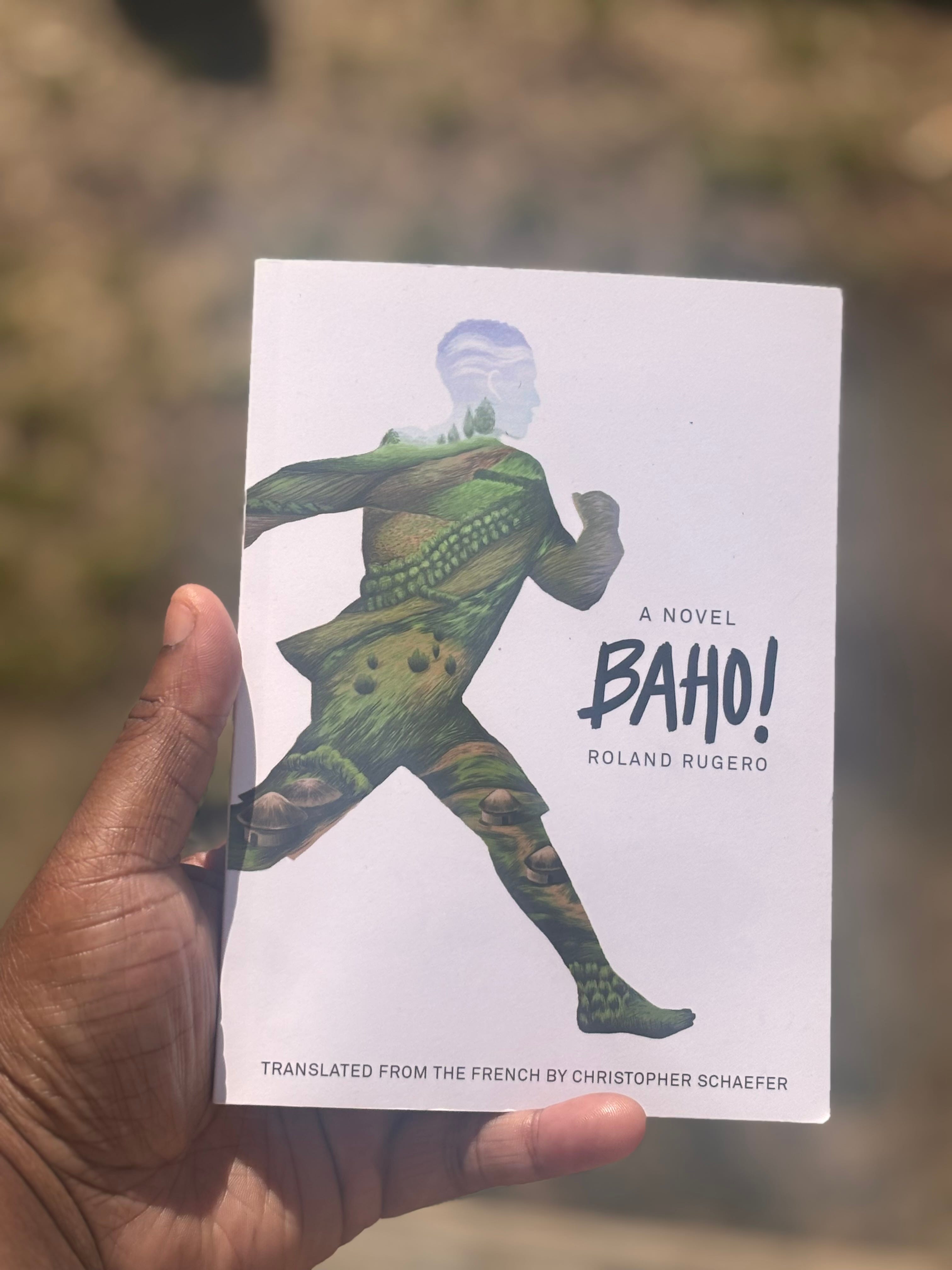
With May being Read African Month, across the globe people are taking on the challenge of discovering African Literature. If you want a short read, I highly recommend adding Baho! to your collection. It has an historic reference of being the first Burundian novel translated into English. When I say the first to be translated into English, unfortunately, I do not mean that it was published in Kirundi, the countries native language. Like many African novels, this work was published in French in 2012; being that it the country’s colonized language. It wasn’t until 2015, that this novella reached predominately English speaking countries bookshelves.
Now, that we’ve gotten the intro out of the way, let me answer the question in the title — why is this novella barely mentioned in African literary circles?
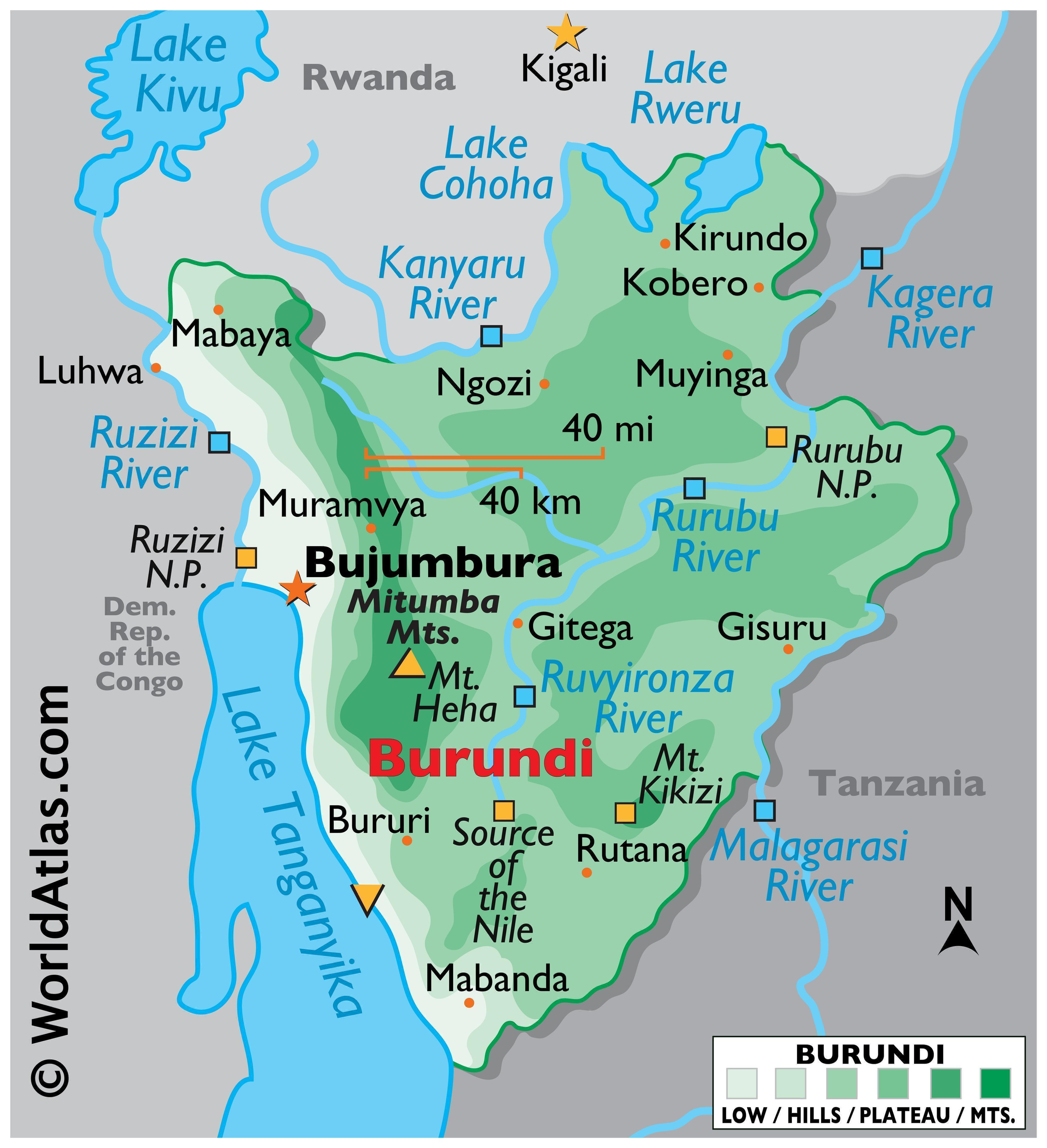
For one, Burundi is a small country that doesn’t have the literary push other countries like Nigeria, Kenya, & South Africa have in order to put their country on the map.
Two, the piece is short, so it isn’t major pressure on a reader who is just discovering African Literature
Third, the author, did not shy away from Kirundi. There are words, phrases, and proverbs in every chapter that highlight the countries culture and traditional morals.
Lastly, I know you’ve been waiting, what is Baho! even about??
Baho! in English translation means “to live” “to exsist” or “be strong”.
The story is being told by multiple points of views; mainly from the prospective of an elder lady, who is blind in one eye and witnesses the turmoil coming on around her.
The main character, Nyamuragi, a young man who is mute becomes wrongfully accused of rape due to a misunderstanding.
“Man is all-powerful. He is to be feared. And fear, at its root, is but an unspoken questioning.
He had made a vow to hold his tongue.
He enclosed himself in a silence as thick as the wool of his sheep and his big-headed ram. Since then he had despised words.
He believed in gestures and things. It wasn’t from some long and grandiose pronouncement that his parents had died, but from machetes and hate, from the lethal blow of an axe.
Because of this, he had been uprooted. The growing tree, the axe that lays it low… deadly things.”
He goes through a terrorizing process of the men deciding how he should be punished. Ultimately, they decide on a lynching. Nyamugari’s fear of mans vicious acts, inflict his livelihood once again.
This how a country reacts post-war.
A misunderstanding invokes fear.
All of this in a less than 100 pages.
StoryGraph Travel Africa Challenge
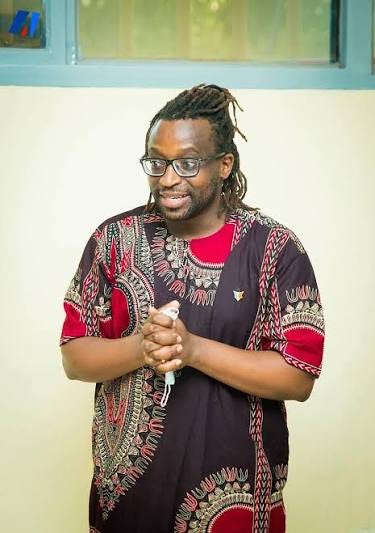
Born in 1986 in Burundi, Roland Rugero grew up in a family where reading was a favorite pastime. He has worked as a journalist in Burundi since 2008. His novels include Les Oniriques and Baho!, the first Burundian novel to be translated into English. Rugero has held residencies at La Rochelle and at Iowa's prestigious International Writing Program. In addition to his work as a writer, in 2011 he wrote and directed Les pieds et les mains, the second-ever feature-length film from Burundi. Rugero is active in promoting Burundi's literary culture, co-founding the Samandari Workshop and helping found the Michel Kayoza and Andika Prizes. He lives in Bujumbura, Burundi.1
https://www.deepvellum.org/authors/roland-rugero
No posts
Comments
Nothing yet. Say the first thing.
Sign in to join the conversation.