
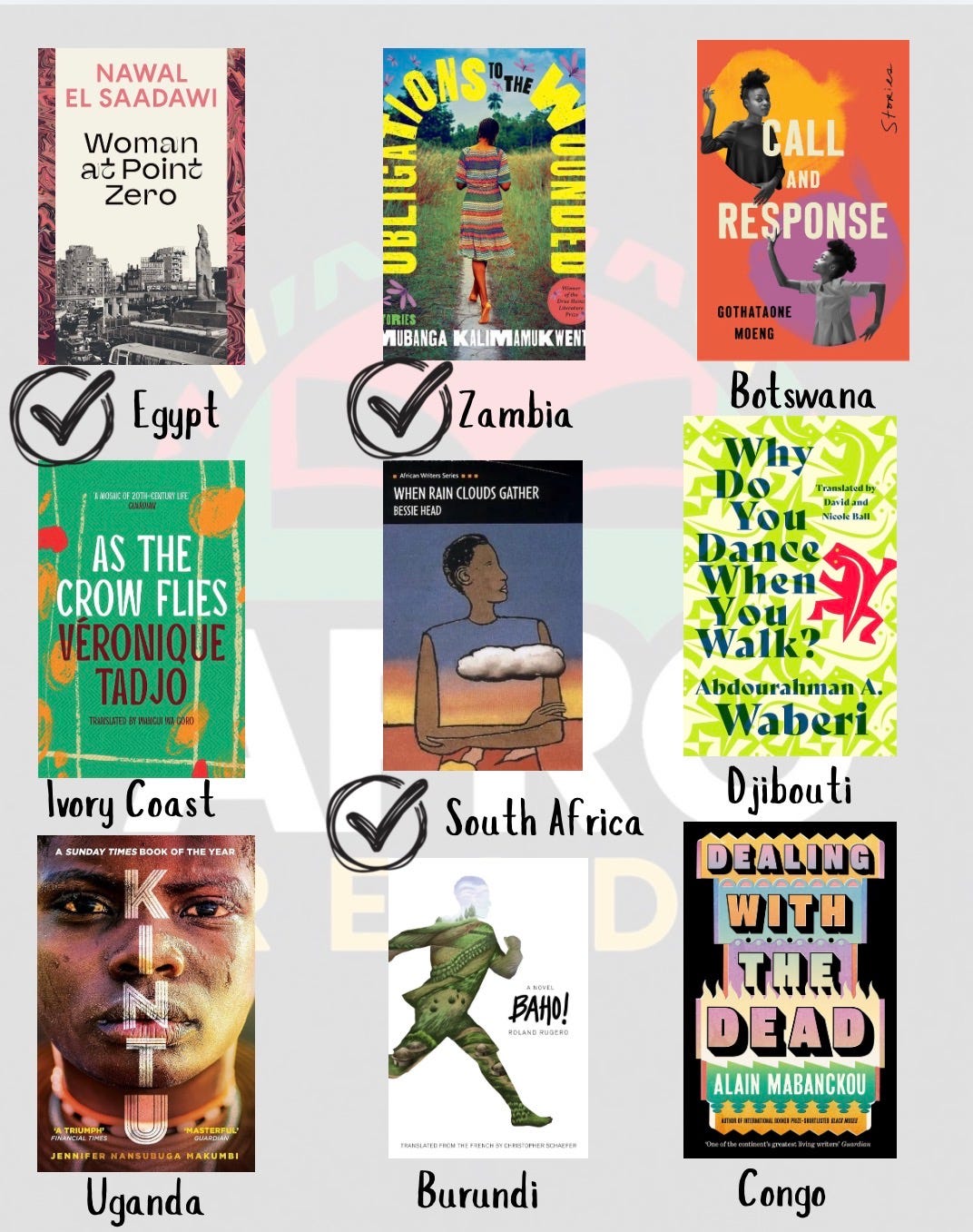
Let me begin by saying that African Literature has the most poetic, yet, mysteries titles. Immediately you are drawn in out of curiosity. Toni Morrison mentioned feeling ‘free’ when she discovered the literature within the continent, it all began by reading Bessie Head’s work. For so long the people of the land had not been allowed to tell their stories outside of their communities, much less to have a global audience. So, I myself, am pondering on the impact it made during the time of apartheid in South Africa, the breaking of colonialism, and how we, within the diaspora had believed such propaganda into believing their struggle was not equal to our own.
I do have to say, this novel is a slow burn. Instead of being annoyed by that I realized that maybe I should take my time. Not every book it going to have you craving for more juicy details, for this one is quite the opposite. There were instances when I had to re-read certain passages to grasp the meaning of what was really going on.
We are introduced to the main character, Makhaya, who had jump through hurdles to cross the border to the neighboring country Botswana. South Africa, was an independent country, but was still suffering from the oppressing systems of apartheid (for my African-Americans, this system was the same as Jim Crow in the South). Mahkaya has gotten into trouble with in the past and is now considered a political refugee. He meets an older gentlemen and follows him back to his village, Golema Mimdi. The village is not one in the traditional sense, with families and the like. This was a place where people have gone to escape the tragedies of life. Once there, through the old man, he soon befriends a white man, ironically the race of the system he is running away from.
But the white men Gilbert, is not like the former he has known. Instead he has great interest in agriculture and wants to build up a Botswana where people can cultivate on their land, even due to the lack of rainfall. This is not what Mahkaya is used to. Where he is from black white do not mix. Both men lean on one another, Gilbert doesn’t have the way of the natural charisma of an African to persuade the people that his plan is an innocent and beneficial one, because the chief, who has benefited from the peoples poverty will no longer be able to control them.
This is not the end.
How will Mahkaya continue to adapt to his new life?
How will he manage his ingrown hatred toward a race that has always taken and another hate toward his own people, who he feels have not stood up for themselves. But instead have become content with poverty and being seen as only a servant or slave. Will tribalism be an end to the people of Golema Mmidi?
Quotes:
“Why should men be brought up with a false sense of superiority over women? People can respect me if they wish, but only if I earn it”
“His reasons for leaving were simple: he could not marry and have children in a country where black men were called ‘boy’ and ‘dog’ and ‘kaffir’”
“….I am searching for a faith, without which I cannot live”
“Things wouldn’t be so bad if black men as whole had no accepted their oppression, and added it it with their own taboos and traditions”
While I was reading this book, I cam across a film on HBO Maxx titled “A United Kingdom” (2016), which is based on a true story of King Seretse Khama of Botswana . The setting largely takes place in Botswana, but before independence. There are certain similarities within the novel and the film. Such as, the reality of apartheid, Botswana tradition, and knowing when to unite for the benefit of the country. Consider watching it, I don’t think you will be disappointed.
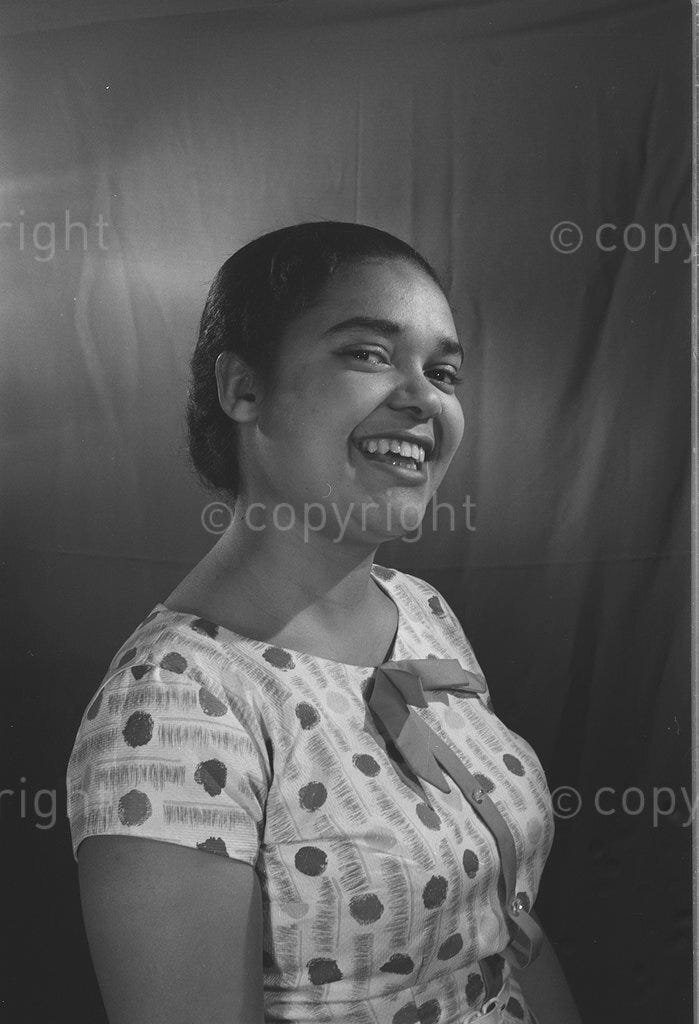
Born in South Africa in 1937 as a mixed race child; she already had entered into the world to have a hard life. Not belonging to the white side nor to the black. She grew up in foster care. Through lives challenges she managed to have a career in journalism and became member of the non-racial Liberal Party
She had one child with her husband. Due to not having personal freedom to write and simply be herself she separated from him and moved to Botswana in 1964 — then known as Bechuanaland.
Entering Botswana as a political refugee, the peace offered her a more humane environment, despite problematic race and gender relations.1 When Rain Clouds Gather, being her first novel, is largely based on her own experience. Building a life afresh out of nothing without the full pressures of apartheid. How she describes Mahkaya to her readers are similar to the feelings she must have felt herself. Also in relating to the women of the novel as well. How they are the head of their homes and most of them being single parents.
The Bessie Head–Langston Hughes Correspondence, 1960–1961
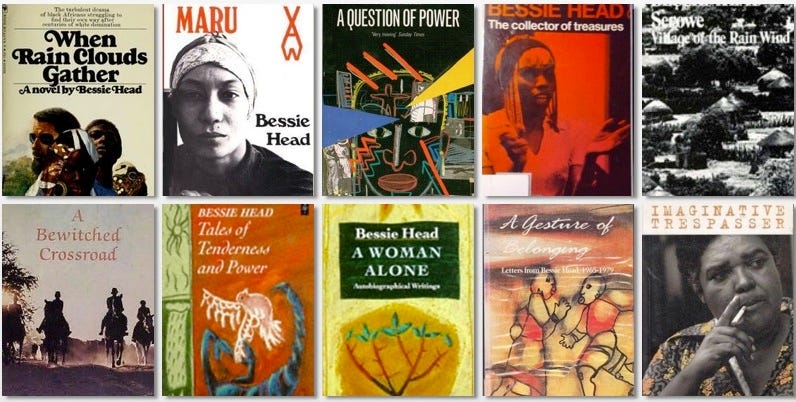
https://oxfordre.com/africanhistory/display/10.1093/acrefore/9780190277734.001.0001/acrefore-9780190277734-e-478
No posts
Comments
Nothing yet. Say the first thing.
Sign in to join the conversation.