
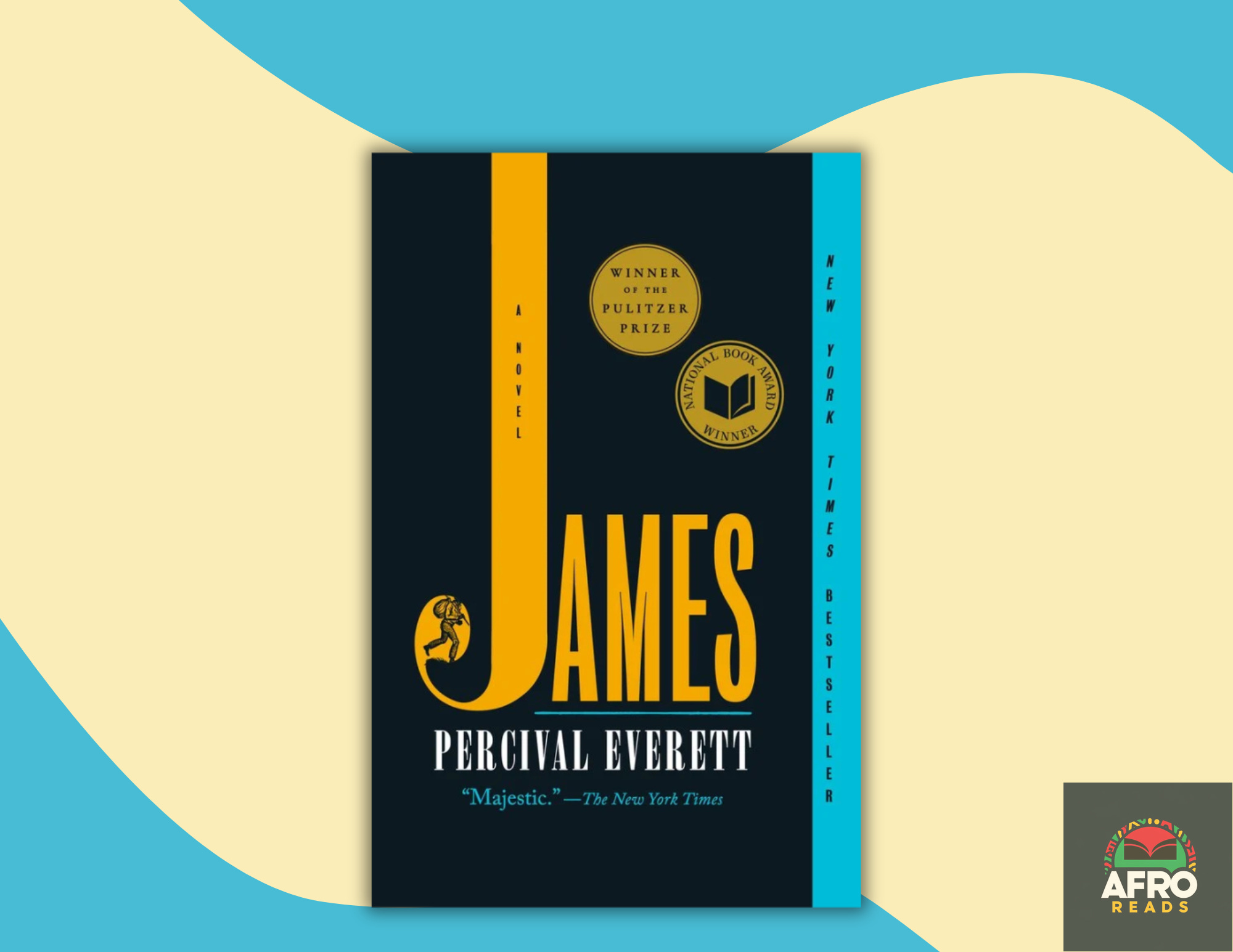
Two years ago, I first heard of Percival Everett’s James. Literary circles were raving about this retelling of Mark Twain’s Huckleberry Finn. I, on the other hand, was not interested. However, once I finally read The Trees last year…
My psyche was altered.
If Everett could flip the script on the murderers of Emmett Till, maybe he could flip Twain’s wig and give Jim, Huck’s companion and slave, his due justice.
This is not a slave story. Yes, slavery is in the background, but now readers get the perspective that Twain could never accurately capture—that of the enslaved.
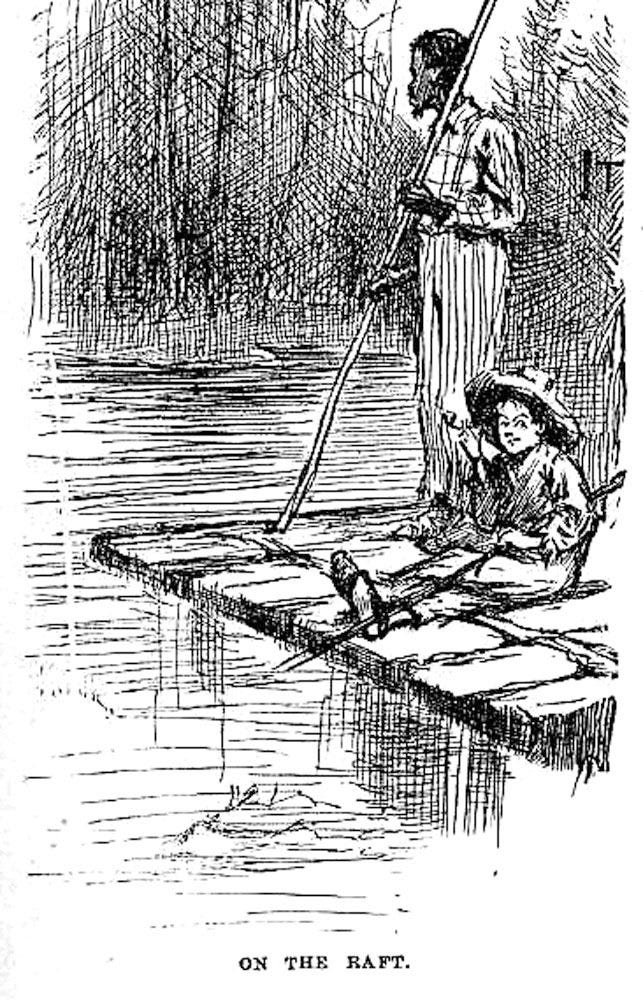
With this work, Everett corrects the misconception and creates a more accurate narrative: enslaved people were capable of speaking properly, reading, or understanding the mindset of white people.
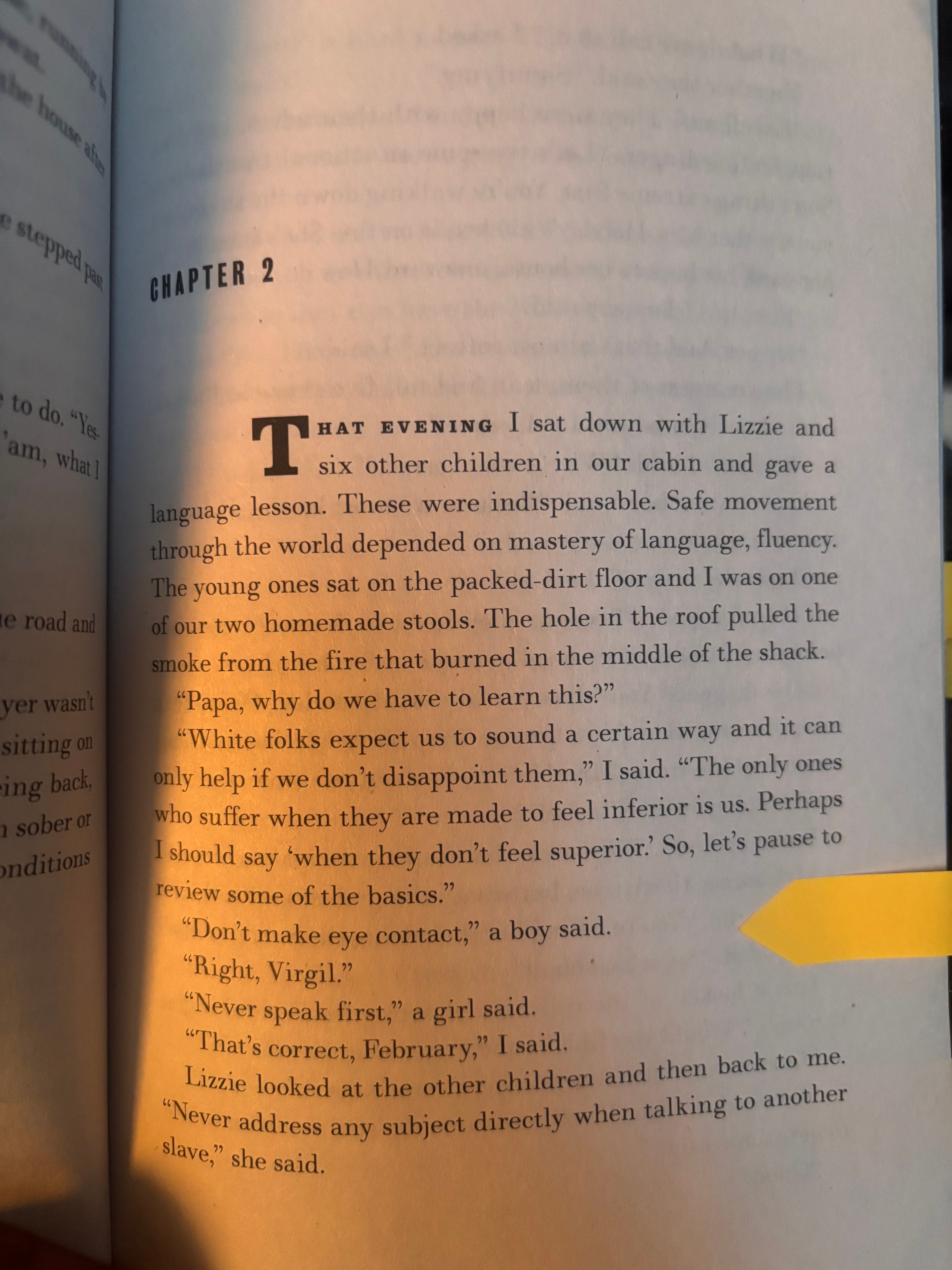
There’s an early scene in the book in which James teaches enslaved children how to speak and behave like slaves. This differs from how enslaved people would act or respond to one another. To me, this is what we in the black community call ‘code-switching’; it began during slavery as a means of survival.
“Da mo’ betta dey feels, da mo’ safer we be”
Everett’s signature literary device is satire. Blending irony and comedy to make the truth easily digestible.
Soon after this scene, James escapes the plantation due to him being informed he will be sold. Later, Huck discovers him, and they travel the Mississippi River together, but there are circumstances when the two become separated. During this time James befriends men in the same predicament as him.
Norman, who is mixed race is able to pass for white. He joins a Minstrel where he is surrounded by white men in black face in order to save money to buy his family. Passing is dangerous business, and so is being a Black man in America. Still, as a Black man he dressed in black face and performs songs that contained derogatory lyrics and choreography that implements the ‘lazy, goofy’, stereotype.
Those who work in corporate, are familiar with this tactic. Performing in the name of capitalism to survive financially, conforming with those whom no matter what, will always view you as less.
“What you’re saying is that if someone pays you enough, it’s okay to abandon what you have claimed to understand what is moral and right”
James and Norman flee the Minstrel group and climb aboard a ferry where they meet another enslaved man named Brock. He is in charge of keeping the boat running and hardly leaves his post in the boiler room. He is not ‘micro-managed’ by his enslaver nor is bound by physical chains or threatened with a whip, yet, he is an over achiever in his role as slave. Even as strange sounds come from the ship, prompting that it’s being overworked, Brock refuses to save himself. He’s so engrossed in his task at ‘pleasing’ his enslaver the cognitive reasoning a normal person would have has been distorted by the system of slavery itself.
The scenes I have mentioned above are just a few of the ingredients that makes this book a masterful dish. Everett’s release of James was made for these times and has to be the one of the best works of fiction I’ve read this year!
Now I am pondering how far we have made it as a black community in response to America’s system, which is still held on to by the roots of slavery. The correlation between code switching, conforming to the system, and being an over achiever in a capitalist society is all too familiar.
Nina Simone once said, “freedom to me is no fear.” Yet, the majority of us leave home and walk into the world experiencing this constant fear — a fear embedded in our DNA over time.
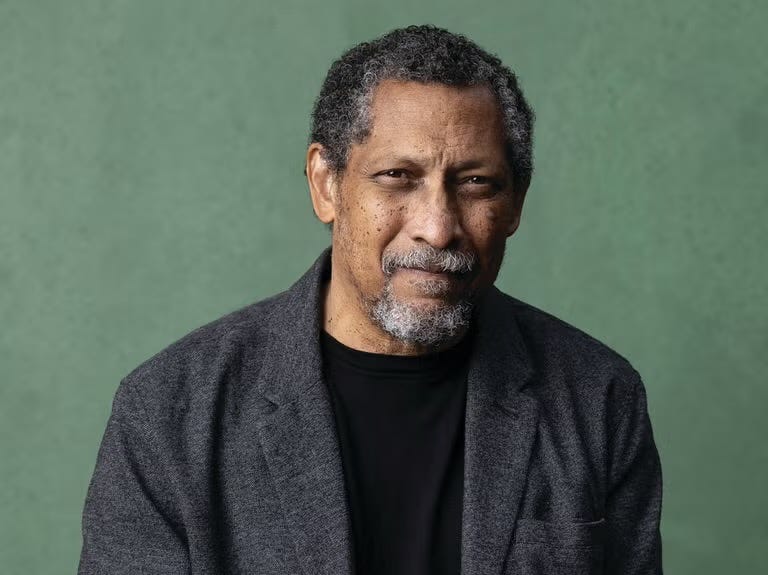
Everett has published 20 novels, his first being in 1983, along with short story collections, poetry, and children’s books. An earlier novel, ‘Erasure’, was adapted into the film, ‘American Fiction’ (2023).
‘The Trees’ was shortlisted for the Booker Prize, finalist of the PEN/Jean Stein Book Award and winner of Bollinger Everyman Wodehouse Prize for Comic Fiction and the Hurston/Wright Legacy Award.
James won the 2025 Pulitzer Prize for Fiction, the 2024 National Book Award for Fiction, and the Kirkus Prize along with being shortlisted for the Booker Prize.
There have been claims that James will eventually be adapted into a film and The Trees into a series
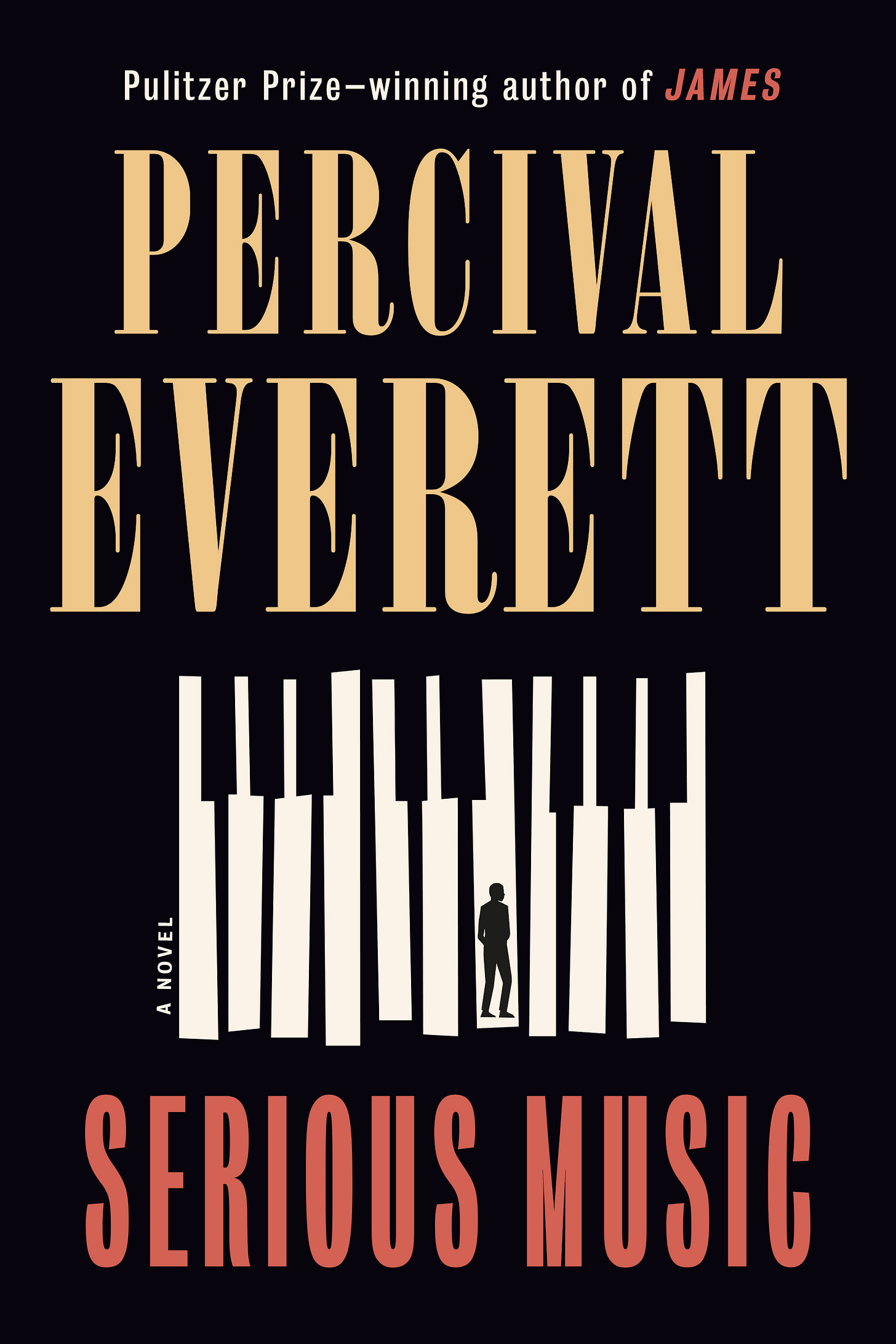
Everett is USC Distinguished professor in the Department of English and was listed on the Time list of Most Influential People for 2025
He lives in L.A. with his wife, the novelist Danzy Senna, and two children.
Slave Narratives (a primary source for those who think slavery was the Garden of Eden)
The Invisible Man: Ralph Ellison
The Adventures of Huckleberry Finn: Mark Twain
The Trees: Percival Everett
Martyr!: Kaveh Akbar
Homegoing: Yaa Gyasi
No posts
Comments
Nothing yet. Say the first thing.
Sign in to join the conversation.