
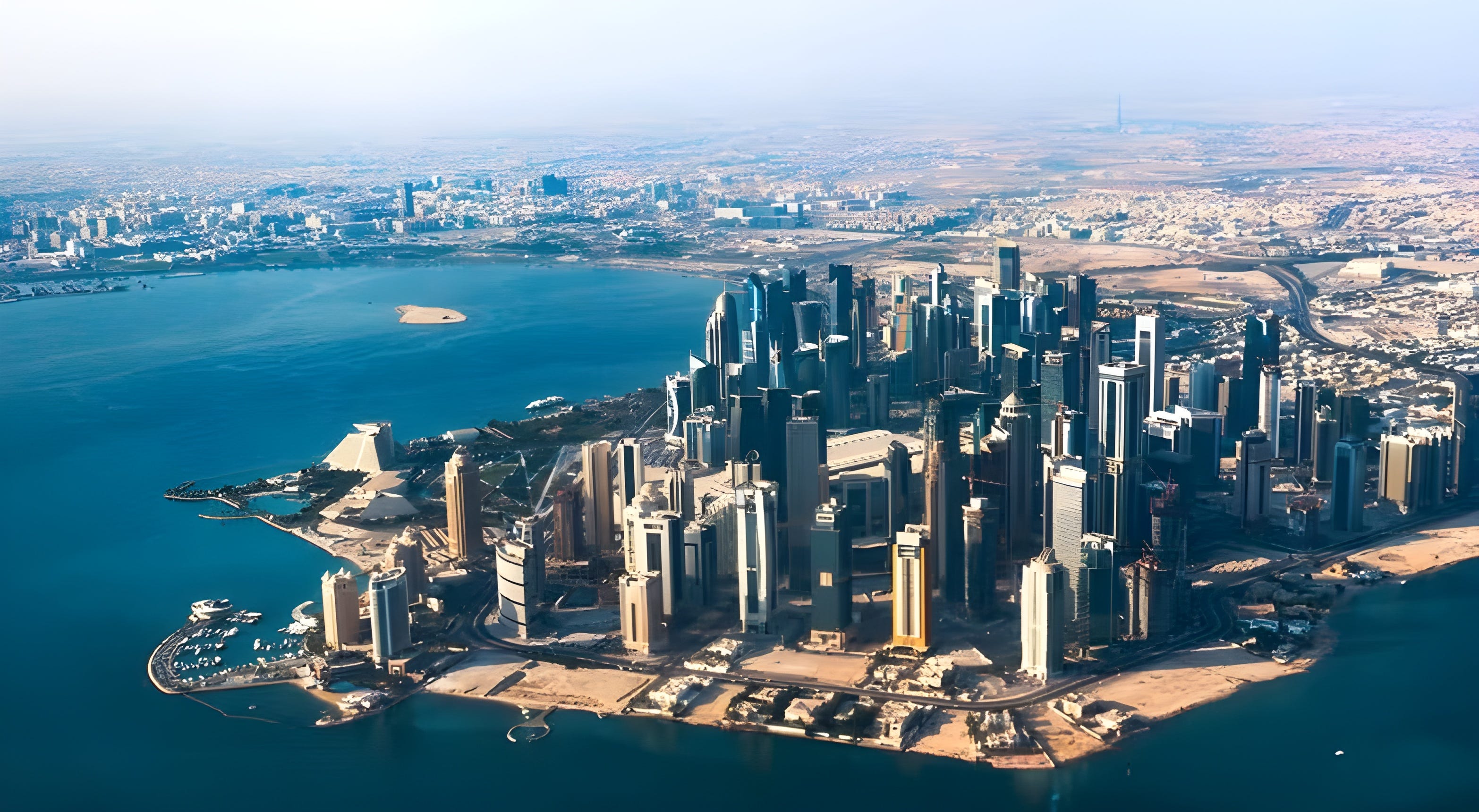
Al Mansour Holdings is the vehicle and the targets are the DRC, Mozambique, Zambia, Zimbabwe, Botswana, and Burundi. The DRC is expected to receive the largest investment ($21 billion), followed closely by Mozambique ($20 billion), with all of the target nations anticipated to receive significant levels of investment. The GCC countries invested $2.2 billion in African critical minerals in the first half of 2025, an Abu Dhabi company bought Zambia’s Mopani copper mine for $1.1 billion in 2024, and DP World & AD Ports continue to expand operations into African ports… Read More
Just this week, ArcelorMittal (AMSA) announced it will be winding down its long steel business after failing to find a solution to their continued losses. About 3,500 jobs will be lost. Glencore will be shutting down its ferrochrome facilities removing nearly 2,500 jobs. Ford will be sizing down its Port Elizabeth and Pretoria factories cutting nearly 500 jobs in the process. Causes for the closures cited publicly are poor domestic economy, US tariffs, lack of rail infrastructure, electricity prices, and cheap imports from China… Read More
Harmony Gold, boyed by a sky-high gold price, has recently received approval to purchase MAC Copper in Australia for $1.3 billion. Harmony believes it can enhance operations through its expertise in underground mining, while diversifying the miners balance sheet and metal mix… Read More
Once the largest producer of Gold, South Africa is set to open its first new underground gold mine in 15 years. The $90 million investment aims to produce a modest annual output of 70,000 ounces, but a bright spot for the nation’s gold sector which has slumped more than 70% over the past 20 years… Read More
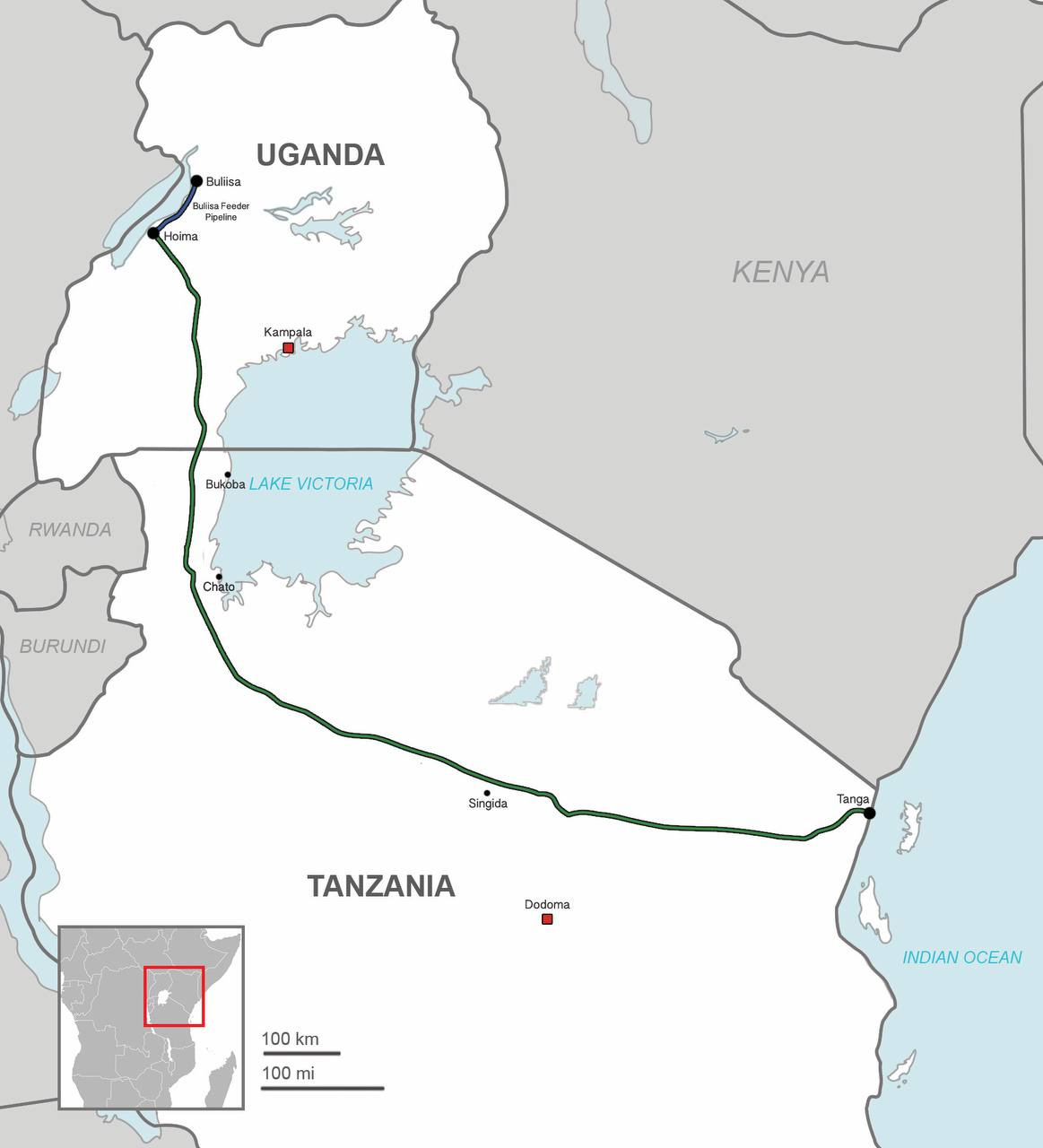
The project has had funding challenges given institutions like the World Bank refusing to consider oil infrastructure projects no matter how much value it brings to a nation and region. This has forced the countries to consider alternative funding sources and banks. Construction is now 65% complete with $3.6 billion of the $5 billion budget being spent. When finished it will be the largest heated oil pipeline in the world transporting crude from Uganda to Tanzania’s coast for export.
Namibia’s oil reserves have long been deemed uneconomical due to poor geology. Setbacks have mounted, with Total, Chevron, and Shell exiting or taking major write-downs. Now, two new companies are preparing to announce viable discoveries. The pendulum may have swung too far negative on Namibia’s oil, we will find out soon… Read More
The US markets each amount to six to eight times the size of the LSE by capitalization, but the LSE has attracted the most IPOs by African companies on any exchange outside of the continent. More than 100 African companies have raised over £17 billion on the London Stock Exchange (LSE) in the 10 years to 2020, with two particularly notable listings from the continent in recent months: Africa Finance Corporation, the Lagos-headquartered infrastructure investor, listed a $500 million eurobond in March, and Guaranty Trust Holding Company, the parent of one of Nigeria’s largest banks, raised $100 million in an initial public offering last month… Read More
The U.S. miner may now commence exploration activities in the DRC. It is also positioned to acquire Manono, considered the world’s largest deposit of lithium, which is presently tied up in legal proceedings… Read More
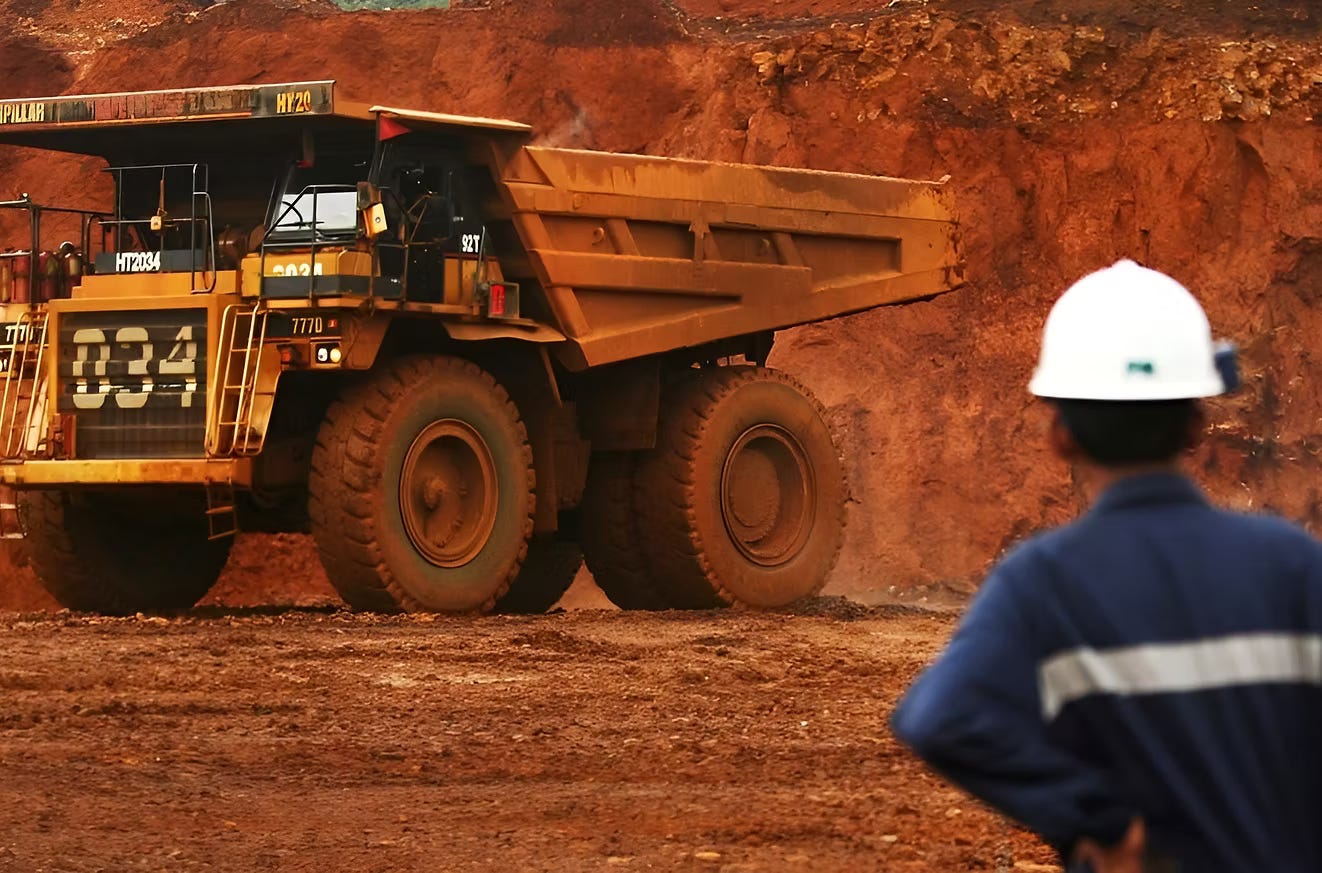
Indonesia’s nickel investment and dramatic production increases have been driven by Chinese investments aimed at securing feedstock and integrating refining infrastructure. Manila’s opening is different. It is to partner with Western firms to explore, develop, and eventually refine its critical and rare earth minerals in-country as part of a broader push to diversify the world’s supply chain away from China’s choke point. The Philippines would receive not just greater royalties and excise taxes, it would embed itself deeper in refined-mineral supply chains and expand inputs for its electronics and semiconductor sectors, which exported nearly $40 billion in 2024… Read More
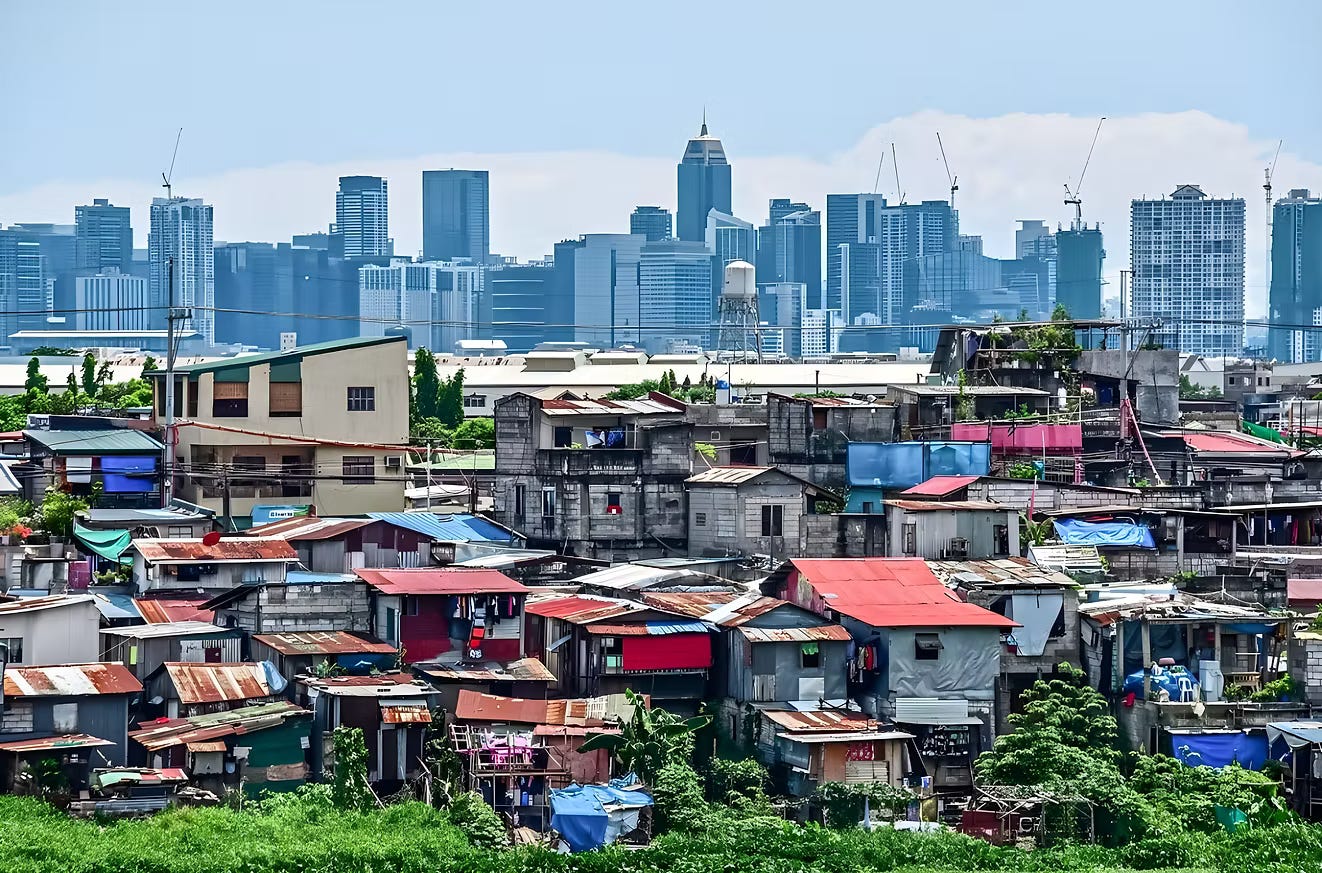
Metro Manila and nearby provinces account for nearly 50% of the Philippines’ GDP with only a quarter of the population, a level of urban primacy matched globally only by Phnom Penh, Bangkok, and Buenos Aires, and far exceeding Jakarta, Ho Chi Minh City, Johannesburg, or Lagos. Colonial legacies, constitutional restrictions, and elite dominance entrenched Manila as the country’s hub, while weak governance, poor infrastructure, and risk-averse conglomerates keep secondary cities from scaling. With 70% of BPO jobs and the largest consumer base, Manila continues to capture most investment, making the Philippines one of the world’s clearest cases of primate city dominance… Read More

Thank you for reading The Vantage Briefing (formerly Afrika Vantage), your weekly roundup of key developments shaping business, investment, and economic trends in Africa & ASEAN (later).
Vantage helps investors and businesses enter, invest, and scale across Africa and Southeast Asia. Our Briefs provide deeper proprietary analysis.
Comments
Nothing yet. Say the first thing.
Sign in to join the conversation.