
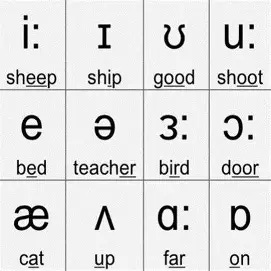
Last week in Accra, we hosted a panel that included a visiting scholar from the UK. He earned his PhD there and has lived, studied, and worked in Britain for nearly 40 years.
Over the decades, his English vocabulary has expanded impressively. He adopts new idioms, expressions, and turns of phrase freely — without hesitation or guilt.
But his phonetics? Still distinctly off, just as they were when he first arrived in the UK.
When I asked why he never corrected that aspect of his speech, passed down to him by poorly trained teachers, he replied: “I need to speak English like an African.”
He went further, openly criticising those who, in his view, conform too closely to dictionary pronunciation.
This raises an important question:
If he's open to expanding his vocabulary and embracing idiomatic English, why draw the line at pronunciation? Aren’t vocabulary, grammar, and phonetics all parts of the same linguistic system? Why cherry-pick?
Personally, I believe there's value in learning and mastering all aspects of any language we adopt — grammar, vocabulary, and yes, even phonetics. Preserving identity can take many forms: through native languages, cultural clothing, or meaningful investment in our communities back home. We do not want to use English to assert our identity, do we?
Therefore, our good friend from the UK shouldn’t look down on fellow Africans who choose to study a European language with depth and precision — or any skill whatsoever. Whether it’s football, driving, or English, striving to do it well isn’t betrayal. It’s growth.
And today, you don’t need a native speaker, a plane ticket to the UK, or even formal phonetic training. With Google and YouTube, anyone can now access the tools to improve their pronunciation — if they choose to.
No posts
Comments
Nothing yet. Say the first thing.
Sign in to join the conversation.