
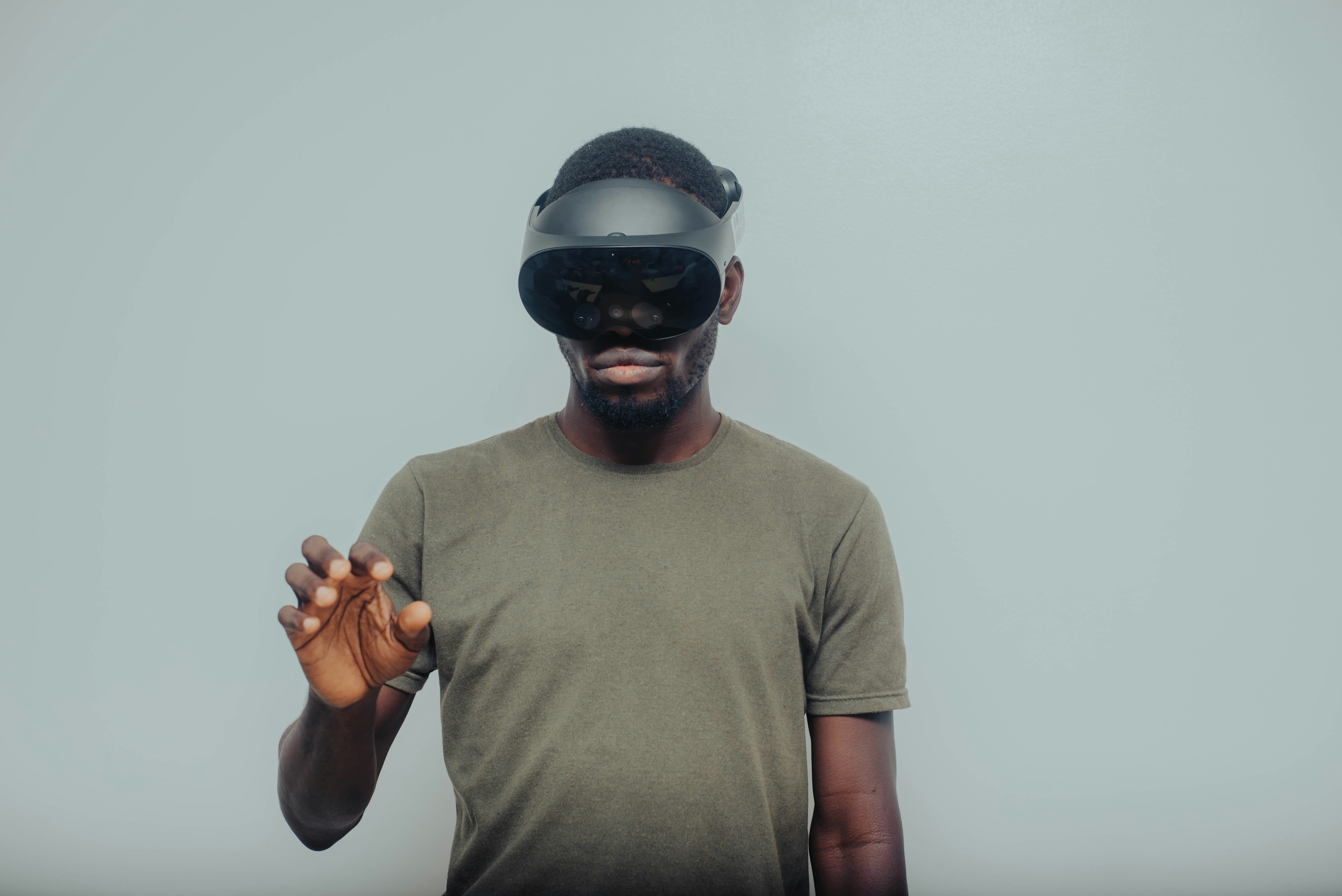
How immersive technology is becoming the most radical frontier in African creative practice
There is a moment in every immersive experience — the precise second when a viewer stops looking at your work and starts standing inside it — that no other medium can replicate. Extended reality makes that moment possible. And for African digital artists, it carries a particular weight: the ability to place an audience inside a Kofar-Mata dye pit, inside a reimagined ancestral ceremony, inside a world built entirely from an African visual vocabulary.
African Digital Art Newsletter is a reader-supported publication. To receive new posts and support my work, consider becoming a free or paid subscriber.
XR is an umbrella term for the full spectrum of immersive technologies — Virtual Reality (VR), Augmented Reality (AR), and Mixed Reality (MR). Together, they represent one of the most powerful frontiers in contemporary storytelling. And while the conversation has often been dominated by Silicon Valley announcements and Western cultural institutions, a growing wave of African artists, labs, and platforms is reshaping what immersive art looks like — and whose stories it tells.
This guide is for African digital artists who are curious about XR but don’t know where to begin. We’ll break down the core technologies, introduce tools you can use right now, spotlight African-led initiatives opening doors in the space, and offer a practical framework for your first immersive project. If you’re already exploring African AI art or working in animation, XR is the natural next frontier.
African artistic traditions have always understood presence.
Performance, ritual, ceremony, masquerade. These are not passive art forms. They envelop. They demand participation. They collapse the distance between the work and the witness.
Extended reality — XR — is the first digital technology that works the same way.
And African artists are not waiting for permission to use it.
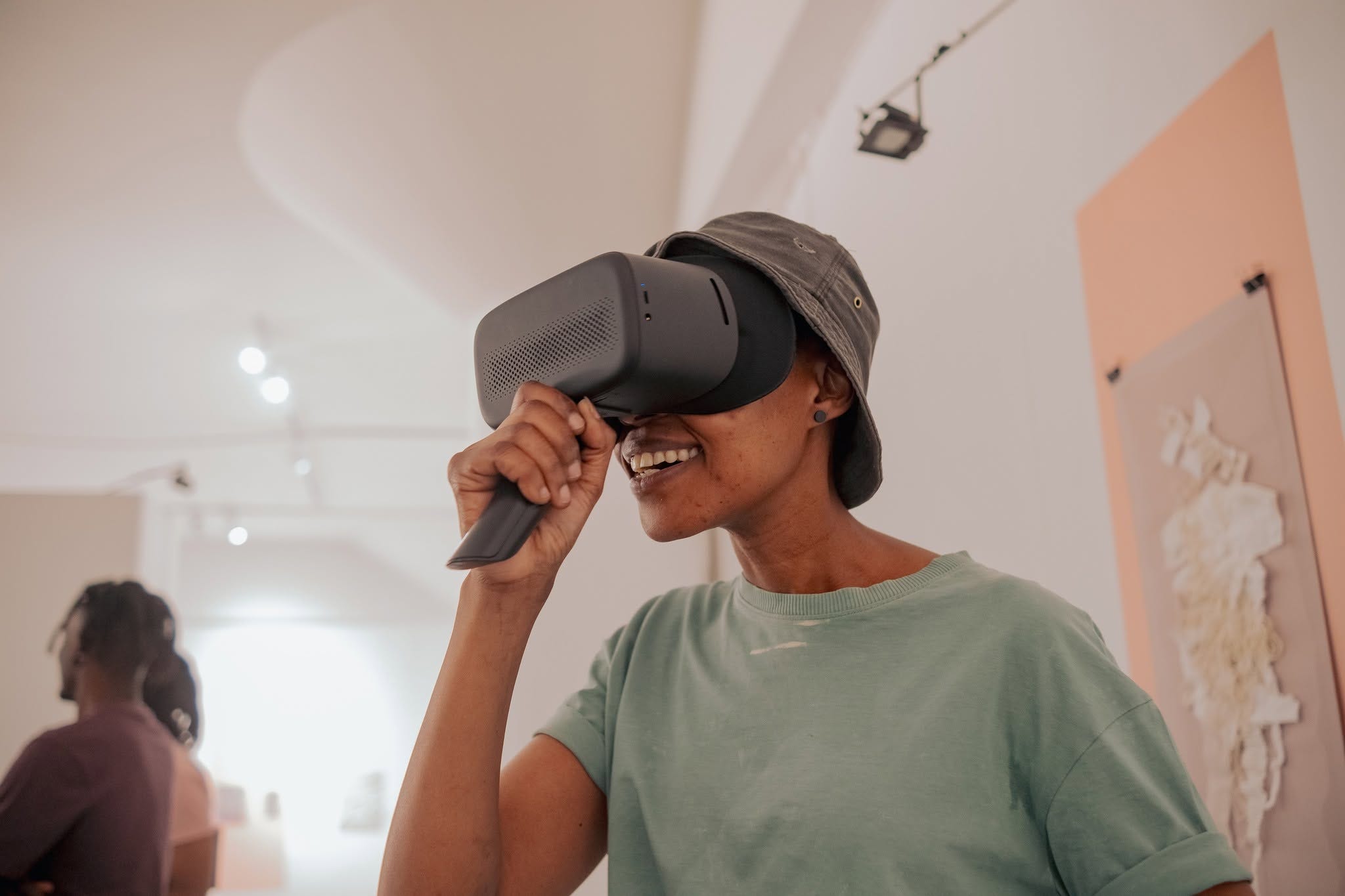
From Malik Afegbua’s virtual reconstruction of the Kofar-Mata dye pits of Kano, to immersive starlore celebrations of Southern African skywatchers, to living AI-generated worlds — a new wave of African creators is building experiences you don’t look at. You step inside them.
The question is: how do you step in too?
That’s what our new guide answers. Inside:
🔹 VR, AR, and Mixed Reality — what each one actually means and which format fits the story you’re trying to tell
🔹 Tools for every level — from no-code African-built platforms like SwiftXR 🇳🇬 and BlackRhino VR’s MediAR 🇰🇪, to WebXR frameworks you can publish via a URL, to Unity and Unreal Engine for artists ready to go deep
🔹 The African XR ecosystem — Electric South, Imisi3D, and Africa No Filter: the organisations building the infrastructure so you don’t have to navigate alone
🔹 Why XR is a natural fit for African storytelling — ancestral spaces, living archives, Afrofuturist world-building, cultural reclamation
🔹 A practical framework for your first immersive project — starting with the story, not the technology
🔹 Artists already doing it — and what they built
XR is not a Western frontier that Africa is arriving at late. It is a natural vessel for what African storytelling has always done: make presence felt.
African Digital Art Newsletter is a reader-supported publication. To receive new posts and support my work, consider becoming a free or paid subscriber.
Comments
Nothing yet. Say the first thing.
Sign in to join the conversation.