
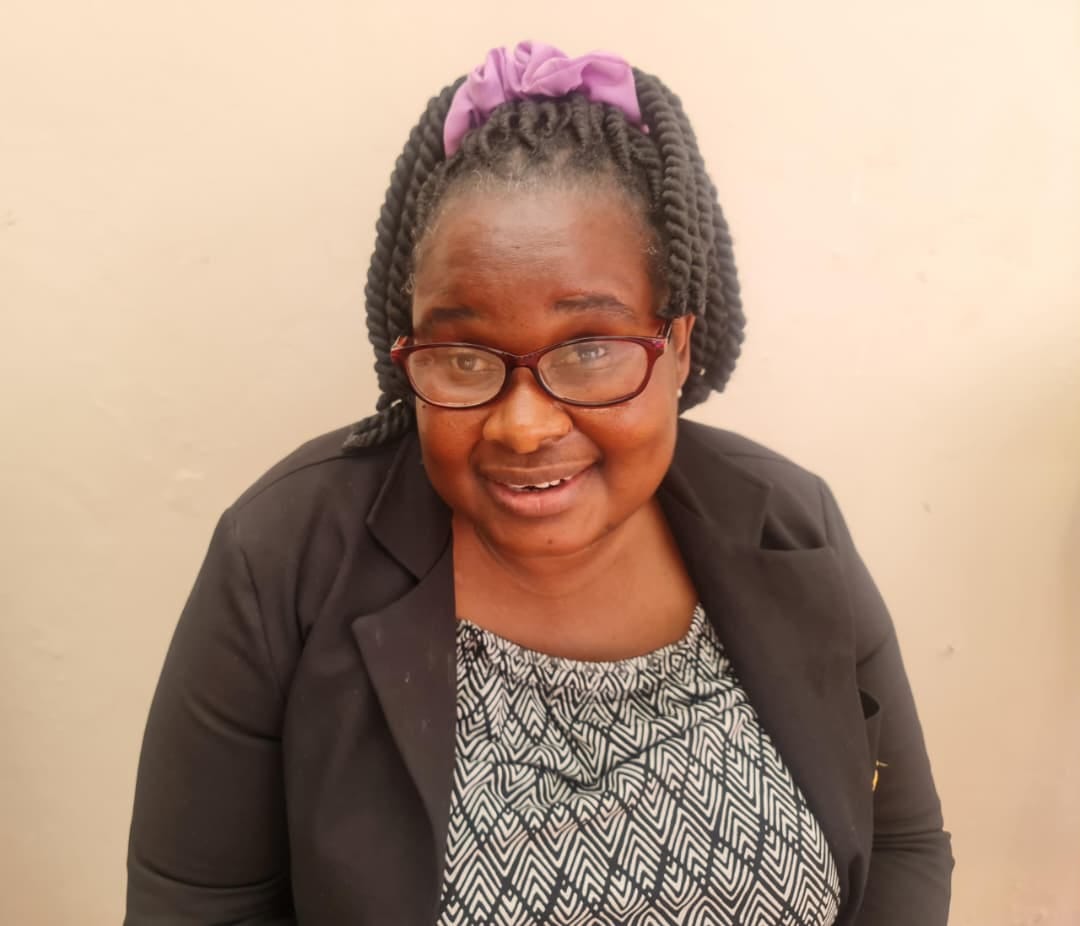
NTCHEU, Malawi — Women and girls with disabilities in Ntcheu District continue to face gender-based violence, discrimination and exclusion, while cultural beliefs and social norms make it difficult for survivors to report abuse and access support, writes Steria Manda.
This is according to Voices of Women with Disability, whose Executive Director Esther Mbite said the vulnerability of women and girls with disabilities is compounded by limited access to education, economic exclusion and discrimination.
Speaking to AfricaBrief on Tuesday, Mbite said cultural practices and deeply rooted social norms continue to fuel violence against women and girls with disabilities, while inaccessible reporting and support systems prevent some survivors from seeking justice.
“Women and girls with disabilities continue to experience gender-based violence because of culture and norms,” Mbite said.
She said girls with disabilities are particularly vulnerable, with many unable to attend school, increasing their social and economic vulnerability.
Mbite called for greater investment in initiatives that place women and girls with disabilities at the centre of efforts to address GBV, discrimination and exclusion.
“We believe that strengthening accessible reporting mechanisms, expanding economic opportunities, and ensuring girls with disabilities remain in school are critical to reducing their vulnerability,” she said.
However, Mbite said the scale of GBV against women and girls with disabilities remains difficult to determine because of inadequate disaggregated data on the forms of abuse they experience and the number of survivors seeking assistance.
The organisation is seeking funding to develop a dashboard that would capture disaggregated data on GBV cases involving women and girls with disabilities.
Mbite said the system would make their experiences more visible and provide stakeholders with evidence to design interventions that respond to their specific needs.
Federation of Disability Organisations in Malawi (FEDOMA) Executive Director Symon Munde said violence against women and girls with disabilities is widespread, partly because many have limited access to information about their rights.
Munde said inadequate knowledge of rights makes it difficult for some women and girls with disabilities to recognise violations and seek appropriate assistance.
“Women with disabilities face a lot of GBV cases, including physical abuse, because their partners think they married them out of pity,” he said.
He also attributed the vulnerability to gaps in implementing disability-inclusive policies and services within government structures.
Munde said the limited availability of disability-inclusive services sometimes forces women and girls with disabilities to seek assistance from individuals or institutions that may exploit their vulnerability.
“Most services for women and girls with disabilities are not offered by the government, hence women and girls seek such services from people who sometimes take advantage of them, abusing them and threatening to stop helping them once they report them to relevant authorities,” he said.
Munde commended the Malawi Police Service for training some officers in sign language, saying the initiative could improve the handling of GBV cases involving persons with disabilities.
“I must commend the Malawi Police Service for training some of their staff in sign language. This will go a long way in how they are handling persons with disabilities, and when survivors of GBV come forward, they will be able to take them seriously,” he said.
He called on government, non-state actors and development partners to economically empower women and girls with disabilities and ensure they are aware of their rights.
Voices of Women with Disability has so far reached 30 GBV survivors and more than 250 women and girls with disabilities in Ntcheu District, providing a platform for them to share their experiences and concerns.
Comments
Nothing yet. Say the first thing.
Sign in to join the conversation.