
July 22, 2026
Bloomberg: Asia’s Fuel Importers Seen Facing ‘Geopolitical Flux’ for Years
Bloomberg: Hormuz and Heat Trigger an Asian Scramble for LNG
Reuters: Europe Unlikely to Reach 80% Gas Storage Target, Equinor CEO Says
Bloomberg: Funds’ Bullish Wagers on European Gas Jump the Most Since War
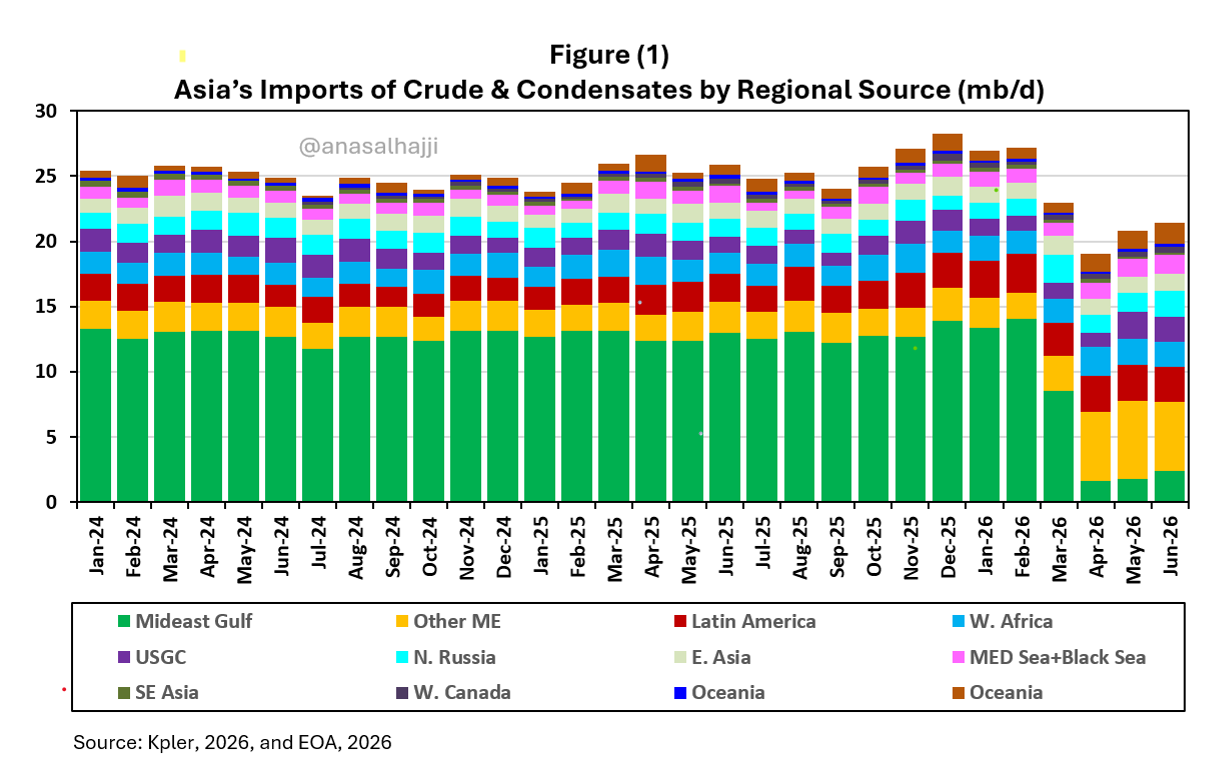
Asia’s fuel importers are expected to face geopolitical volatility and supply disruptions for years to come, according to energy analyst Vandana Hari of Vanda Insights. Despite efforts to diversify, about 90% of the region’s primary energy still comes from imported oil, gas, and coal. Rising demand and a lack of major new domestic discoveries will sustain heavy reliance on overseas supplies, leaving countries vulnerable to conflicts in key chokepoints like the Strait of Hormuz and the Red Sea. The ongoing Iran-related crises highlight how Asia’s energy security remains fragile amid persistent global tensions
The Middle East conflict and extreme summer heat are driving Asian countries to aggressively secure LNG supplies, tightening the global market and increasing competition for cargoes. Pakistan and Bangladesh are paying record prices to replace disrupted Qatari shipments, while demand is also rising in China and Japan due to high temperatures and stronger power needs.
Equinor expects Europe to miss its target of filling natural gas storage to 80% before winter. European gas storage is currently around 54%, well below the five-year average. Investment funds have boosted their net-long positions in European gas by most since the Iran war began.
Figure 1 shows Asia’s oil imports by sub-region, illustrating how much of the region’s supply depends on key chokepoints, including Hormuz, Bab Al-Mandab, the Suez Canal, and Malacca. It also highlights the decline in Gulf imports following the closure of Hormuz, as well as the extent to which other regions offset those losses through rerouting, including flows from Saudi Arabia. However, the chart also shows a major overall decline, driven largely by China.
Comments
Nothing yet. Say the first thing.
Sign in to join the conversation.