
Aja Beckett—former iOS engineer at The New York Times and now the founder of Shotsy—walked us through her approach to App Store Optimization (ASO) and early-stage mobile growth. Aja launched her latest app with zero marketing budget and has shipped seven indie apps over the years. Below, you’ll find her masterclass on how individual builders can win in the App Store without outspending competitors.
Aja frames ASO around five core pillars:
Keyword Prospecting: Identifying the right search terms before competitors find them—especially generic or underserved terms.
Metadata Strategy: Dialing in title, subtitle, keywords, and screenshots to match user intent.
Feeding the Algorithm: Early traction (from ratings, conversions, and behavioral signals) gives Apple quality indicators that improve ranking.
Optimizing for Ratings: Ratings meaningfully influence both conversion rate and keyword rankings.
Monitoring Results: ASO isn’t one-and-done; data shifts, competitors launch, and search volume evolves.
Aja shared an app she built around ADHD-focused productivity that illuminated how to leverage keyword prospecting and employing a metadata strategy to drive conversion:
Early to generic ADHD keywords: She targeted related search terms before the volume spiked.
Rode a surge in trending interest: Search volume for these keywords grew significantly—Aja had already established visibility.
Metadata that converted: Title, subtitle, keywords, and screenshots worked together to match user intent.
Competitors entered quickly: Once the category grew, newer apps crowded the space and overtook rankings.
Ratings were a bottleneck: Without early and frequent ratings, the algorithm deprioritized the app.
This example highlighted how ratings timing and onboarding design can dramatically affect organic growth.
Guided path to a “win”: The onboarding flow led users to complete a quiz, which included celebratory confetti in the UI, delivering a moment of delight that empower users to feel confident in beginning their journey.
Ratings request during onboarding: Following that moment of early success, users were asked for a rating, priming them to leave a more positive review.
The market was dominated: Existing apps with decade-long head starts held the top generic keywords.
Highly commoditized search results: Users tended to download the first result—hard to displace incumbents.
ASA was too expensive to scale: Apple Search Ads couldn’t profitably acquire users in a competitive vertical.
Aja emphasized that ASA can meaningfully shape organic keyword rankings—not just paid traffic. But it introduces strategic tradeoffs:
Should you bid on your own keywords?: Sometimes it prevents competitors from stealing your brand traffic, but sometimes it cannibalizes your organic installs.
Category and competitor bidding may still influence organic ranking signals indirectly.
From across her apps and experiments, Aja highlighted three areas currently driving growth:
Targeting generic keywords: Especially underserved ones where incumbents haven’t optimized metadata.
Optimized ratings prompts: Triggered at moments of user success, not randomly.
Apple Search Ads on strategic terms: Focused on brand, category, and competitor keywords.
Launching on Reddit to drive conversion to app downloads
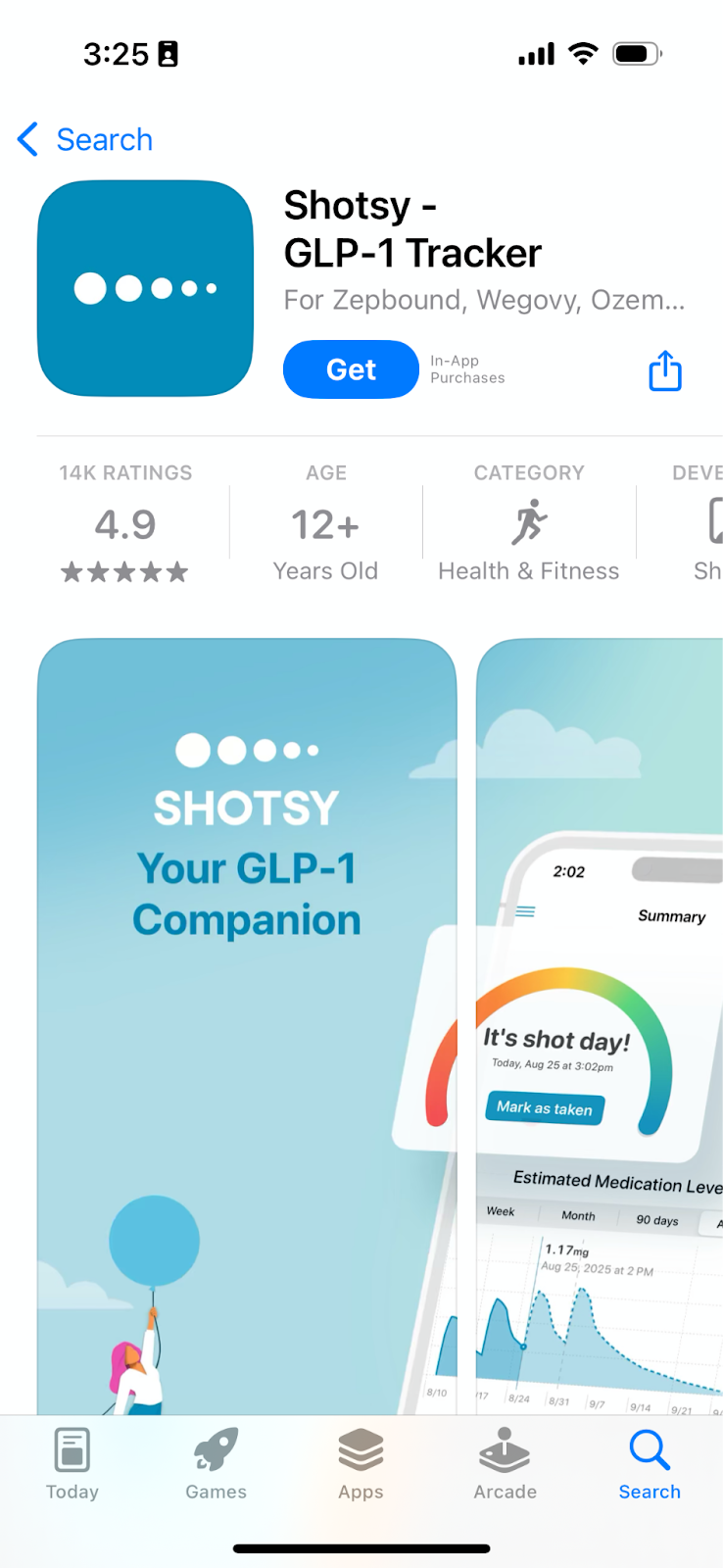
A few themes from Aja’s talk stood out for early-stage builders:
You don’t need a marketing budget to win in the App Store—you need the right keywords.
Ratings timing for users matters a lot—if poorly timed, users will just dismiss the option.
“Winning” a category is about early identification of rising search volume, not chasing established terms.
ASA and organic rankings are tightly coupled, and founders should treat them as a single system.
Distribution isn’t just ads—Reddit, metadata, and product-led loops can do far more for early traction.
Check out other Fields Notes: our series that takes you behind the scenes of the conversations we’re having with founders and operators in the Adverb community. Each article brings a practical, candid perspective from the people building, scaling, and learning in real time.
No posts
Comments
Nothing yet. Say the first thing.
Sign in to join the conversation.