
Your 2026 Guide to India for First-timers
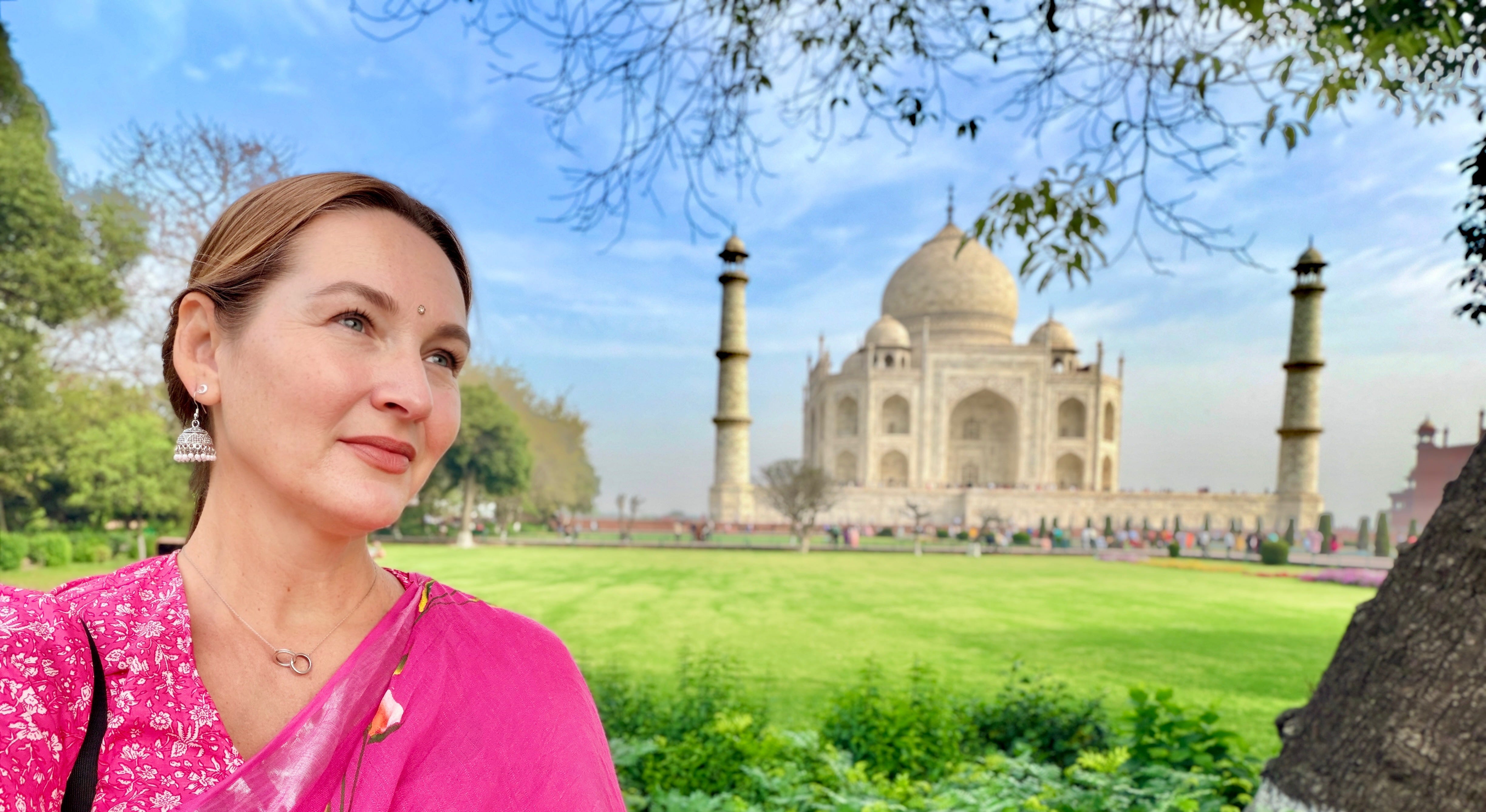
We just finished our India tour and I am always surprised at how many people think India is too ambitious for the common traveler. Yes, it’s a really long plane ride, but It’s actually far more accessible and rewarding than you’d expect. I’m here to answer your questions and debunk some myths.
India is more than a destination; it’s a sensory explosion that defies simple description. Whether you are drawn by the neon chaos of Mumbai, the spiritual stillness of the Ganges, the "subcontinent" may seem as foreign as it gets. It’s easier than you might expect but requires a bit of homework.
Travel in India has become significantly more streamlined thanks to massive leaps in digital public infrastructure, yet the age-old questions—and some new ones—remain at the top of every traveler's mind. Here I’ll try to answer the 20 most common questions about traveling in India right now.

1. Do I need a visa to travel to India in 2026?
Yes. Most foreign nationals require a visa. The good news? The e-Tourist Visa (e-TV) system is available on the web. You can apply for a 30-day, 1-year, or 5-year visa online, which needs to be completed at least two weeks ahead. Note that you cannot do this too far in advance of your trip as a clock starts ticking once you receive the visa. The bad news is that this visa application needs everything but a pound of flesh and the color of your underwear to complete. Be prepared with all travel documents and contacts in the country, and expect follow-up emails asking for even more information.
As of early 2026, India has expanded its electronic arrival systems. In addition to the e-Visa, most major international airports (Delhi, Mumbai, Bengaluru) now utilize a pre-arrival digital health and immigration declaration which can be filled out 72 hours before landing. Doing this generates a QR code that lets you skip the manual paperwork at the terminal. If you forget to do that, you need a paper arrival card which you’ll find in the entrance hall before immigration.
2. Is India safe for solo female travelers?
This remains one of the most searched topics annually. The short answer is yes, but with intentional planning. In 2026, the narrative has shifted as solo female travel becomes increasingly common among both locals and foreigners. Technically I am a solo female traveler and I think it’s fine, but highly recommend you consider a group tour for extra peace of mind.
Safety in India often comes down to "destination choice" and situational awareness. Places like Rishikesh, Pondicherry, Udaipur, and Kerala are renowned for being welcoming to solo women. To stay safe:
* Use Women’s Coaches: On the Delhi Metro and long-distance trains, utilize the designated women-only sections.
* Ridesharing Apps: Use Uber or Ola, which include "Share My Trip" and SOS buttons integrated with local police.
* Stay in nice hotels. India is a bargain for most travelers, so stick to centrally located quality properties.
3. When is the best time to visit India?
India’s climate is as diverse as its culture.
* The Winter Window (October to March): This is the peak season for North India (Rajasthan, Agra, Varanasi) and the South (Kerala, Goa, Hampi). The weather is pleasant, with temperatures ranging from 10°C to 25°C.
* The Himalayan Spring (April to June): When the plains start to bake, head to the mountains. This is the best time for Leh, Ladakh, and Himachal Pradesh.
* The Monsoon (July to September): While wet, this is the best time for Wellness Tourism in Kerala, where the humidity is said to enhance Ayurvedic treatments. Otherwise, skip this time of year.
4. How do I avoid "Delhi Belly"?
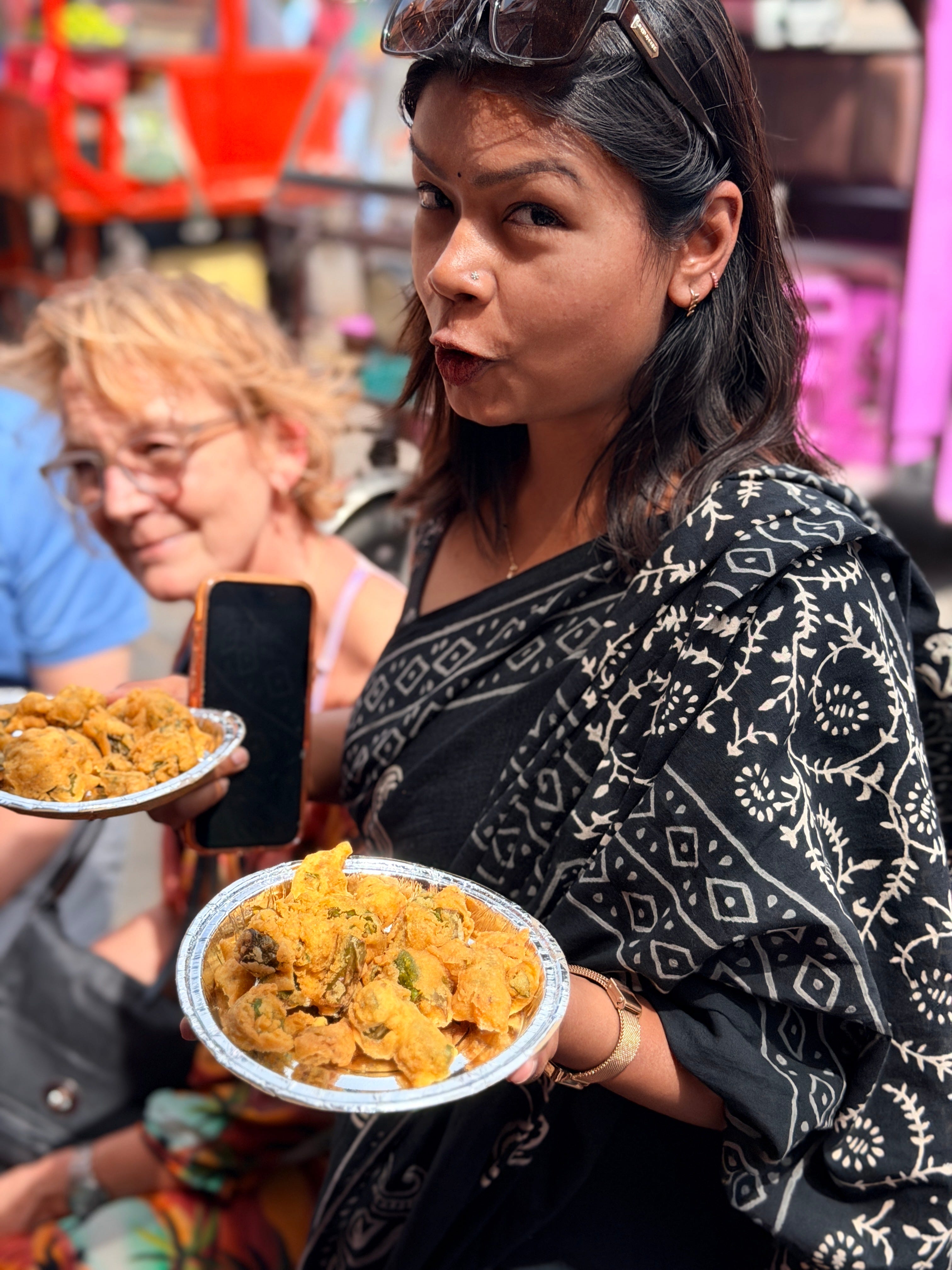
Food safety is a top concern for first-timers. To keep your stomach happy:
* The "Peeled or Cooked" Rule: Only eat fruit you can peel (bananas, oranges) and vegetables that are served steaming hot.
* Follow the Crowd: High turnover at a street food stall usually indicates fresh ingredients.
* Avoid Ice: Ice is often made from tap water. Stick to chilled bottled drinks.
* Probiotics: Many travelers now swear by starting a course of probiotics two weeks before arrival to strengthen their gut flora. My tour guests confirm that this has made a huge difference.
5. What is the best SIM card for tourists in 2026?
In 2026, eSIMs are the gold standard. Apps like Airalo or Saily allow you to have data the moment you touch down. However, for the best local rates and 5G coverage, a physical SIM from Airtel or Jio is unbeatable. You may not even need a sim, carriers like TMobile offer decent enough free roaming data. I personally didn’t need a local sim.
Note: You’ll need your passport and a copy of your e-Visa to purchase a local SIM. Most international airports have kiosks that can activate your card within 2–4 hours.
6. Can I use my credit card as a foreigner? Or do I need a local payment app?
Yes, Visa, Mastercard, and even Amex are accepted most places. However, in smaller shops and markets, India is now a nearly cashless economy in many areas thanks to the Unified Payments Interface (UPI).
Previously, you needed an Indian bank account. Now, the "UPI One World" initiative allows tourists from over 40 countries to link their international passports to a prepaid UPI wallet (via apps like Cheq). This allows you to pay for a 10-rupee chai or a 5,000-rupee silk saree by simply scanning a QR code.
7. How much does a trip to India cost?
India remains a "choose your own adventure" destination regarding cost.
* Backpacker: $25–$45/day. Staying in hostels, eating street food, and traveling in Sleeper or 3AC train classes. Unless you’re a teenager with a stomach made of iron who can sleep anywhere, I don’t recommend this level.
* Budget: $70–$120/day. 3-4 star boutique hotels, domestic flights or AC train travel, and dining in nice restaurants. This is a bare minimum but is doable if you’re not picky and can roll with the punches.
* Luxury: $400+ /day. Heritage palace hotels, private drivers, and fine dining. India is a great place to splash out a little. 4-5 star hotels offer some of the best service in the business and tend to be much more affordable than elsewhere.
In my experience as a tour operator, there’s not much between budget and luxury travel. Mid range is very hard to find. Tours are a great option in India as the logistics are a lot to manage.
8. What should I wear in India?
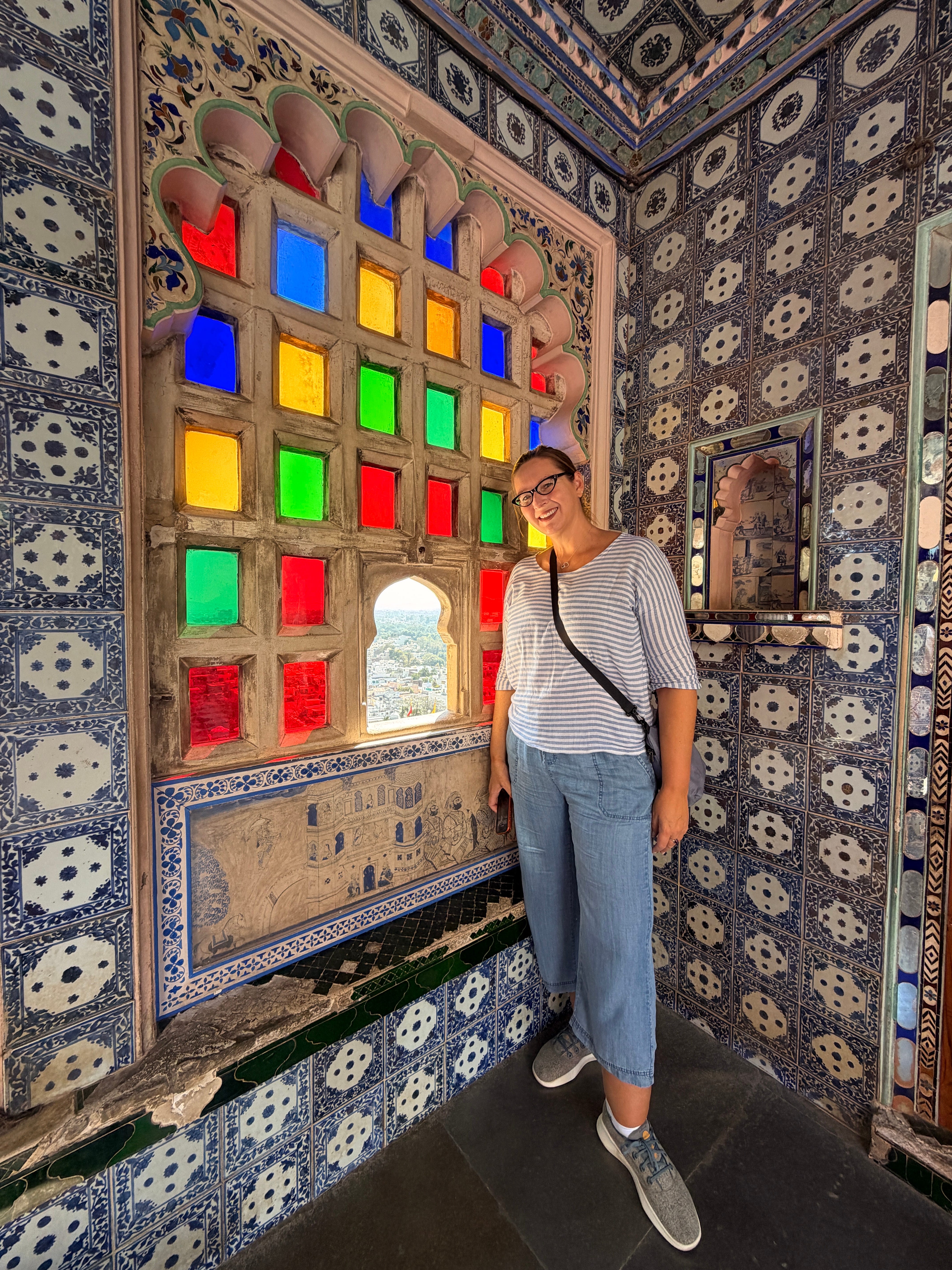
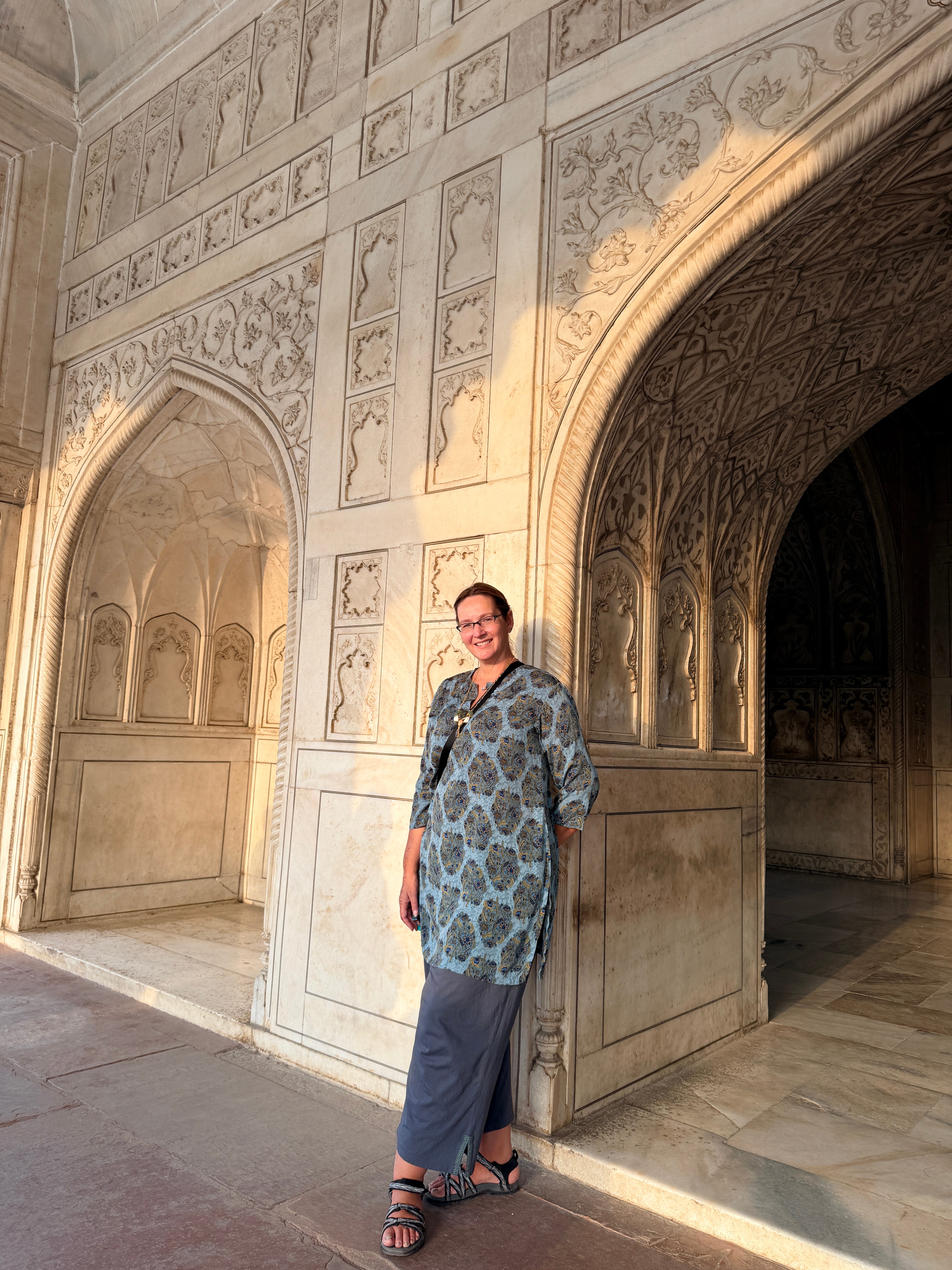
Modesty is the general rule, particularly at religious sites.
* Cover Shoulders and Knees: This applies to all genders for religious sites but many travelers feel more comfortable dressed like this everywhere. Shorts and tank tops will really stick out in a modest culture.
* Fabrics: Pack breathable cotton or linen. Synthetic fabrics will feel like a sauna in the Indian heat.
* Take a cue from the locals and have a kurta set made- a tunic and lightweight pants.
* The Scarf Hack: Carrying a lightweight dupatta or scarf is the easiest way to instantly respect local customs when entering a temple or mosque.
9. What is the "Golden Triangle"?
The Golden Triangle is the most popular entry-point circuit: Delhi, Agra, and Jaipur. It offers a concentrated dose of Indian history, from the Mughal architecture of the Taj Mahal to the Rajput palaces of the Pink City. It usually takes 5 to 7 days to complete.
10. Is the water safe to drink?
No. Never drink tap water. Brush your teeth with bottled water and don’t drink water in the shower. In 2026, many high-end hotels provide "RO (Reverse Osmosis) Filtered" water in glass bottles—this is safe. Otherwise, stick to reputable brands like Bisleri, Kinley, or Aquafina. Ensure the seal is intact before opening.
11. How do I book trains in India?
The Indian Railways is an experience in itself. For 2026 travelers, the booking process has improved.
* IRCTC: The official site is better, but still requires a "Foreign Tourist" registration.
* Third-party Apps: Apps like 12Go or Ixigo are much more user-friendly for international credit cards.
* Classes to Know: 1AC (Private cabin), 2AC (Four-berth curtained), and 3AC (Open-plan AC) are the standard for comfortable travel.
12. Do I need vaccinations for India?
Consult your travel clinic at least 8 weeks before departure. Generally, Hepatitis A, Typhoid, and Tetanus are recommended. As of 2026, malaria is still a concern in certain regions, so carrying DEET-based repellent is a must.
13. How do I handle haggling and "tourist prices"?
Haggling is a cultural dance. If you’re at a local market, the first price is rarely the final price.
* Be Polite: Smile and offer 50–60% of the price. Always ask if there’s a better price for more than one item.
* The Walk-Away: This is your strongest tool. If they don't meet your price, start to walk away; they will often call you back.
* Fixed Price Stores: In government emporiums or malls, prices are fixed—don't haggle there.
14. What are the "must-try" Indian dishes?
Don't limit yourself to Butter Chicken!
* North: Chole Bhature (spiced chickpeas and fried bread) and Daal Makhani.
* South: Masala Dosa and Idli with coconut chutney.
* West: Vada Pav (the Mumbai burger) and Thalipeeth.
* East: Phuchka (the Bengali version of Pani Puri) and Mishti Doi.
15. Is English widely spoken?
Yes. English is one of India’s official languages. In cities and tourist hubs, you will have no problem communicating. However, learning a few Hindi basics like Namaste (Hello), Dhanyawad (Thank you), and Kitna hai? (How much?) will earn you smiles and better deals.
16. What is "Spiritual Tourism" and where should I go?
In 2026, there is a massive surge in Purpose-Driven Travel. People aren't just visiting monuments; they are seeking experiences.
* Varanasi: The oldest living city in the world. Witnessing the Ganga Aarti fire ceremony at sunset is unforgettable.
* Rishikesh: The Yoga Capital of the World. Perfect for ashram stays and meditation retreats.
* Dharamshala/McLeod Ganj: The home of the Dalai Lama, offering a unique Indo-Tibetan spiritual vibe.
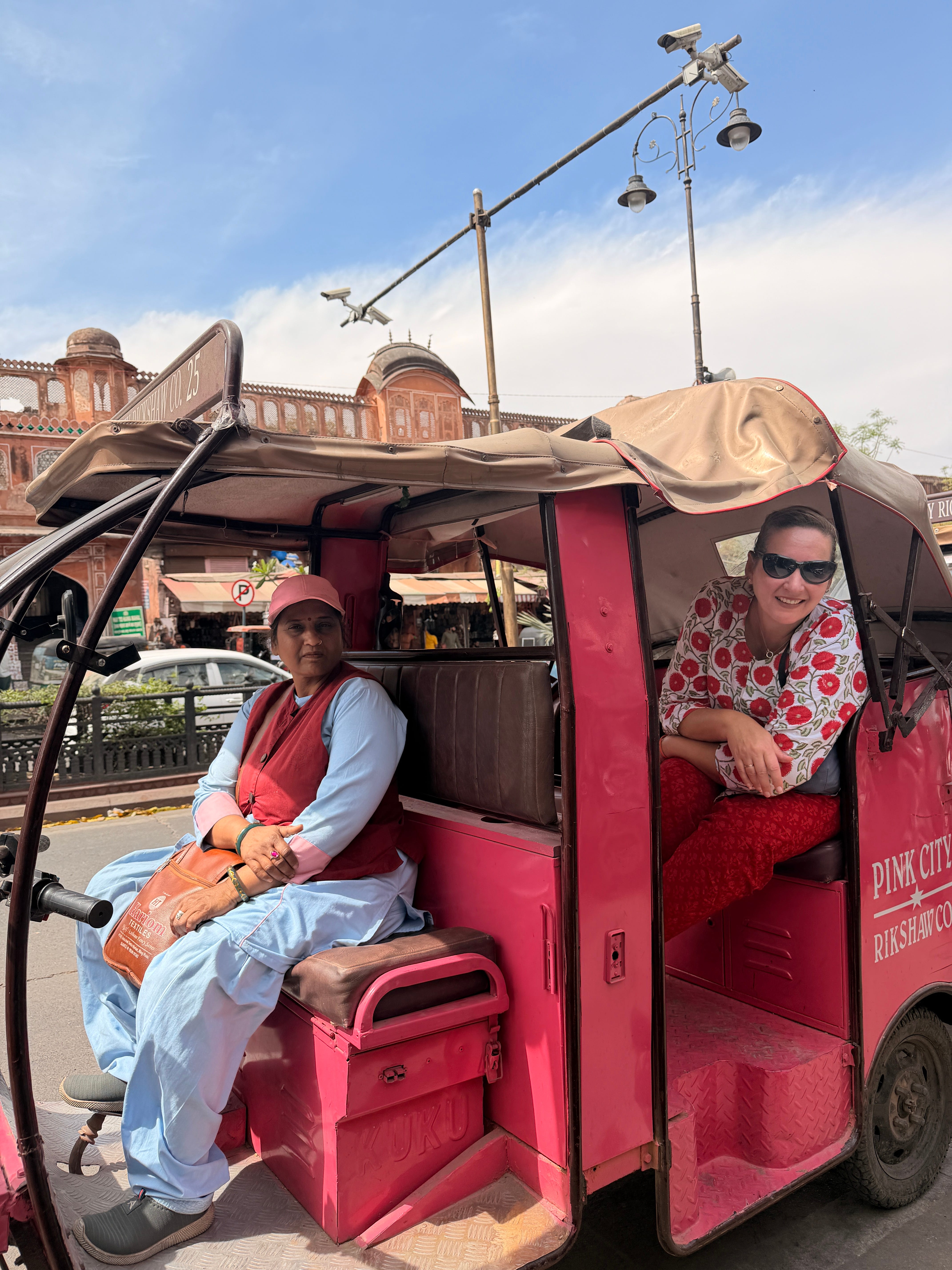
17. How do I get around within cities?
* Metro: Delhi, Mumbai, and Bengaluru have world-class metro systems. They are fast, clean, and air-conditioned.
* Rickshaws (Autos): Great for short distances. Use apps like Uber Auto or Ola Auto to ensure you pay the "fair" meter price rather than negotiating on the street.
* Walking: Only recommended in specific neighborhoods (like Fort in Mumbai or the French Quarter in Pondicherry). Most Indian cities are not "walkable" in the Western sense.
I have a strong preference for Uber in most cases since the price will be fixed, you know what you’re getting and communication mishaps aren’t an issue.
18. Is "Overtourism" a problem in India?
Like many global destinations, spots like the Taj Mahal can get incredibly crowded but you can avoid crowds with some planning. The best trick to avoid crowds is going at opening or closing time. India is the most populous country in the world, so many tourists you’ll encounter are Indian, meaning that historic sites are super busy on Indian holidays.
19. Can I work remotely from India?
Workations are a massive trend. Cities like Bangalore, Pune, and Hyderabad offer high-speed internet and thriving co-working spaces. For a more scenic "office," towns like Bir (Himachal Pradesh) and Varkala (Kerala) have become hubs for digital nomads, with many hostels offering dedicated high-speed Wi-Fi zones.
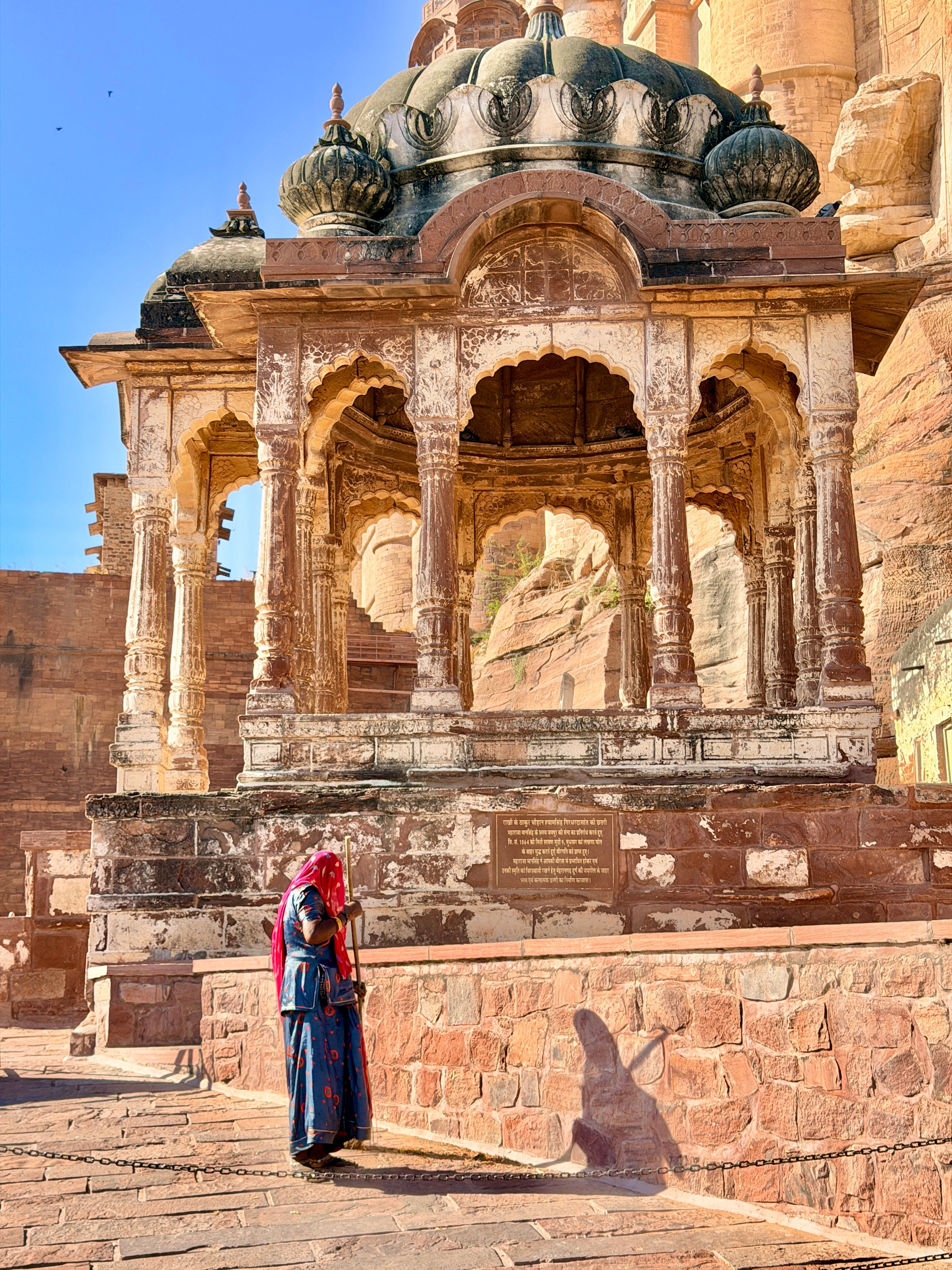
20. What is the "Culture Shock" like?
Even the most seasoned traveler can be overwhelmed by India. It is loud, crowded, and tiring. Cities are hot and noisy, cows wander on to the roads and block traffic. Garbage is a problem in urban areas. Tourists are often plagued by touts trying to make a living. It can be A LOT.
* The Strategy: Don't try to "fight" the chaos. Accept that things might take longer than planned.
* Slow Travel: Instead of hitting five cities in ten days, pick two. Spending more time in one place allows you to move past the surface level and actually connect with the people. Transportation is the most tiring part of India.
* Consider taking a tour. Sure, shameless promotion, but this is one country that a tour makes a huge difference in your experience. India is logistically and culturally challenging, so you’re best off having a guide.
* Spend money on a nice hotel. I cannot stress this enough. You need a comfy refuge on a challenging country.
2026 Travel Checklist
* [ ] Apply for e-Visa (at least 2 weeks before).
* [ ] Set up UPI One World app for digital payments.
* [ ] Download Offline Maps (Google Maps works great, but data can be spotty in the mountains).
* [ ] Pack a Power Bank (Indian trains and buses are getting better, but power isn't always guaranteed).
* [ ] Get Travel Insurance (ensure it covers medical evacuation if you're heading to the Himalayas).
India in 2026 is a blend of 5,000-year-old traditions and 5G connectivity. It’s a country that requires you to be present, patient, and open-minded. If you can, it will dazzle your senses and invite you to return.
Does India sound enticing but overwhelming? Join us on our India tour and leave the planning to us!
Comments
Nothing yet. Say the first thing.
Sign in to join the conversation.