
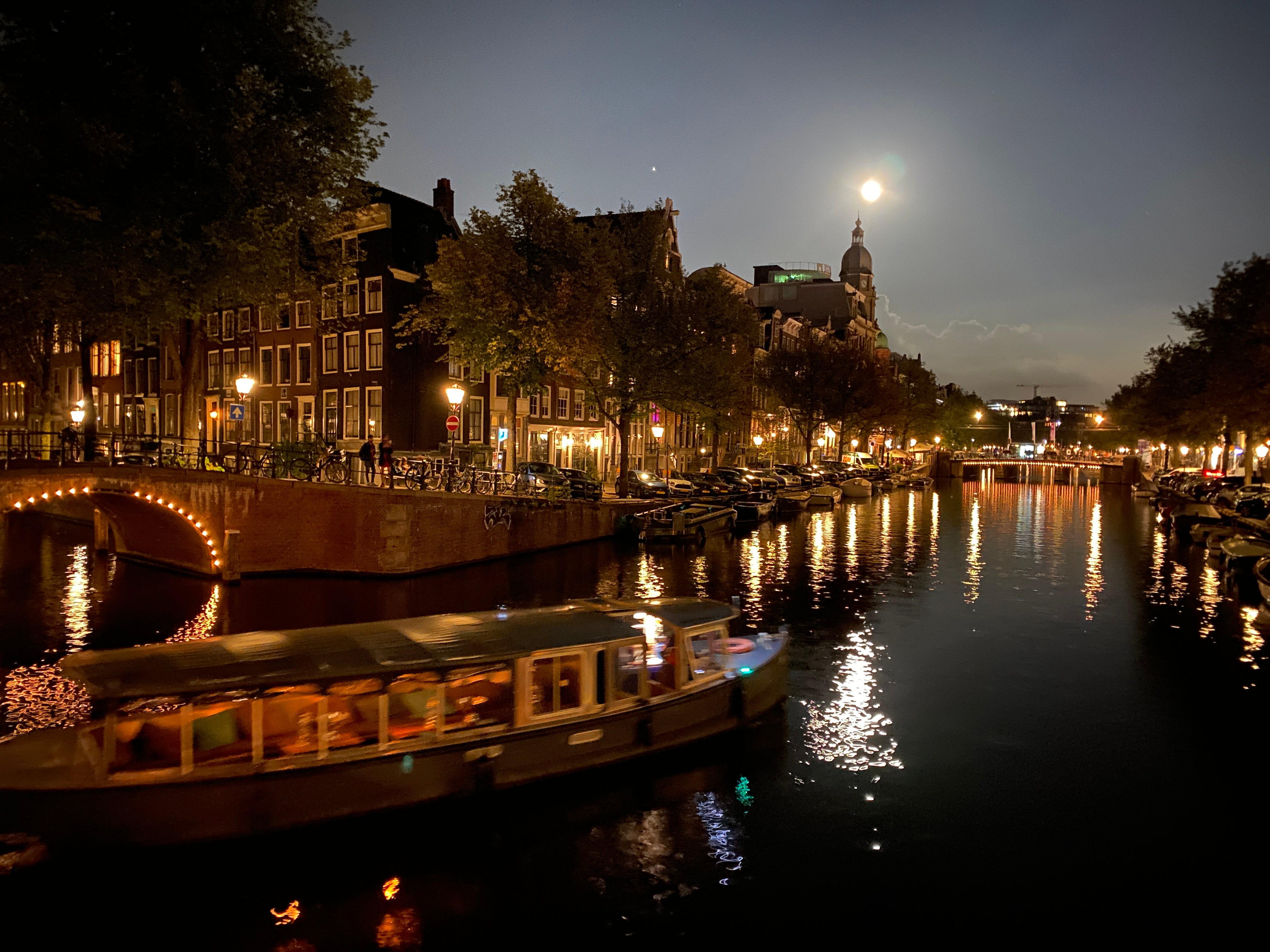
I first came to Amsterdam in 1994 on my first backpacking trip. It was part of the 90’s college student Eurail Trail, and the cheapest flight to Europe was $650 on the Dutch airline Martinair. Back then, it was where your “Let’s Go” told you about the chattiest hostel and where to smoke your first joint. As you can tell, I didn’t really get the city at all. Now, a couple of years later, I have a Dutch partner and a far better understanding of the beauty of Dutch culture. I still don’t know Amsterdam as well as I’d like, but on every trip back I expand my understanding.
As you may know, I wrote guidebooks for Rick Steves for 20 years, although Amsterdam was never my beat. So, I’ve put my guidebook writing spidey sense to work and gathered up my best observations and suggestions. I was recently lucky enough to be invited by a Dutch tourism trade group to do a “FAM” trip where we got to see some unusual activities, some of which I’ve included here. Perhaps the more important aspect of this guide to Amsterdam is that it’s been written with input by a local who gets asked all the time for Amsterdam visit suggestions.
This guide is a one-stop-shopping approach, but I intend to do deeper dives into each section as I discover more. For now, here’s my quick guide to a fun time in Amsterdam, whether it’s a 24 hour jaunt to tiptoe through the tulips or a 7 day deep dive.
Amsterdam’s story is a masterclass in human willpower. Founded in the late 12th century as a tiny fishing village behind a dam on the river Amstel, it didn’t stay small for long. The city’s position as a port and the growing sea power of the Dutch made Amsterdam the center of trade for a European continent hungry for the finer things in life, like cinnamon and silk. By the 17th century—the Dutch Golden Age—Amsterdam was the wealthiest city on the planet. This was the era of the Dutch East India Company (VOC), the world’s first multinational corporation, which fueled a boom in science, art, and urban planning. Add to that the tulip mania that roared through the continent, and the Amsterdam of the 1600’s was lit.
The iconic canal ring (Grachtengordel) was constructed during this time. It wasn’t just for aesthetics; it was a feat of hydraulic engineering designed to manage water and facilitate trade. The tall, skinny Dutch houses look that way because land was scarce, and everyone wanted to be on the canal since they were mostly traders. The power and money accumulated attracted artists like Rembrandt to the city to sell their works to rich merchants.
While the city saw a decline in the 18th and 19th centuries, it reinvented itself after WWII as a global beacon of liberalism. The history of imperialist conquest brought in a multicultural Dutch identity. Today, it remains a city that balances its historical weight with a fiercely modern, tolerant, creative spirit.
Arriving in Amsterdam
Most travelers land at Schiphol Airport (AMS). You’ll tumble out of baggage claim into a shopping center with a train station underneath. The train to Amsterdam Centraal remains the best option, running every few minutes.
One-way Train Ticket: €5.90 (roughly 17 minutes).
Taxi/Uber: Expect to pay €60–€70. Only take this if you are traveling with a large group or have significant mobility (or luggage) issues.
Public Transit & Passes:
In 2026, the city has moved fully to OVpay, meaning you can tap your contactless credit/debit card or phone on any tram, bus, or metro. Ticket kiosks are at the train station as well.
Standard Fare: €1.16 boarding fee + €0.217 per km.
1-Hour GVB Ticket: €3.40 (best for one-off trips).
The Best Pass Options:
GVB Day Pass: Unlimited trams, buses, and metro within Amsterdam. 24 hours: €10.00 | 48 hours: €16.00.
Amsterdam Travel Ticket: Includes the train from Schiphol plus all GVB city transit. 1-day: €20.00 | 3-day: €34.00.
Amsterdam & Region Travel Ticket (ARTT): Ideal for day trips to Keukenhof or Zaanse Schans. 3-day: €44.00.
This is the most popular pass for travelers who want to do it all. It includes entry to over 70 museums and attractions, as well as unlimited use of GVB public transport (trams, buses, metro). I’ve tried it and had a great time, because it encourages you to drop into a museum or activity for even a few minutes.
What’s Included: Rijksmuseum, Van Gogh Museum (requires a specific time slot booking), Stedelijk Museum, Nemo Science Museum, and even a canal cruise.
The Math: For a 72-hour pass at €110.00, you only need to visit about two museums and take a few tram rides a day to break even.
If you haven’t see the biggies, this is where to start. Note that you’ll need reservations to all but the canal cruise.
The Rijksmuseum: This vast museum is always worth a visit, if only to see Rembrandt’s The Night Watch.
Anne Frank House: This monument to the brave young Holocaust victim is a sobering visit. Its popularity makes it hard to book since it’s a tiny house with tons of stairs. Tickets are released every Tuesday for visits six weeks later. Book early.
The Van Gogh Museum: Home to the world’s largest collection of Vincent’s work. Virtually impossible to visit without a reservation, so book 4 weeks out.
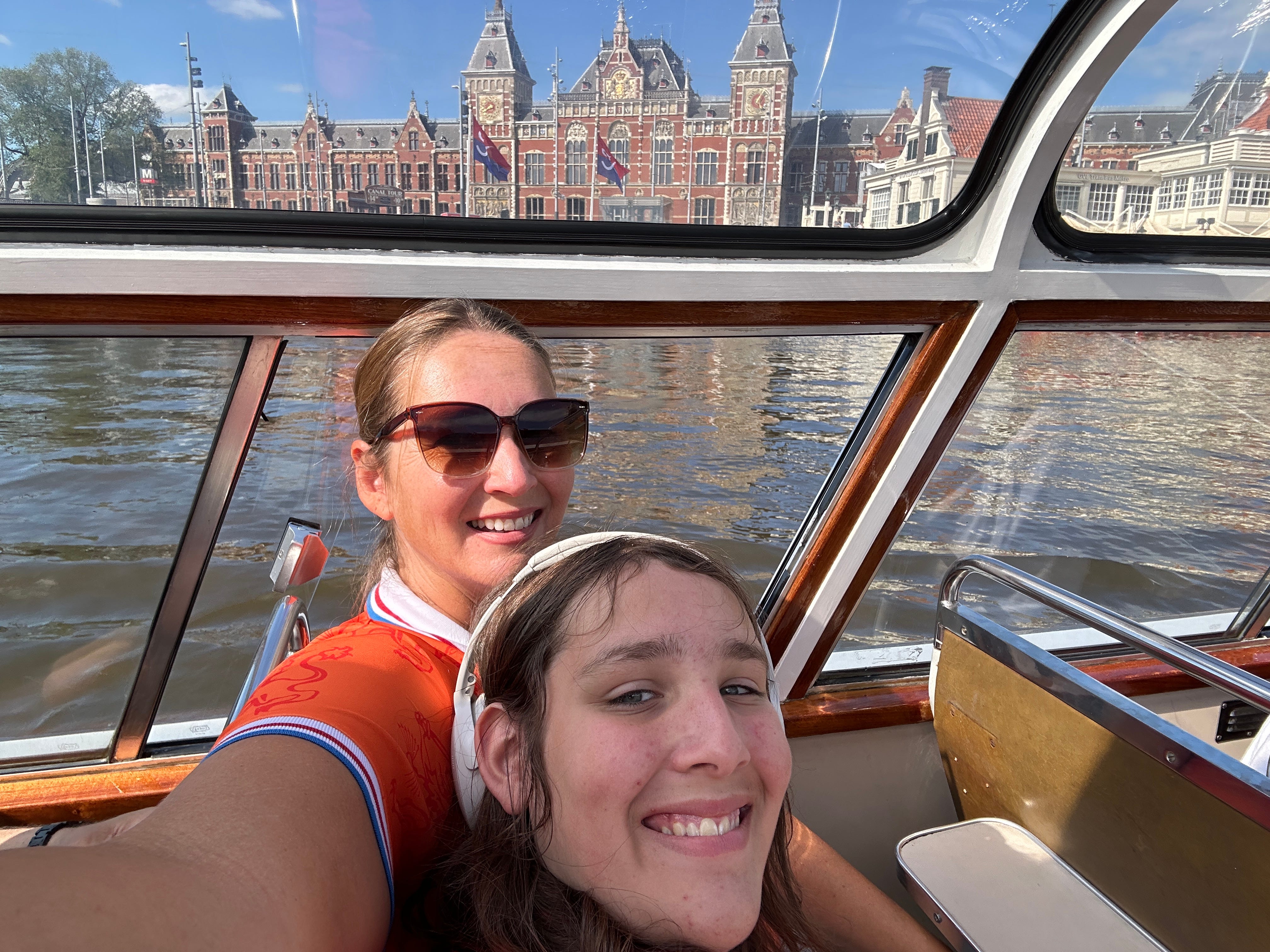
Canal Cruises: Amsterdam has always been a city that was seen from the water, so that’s where you should start. It may be the most touristy thing you can do, but if you haven’t been before, it’s a good overview. Several competing companies leave from the train station area, pick whoever is going next.
Amsterdam has no end to interesting things to do, but there’s a lot of gimmicky fluff to cut through. These are a few of my favorite offbeat activities.
Comments
Nothing yet. Say the first thing.
Sign in to join the conversation.