
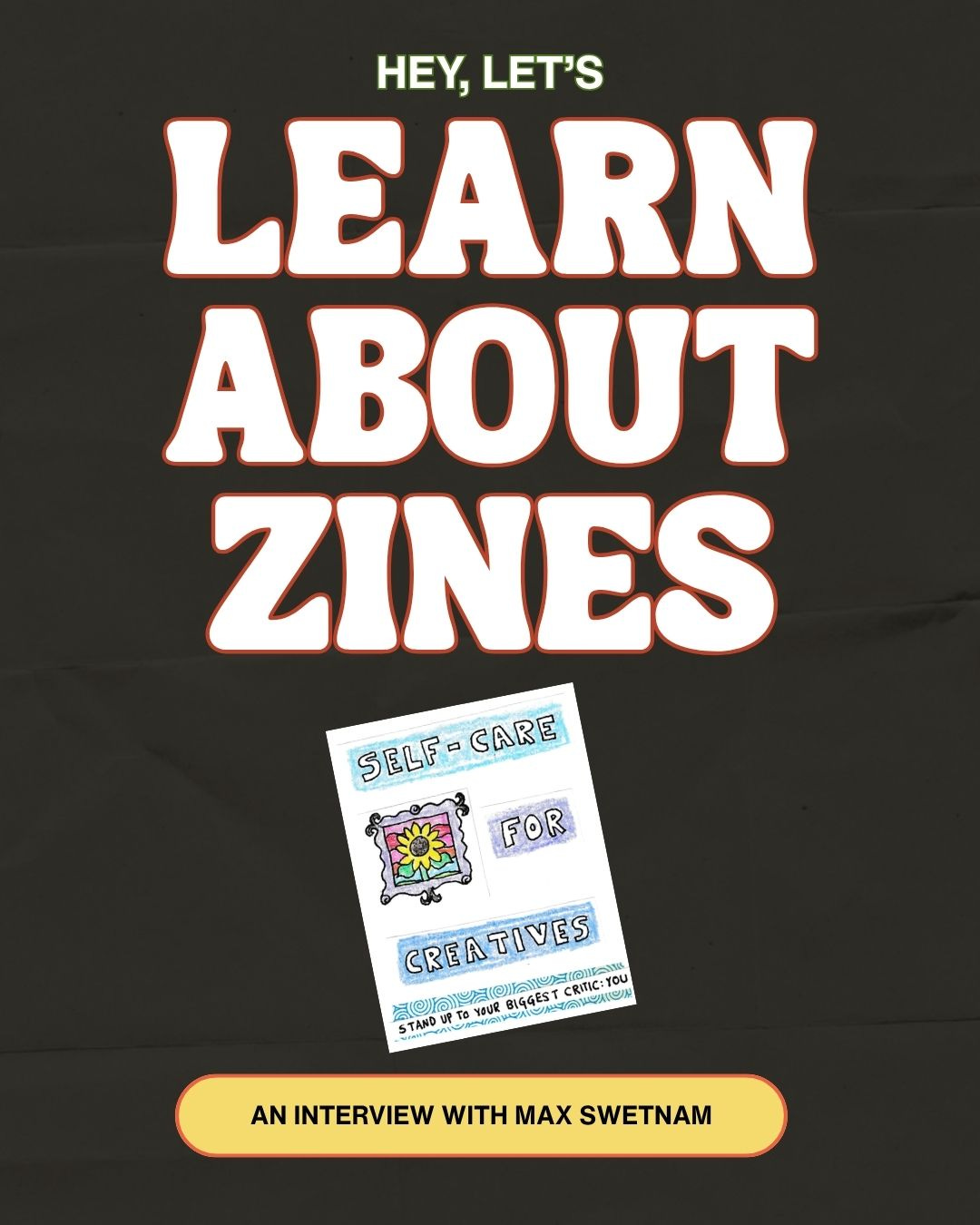
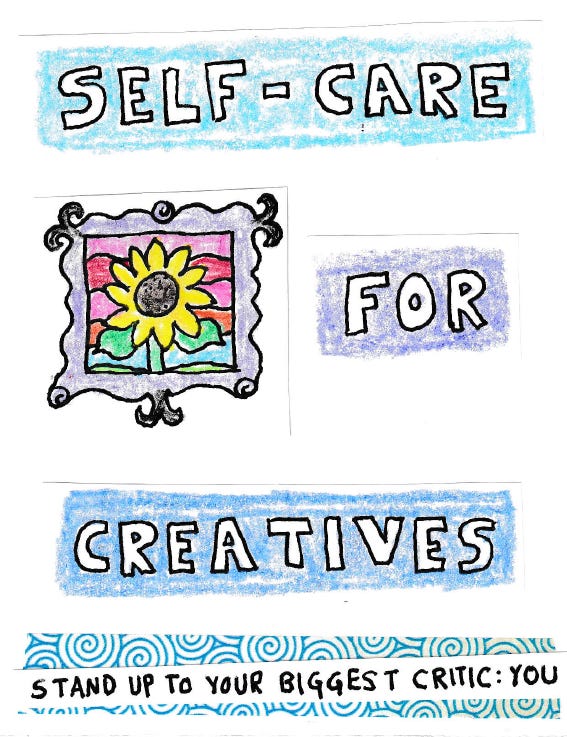
Here’s a great example of a zine and something close to my heart: Art and Eat. Thank you, Max!
What follows is an interview with zine creator Max Swetnam!
What I learned about zines from this interview is that there’s a huge zine culture that you can dip your toe in and find the thing that interests you. I am even inspired to host a zine making event. We shall see if that turns into something!
Please, keep reading. Max is very funny and observant.
What separates a zine from a pamphlet?
The purpose - zines are self-published and focused on niche or personal topics/passions. Pamphlets are free informational documents for public usage, usually to advocate or inform. Sometimes zines are created as pamphlets.”
-Max Swetnam
What was the first zine you read?
I don’t remember the first! My earliest zine memory from the late 90s is a red cover poetry zine that I got when I was a teenager (probably 14 or 15). It was one of my first online purchases. I remember reading it over and over, I wasn’t even that into the poetry but I liked that it was a thing someone created and shared and bound and that I was able to hold it in my hands. I also liked that it was numbered so I felt like I was in a club of people who were holding this zine. It was such a cool way to be creative and share that with people.
What got you into making them?
In 2011 or so I started to feel like I had something to say. It never even occurred to me to make zines before that, but I remember thinking that I had a lot to say about being depressed and the trial/error of trying to navigate the world and figure out how to get better. I made a bunch of zines (“Letters to My Therapist”) over a few years that covered topics related to my mental health and history, and what I was doing to understand and deal with it. I ended up getting really involved in some of the online zine and snail mail communities at the time which was a catalyst to making more zines. I made tons of zines about all kinds of things - being creative, being an introvert, fiction/stories, research/essays, fanzines, art/sketchbook, photos, activity zines, coloring zines, and the list goes on. I’m trying to get back into that energy again!
What’s the easiest method to fold a zine?
The easiest way to fold paper to make a zine on the spot is to do an 8-page minizine. Ideally you’d have scissors nearby but if you don’t you can manage by making very precise folds (using your nail or a pen) and then carefully tearing the paper along the creased line. When you learn how to fold/cut this zine, you get an 8-page mini booklet and can begin making the zine. If you want to copy it, all you have to do is unfold it and lay it flat. You can also fold it backwards and make a second zine on the reverse side.
https://www.icaboston.org/articles/make-your-own-mini-zine/
Who are your favorite zine makers? Can you link us to some?
There are way too many to name! Here are a few new & old favorites:
Moonbow - Véronique is so vulnerable in what she shares and how she talks about what she’s thinking/processing in the world and it helps me feel so seen.
Basic Paper Airplane - Joshua James Amberson’s zines are reflective and educational and discuss a variety of topics, including small publishing and zine-making.
Telegram - Maranda Elizabeth is a long-time zinester who writes about chronic illness, mental health, and experiences with navigating the disability system in America.
Proof I Exist - Billy McCall writes with such depth of detail and emotion that I always leave an issue of this zine thinking about the way the world works.
Sarah Mirk makes zines and comics describing observations, activism, and other interests.
Where do you find the inspiration for your zines?
Everywhere, in everything I do, read, and think about, but especially by reading other zines. Often my zines are inspired by other people’s creativity - someone makes a zine in a format I’ve never used before, and that inspires to me to make one similar to that. Zines can be about literally anything so you can apply almost any idea to making one.
For example, I’ve been making small collections of ghost stories based on things from my life - I went to West Virginia for a few camping trips. On one of them I did a mining tour. It got me thinking of ghost tales so I read a bunch, then ended up making a zine with my favorite West Virginia mine ghost stories that I shared with my Halloween mail in 2025 called “Yearning for the Mines.” I did something similar in my 2024 winter mail and found a bunch of winter/ice-themed ghost stories to compile in a zine called “Haunted Winter.” The only reason I made it was to have something fun to send in winter mail. I don’t often pressure myself to have a “good idea,” I just do what comes to mind and hope it’s fun for other people to read because I’m definitely going to share it. Frankly - I have never gotten bad feedback except sometimes to say the print was too small. People love zines!
What tips can you give us about buying zines and making them?
Buying zines: Look up zine fests in your area, also some bookstores or libraries might have them. I find a lot of zines at small press events, too.
Online: Etsy is still a pretty good hub to find zines about basically anything but a lot of zine makers flocked to other places like itchio, ko-fi, gumroad, patreon, and other shop or subscription sites.
You can also use Zine Map to find zines and zine people! Search for online zine distros which is basically a “zine shop” offering a bunch of different kinds of zines on different topics. They each have their own specialization and “personality” and usually once you find one that sells some zines you like, it’s easy to find more since you’re on the same wavelength as the distro. Some of the ones I frequent:
Owning zines: It does not take much to collect a massive amount of zines. I recommend sending them to friends, penpals, leaving them in coffee shops or public places that allow things like that, finding out if you can donate them, etc. Don’t keep it around if you didn’t end up liking it - maybe someone else will! Also definitely read stuff about how to store zines, there are a lot of good ideas out there.
Making zines: It’s not about making money, having all the right supplies, or having a history in art/book making. It’s about getting your words out, sharing your story, being messy, embracing DIY-culture, and inspiring others to make zines of their owns for their own reasons and in their own ways. My zine rec for this sentiment: https://www.etsy.com/ie/listing/4403484797/call-in-sick-and-make-zines
You don’t even have to share zines if you don’t want to! That’s a bonus to zine-making, but not a requirement. They are easy to learn & photocopy for distribution if that’s what you want to do, and there are lots of opportunities to get them out there. All the buying & owning zines tips apply to distributing your own zines too.
For example, a zine fest or press expo is a great place to table/sell your own, learn about the zine community in your area, and network with other zinesters. Or if you don’t want to reach that far, you could just send them to friends and family. Also, don’t get too muddled in “format” - some people are very strictly digital vs analog, but the way I see it, zinesters have a plethora of tools digital and handmade to put an idea together and make a cool zine. You can sit at your desk with paper & glue or you can use your phone to drag&drop assets in Canva. OR you can drag&drop assets in Canva, print it, and then add paper & glue. Either way you’re being creative and making a cool thing.
Digital tools that can help you make zines:
Electric Zine Maker: desktop app that helps you make 8-page minizines easily
Zine Imposer: web app, upload pages and it’ll make it int an 8-page minizine layout for you to print
ZineArranger: convert an 8-page PDF into a zine (multiple size options)
Canva Zine Template: Minizine 8 pages (1 piece of paper)
Canva Zine Template: Quarter zine 8 pages (1 piece of paper)
Canva Zine Template: Quarter zine 16 pages (2 pieces of paper)
One note - Although this focuses on paper zines, web/internet zines are also a thing. They are usually raw HTML, experimental, focus on similar topics as paper-zines but designed/delivered in non-traditional ways (eg, not usually considering great mobile or responsive design). I’m seeing some of this evolve as people create tools to help others make webzines, so I think it’ll get more interesting & accessible to people who can’t do or don’t want to learn HTML.
Zine examples: Digital Home Zine (not mine), Personal Change, No BS, Max’s Pride 2025 Webzine
Zines Forever: website for making & sharing digital zines
HTML Zine Club: same as above but different ways of making the zines
What challenges do you face when making zines and how do you overcome said challenges?
I have variable energy (”spoons”) day to day, that combined with time/things happening, it can be a challenge to keep up with it. Also I find that I get a lot of my energy for making things and thinking creatively in the morning and afternoon, which day-to-day goes to work

I try to remember to keep it flexible and iterative! When I was younger I’d stop myself from making zines if I couldn’t do it all in one sitting, but I’ve gotten better at reminding myself that I can break it into pieces. Draft/write the zine, layout the pages, cut & paste & glue (or drag&drop), scan, print, cut, fold, staple - each can be done on a different day or after a long break, and I don’t need to think of it as a 1-day efficient and productive zine factory.
Also, I have gotten into letting my ideas percolate over time. Sometimes I can sit down to an 8-page minizine and finish it in one afternoon, but sometimes I want to draft it, revisit it, and reorganize it before getting it down. Adding this kind of flexibility into the process & flow of making zines, instead of pressuring myself to be able to do it all at once, has made it easier and more forgiving to engage in the hobby! It has also generally opened up my eyes to giving myself more grace living with physical limitations outside of my control.
What is your favorite quote?
One of my favorite quotes of all time is from a zine:
the stories you tell are your life
the stories you don’t tell control you
-- Laura Garland, Pansy #8
Tell us about your pets and/or favorite places to visit.
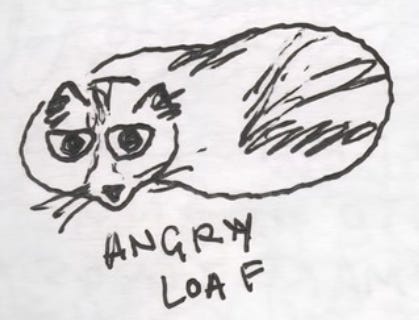
I have one cat, Zenny, who is the princess of my life and owner of my time. She does not like zines because I am a “lap creator” and she is a lap cat. I use a laptop (in my lap) to write and a lapdesk to make zines. Overall she is not a fan of the whole process. She’s often a topic in my zines and sometimes I make little doodles and share those too. She’s 12 (!) and I got her 3 years ago and she’s my first cat. She’s named after the currency in Monster Hunter. As she gets older and has more senior cat needs, I find that naming her after money was incredibly on the mark.
I like going into the mountains and sleeping in an extremely vulnerable enclosure. I have made a few zines about camping and hope that I’ll have more ideas during/after camping season 2026! Camping minizines: Campground Rules, What to do with your phone while you’re camping
Tell us what makes zines special to you.
This is unintentionally the best wrap-up question for this survey because I can callback to my first answer - zines are precious to me because they are products of passion and creativity. To repeat myself - this was a thing someone created and shared and bound and that I am able to hold in my hands. Numbered edition or not, I feel like I’m in a club of people who get to read and think about this zine.
Unlike a pamphlet (oh another callback!) which is intentionally directed to an outward group/audience and shared widely, zines are usually focused inward on the author’s ideas, thoughts, observations, reflections, and understanding of the world. It’s an insight into how someone thinks and operates and the ways they express that. A zine doesn’t have to be full of writing to share someone’s perspective. It’s incredibly cool that someone decided to do this with paper, shared it with others, and then a century-long community of zinemakers emerged, with more to come. It’s the most radical and badass way to share information/knowledge - no editorial requirements, no SME review, just anything you want to say about anything printed and bound for others to enjoy. On top of all of that there’s a very low barrier to entry! Kids can make zines too! All you need to do is know how to use a writing/marking utensil, intentionally fold/cut paper, and have an idea.
Thanks again to Max for sharing their thoughts and zine wisdom.
You can follow Max and their adventures on their site and also their newsletter. Oh, and you can purchase some zines on their ko-fi page!
Comments
Nothing yet. Say the first thing.
Sign in to join the conversation.