
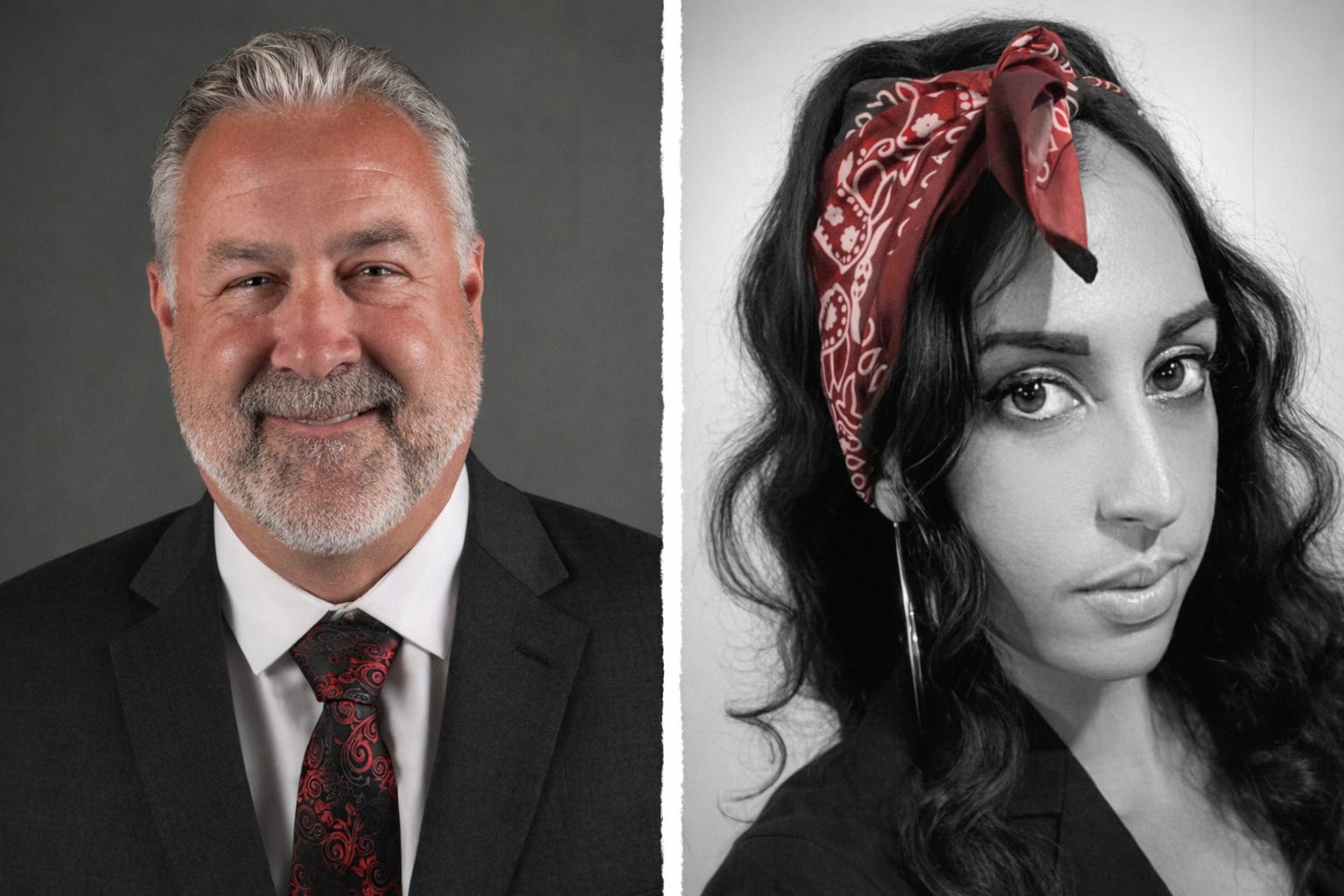
The conflict between Mark Adams and me has never been a simple disagreement — it has been a long‑running pattern of Adams publicly minimizing, denying, or contradicting actions he privately directed me to carry out.
The Press Democrat’s July 31, 2026 article didn’t explicitly accuse Adams of lying, but it laid out the contradictions so plainly that readers could see the tension for themselves: Adams told the paper he didn’t know who Ryan Williams was, that a “Whitestar employee” mistakenly shared investigative data, and that he couldn’t comment on client work — yet the very emails he sent me show he personally assigned the Williams investigation, provided context, and requested a “good thorough looking into.”
The Press Democrat didn’t say he lied, but they presented his statements alongside the evidence that disproved them, quietly exposing the ongoing conflict between Adams’ public narrative and the documented reality of his interactions with me.
The Press Democrat printed Adams’ claim:
“I don’t even know who Ryan Williams is.”
Then — immediately after — the article revealed the March 14, 2025 email Adams sent me:
“I want a good thorough looking into of this person,” Adams wrote.
The paper didn’t editorialize.
They didn’t accuse him of lying.
They didn’t add commentary.
They simply placed the two statements next to each other.
The implication was unmistakable:
Adams said he didn’t know Williams, but his own email shows he assigned an investigation into Williams.
The Press Democrat let readers connect the dots.
The article reported Adams’ explanation:
Adams said a Whitestar employee mistakenly shared the information…
But the article also noted:
Adams personally emailed me the assignment
Adams personally sent links and context
Adams personally directed the scope of the investigation
I was not an employee — I was a contractor
The documents labeled “background report” and “investigation report” were sent because Adams instructed me to produce them
Again, the Press Democrat didn’t call it a lie.
They simply presented the facts in a way that made his explanation impossible to believe.
The implication:
The “employee mistake” narrative doesn’t match the documented chain of events.
The Press Democrat printed Adams’ claim that he reported the “mistake” to the state agency.
But my BSIS documents — which the paper referenced — show:
BSIS escalated my complaint
BSIS requested more documents from me
BSIS transferred my case to Enforcement Review
BSIS assigned a new analyst
BSIS never mentioned any self‑reporting by Adams
From my BSIS correspondence:
“Your complaint will be transferred to the Bureau’s Enforcement Unit for further review…”
The Press Democrat didn’t say Adams lied.
They didn’t challenge his statement.
They didn’t editorialize.
They simply included the BSIS facts that contradict his claim.
The implication:
Adams did not self‑report anything.
Adams told the Press Democrat:
“Regardless of what Larry Wasem says, I cannot comment on any work we do with clients.”
But the article itself shows:
Adams commented extensively in his March 14 email
He provided articles
He contextualized the assignment
He directed the investigation
He asked for a “good thorough looking into”
The Press Democrat didn’t accuse him of lying.
They didn’t say he contradicted himself.
They simply printed his statement — then printed the email that disproved it.
The implication:
Adams did comment on client work, and did so in writing.
The Press Democrat used a classic investigative technique:
Print the subject’s denial.
Immediately follow it with documentary evidence that contradicts the denial.
Avoid explicit accusations.
Let readers reach the conclusion on their own.
This structure is intentional.
It protects the paper from defamation claims while still revealing the truth.
They didn’t say “Mark Adams lied.”
They didn’t need to.
They showed it.
No posts
Comments
Nothing yet. Say the first thing.
Sign in to join the conversation.