
The civil action SCV‑270527 | Jane Doe #1 et al. v. Dominic Foppoli has evolved into one of Sonoma County’s most procedurally complex cases. The docket provided spans nearly one hundred pages of filings, hearings, demurrers, motions to strike, discovery disputes, and repeated judicial reassignments. Plaintiffs—multiple Jane Does represented by Perry Law attorneys Traci Carrillo, Nicole Jaffee, and Gina Fortino Dickson—allege sexual assault, negligence, and organizational failures involving Foppoli and several entities connected to him.
Among the defendants is Santa Rosa Active 20‑30 #50 Foundation, a social and philanthropic organization historically intertwined with local political and business networks. The docket confirms its role as a named defendant.
A significant structural conflict emerges when examining the relationship between the plaintiffs’ law firm and one of the defendants.
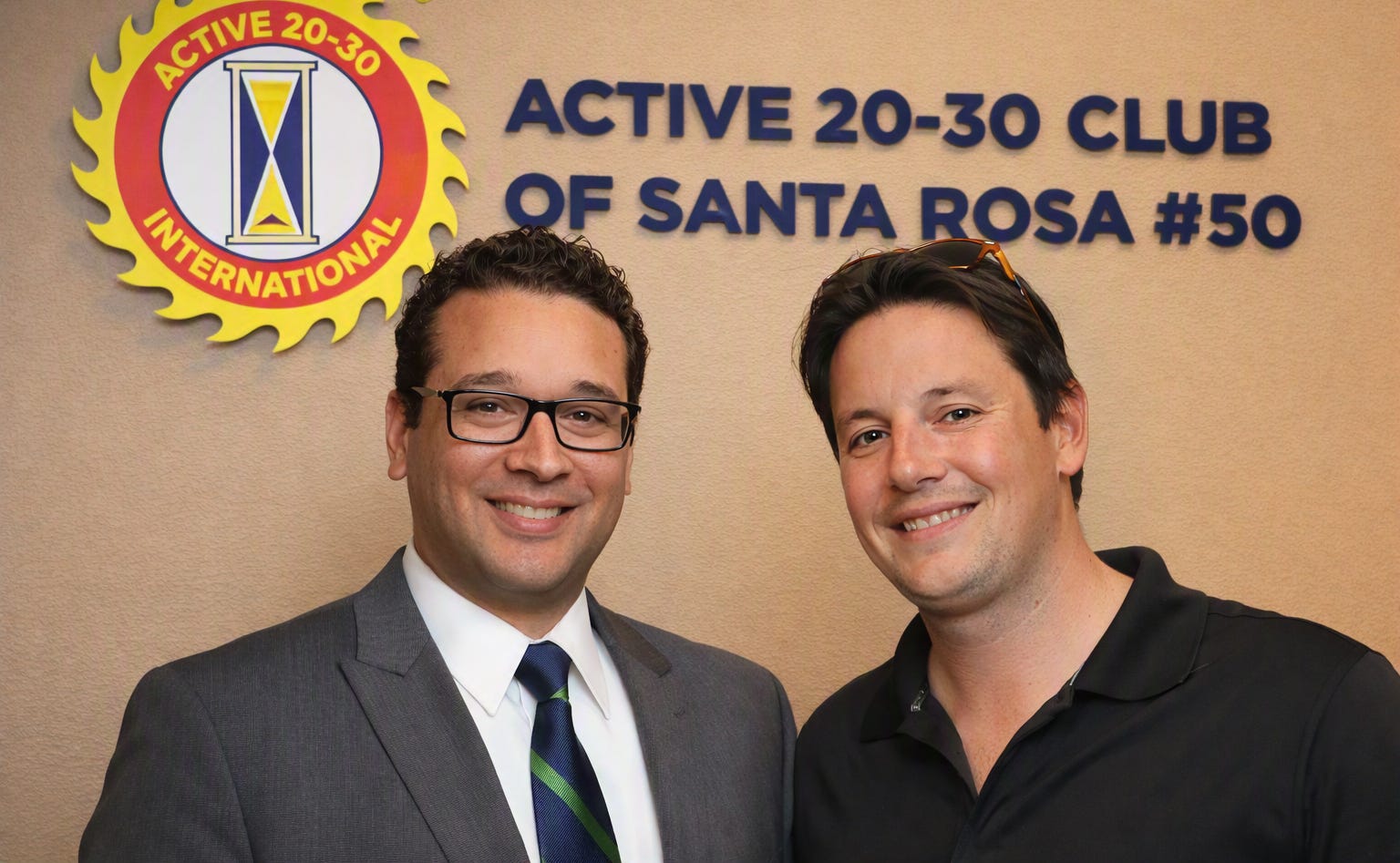
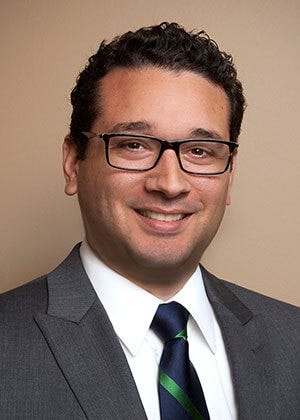
According to Perry Law’s public attorney biography, Esquire Martin Hirsch, a partner at the firm, previously served as an executive board member of the Active 20‑30 Club of Santa Rosa #50.
From the firm’s website:
“Martin Hirsch… served on the Executive Board of the Active 20‑30 Club of Santa Rosa #50.”
(Perry Law – Attorney Profile)
This creates a direct organizational overlap:
A partner at the plaintiffs’ firm formerly held leadership within a defendant organization.
Even though Hirsch is not listed as counsel of record in the docket, his partnership status means he shares in firm profits, participates in firm governance, and is professionally aligned with the attorneys litigating against his former organization.
Under California ethics principles, a partner’s conflict is typically imputed to the entire firm unless formally screened or waived. The docket contains no indication that any conflict waiver or screening notice was filed.
The docket shows Perry Law attorneys repeatedly litigating against Active 20‑30 #50 and its national counterpart, Active 20‑30 US & Canada. Examples include:
“Motion to Compel… Active 20‑30 US & Canada to provide further responses…”
(Details.pdf, p. 24)“Santa Rosa Active 20‑30 #50 Foundation’s Motion for Nonsuit…”
(Details.pdf, p. 94)“Motion to Compel Santa Rosa Active 20‑30 #50 Foundation’s Responses…”
(Details.pdf, p. 23–26)
These filings demonstrate that Active 20‑30 #50 is not a peripheral defendant. It is a central litigant, repeatedly engaged in contested motions and discovery battles.
The plaintiffs’ firm—Perry Law—is the firm prosecuting those actions.
California’s Rules of Professional Conduct treat a partner’s conflict as the firm’s conflict unless:
the partner is screened from participation, and
the client provides informed written consent.
The docket contains no reference to screening procedures or conflict waivers.
A former executive board member of a nonprofit typically retains:
fiduciary obligations,
access to internal organizational information,
long‑standing relationships with members, and
reputational interest in the organization’s public standing.
These factors create a structural loyalty conflict when the same lawyer’s firm sues that organization.
Even absent actual bias, the appearance of conflict can undermine confidence in the fairness of proceedings. Reasonable observers could question:
whether Perry Law’s litigation strategy is influenced by internal knowledge of Active 20‑30 #50,
whether Hirsch’s past leadership creates divided loyalties, or
whether the organization’s members expected confidentiality that could indirectly benefit plaintiffs.
The docket shows no judicial inquiry into this overlap.
The conflict is amplified by the interconnected nature of Sonoma County’s civic landscape. Active 20‑30 #50 has historically included local political figures, business owners, and nonprofit leaders. Perry Law is one of the county’s most prominent firms, frequently appearing in high‑profile civil matters.
In such an environment, overlapping affiliations are common—but when they intersect within active litigation, they raise questions about transparency, disclosure, and the integrity of the process.
A conflict could affect strategic decisions, settlement posture, or the perception of independence in representation.
Active 20‑30 #50 could argue that the plaintiffs’ firm possesses institutional knowledge or relationships that create an unfair advantage.
Judicial officers rely on counsel to disclose conflicts. If a structural conflict exists but was never raised, it may affect:
rulings on motions,
discovery disputes,
credibility assessments, and
the integrity of the trial record.
No posts
Comments
Nothing yet. Say the first thing.
Sign in to join the conversation.