
I originally hesitated in writing a story about Iowa distillers and their links to Wheat, Corn and Whisky. It must have resonated as your many comments arrived by email, in-person, and on the post. I received a few “you went out of your lane” messages which further encouraged me to dig 😉. Just as you’re beginning to read this thread today, I am collecting stories from other Iowa distilleries to capture the story of those entrepreneurs and creatives behind award winning labels and to observe technology’s role in their operations.
I want to thank Michael Morain of the dsm Magazine for including my story, Slainte mhath, in the dsm dish newsletter. If you haven’t checked out this incredible newsletter of tastemakers and foodies, please visit and subscribe for free here.
But, thanks to a follow-up invitation from the distillery’s owner Kyle Doyle, let’s first drive back down to Cumming, Iowa for a second visit!
The TL;DR of last week’s post is that Todd Dunkel experimented with making wine in the mid-2000s. Neither of his first two batches succeeded but his dad intervened before he’d dumped his second batch. Dad’s advice to distill brandy led him to obtaining a craft distillation license (#4 in Iowa!) and inspired him to try Bourbon, a decidedly more complex process and operation. He was able to acquire a 100+ year old building in Cumming, procure necessary equipment, seek and obtain a Bourbon distillation permit (#8).
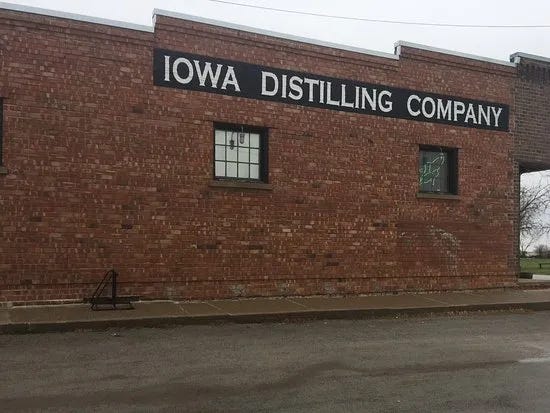
The wave of craft brewing wave had spread widely leading home brewers and winemakers wondering about spirits. Spirits, however, are a controlled product governed by myriad city, county, state and federal rules that establish physical requirements, certification, fire control, security controls, taxation, sales and much, much more. Those who grab a distillation still and begin converting wort to alcohol through distillation are technically breaking several rules and producing moonshine.
A part of licensing requires the building housing the still that distills spirits to be secured, inspected, licensed and approved for production. Further, the product they distill cannot just be sold via their tasting or retail operations as it must be distributed through a controlled spirits distribution facility. The facility must bottle their spirit only up to the limit allowed by their licenses. They must be labeled in accordance with the licenses issued and carry appropriate legends and warnings.
In many ways, distilleries are like startups, investing heavily long before any revenue can be achieved from sale of the product. The equipment required includes mash tuns, fermenters, spirit still, spirit safe, sanitation equipment, barrels, bottling equipment and much more. This early investment required serves both as a deterrent for random production of spirits and as a way to test the mettle of wannabe distillers. By the time distillers achieve the regulated pathways, they are so heavily invested and ready for revenue that many begin distributing the earliest product condensing from the stills - vodka.
Kyle Doyle, the current owner of Iowa Distilling Company (IDC) tells me that Todd came at distillation with the GSD (get shit done) mentality inherent in many entrepreneurs. He hustled to obtain his licenses and facility in Cumming. He created the product and achieved distribution rights. Then came the challenge faced by every startup - generating demand.
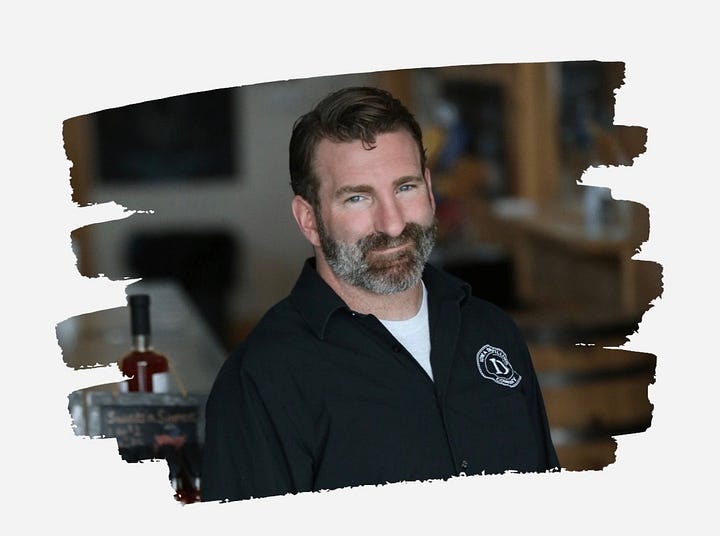
Bourbon and Rye are the primary spirits across America. In IA, Black Velvet Canadian Whiskey sold over 355K gallons in 2023 right after Titos Vodka’s 420K gallons as the top two most sold spirits in Iowa (Iowa ABD, 2023). Consumers know these brands by name and instinctively ask for the familiar name and taste. A craft distillery, on the other hand, produces spirit that’s uniquely new and distinctive in nose, palate, and finish - its flavor. A palate that for many must be developed.
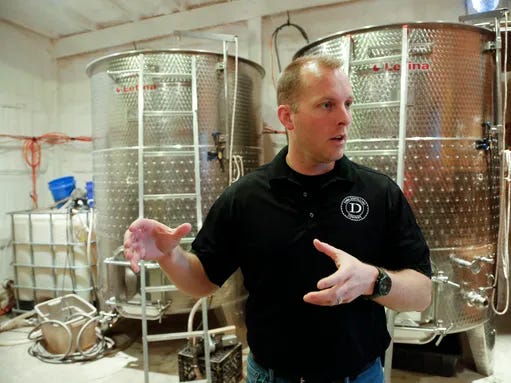
Todd and his master distiller, Adam Cox, had developed the product and found their complement in Kyle Doyle who acquired the company in 2017 and began the effort to market the product across the state. Kyle had earned his stripes in marketing and sales, and I originally met him when he joined Plains Angels angel-investor network. His acquisition of the company prompted me to visit his distillery in a town I once frequented when visiting Adam and Abby’s restaurant and their sumptuous Sunday morning New Orleans-styled brunch.
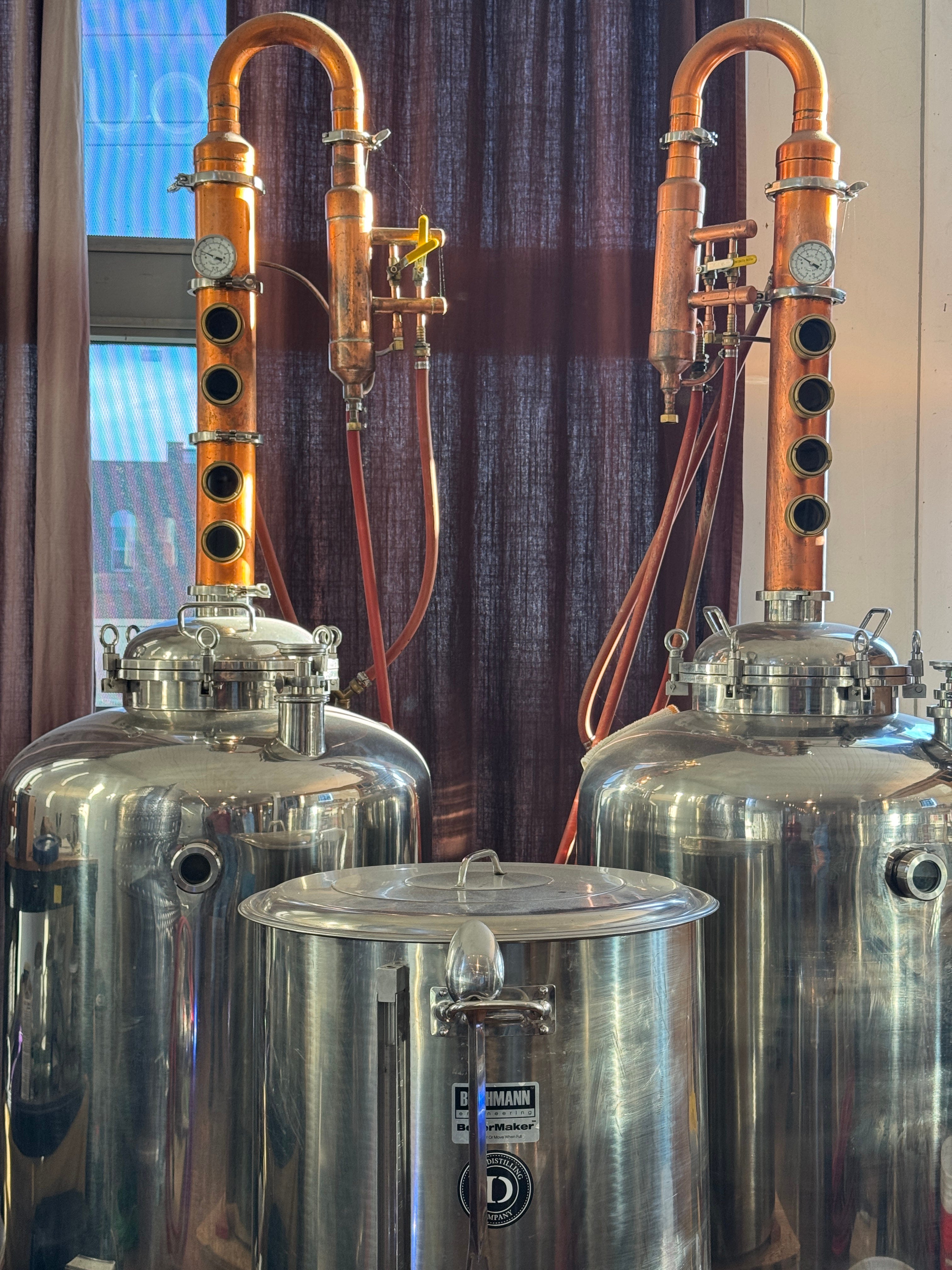
Walking into the young distillery was a unique experience. I could see the equipment behind a wall and grab a seat at the bar. That’s when I learned idiosyncrasies of Iowa law - the products I was about to sample may have been produced behind the wall but had to travel to the state distribution warehouse and reacquired by the distillery for samples and sales to customers and nearly double in price due to taxes and distribution cost. We sampled craft Vodka, Bourbon and Rum - all differentiated from the big names - my cup of tea.
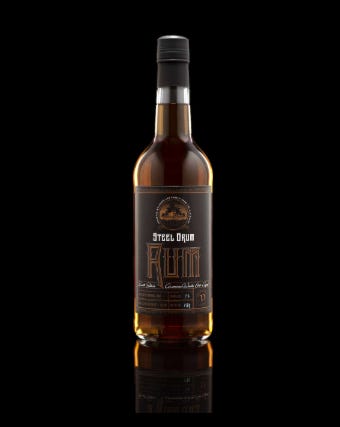
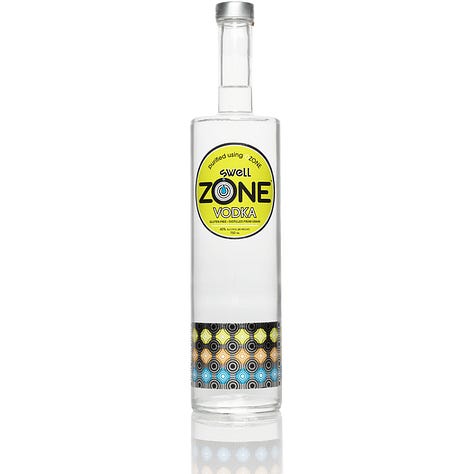
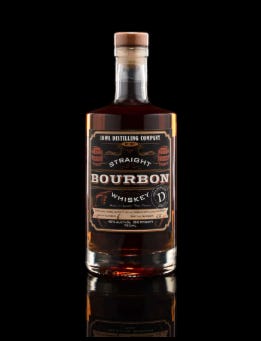
Though not my go to spirit of choice, I tried their Vodka and found it pleasant on the palate - none of the burn that accompanies the spirit in its purest form.
The next item I tried was Rum, a spirit whose use dates back to the earliest days of the colonies but is best known across America today as the spirit mixed with Coke and consumed in great volumes across state fairs, college campuses, dive and home bars alike. Iowa’s (and America’s) taste buds are most familiar with Captain Morgan Original Spiced Rum, the third largest selling spirit in Iowa (Iowa ABD, 2023). IDC’s Caribbean Styled Steel drum reminded me less of Captain and much more of a favorite from India - The Old Monk. The flavors were reminiscent of citrus and florals and less of syrupy sodas. Yum.
My final bottle that day was the lead product - Bourbon - America’s all-American spirit. Before I describe it, you should know I prefer peaty, smoky Scotch Whisky (yes, without the e) distilled from barley and aged in Scotland. Tasted neat, those spirits carry nose and palates of leather, seaweed, ocean, salt and millennia old organics from the soil. Bourbon, on the other hand, generally derives its sweet and smooth palate from corn and rye. Yet, this particular whiskey was alcohol forward, hot on the nose and sharing caramel and vanilla derived from the virgin American Oak casks it had rested for two years. The bourbon’s sweetness arrived a bit later.
I bought all three bottles - master salesman that Kyle was to identify my taste and serve the products in order of influence!
It is a significant marketing challenge to introduce a craft spirit to audiences used to big brands and their flavor. The company decided early to bring mixologists to the tasting room and begin using mixers that highlighted the spirit’s characteristics. For example, cola which overpowers the nose and hides Caribbean styled rum’s citrus notes was set aside for citrus fruit to elevate the spirit and experience. A sommelier sampled and guided the distillery to replace the plastic drinkware with glass as plastic lent the ethanol-forward smells in advance of the spirit. Since a significant majority of taste enters the body through the nose, ethanol from the plastic cup had to be removed from the experience.
The distillery decided to punch above its weight and entered its 4th batch of Bourbon into competitions. That early batch was still completely hand-drawn, bottled, sealed, labeled, and packaged but the team believed in the product to compete. The LA International Wine and Spirits competition evaluated the spirit and awarded it a Silver award in the category. A reason for not achieving Gold was the judges’ perception of heat - the feeling of the spirit on the nose, palate and finish - derived largely from the higher concentration of alcohol in the spirit - the ABV.
All distilled spirit is diluted before being moved from still to cask and bottle and IDC’s Bourbon was bottled at 90-proof (45% ABV). This raised a classic entrepreneurial dilemma - they could easily lower the spirit’s ABV by diluting it further from 90-proof to a more common 80-82. Not only would it create more bottles and more revenue, but it could possibly help them win Gold. Competition judges, sampling large numbers of other spirits at lower ABV would also not be surprised at the inherent hit from higher ABV. IDC’s customer feedback, however, urged caution. Their Bourbon club, a group of buyers who bought options to buy early production runs wanted the higher ABV to retain the spirit’s taste.
Customer preference prevailed and IDC Bourbon continues to be bottled at 90-proof.
Cumming, Iowa is experiencing growth and expansion in hands of entrepreneurs Steve Bruere of The Peoples Company who is establishing an “Agrihood”, a neighborhood rooted in agricultural traditions of Iowa. His significant financial and personal investment is developing mixed-use commercial spaces, homes of varying sizes and space, dense multi-family housing, retail, and office. A modern eatery sits a stones-throw from Iowa Distilling Company and a stop on the bike trail. Live music, community, BBQs, and tacos all serve a diversifying and growing culinary experience.
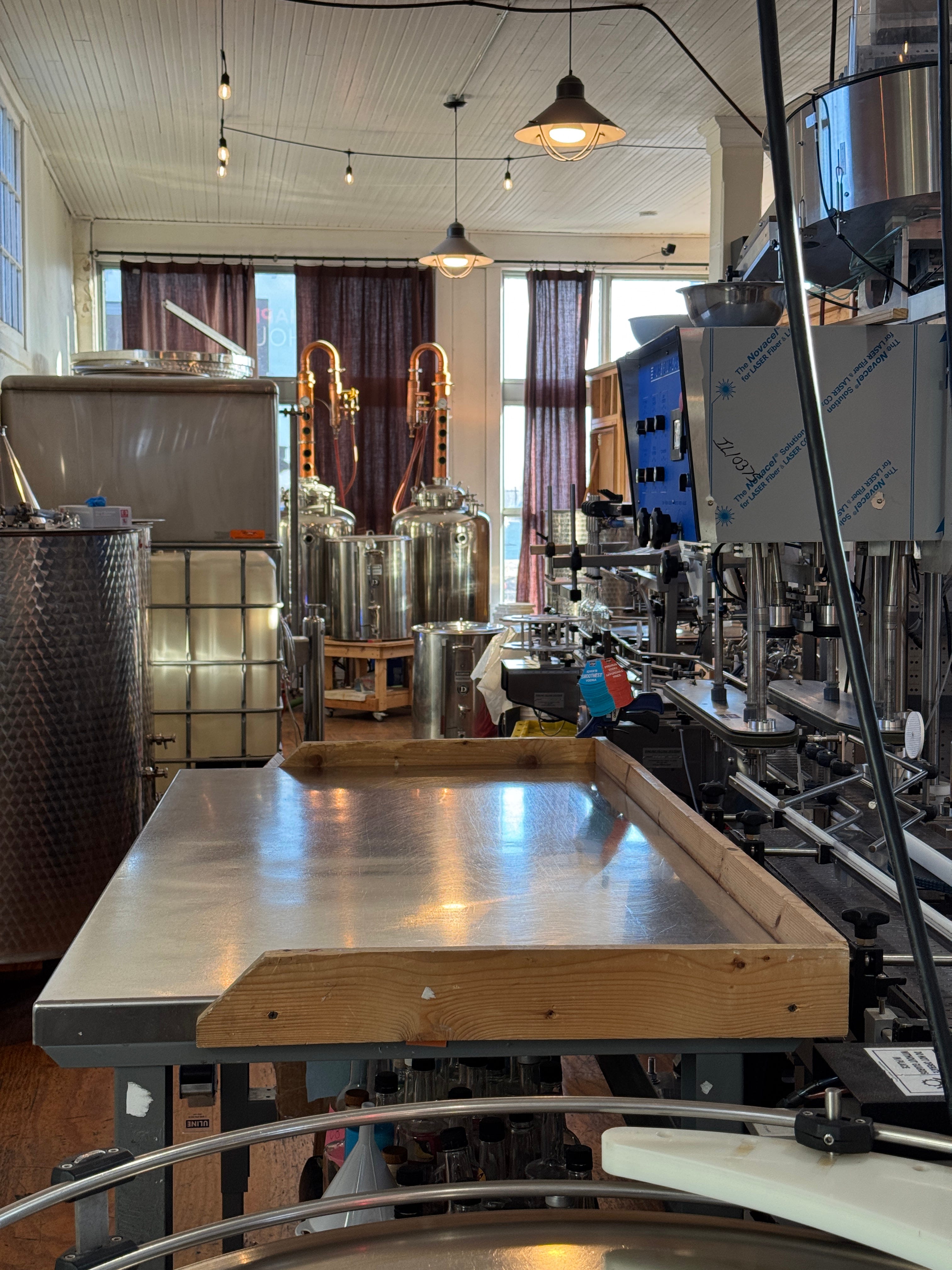
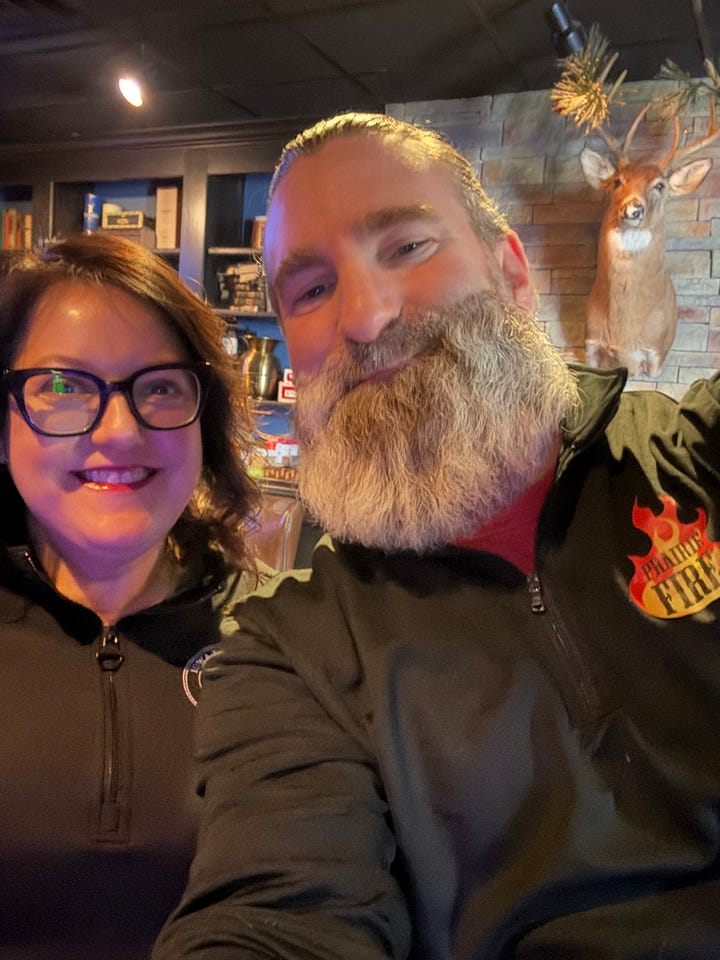
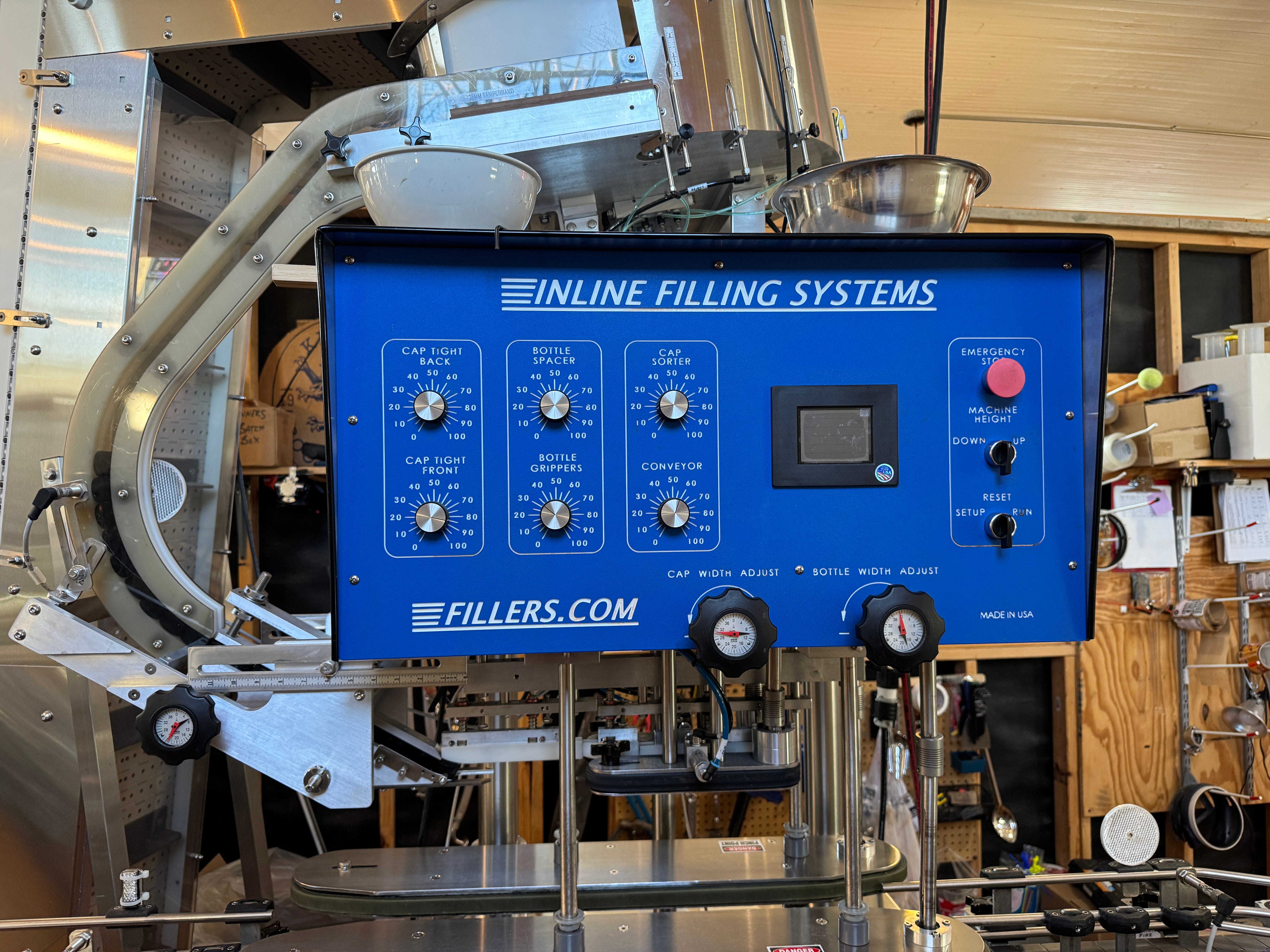
The distillery has automated its bottling, labeling, capping and even laser printing batch and bottle numbers. A 6000 sq. ft. rickhouse (large warehouse for storing and aging whisky barrels) is within walking distance and ready for growth. The distillery’s products are available now in all 99 counties across Iowa and labels like Prairie Fire are forging their own paths. Me, a purist and snob, sampled Saints and Sinners quite tentatively and, loving it unadulterated with a mixer or ice, had to purchase the bottle for its gentle Apple Pie nose and taste.
The Country Gal Moonshine was the last bottle on the table, and I was no longer tentative in my approach. Tasted. Loved. Added. It may be labeled moonshine, but it remains assuredly legal with all taxes paid!
I am a proud member of the Iowa Writers Collaborative, a growing eclectic collection of independent voices who share their varied interests, passions, and divergences under the watchful mentorship of Julie Gammack and a cadre of teachers and mentors. Check out their work at this link.
No posts
Comments
Nothing yet. Say the first thing.
Sign in to join the conversation.