
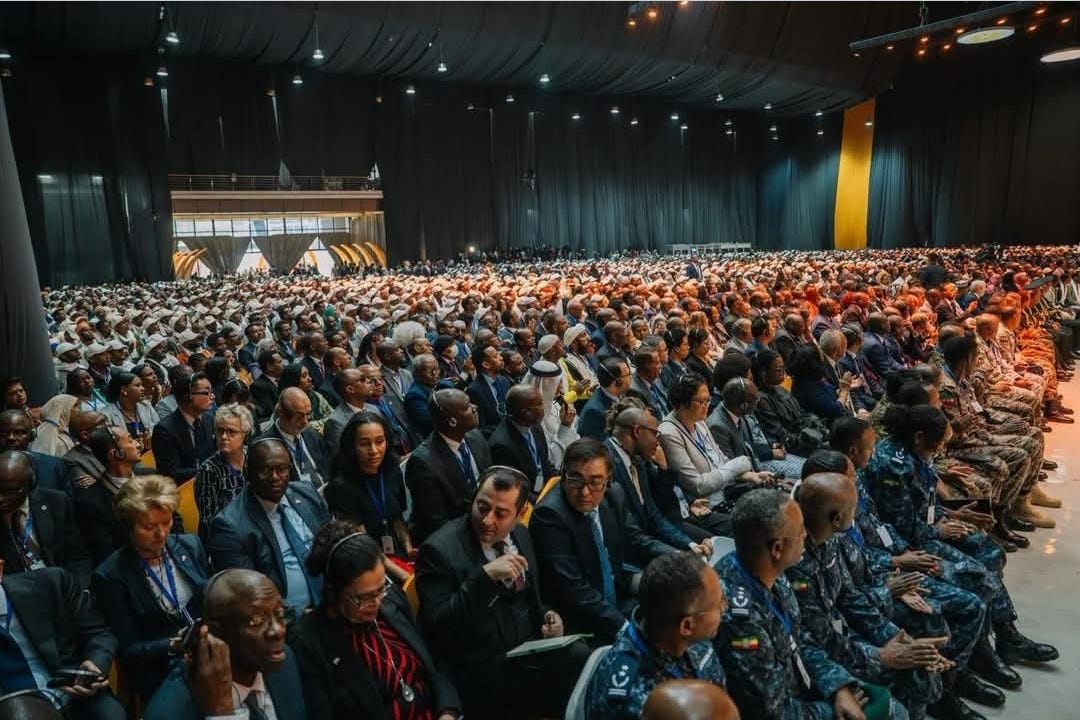
Ethiopia's National Dialogue Conference has entered a crucial new phase as delegates move beyond opening statements and ceremonial proceedings to begin substantive discussions on the country's political future. The gathering, which has drawn thousands of representatives from across Ethiopia's diverse communities, is increasingly being viewed as one of the most significant political processes in the country's contemporary history.
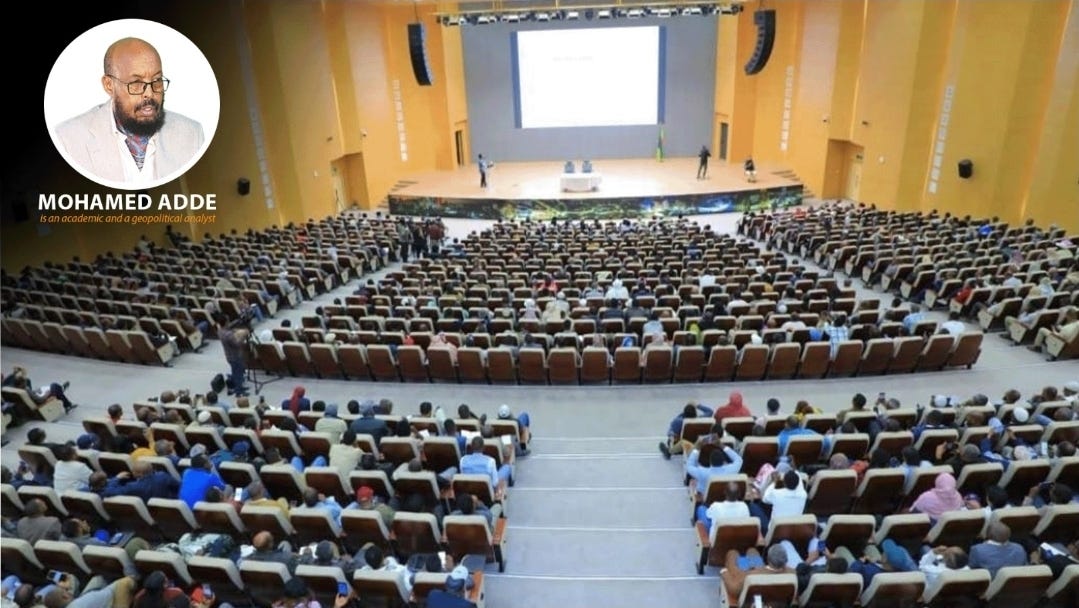
On the next day of the conference, attention shifted from speeches and formal inaugurations to the challenging task of dialogue itself. Delegates began engaging with the complex issues that have shaped Ethiopia's political landscape for decades, including questions of national cohesion, governance, constitutional arrangements, social harmony, and mechanisms for managing political differences peacefully.
The Ethiopian National Dialogue Commission has repeatedly emphasized that the process is intended to provide a platform where Ethiopians from different backgrounds, regions, and political perspectives can exchange views and identify common ground. The transition from ceremonial events to working sessions therefore marks an important test of the dialogue's ability to produce meaningful outcomes.
Among the prominent voices supporting the process is former Nigerian President Olusegun Obasanjo, who has described the dialogue as an opportunity not only for Ethiopia but also for Africa. Drawing on his long experience in conflict resolution and mediation efforts across the continent, Obasanjo stressed that national reconciliation is achieved through patience, compromise, and a willingness to listen to opposing viewpoints.
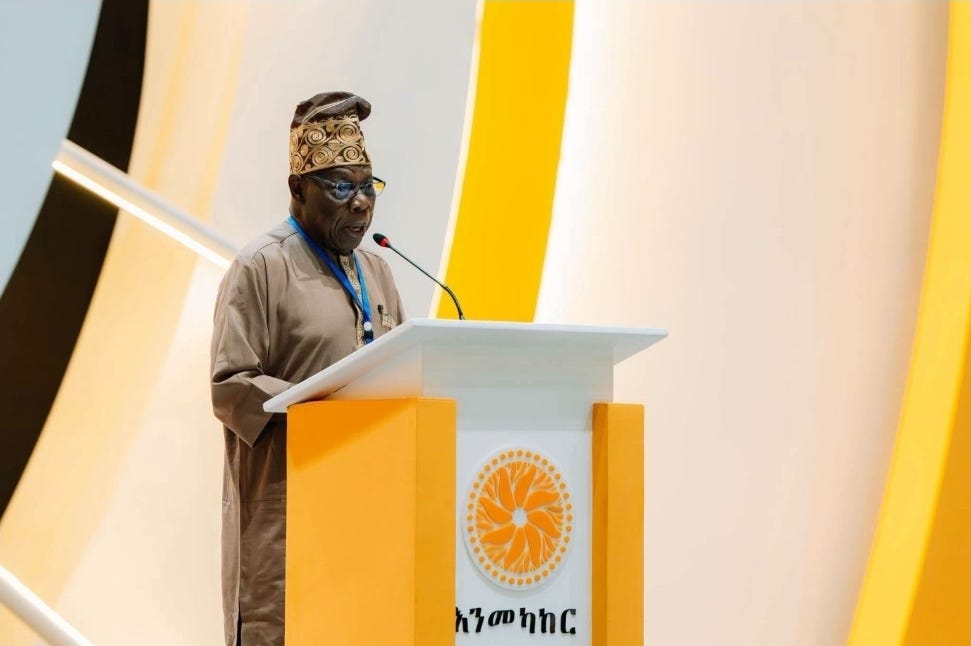
His message resonated with many observers because Ethiopia's challenges are neither simple nor recent. The country has experienced years of political polarization, armed conflicts, competing narratives of history, and debates over identity and governance. Addressing such issues requires more than political agreements; it requires rebuilding trust among communities and creating institutions capable of managing differences peacefully.
Obasanjo argued that successful nations are not those without disagreements but those that develop mechanisms to resolve disputes through dialogue rather than confrontation. His remarks reflected a broader African perspective that sustainable peace emerges when political actors choose negotiation over conflict and consensus over exclusion.
As deliberations continue, delegates face the difficult responsibility of discussing issues that have often generated strong emotions and competing interpretations. Yet many analysts view the very act of bringing together representatives from different political, ethnic, religious, and social backgrounds as a significant achievement in itself.
The dialogue also reflects a broader trend across Africa, where several countries have increasingly turned to national consultations and reconciliation processes to address long-standing political tensions. In Ethiopia's case, the stakes are particularly high. With a population exceeding 130 million people and a strategic position in the Horn of Africa, the country's stability has implications far beyond its borders.
A peaceful and inclusive outcome could contribute to stronger regional cooperation, increased investor confidence, and enhanced economic development. Conversely, unresolved political divisions could continue to affect both national progress and regional stability.
Many Ethiopians hope the dialogue will create an opportunity to move beyond the cycle of political disputes that has characterized different periods of the country's modern history. Rather than focusing solely on past grievances, participants are being encouraged to consider how a shared vision for the future can be developed despite differing perspectives.
This aspiration is reflected in the commission's efforts to encourage constructive engagement among delegates. Organizers have emphasized that consensus does not necessarily mean complete agreement on every issue. Instead, the objective is to identify practical areas of common understanding that can help strengthen national unity while respecting Ethiopia's diversity.
Observers note that one of the dialogue's greatest challenges will be transforming discussions into recommendations that enjoy broad public confidence. Achieving this will require transparency, inclusiveness, and continued commitment from political leaders, institutions, and citizens.
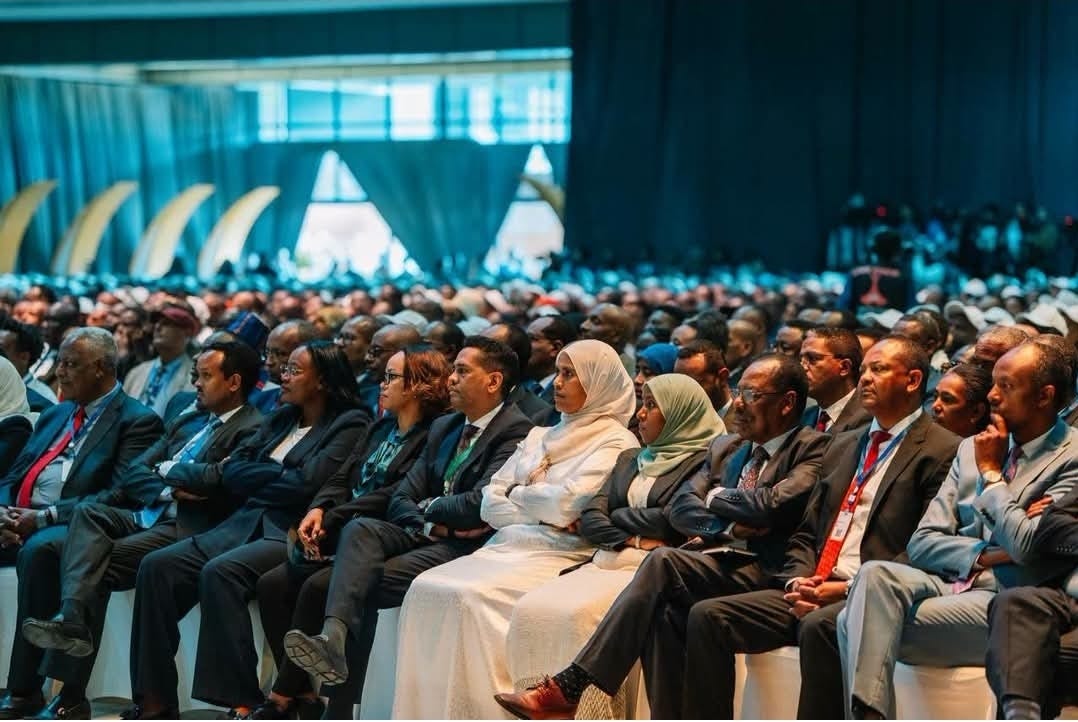
The coming days are therefore expected to be critical. As delegates engage in thematic discussions and consultations, attention will increasingly focus on whether the process can generate practical proposals capable of addressing the country's most pressing political questions.
For many Ethiopians, the significance of the National Dialogue extends beyond any single meeting or conference session. It represents an attempt to establish a culture in which political disagreements are resolved through conversation rather than confrontation. Such a shift, if sustained, could have profound implications for Ethiopia's democratic development and national cohesion.
As the conference advances into its working phase, expectations remain high. The dialogue's ultimate success will be measured not by the number of delegates in attendance or the prominence of its participants, but by its ability to foster trust, promote reconciliation, and help Ethiopians shape a more stable and inclusive future.
Whether the process achieves all of its ambitions remains to be seen. What is already clear, however, is that Ethiopia has embarked on a national conversation whose outcome may influence the country's political trajectory for years to come and provide valuable lessons for conflict resolution efforts across Africa.
Mohamed Mohamoud Adde is an academic and a geopolitical analyst
No posts
Comments
Nothing yet. Say the first thing.
Sign in to join the conversation.