
Unfortunately, not much attention is given to how an individual or family needs to prepare and adapt to the accelerating planetary polycrisis. This needs to change.
People need a compass or blueprint for building resilience for their families but within the landscape of competing terms, the path forward can get lost in translation.
Here is a short summary that begins to fix that, as well as provide a glimpse into what you should do about if you are looking to secure a more flourishing future for you and your loved ones.
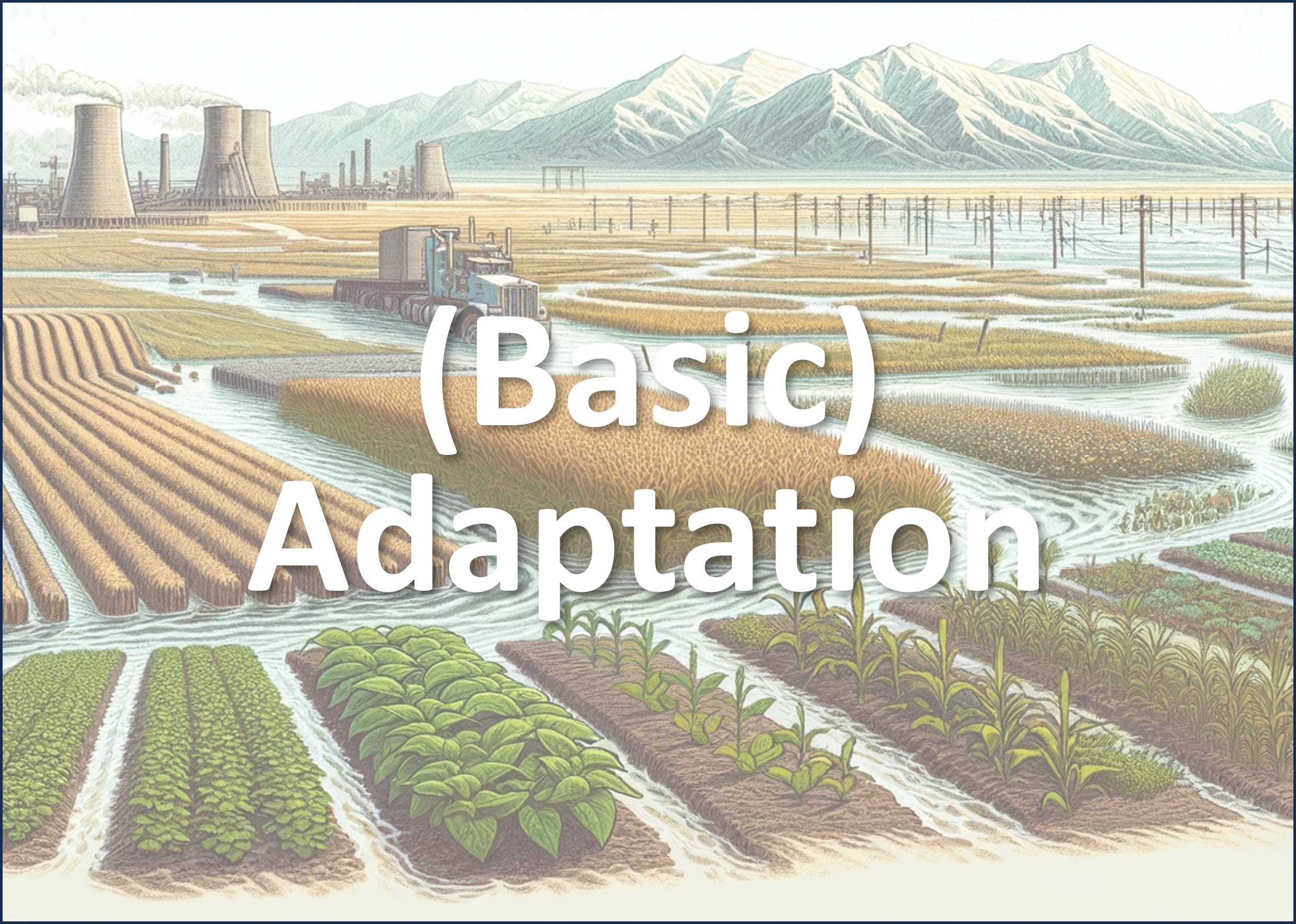
This general term typically means taking today’s current system and just trying to keep the existing system going for as long as possible without undertaking any real transformative effort.
Think building higher seawalls and bigger flood dikes, or even GMO heat resistant crops - nothing really changes within the system.
Of course many of these things will likely be required but it is far from sufficient, chronically underfunded, and typically never address what an individual or family should do themselves.
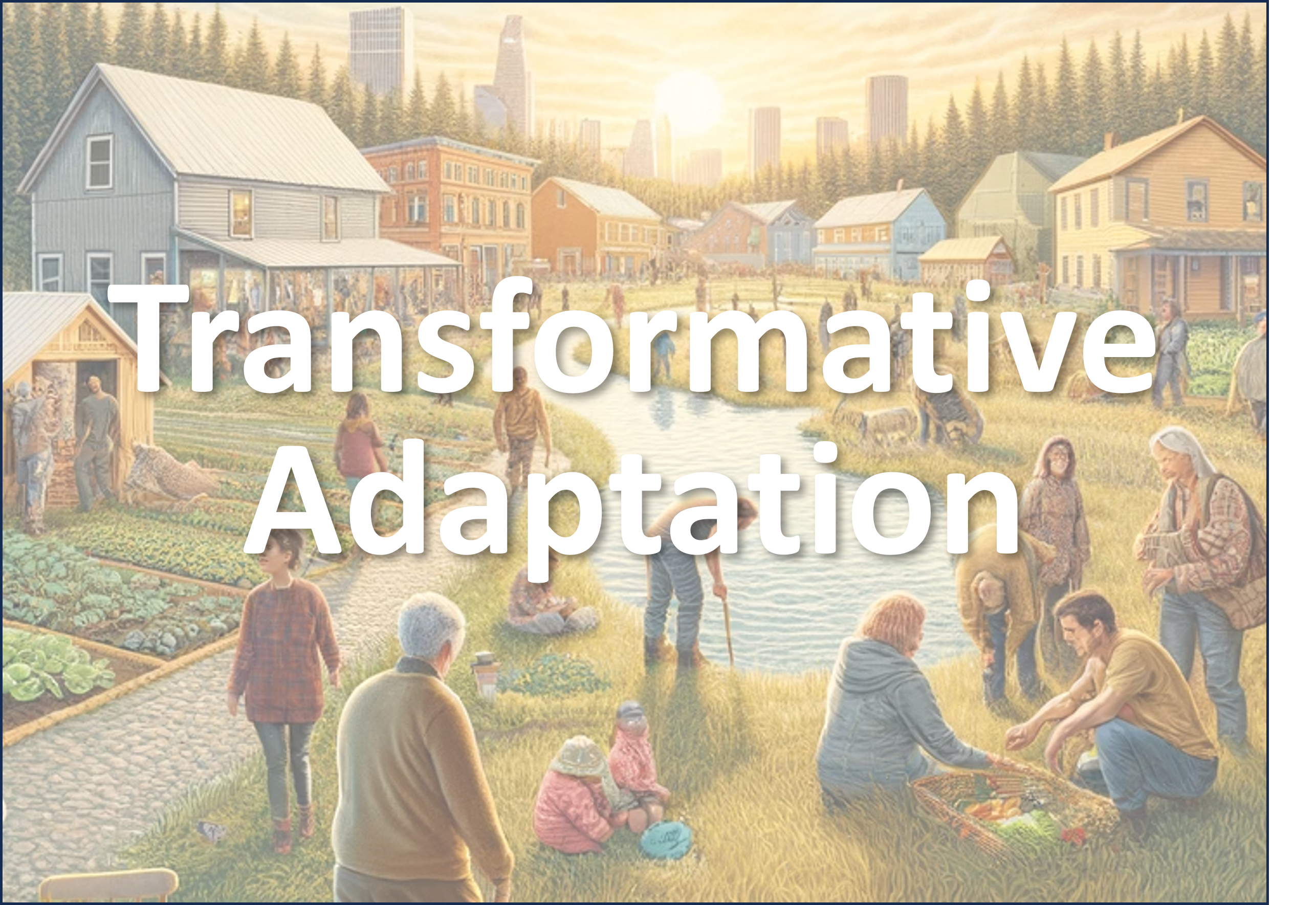
This concept urges a shift beyond just coping with climate impacts to fundamentally changing our societal systems.
It combines the need for deep, systemic change with the practical necessity of preparing for current and future climate impacts, aiming to transform society in a way that aligns with ecological realities and sustainable living. It involves rethinking our economic, social, and political structures to address the planetary crisis at its roots.
As Rupert Read notes in the Climate Majority Project, it proposes that a dystopian collapse can be averted by rather offering a path towards a “Thru-topia” that is defined by Transformative Adaption on all scales. This calls for collective action and ingenuity to steer society towards a more equitable and ecologically aligned path.
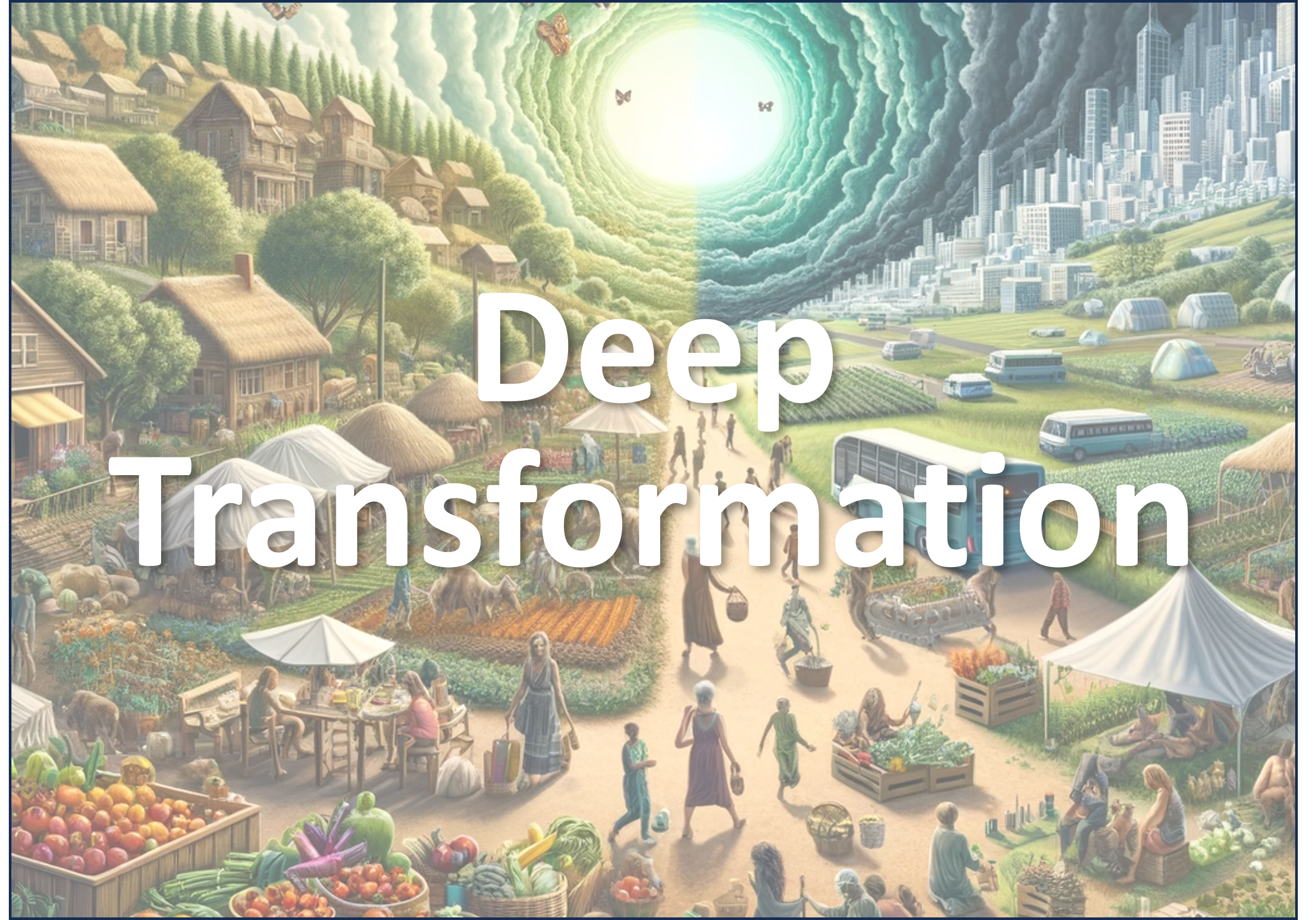
Optimistically calls for a radical overhaul of our societal systems to align with ecological sustainability in order to avert collapse. Recognizes individuals play a crucial role by supporting sustainable practices and advocating for systemic changes.
Jeremy Lent’s concept proposes moving from a growth-centric model to one that values ecological balance and social equity. It's a shift in mindset to see ourselves as part of nature, fostering respect and care for our planet. Thinking globally and acting locally, while recognizing that every choice and action contributes to the larger movement towards a more resilient and thriving future.
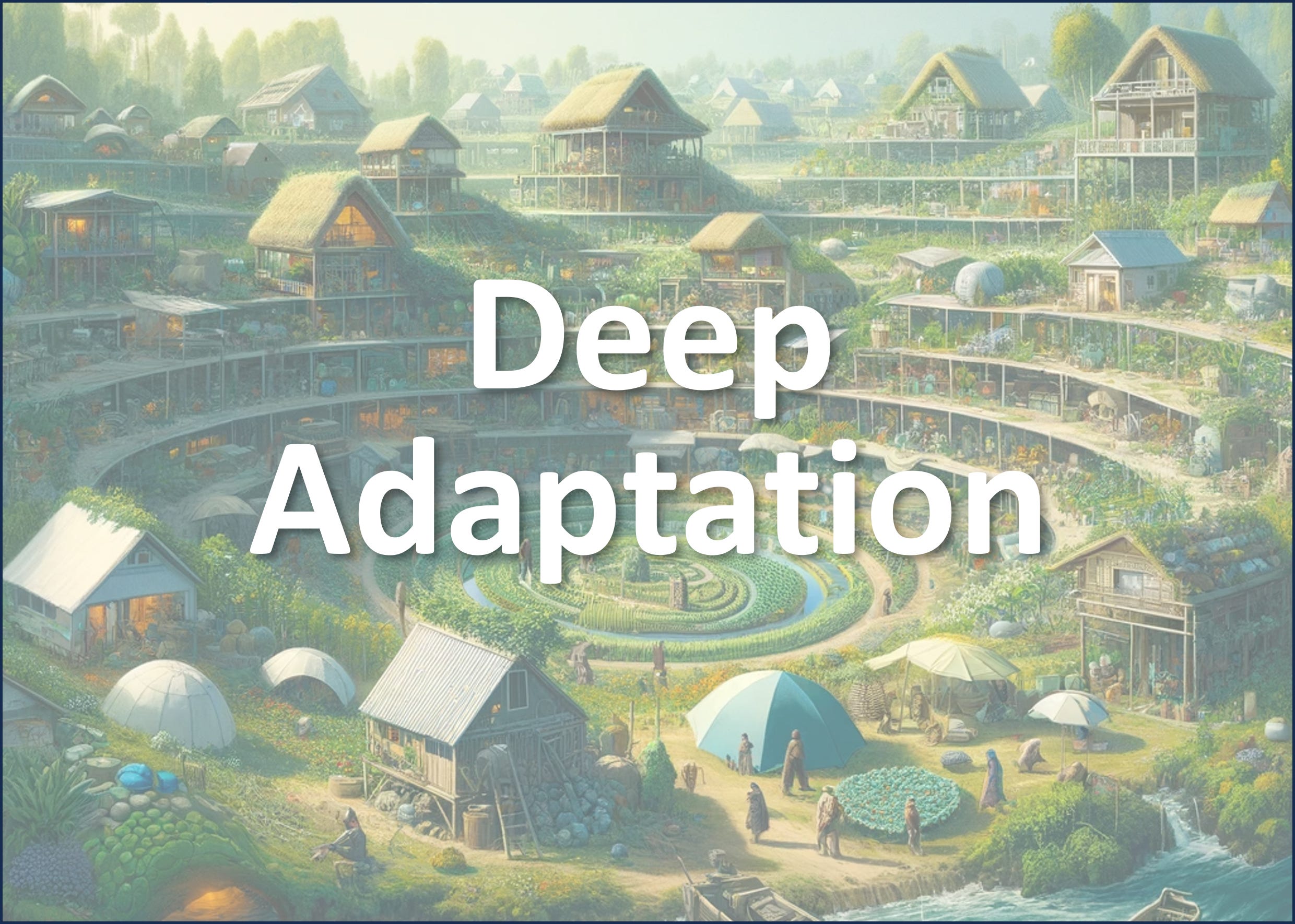
Assumes society is headed towards cataclysmic climate breakdown and near complete societal collapse. Therefore the concept focuses on preparing ourselves not just for off-grid survival, but for a more purposeful and fulfilling way of living amidst the extremely dire challenges ahead.
Jem Bendell’s books share practical steps and mindsets for individuals, including reducing reliance on unsustainable resources, fostering local communities and economies, and developing skills that would be valuable in a more localized, resource-constrained world. It encourages a deep introspection about what truly matters and how we can nurture those values even as we face collapse.
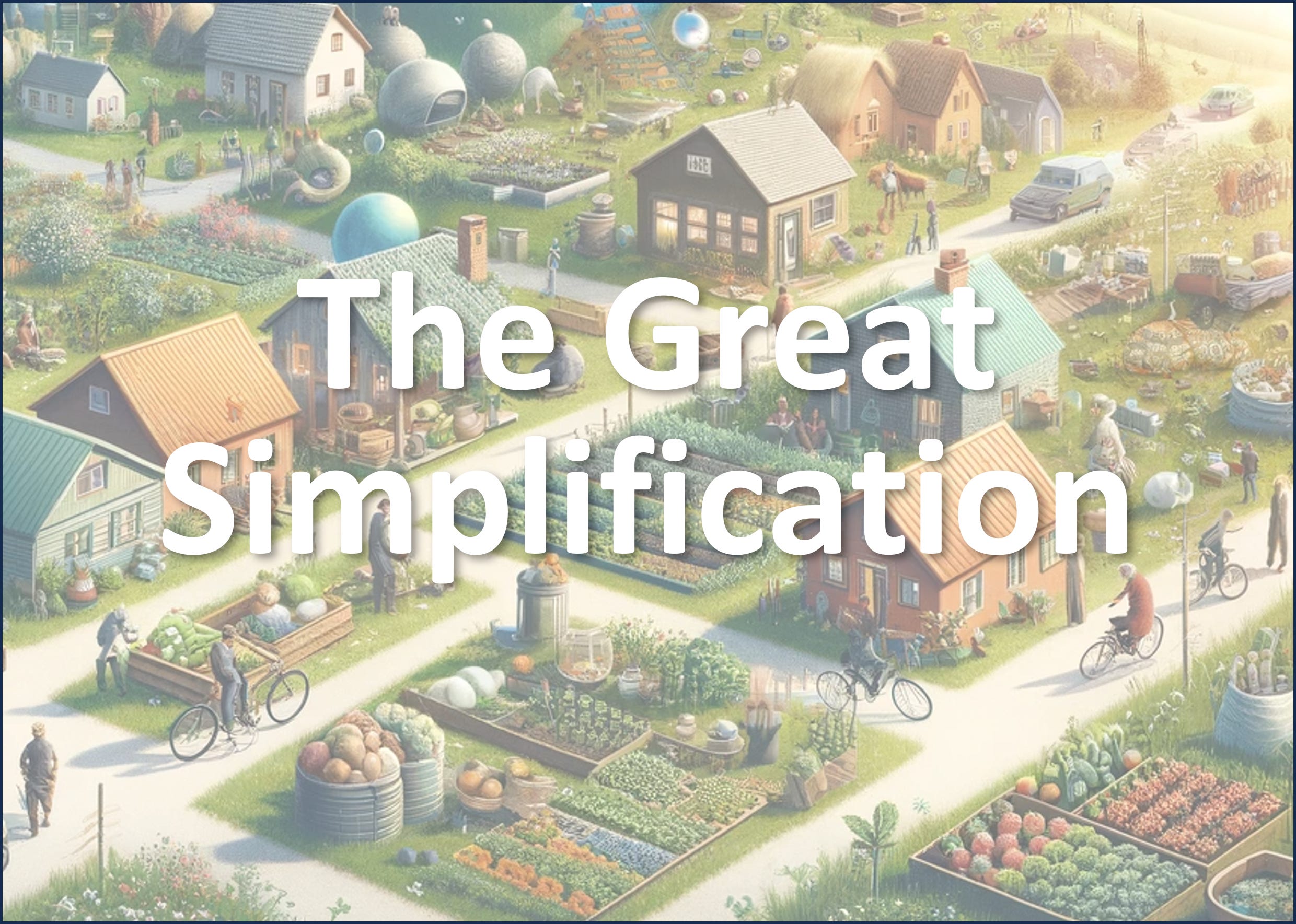
A potentially more likely future scenario than complete systems collapse, where diminishing energy resources reshape our world.
This simplification, as envisioned by Nate Hagens, is marked by economic shifts that force the move away from high-consumption lifestyles and challenges us to embrace simpler, more sustainable ways of living. In order to prepare, he calls for more wisdom, empathy, and creativity to navigate this unprecedented change, encouraging us to embrace simpler, more meaningful ways of living in harmony with nature.
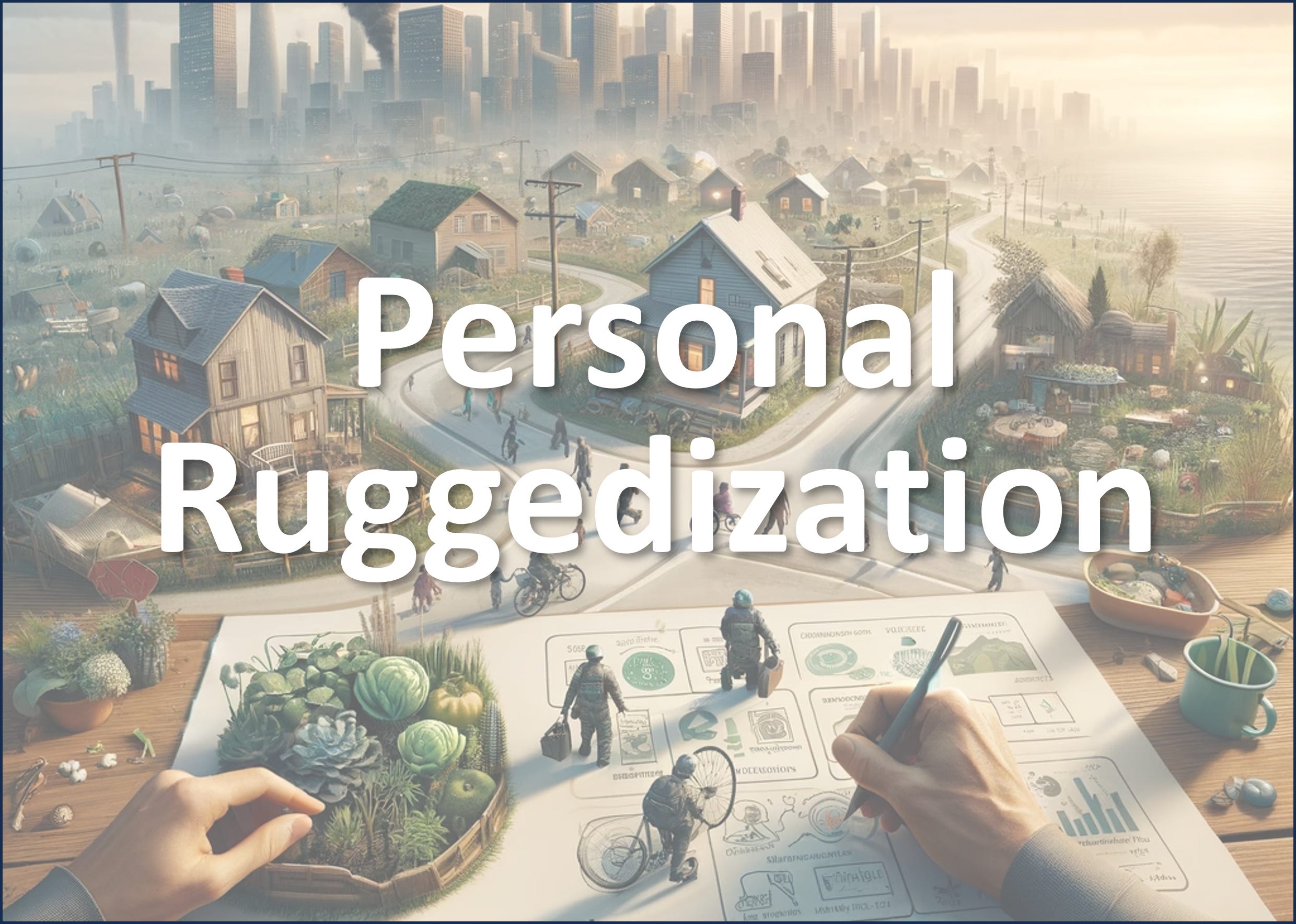
Assumes society is already in a discontinuity where the future will no longer be a continuation of the past, although not headed towards outright collapse, but rather a Snap Forward towards a societal reckoning that is defined by rapidly confronting climate realities.
Alex Steffen defines Personal Ruggedization as a strategy for aligning our lives with the realities of a changing planet. It's about making thoughtful choices in where we live, how we engage with community, and how we essentially architect a safer future for our families.
This approach focuses on embedding yourself into a community and building resilient, meaningful lives amidst uncertainty. It's not about sole self-reliance, but about adaptability, purposeful living, and contributing positively to our communities in an ever-evolving world.
We all must become a student of personal transformative adaptation focused on building a climate-secure and flourishing future. The skill of future-proofing yourself and your loved ones is going to become one of the most important skills of the 21st century.
Many of the current key concepts of adaptation miss the mark on providing practical steps for an individual, rather proclaiming what ought to happen at a political/economic level, thus putting all of our eggs in the collective action basket.
Of course relevant and generally correct, this keeps the typical person in the dark on how they should be preparing and transforming their lives.
Remember the old adage, “No one is going to save us”, so therefore we must Adaptify!
Thank you for reading this to the end, and if you found this content useful, please signup to begin receiving periodic insights at the intersection of applied climate foresight and practical personal adaptation.
PS. Thank you to the recent Transition Towns Network event celebrating the Day of Practising Transition, which compelled me to begin documenting and sharing my learnings publically. Hopefully lots more to share and contribute as adaptation becomes the Zeitgiest and purpose of our time.
No posts
Comments
Nothing yet. Say the first thing.
Sign in to join the conversation.