Hating Robots for the Right Reasons
(or something like that...)

Ecology, History, Politics, and the Arts
Live Last read · last published · next check
Saves to your Listen queue, to pick up on another day or another device.
(or something like that...)
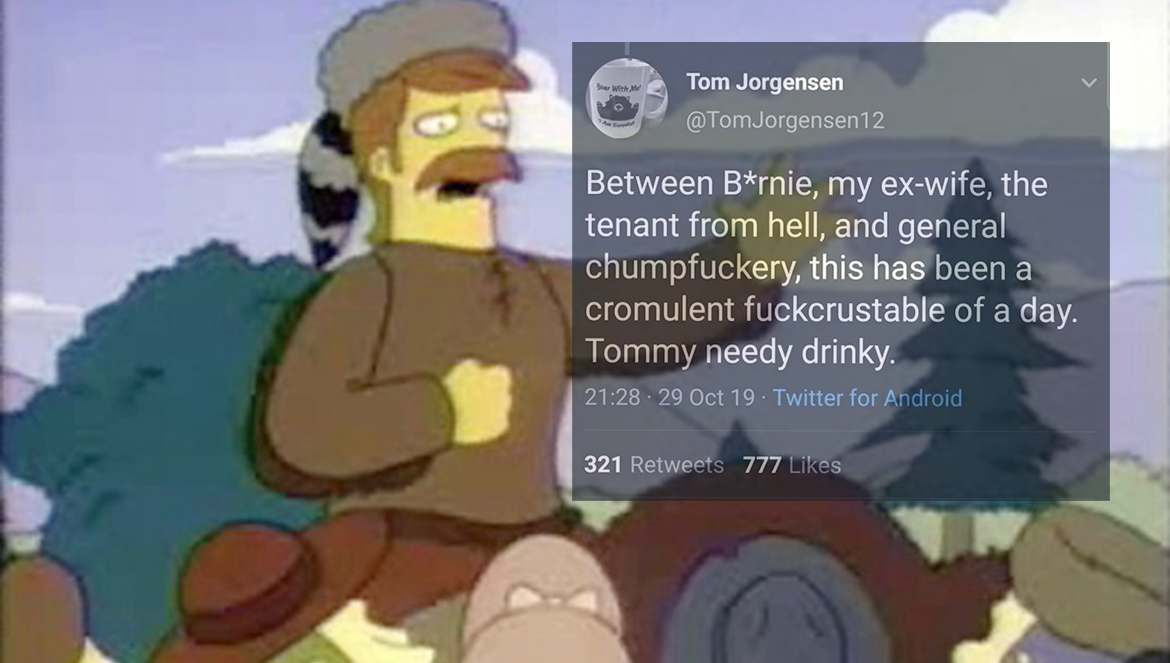
It was October 29, 2019.
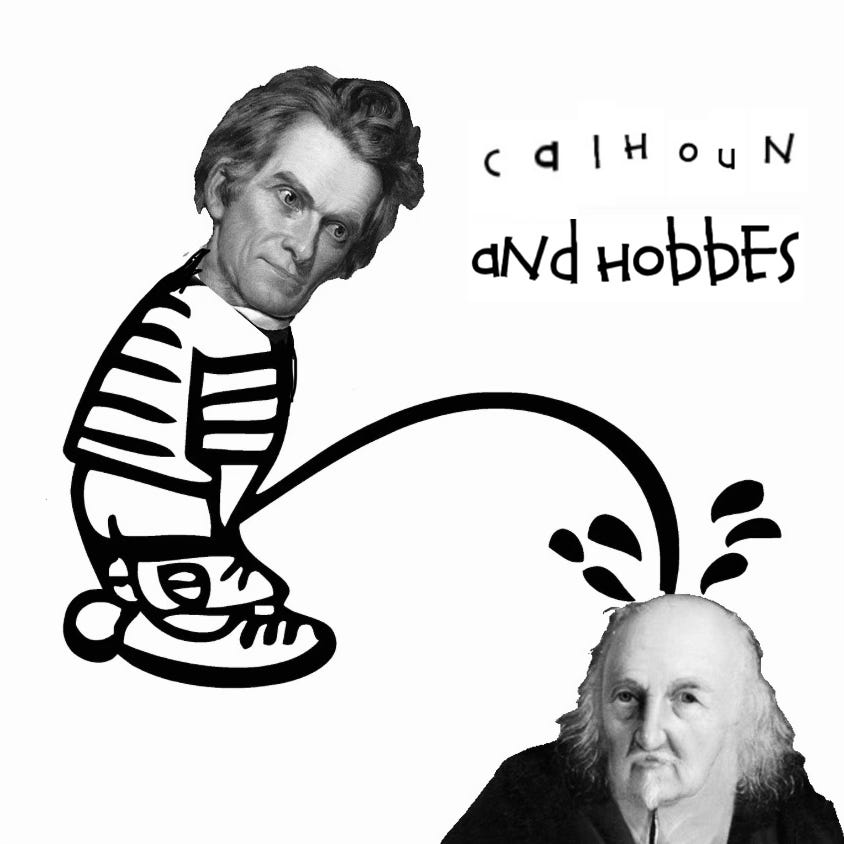
I felt compelled to screenshot this meme, post it here, and explain why it’s nonsense after seeing it (or something a lot like it) one too many times.
The belief that governments originally emerged from some sort of social contract is surprisingly widespread.
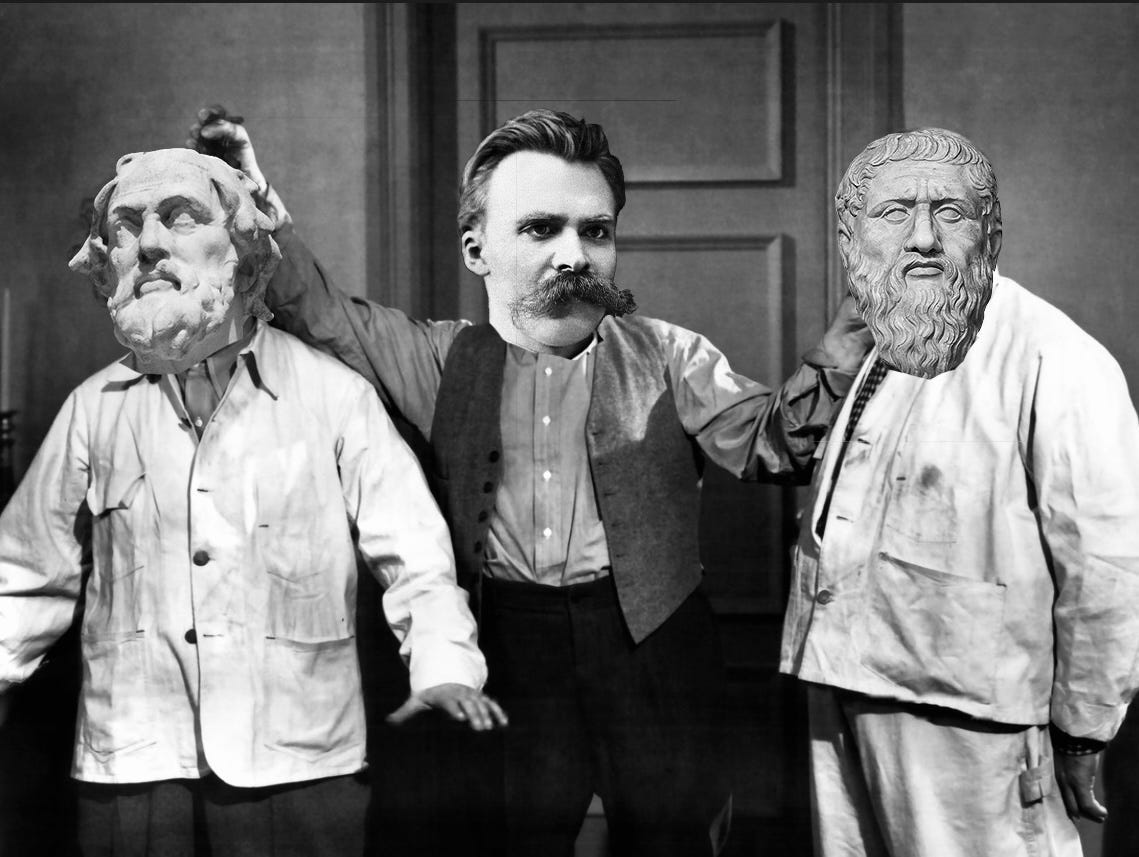
In Twilight of the Idols, Friedrich Nietzsche writes, “my cure from all Platonism has always been Thucydides.”[1]
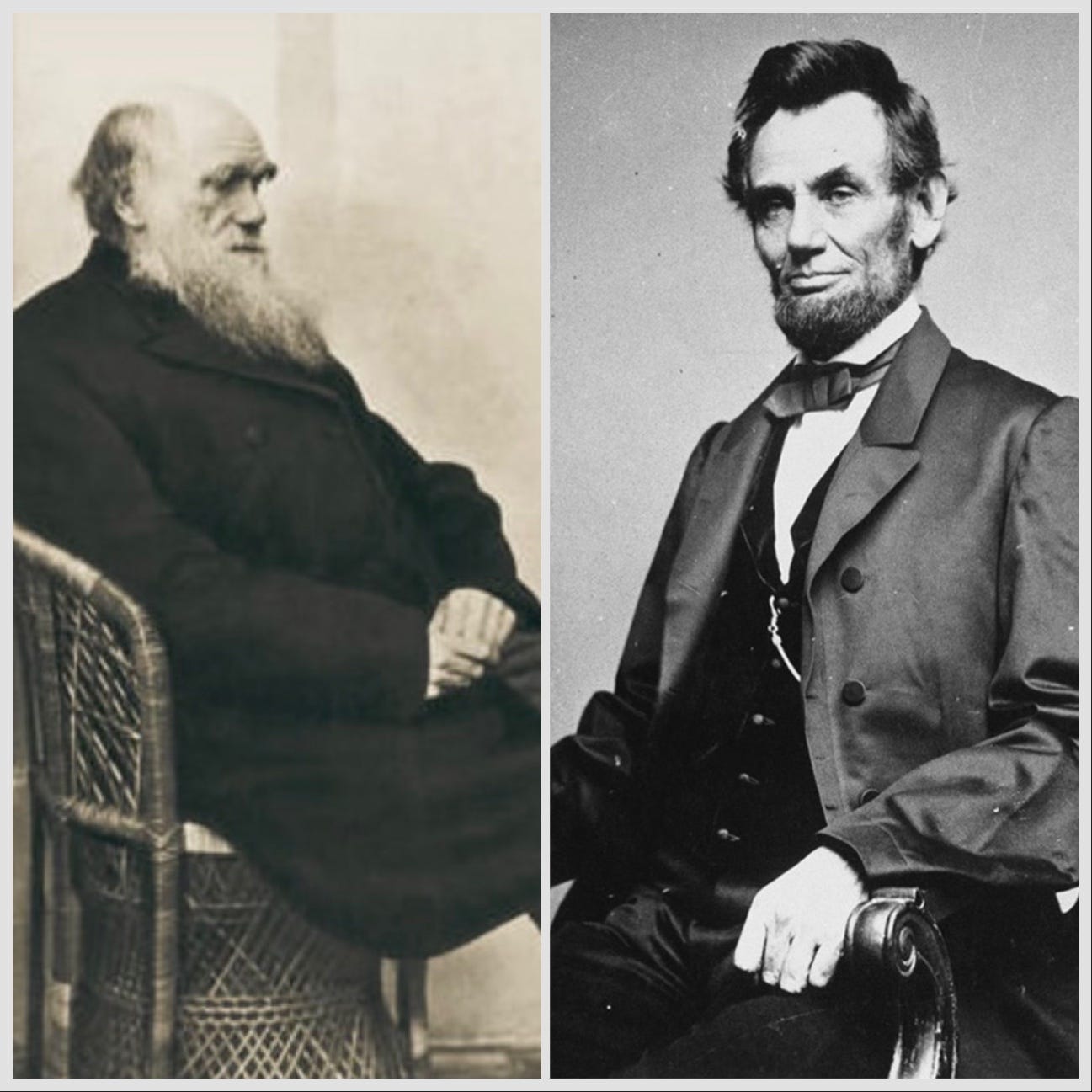
Abraham Lincoln and Charles Darwin were both born on February 12, 1809.
Is there an ideological through-line, or is it actually so much less than we think it is?
(that's a pretty nondescript title but hopefully you'll keep reading because I think I have a point)
Part I, The Grid
South Carolina seceded from the United States right around the 1860 Winter Solstice, too scared to live in a country with a president who didn’t want slavery in the territories.
Plus a music video and a song on some of the same themes.
(Revisiting and contextualizing last week's essay!)
(the Lone One finds some friends.)
A History of Clean Government and Nasty Racism
A small group of people saw a naked boy run on all fours through a forest in France.
(A travelogue that turns into a polemical harangue.)
(On the issue of whether or not you should pretend to be a river.)
Or why all the white guys need their acoustic guitar privileges revoked.
Or, how your bowling league can matter.
I was writing every Monday about plant intelligence and bioacoustics, but then the omicron variant mutated its way into my house and I lost my train of thought, and as you’ll see, perhaps my better judgement about what constitutes a proper topic.
In my previous post, I discussed the ways apparent cognition can emerge from simple systems acting in parallel, and how the richness of an environment can help generate complex behaviors from seemingly simple organisms.