
So there I was, riding a bicycle from Paris to Istanbul. I’d reached the Transfagarasan pass, which cuts through the Carpathian mountains of Romania like a wet and twisted noodle, Built by Nicolae Ceaușescu (the last communist leader of Romania) at a high financial and human cost. So I’d just began the ascent, maybe 10km into the 30km+ climb, headphones blasting "Remember the Name" by Fort Minor, in one ear -
“This is ten percent luck
Twenty percent skill
Fifteen percent concentrated power of will
Five percent pleasure
Fifty percent pain
And a hundred percent reason to remember the name”
You get the idea, I was a total badass…
So I round a switchback and to my confusion I see two large dogs ambeling up the road away from me. Huh, those are some weird dogs, I thought. Anyway, better keep moving, long day, and I’m 50% pain and I haven’t got to the pleasure part. So on I go..for about 20 more feet, when I hear the very unfortunate sound of an animal roaring! I turn around and see what I assume is the mother of those weird dogs, oh wait thats a bear, see yaaa. I drop to my little ring in the back ( and if you’re a cyclist you know dropping gear while going uphill often leads to a dropped chain, and death.) and start my adrenaline fueled escape for the next kilometer or so uphill with the bear in hot pursuit, I must have been putting out 1000 watts, probably. Any way the bear caught me and I died and got turned into bear poop. Just kidding, I got away, probably because it let me. So what did I learn about photography from this near death experience…
You’ll have to read to the end to find out. But while I’ve got you here… 😁
Let’s talk about what I call the “Parametric Triangle” and how I’m using it to confront my fear of death.
Wait! Don’t go! I promise it won’t be scary, it might even be a little useful, maybe..
So there I was, again, laying in bed at 3 a.m, as I often am, spiralling uncontrollably into the infinite anxiety that is my inevitable death, when it hit me. I can’t stop it, shocker, but maybe I can be more proactive and confront it. But how can I do that, I’m a mere mortal? Death would never talk to me…no... no, I’m thinking to literal! I need to confront it in a way that I can understand! I know! A photography project, duh. The only thing I’m halfway decent at, besides anxiety attacks.
So a project, well, an idea, or maybe a concept of a plan, begins to take hold at the root of my brain stem. Well it just so happens that my wife’s grandfather, who I’ve known for a decade now, is approaching what I would politely call his later years. Now I’m not saying he’s dying, and I’m not hoping he’s dying. In fact I would like to establish now that I wish he would never die. But the reality is, he will die, as will we all. He however is 83. He has also lived a vastly different life to my own, in a place I am only passingly familiar with. It’s another life that I can explore with excitement and wonder, and have a level of access that I could not have anywhere else, due solely to their ( my wife’s family) incredible hospitality and graciousness. So I decided, I will document the final years of his life, no matter how many are left. And as I document this period of his life, I hope that I too will find some comfort in what I see, and he experiences.
Now I have a project/concept, the first side of the “Parametric Triangle.”
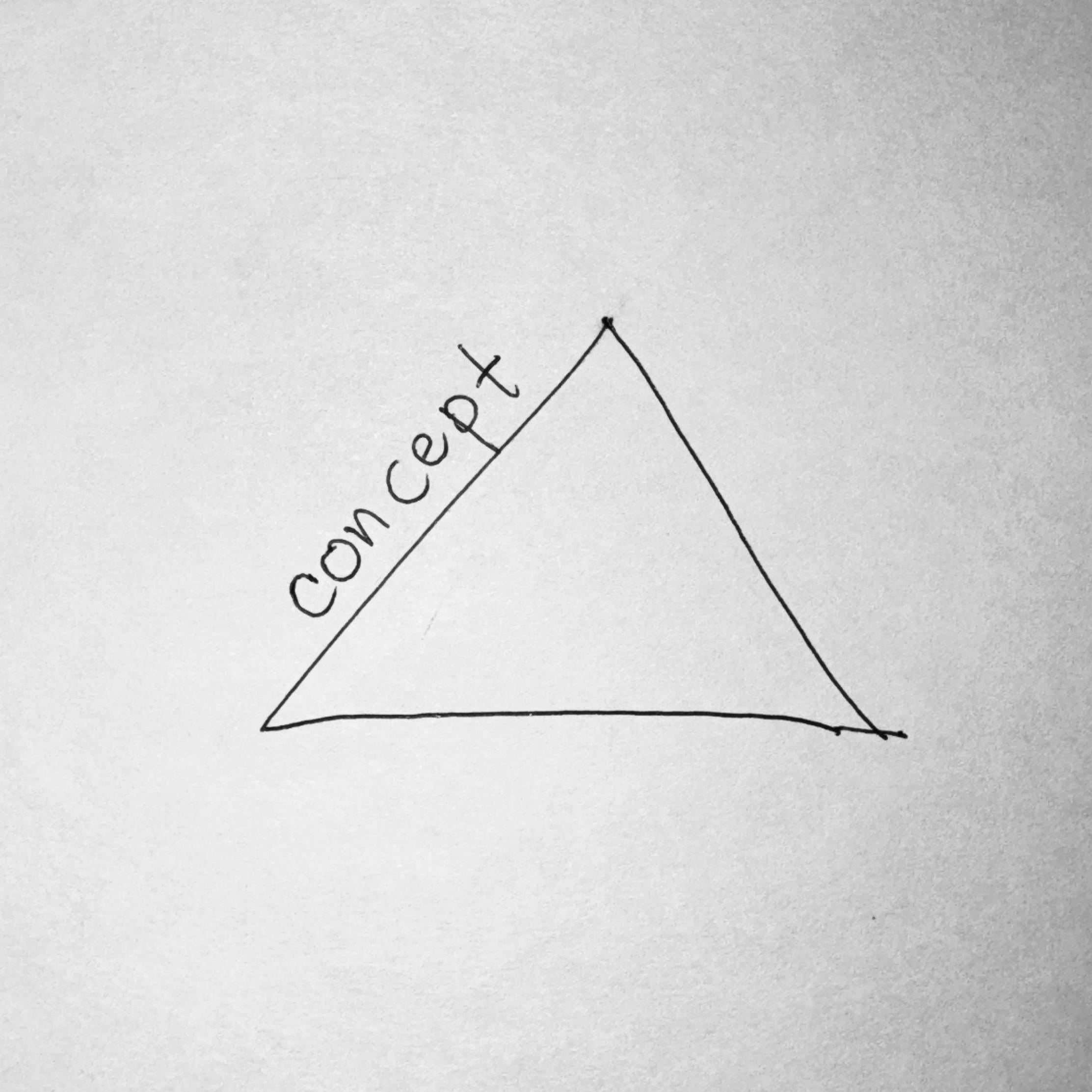
So whats next. I’ve got the project. What about the location? Well, it’s quite remote in the Thai countryside. It won’t make sense to haul a ton of lighting gear or backdrops around. It wouldn’t fit the project and it would be a logistical shitshow. The location determines what we can see, and what we can’t. It’s not just a backdrop, but an antagonist, or a protagonist. Either way it’s a character in our story, just like the people who are part of it. The photographer’s relationship to the place, whether it be intimate or estranged, affects the image just as much as the light or the architecture of the landscapes, which is also a part of it. It’s a quiet place, and quite static, and expansive. Life moves slow there.
Now I have the location, the second side of our “Parametric Triangle.”
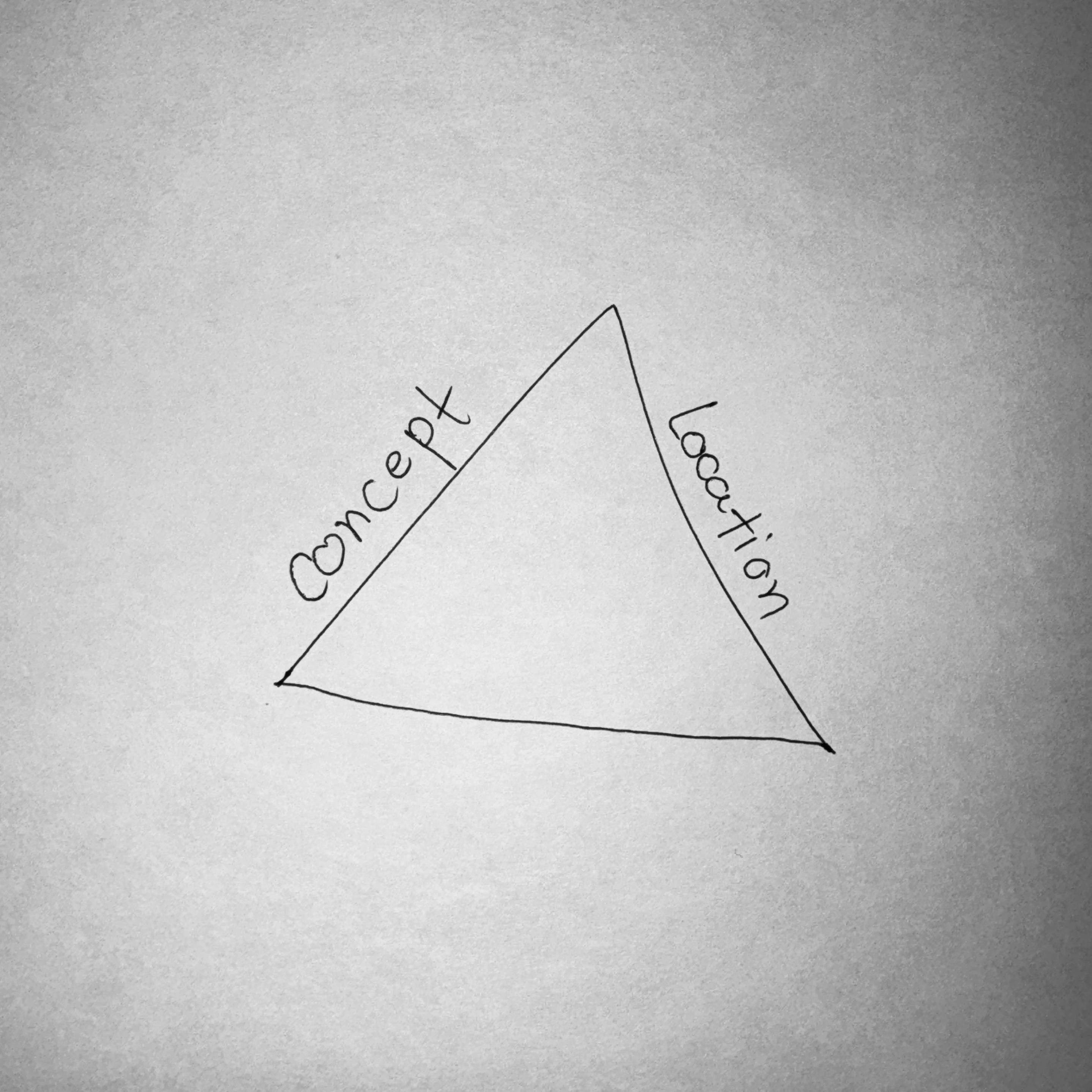
I have the project idea, and we know the location. It’s time for the final side of our triangle. The camera/gear. And I should note, that if you only have one camera, you should consider it’s capabilities before you consider the project. Every project/concept and every location have different parameters, and the camera that best fits those parameters is the one you want to use, and vice versa. So I know my project is about death, and also it takes place in the thai countryside, which I’ve established is “a quiet place, and quite static, and expansive. Life moves slow there.” So I’m going to want something that can capture the intimate nature of life/death and some thing that will capture the landscape of the thai countryside. I don’t need a fast camera, it’s not a football game. So I settle on two film cameras. I choose film because I want a level of texture and imperfection that does not lend itself well to digital without an inordinate amount of post-processing. And even then it lacks the serendipity of film which mirrors the serendipity of life nicely. My first camera is a Pentax 67 with 105 2.4 lens. Perfect for portraits and gorgeous details where the background melts into a beautiful mist. That’s the one I’ll use to capture the intimacy I’m after. I’ll shoot velvia 50 through it, I want the rich saturation that it provides to highlight the overwhelming sensation of being alive, and experiencing reality. Almost like a child seeing a field of flowers for the first time. My other camera I’m bringing is the Fuji TX-1 (xpan) I want a camera that can show the vastness of the landscape, but it’s still 45mm so I won’t lose the details like I would with a normal wide angle lens. I’ll shoot kodak double-x through it. I want the feeling cinematic, dark, but not too grainy as to distract from the message. I want the landscapes to feel both nostalgic and timeless. So b&w makes that idea easier.
So now we have the final side of our “Parametric Triangle.”
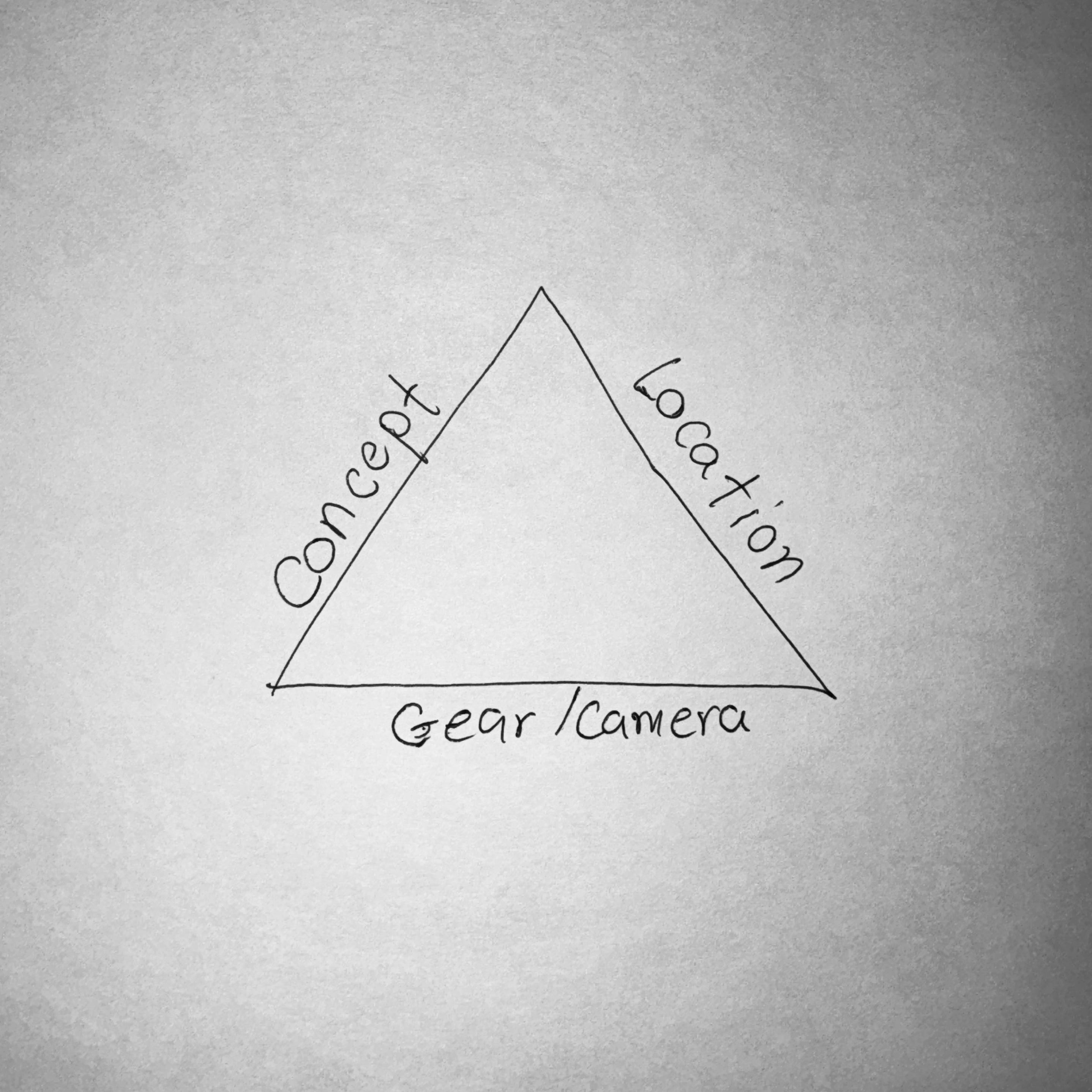
These parameters rarely align perfectly. A concept might outpace a location. A camera might not be perfectly suited to the parameters a particular concept requires. Some of the most powerful photographs are born from this tension though, this…imperfection. The triangles parameters flex, but ultimately stay attached.
Now, I mentioned something about a bear, and some mountains. since you so politely took the time to read my piece, I’ll share the moral of the story
It taught me that a good story is better than a good photo, but a good photo and a good story is the best. Too bad all I have is the story of the boy and the bear. Seems like my triangle was missing a side.
see ya
Comments
Nothing yet. Say the first thing.
Sign in to join the conversation.