
(Scroll to the bottom if you just want to see the links with the pics)
Last week as I was walking through the lobby of a new five star hotel in Bangkok (on my way to photograph a luxury dining experience), I happened to look down at my shoes. A stubborn crust of red dirt separated the hard rubber soles from the soft upper fabric. It was a jarring contrast to the Persian rugs I was stepping on, and it made me think of the cultural and creative whiplash that often comes with being a photographer, or at least the type of photographer I’ve become.
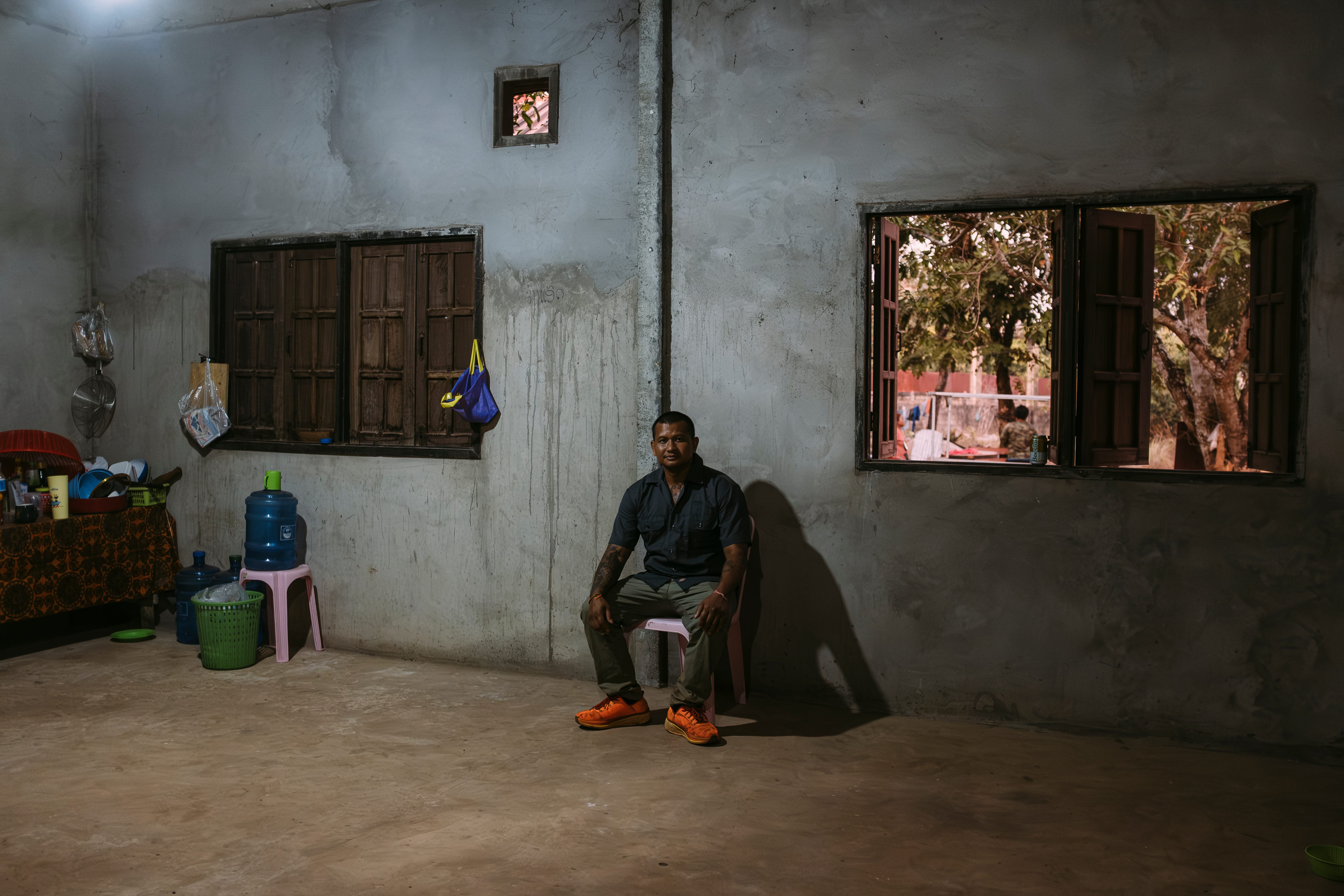
The red dirt came from the unpaved roads in the semi-rural outskirts of Vientiane, Laos, where I had recently traveled to photograph a commission for The Economist. The subject, Khamphat Paneboun, is an American man who has been deported from the United States, now separated from his wife and kids by an uncaring and malicious administration. Khamphat was a child refugee, born in a camp somewhere between Laos and Thailand, and relocated to America with his family more than 30 years ago to escape war. The United States is the only home he has ever known. As a young person, he made mistakes, we all do, he paid for them and then he built a new life. He became a model citizen with a good job and a good family. 20 years later, he became collateral in a war against morality.
I woke up in my apartment in Bangkok at 3:30 a.m., to catch my 6:30 a.m. flight. An hour and half in the air, an hour and half through immigration and an hour car ride later, I met Khamphat at his house on a hot and dusty morning. Red dust from the roads coated everything—the plants, the cars, the shoes of every person. It won’t be until the rainy season that the fine red coating will finally wash away.
Khamphat was/is lost but is trying to find his way in the new reality forced upon him. I only had one day to tell his story as best I could for The Economist. One day to tell the story of a life interrupted is challenging if not impossible. Thankfully, Khamphat is a kind man, and was willing to trust a stranger with a camera. He was even gracious enough to take me around his new community.
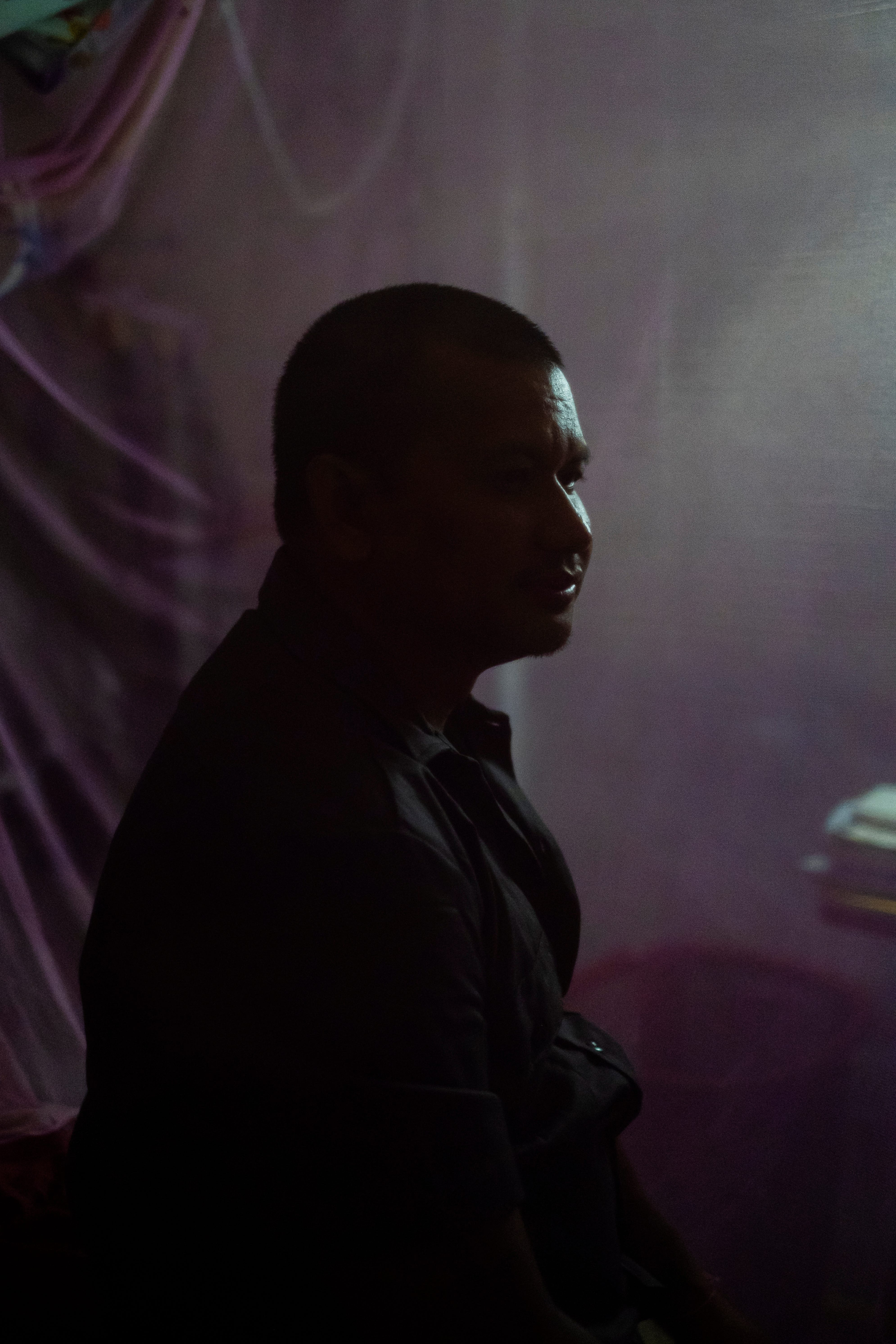
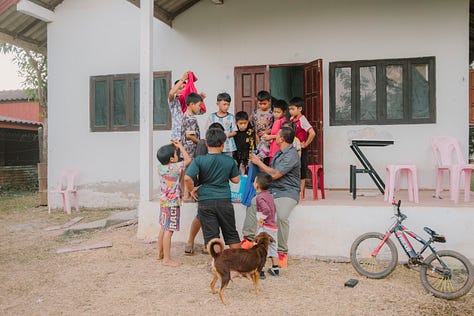
For almost 10 hours, I photographed him and his little slice of Laos. I tried to show the world a man who had everything taken from him, but was still not defeated. I tried to show the world a reality, although new to Khamphat and to the viewer, not new to the people who lived there already. I believe that, as an outsider photographer, it’s more important to show the commonality between different cultures, than the differences. It’s important to let the insiders show the differences.
As the sun set I was given a ride back into Vientiane by a friend of Khamphat’s, a generous favor that required driving more than an hour in the dark over bumpy dirt roads. I arrived at my hotel around 9:00 p.m., and, after a glass bottle of coke, the most divine sort, I began editing my photos. It took me until midnight because I kept drifting in and out of consciousness. The commission required me to photograph with context and with intimacy. I was not there to impose my own narrative on the world, but to tell a story that already existed. To get close to people who needed it, and step back from people who didn’t. To provide context in a place unknown to most viewers.
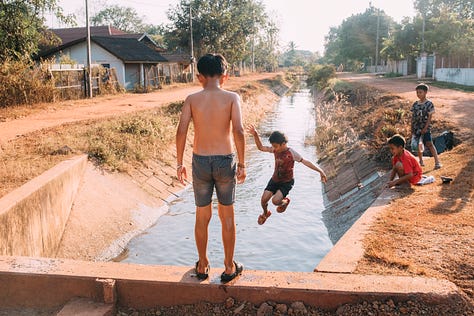

Being a documentary photographer often requires making art of suffering, (and if you have a problem with that notion I urge you to reconsider your beliefs about what art should be.) It often requires me to enter the lives of people who are at their lowest, stick a camera in their face….and then leave. If I didn’t believe that the ends justified the means, I wouldn’t be able to do this work.
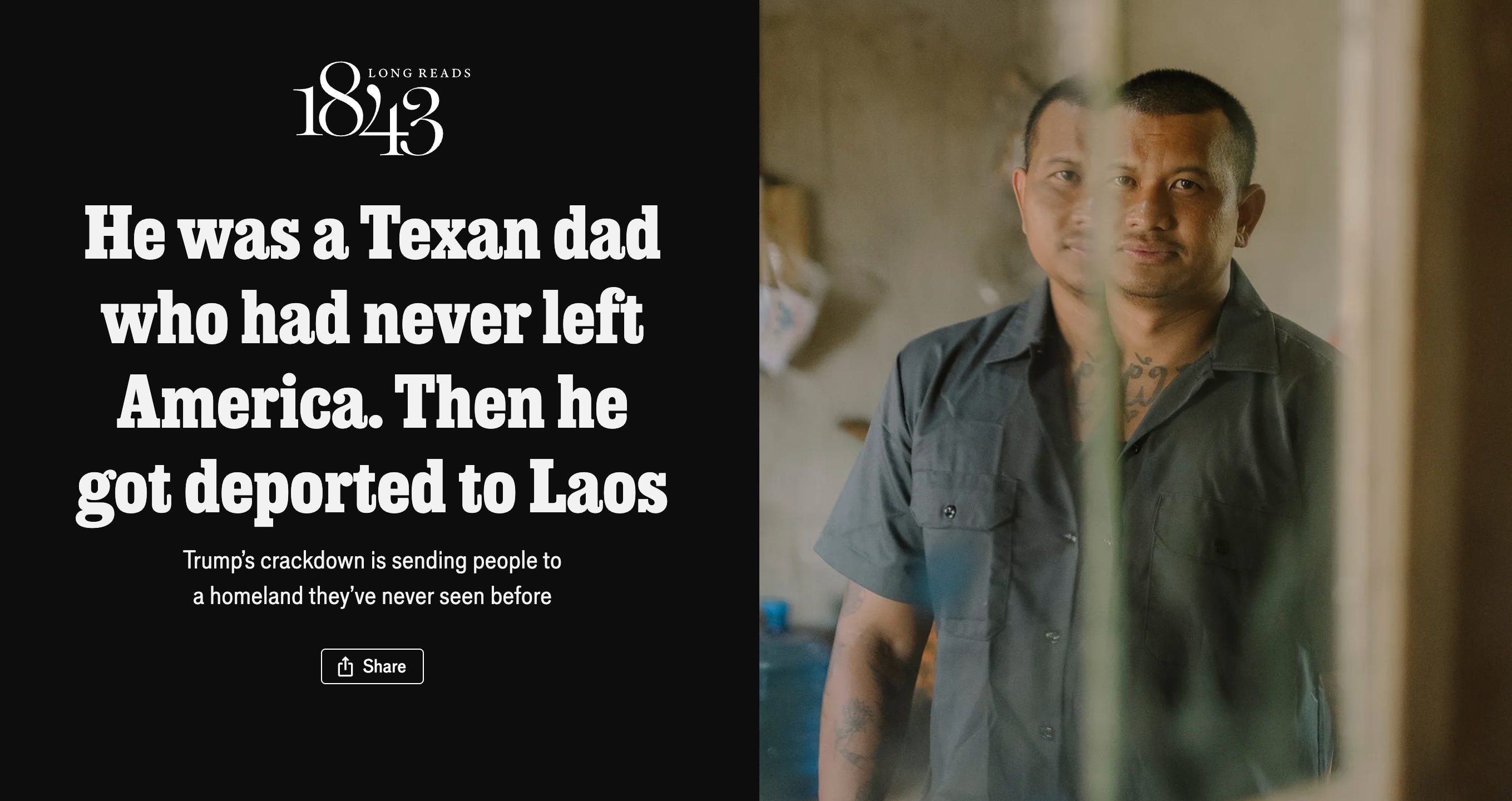
As I continued walking over the pristine Persian rugs, I turned my attention to the tasteful but opulent hotel lobby, tucking away the memory of Laos in a different part of my brain.
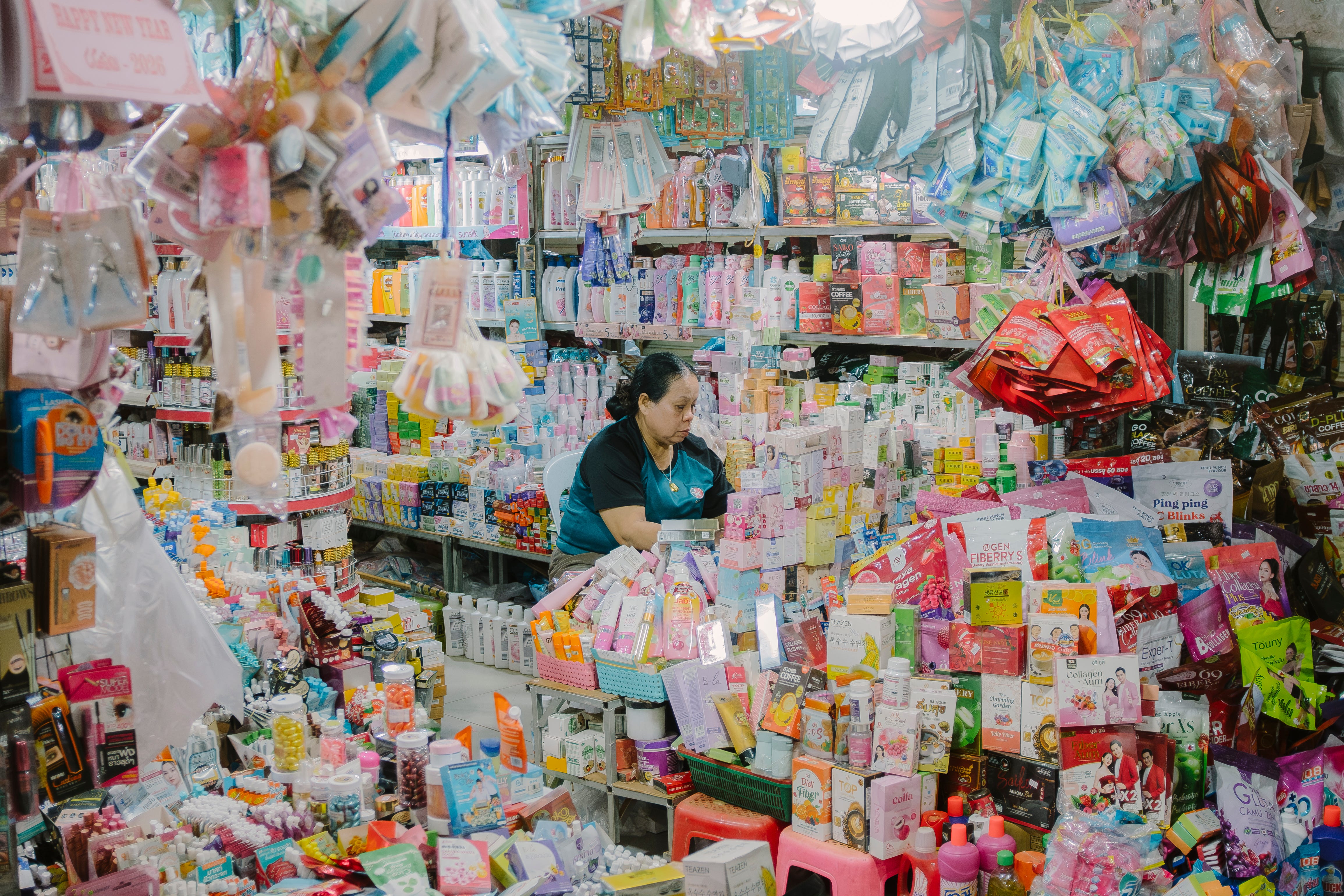
I was now on a commission for the travel media company Roadbook, in partnership with Andaz Hotel. This multi-day assignment is about highlighting the beauty within the details of place and in the intimate moments between friends. It involved hanging out with artists, photographing a jazz bar, and eating fried chicken after photographing said fried chicken restaurant. The commission culminated in an elegantly prepared dinner with 20 local creatives on a balcony overlooking a large park.
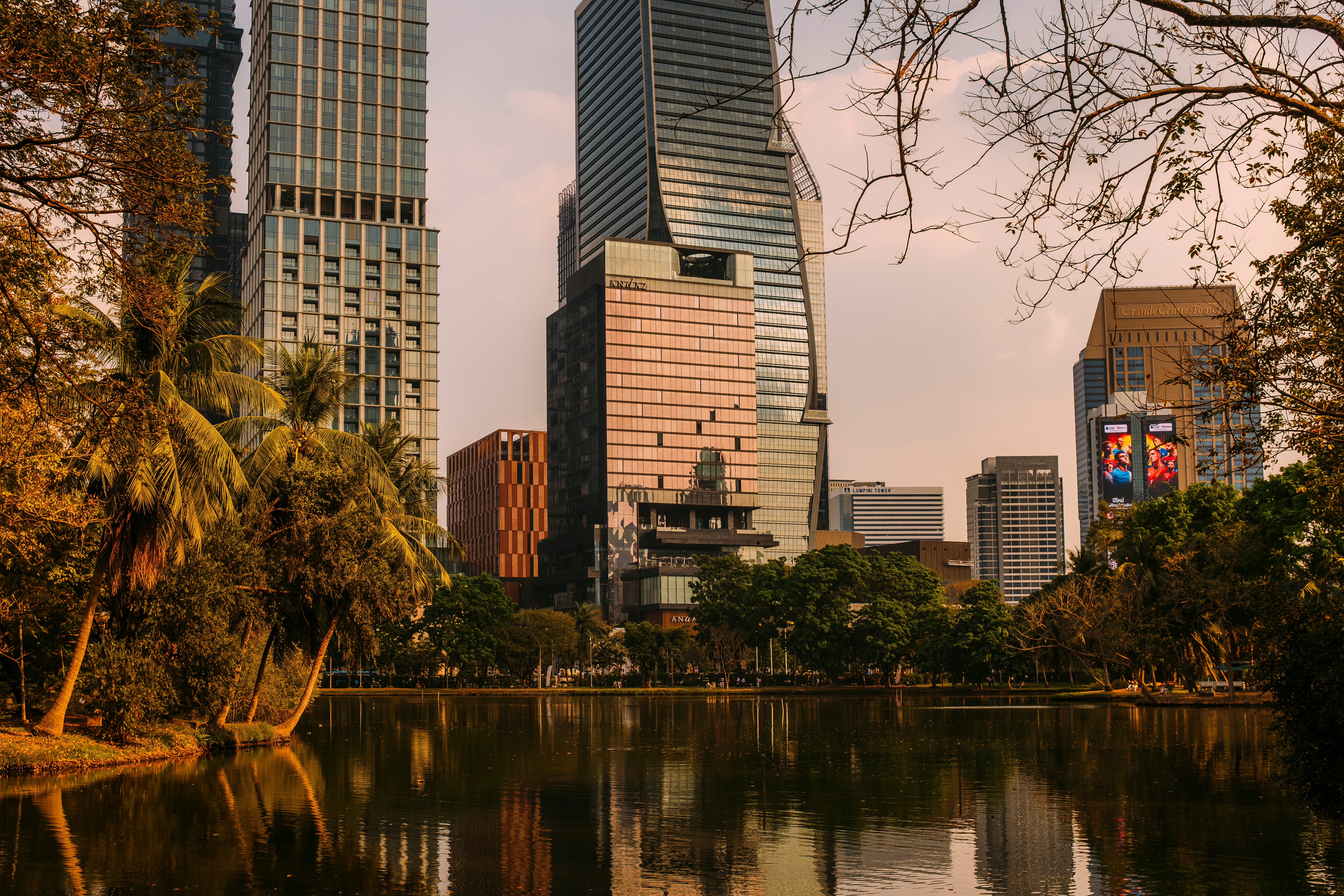
Being a travel and commercial photographer requires making art of aspiration. It requires me to enter the lives of people, places and brands, and curate the absolute best version of them. I look for the moments and scenes that make someone want to explore and experience a place.
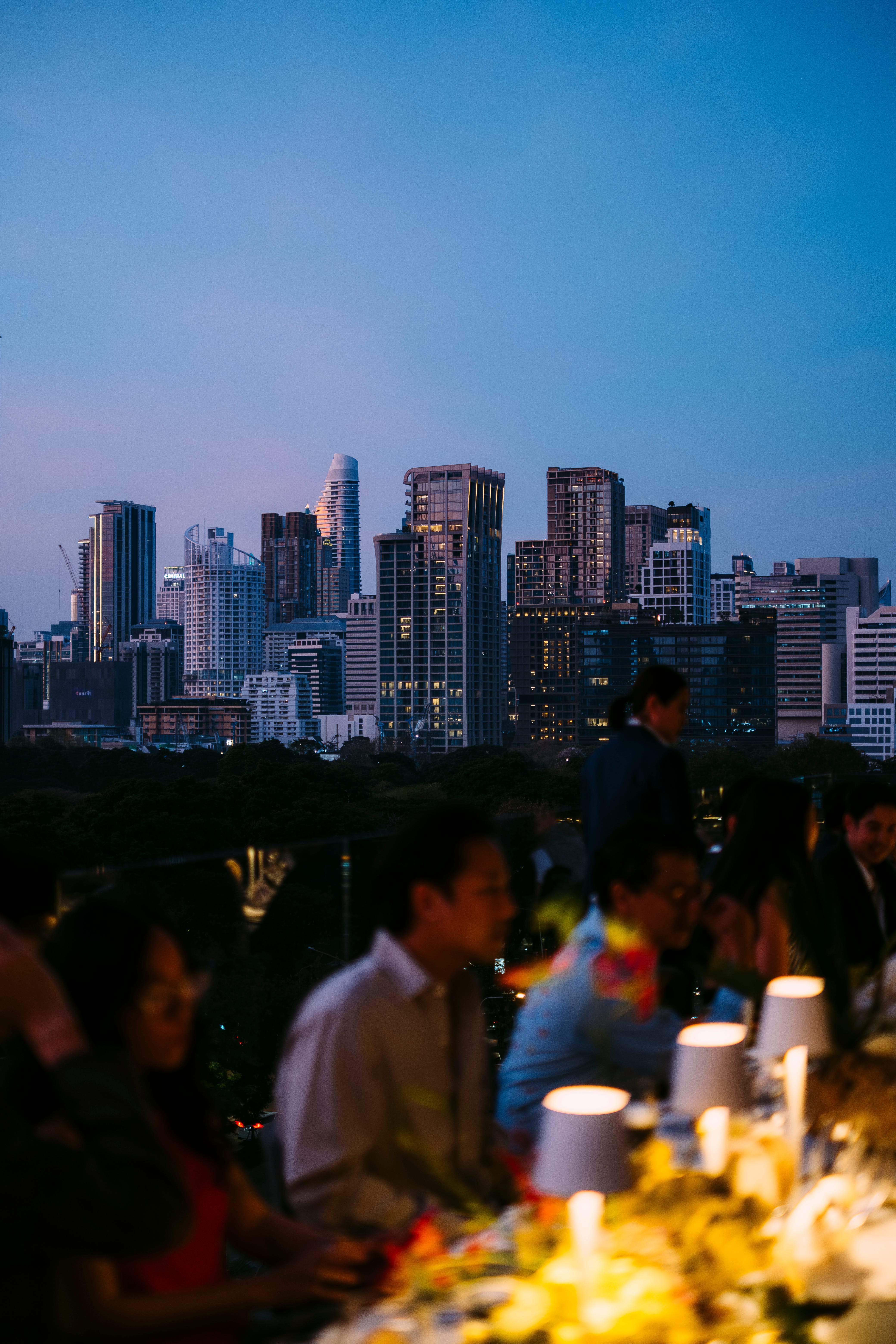
I consider both commissions vital to my practice as a photographer. Seeing the world for what it is, no matter where I am, is always what I’ve been interested in. There is a truth to be found in both. In one place, the truth is hidden, waiting to be revealed. In the other, the truth is evident, waiting to be explored. That is the creative challenge that keeps me going.

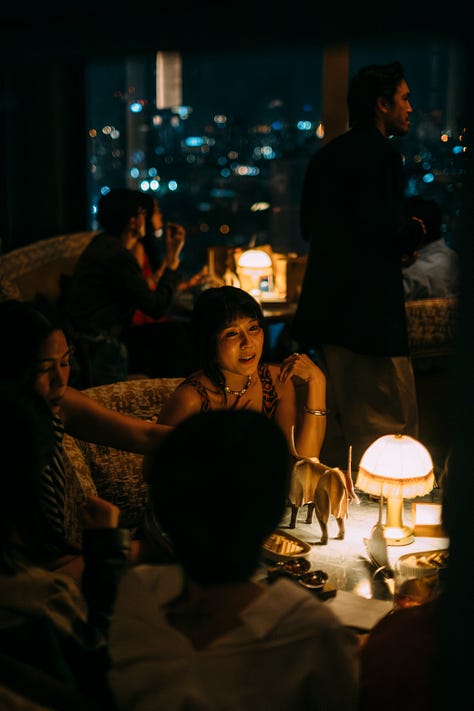

The two commissions - The Economist and Roadbook / Roadbook pt. 2
Comments
Nothing yet. Say the first thing.
Sign in to join the conversation.