
The photographer controls the context. That is to say, what we include/exclude in the frame creates a contextual frame from which the viewer creates or understands meaning.
A picture with less context, or “information” might create abstraction, which is an artistic way to say, intentional confusion. Whether that is desired or not depends on the photographers intent. Excluding context can also reduce complexity, creating a more artistically pure image. An image free from the politics of the world that are inherent in all things. A photographer who wants the viewer to focus only on color, form, and light may reduce the context of the image.
So then let us define spectacle in the realm of photography. Spectacle is something that is created for the express purpose of being perceived and its message communicated. For example, an advertisement, a street performer, art, a stage play, or even a protest.
When a photographer approaches a spectacle, it is in their power to define the spectacle to future viewers. With context it can remain as is, or it can be transformed into something abstract or distorted by reducing the contextualizing information surrounding the spectacle. For example, a mass demonstration can remain just that, or the photographer can fill the frame only with a closed fist covered in blood. Excluding the street, the protestors, the police or anything else that could define it. Suddenly the fist turns from spectacle to abstraction. Without caption or accompanying photos, it becomes new art with new context.
A spectacle photographed by its own rules remains purely a documentation of said spectacle. If all context remains included, the photograph becomes an extension of the spectacle. That is not inherently bad, but the photographer must decide if the message the spectacle is communicating is one they wish to advance. Whether it’s an advertisement or a protest.
So then we arrive at absurdity. Absurdity in the realm of photography is anything the photographer perceives as out of the ordinary or anomalous. That can include spectacle and even things that others would perceive as ordinary.
(As a side note, the concept of absurdity is why many tourists tend to take the same photos when visiting a new place, and thus, cliches and stereotypes are born.)
Absurdity given context can transform into something similar to spectacle, but retain a quality that most viewers will subconsciously understand as something that isn’t trying to influence them. Street photographers, for example, that can recognize the difference between spectacle and absurdity are often more successful than those who cannot. Spectacle requires contextualization to create a unique image, where absurdity often requires none, but can still benefit from it.
It is important to remember that absurdity is subjective and spectacle is objective, and it is context that can transform them.
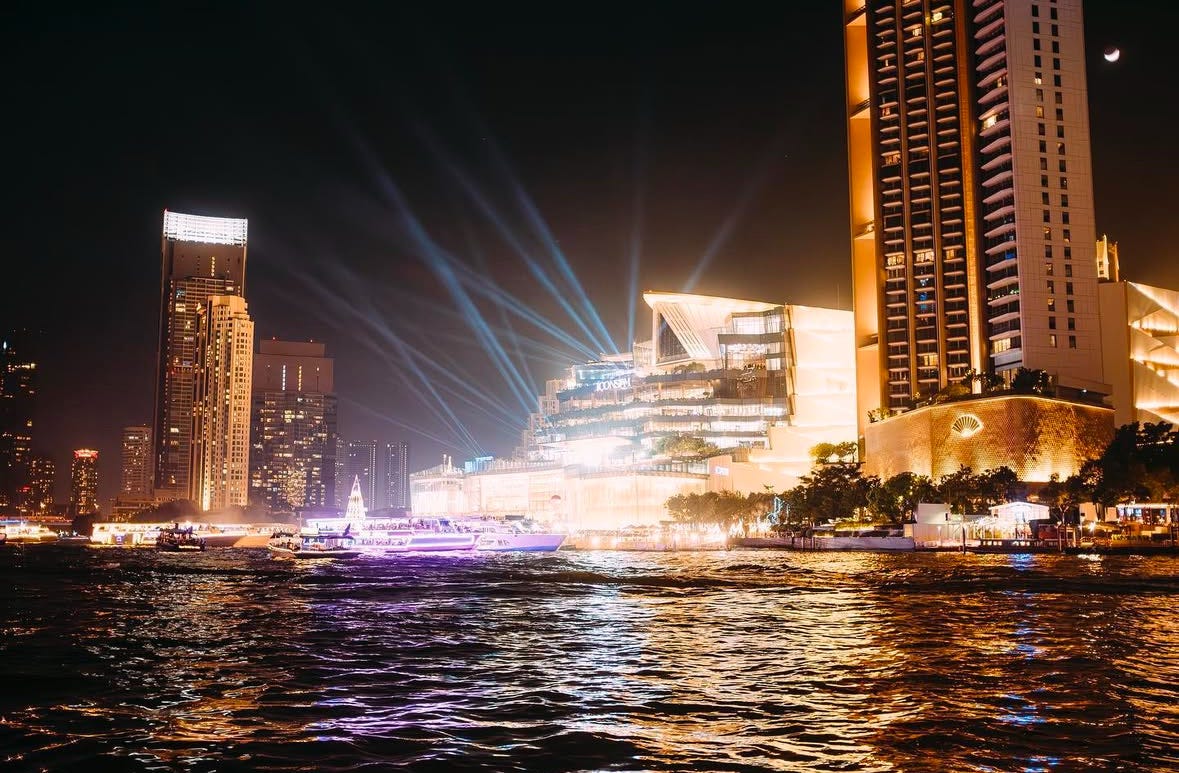
so finally let’s look at 4 images. Spectacle with context, spectacle without context. Absurdity with context, absurdity without context.



Comments
Nothing yet. Say the first thing.
Sign in to join the conversation.