
Dear BWA Shoeshiners and Barbers!
Welcome to Barbershop Whispers…Las Améяicas (BWA), a weekly publication about all things Améяicas. A big and diverse continent that is becoming increasingly important to the global economy. ¡Viva Las Améяicas!
Be sure to also visit Barbershop Whispers…Russia, a weekly newsletter on all things Russia. See the most recent issue:
Follow BWA’s daily posts on X and Blue Sky platform for daily updates and posts.
Thank you for reading “Barbershop Whispers… Las Améяicas (BWA) a product of e8Q Technologies. Subscribe for free to receive new posts.
In last week’s BWA, I discussed whether Cuba’s humanitarian crisis can trigger another mass maritime exodus on the scale of the 1980 Mariel boatlift. The conditions are largely present. At what point does Fulano de Tal decide that the risk of crossing the Florida Straits is better than simply surviving on the island?
In this week’s BWA, I discuss Venezuela’s mountainous debt and the restructuring process. Successful debt restructuring will depend on Rubio and Rodríguez's ability to control the money and the guns, respectively.
Three Months Out | Three Phases, Two Rails | Stability: The Barrels & Cash | Recovery: Progress & Unfinished Business | Transition: Who Can Bind the Republic | What is to be Done? | Abuelo’s Regime Change
Progress Without a Deal — Venezuela has appointed advisers, reopened contact with the IMF and begun organising creditors. It still lacks a verified debt total, a published sustainability analysis and an OFAC licence permitting direct negotiations. The machinery is moving; the transaction has not begun.
Money and Guns— Venezuela’s debt workout sits inside Rubio’s framework of Stability, Recovery and Transition. Washington controls the money; Miraflores holds together the fragile Chavista coalition and security apparatus. This is not your abuelo’s regime change playbook.
On 13 May, the Bolivarian Republic of Venezuela announced the initiation of a comprehensive restructuring of its external public debt, covering the obligations of the Republic and PDVSA. The announcement rested on four principles — sustainability, comprehensiveness, good faith and transparency, and celerity — and offered one date: Venezuela said it expected to present its macroeconomic framework and public debt sustainability analysis (DSA) to the international financial community in June 2026.
That was the Republic’s own expectation rather than an enforceable commitment. Venezuela has appointed advisers and resumed contact with the IMF, but three months on the framework and the DSA remain in process; officials said in July that both were still being refined to absorb the earthquakes’ economic impact. What was announced in May was a process and a perimeter. What is being delivered is momentum.
Miraflores is working inside a framework Washington wrote. In testimony to the Senate Foreign Relations Committee on 28 January, US Secretary of State Marco Rubio set out three American objectives for Venezuela — stability, recovery and transition — without details on sequence or how it would be executed. Seven months on, the phases are running in parallel: stability is being maintained, recovery has been re-scoped by the earthquakes, and transition talks have begun.
For bondholders, Rubio’s three phases will not unfold neatly in sequence. Venezuela can negotiate a debt deal before completing its political transition, but two conditions must be met. Washington must permit the oil revenues needed to support the agreement. Rodríguez must also keep the Chavista coalition, particularly the security establishment, united enough to approve and implement it. Creditors will also need confidence that the next government will honor whatever agreement she signs.
Stability has been delivered largely from outside the country. Washington controls the flow of oil and its proceeds, routing payments into US Treasury-designated accounts, an arrangement that has kept the economy from collapsing while making the United States the effective treasurer. It also decides who gets paid, in what order and when, which is the first fact any recovery analysis has to price. China ran a comparable arrangement with PDVSA on a smaller scale, built to recover its own oil-backed loans; US control has disrupted that repayment mechanism by taking hold of barrels earmarked for Beijing, setting a creditor-priority conflict before debt negotiations have begun.
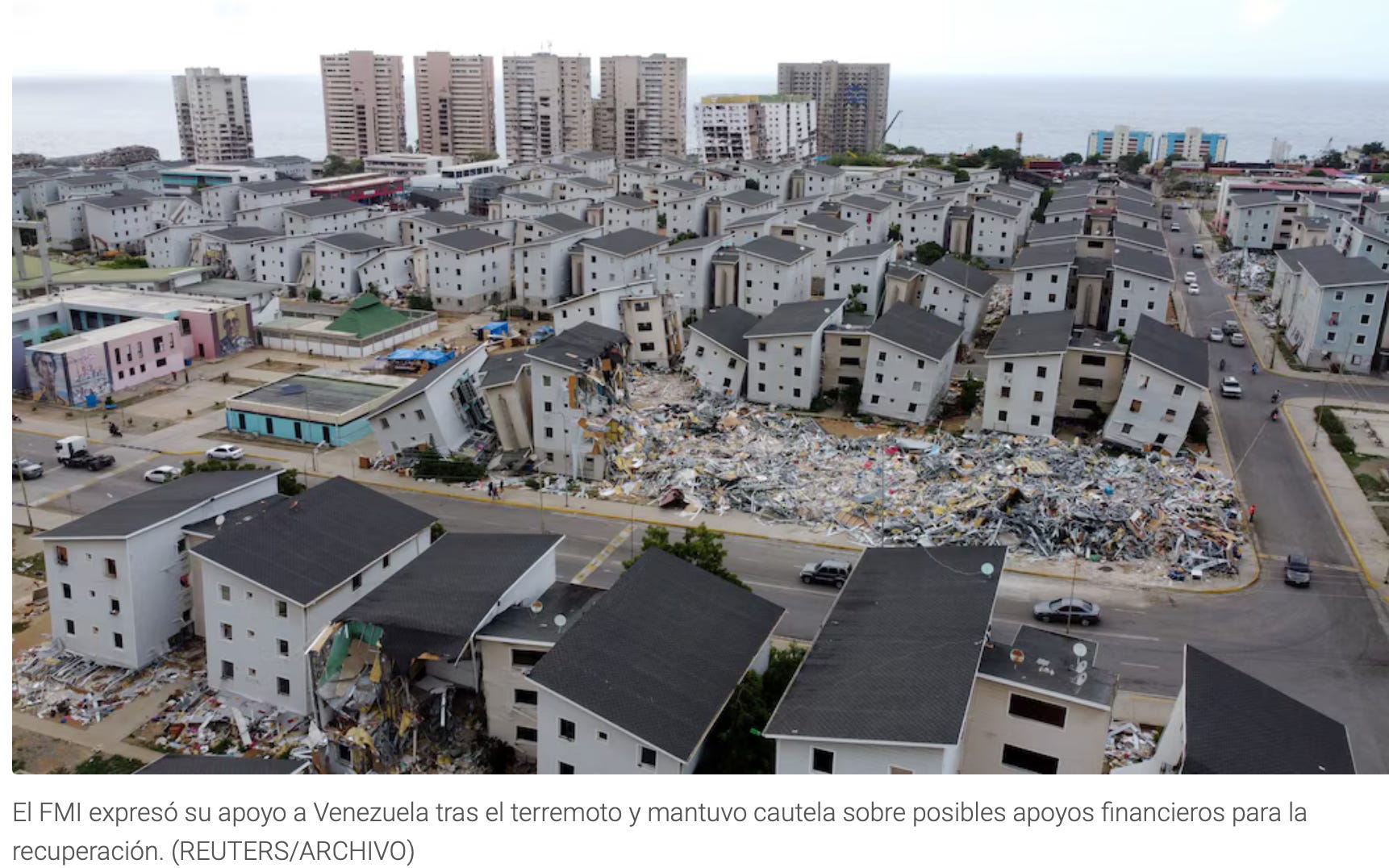
The fiscal arithmetic has since been rewritten by the earthquakes. The World Bank estimates direct physical damage from the 24 June earthquakes at $19.6 billion, with around half concentrated in La Guaira and the Capital District, and warns that at current investment levels reconstruction would remain incomplete over a ten-year horizon; more than 6,300 people are reported dead. Reconstruction on that scale competes for the same cash that would service and settle debt, which is why Venezuelan economists argue that rebuilding has the better claim on the state’s money.
Market pricing has moved on the story rather than on any terms. The license issued on 5 May lifted the Venezuelan sovereign 2027s by 5.4% to 55.53¢ on the dollar, a nine-year high, with the PDVSA 2037s at 40.1¢. Those are clean prices: they exclude the past-due interest any settlement will have to address.
Recovery begins with a number yet to be produced. There is still no official register of what Venezuela owes, and press estimates run from $150 billion to $200 billion, alongside a Financial Times-reported figure of about $240 billion — a spread that exists because no aggregate has been published. The economist José Guerra puts the problem plainly: the government does not know how much it owes, the DSA is missing, and no Venezuelan-led negotiating team exists. The DSA is being prepared by the Republic’s advisors, rather than the International Monetary Fund (IMF) who typically generates these reports in such circumstances, so there is no agreed set of numbers from which to negotiate. Others have proposed validating and reconciling claims first, then exchanging verified claims into standardized instruments, but this would compete for the same money and attention as the earthquake recovery demands.
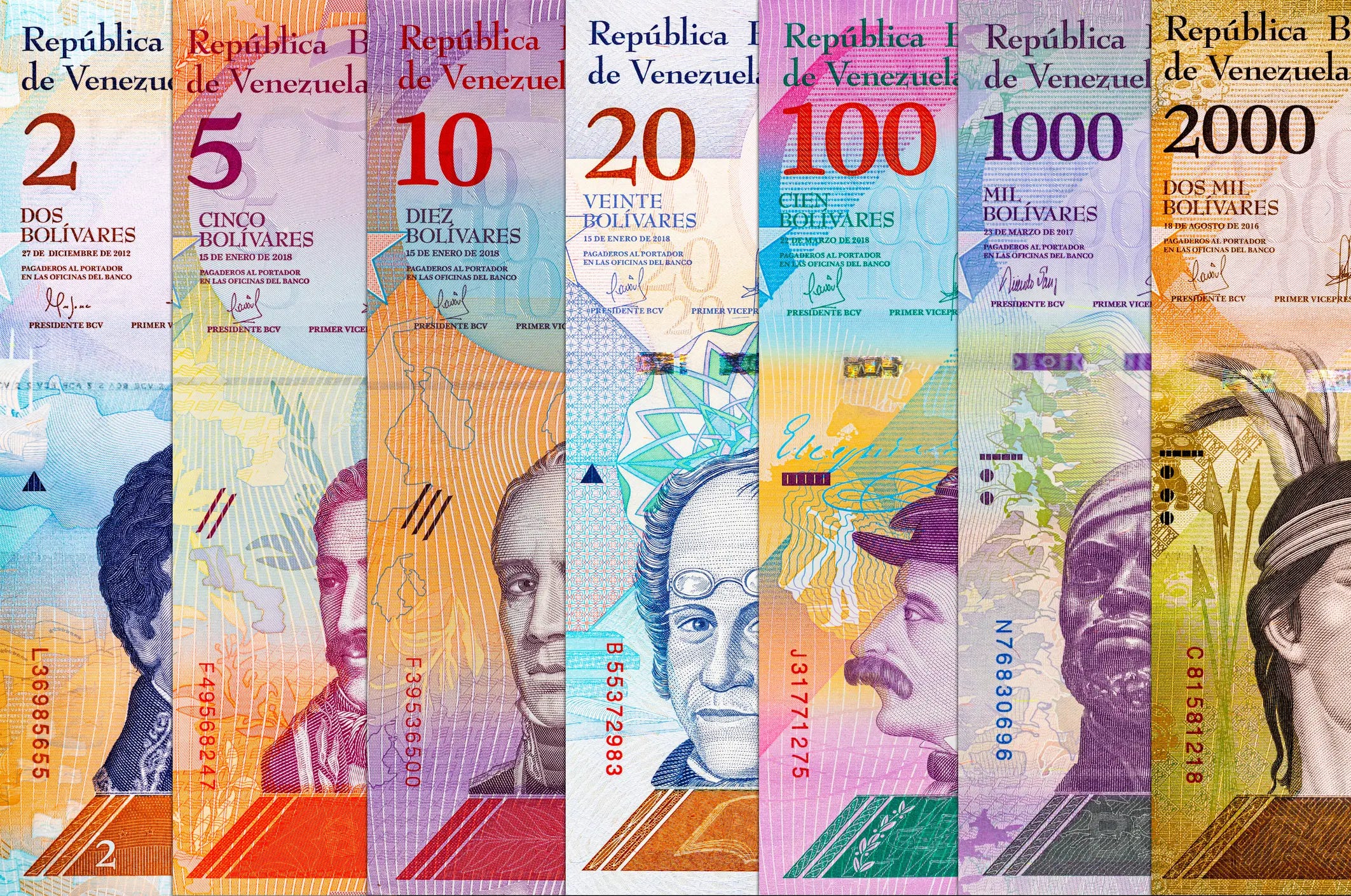
The gate is OFAC General License 58 (GL 58), issued on 5 May, which authorizes legal, financial-advisory and consulting work, including the assessment, development and preparation of restructuring options and supporting materials. It expressly withholds authorization for the restructuring, transfer or settlement of debt and for direct negotiations between the government and its creditors. I have experienced OFAC-driven asset sales, and every step – negotiations with the SDN, signature on the sale & purchase agreement, funds transfer – is scrutinized and approved separately. The last item, an OFAC-licensed funds transfer, is the most difficult: finding a bank willing to wire the funds.
Comments
Nothing yet. Say the first thing.
Sign in to join the conversation.