
When most people think about climate solutions, they think about solar panels, electric vehicles, or wind turbines.
Few think about concrete.
Yet concrete is responsible for roughly 7–8% of global CO₂ emissions, making it one of the world’s largest industrial contributors to climate change. The culprit isn’t the rocks or sand in concrete—it’s the cement, which requires limestone to be heated to extremely high temperatures, releasing massive amounts of carbon dioxide in the process.
On a recent episode of A Climate Change, I spoke with Dean Forgeron, Chief Technology Officer at CarbonCure Technologies, about a surprisingly simple idea that could have an enormous impact: put captured CO₂ back into concrete.
Turning Waste Carbon Into Better Concrete
CarbonCure takes CO₂ captured from industrial sources and injects it directly into fresh concrete during production.
The result?
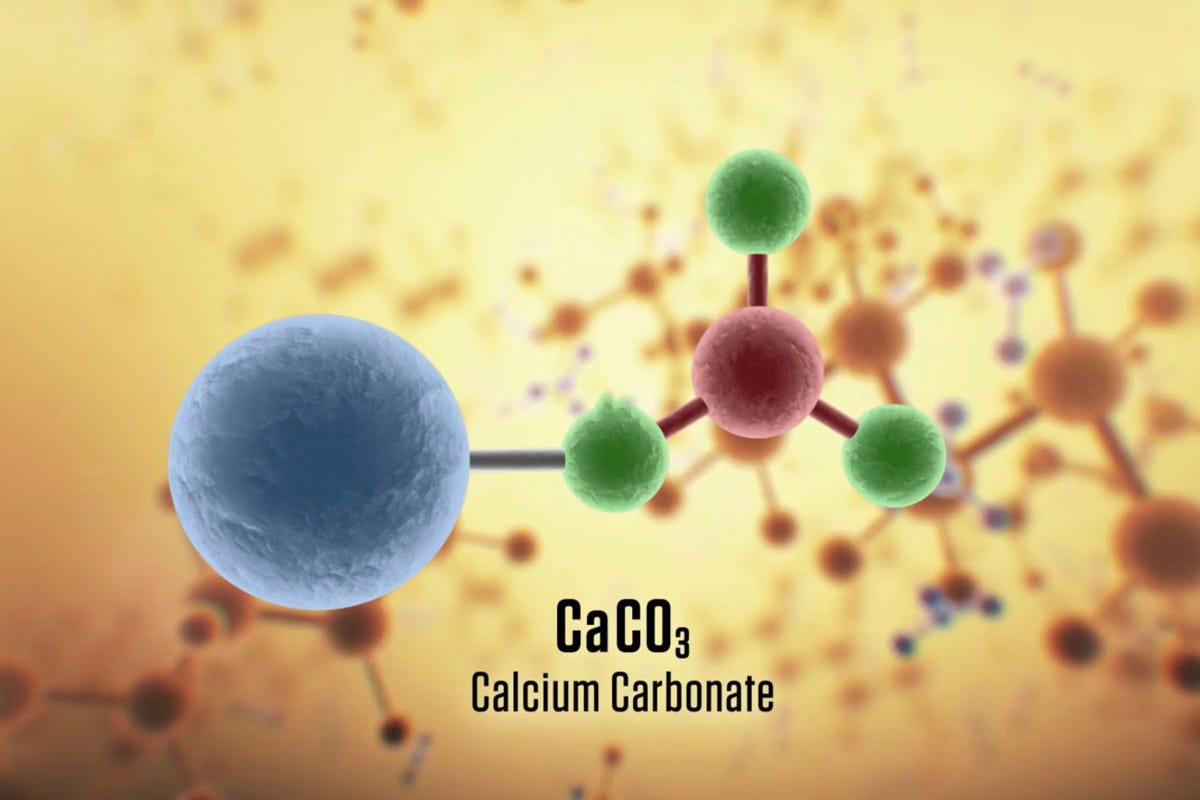
The carbon reacts with the concrete mixture to form tiny particles of limestone. This process not only permanently stores the carbon but also makes the cement more efficient, allowing producers to use less of it while maintaining the same strength and performance.
In other words, CarbonCure helps concrete producers:
Permanently store CO₂
Reduce cement use
Lower emissions
Maintain quality
Save money
That’s a rare climate solution that aligns environmental benefits with economic incentives.
From Lab Experiment to Global Scale
This isn’t a pilot project anymore.
According to Dean, CarbonCure’s technology has now been used in more than 11 million truckloads of concrete across nearly 30 countries, permanently storing more than 768,000 metric tons of CO₂ and moving toward the milestone of one million metric tons avoided.
Even more impressive, the technology has been tested across 21,000 different concrete mix designs and hundreds of cement types worldwide.
Why Adoption Matters
One of the most interesting parts of our conversation was Dean’s emphasis on adoption.
The challenge isn’t proving the technology works. The challenge is helping an entire industry—producers, architects, engineers, regulators, and builders—become comfortable with a new approach.
Climate progress often depends less on scientific breakthroughs than on implementation at scale.
As Dean put it, success means being in thousands of concrete plants around the world and reducing tens of millions of tons of CO₂ over the coming decade.
The Bigger Lesson
What struck me most is that this isn’t a story about sacrifice.
It’s a story about innovation.
The most successful climate solutions will be the ones that create value while reducing emissions. CarbonCure’s approach doesn’t ask the construction industry to accept weaker products or higher costs. Instead, it offers a better way to produce one of the world’s most important building materials.
If we’re going to solve climate change, we’ll need thousands of innovations like this—practical technologies that make sustainability the smarter business decision.
And in this case, the solution may already be hiding beneath our feet.
Listen to the full episode with Dean Forgeron to learn how captured carbon is helping build a lower-carbon future, one truckload of concrete at a time.

Comments
Nothing yet. Say the first thing.
Sign in to join the conversation.