
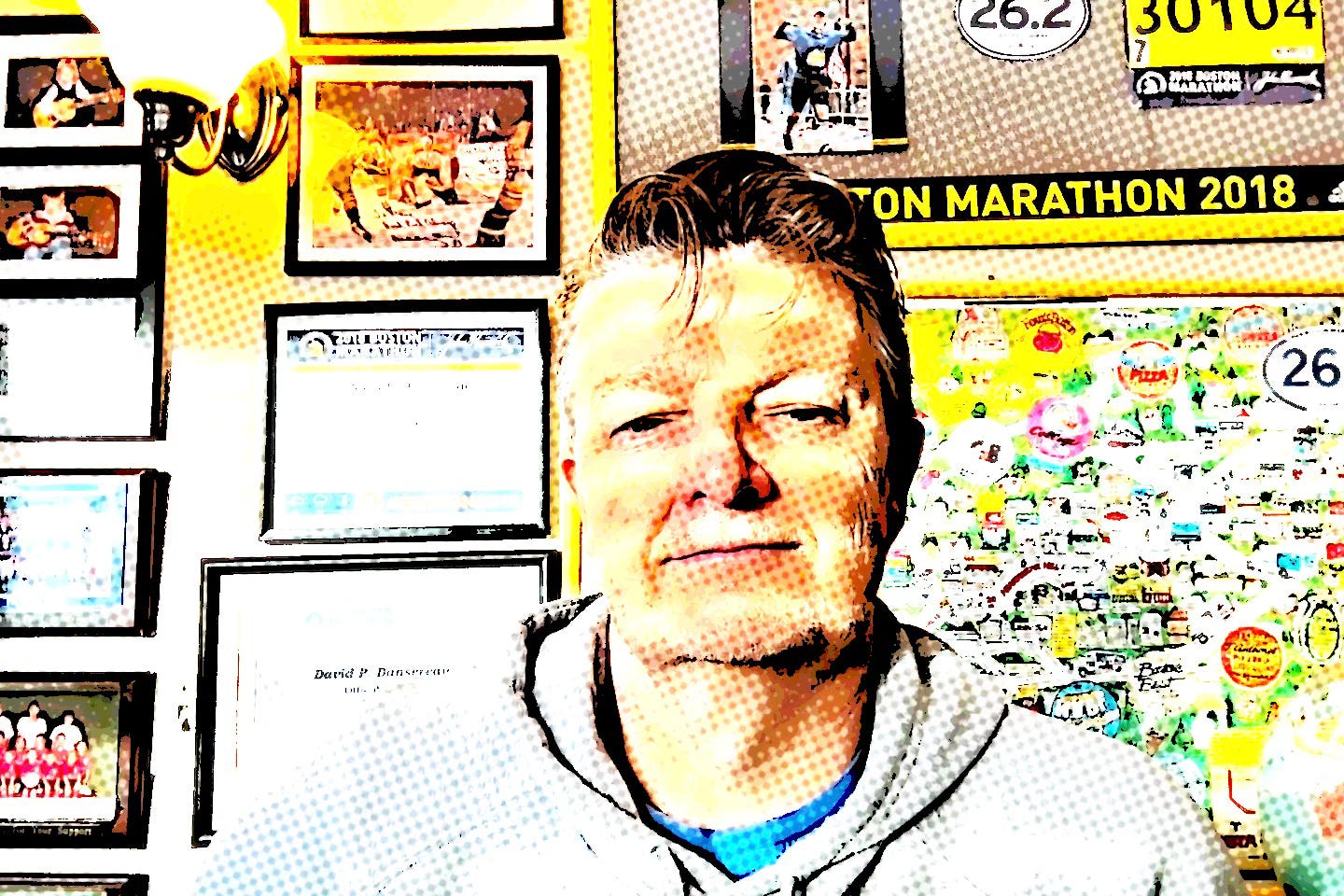
As we approach the exciting weekend before the 2026 130th Boston Marathon, or Patriot’s Day (AKA Marathon Monday) in Massachusetts I’d like to recognize all the runners who put in months of endless dedicated training to rise before daybreak, skip social events to rest, nourish and to get ready for this big day. Many are running for charities, some to try to compete for a medal or break a PR and some to challenge themselves with a personal comeback story of their own.
Over this coming weekend, they’ll be converging on the Hynes Convention Center to walk the Boston Marathon Expo to pick up their BIB numbers and swag bag, to meet up with friends and family, take photos, rest, and take time to reflect on all the hard work they did to get to race day (hopefully healthy).
[Sidebar-If you are reading this as a first time runner, don’t forget to get your marathon poster. It’s by far my favorite collectible in addition to securing that iconic unicorn medal when you finish, as each participant’s name is imprinted on both sides of the poster.]

The first time I chose to run Boston in my 20’s on a bet or office dare that wagered I couldn’t do it as ‘a weightlifter’ and ‘hockey player’. My office coworkers challenged me and I won that bet at 4:04:13. I still keep my entire training journal for my first Boston, it was scratched out on a single piece of 3 ring binder notebook paper but it worked to give me a roadmap to get me to the finish line. No tech, no apps, no wearables as they either didn’t exist or weren’t affordable as a broke college student.
Share Achieve Balance with SmartMovesPT
The second time was probably the most meaningful. It was after my stroke and I wanted to prove that I could come back and achieve balance after one of the most difficult challenges I, along with my family, faced after my stroke. Waiting at the finish line, along with my Tedy’s Team teammates and my family I also had a 12 year-old stroke survivor from my hometown waiting for me with her mom and I wasn’t going to let them down. I didn’t. (See my preview chapter post from my book and meet the Luckiest Girl in the World).
This one took me 4:52:24 and in addition to the physical challenges of not being able to feel much of my left side from sensory loss as a deficit from my stroke, I had also been rear ended in a car accident 2 weeks before the marathon and my back was not 100%. More on this in my new book, Closure After Stroke.
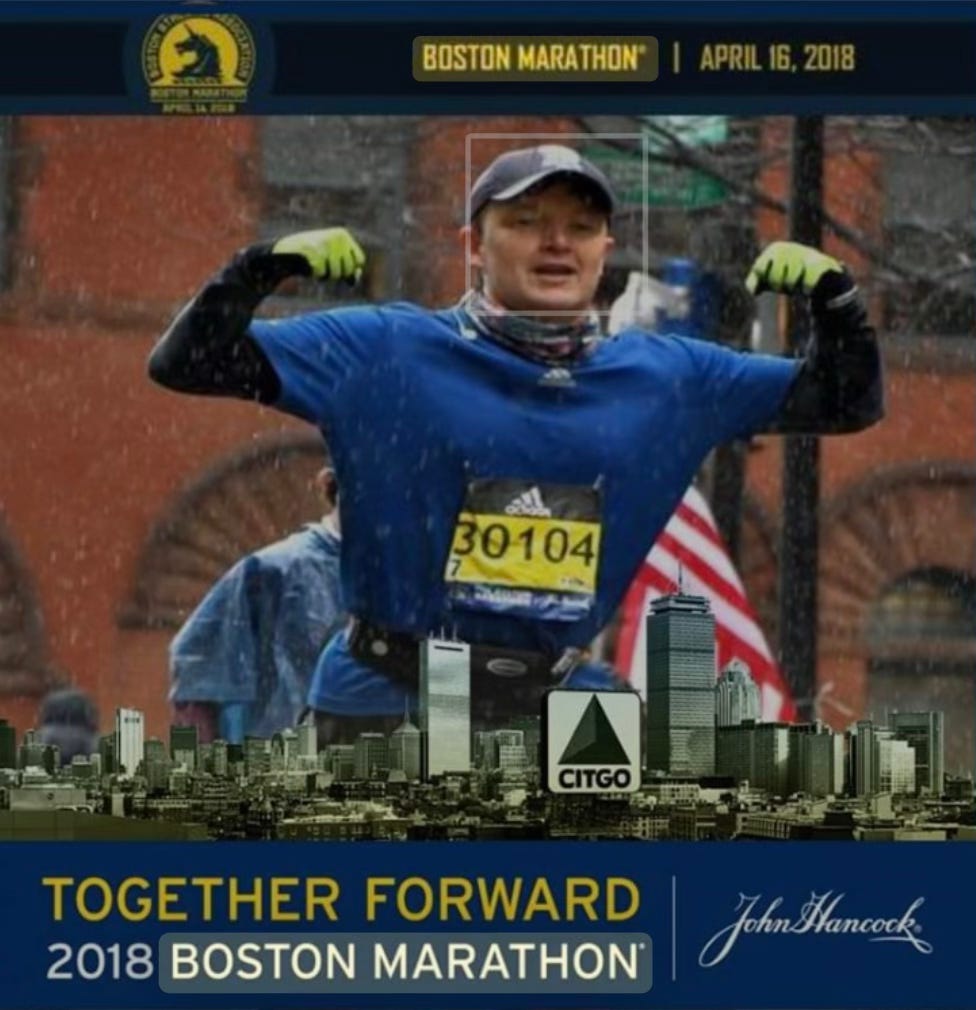
The third time was probably my most difficult again as a stroke survivor, because this time I was training and running alone, without a team. It was also the wettest, coldest and windiest marathon on record (2018), with torrential rains starting at 6am and not letting up throughout the day. The Athlete’s Village, consisting of tents and portable bathrooms in the back athletic field of Hopkinton Middle/High School were flooded by the time the bus dropped our wave off to stage for the walk to the starting line. Runners were muddy, gear and sneakers saturated, and many defeated psychologically before they ever made it to the start line. That wasn’t the hardest part for me, even though I’ll admit a .99 cent poncho I almost didn’t pack probably saved me from tapping out
The 122nd Boston Marathon, held on April 16, 2018, was considered one of the most miserable in history, featuring driving rain, freezing temperatures (30s F), and 20-30 mph headwinds.. -NY Times
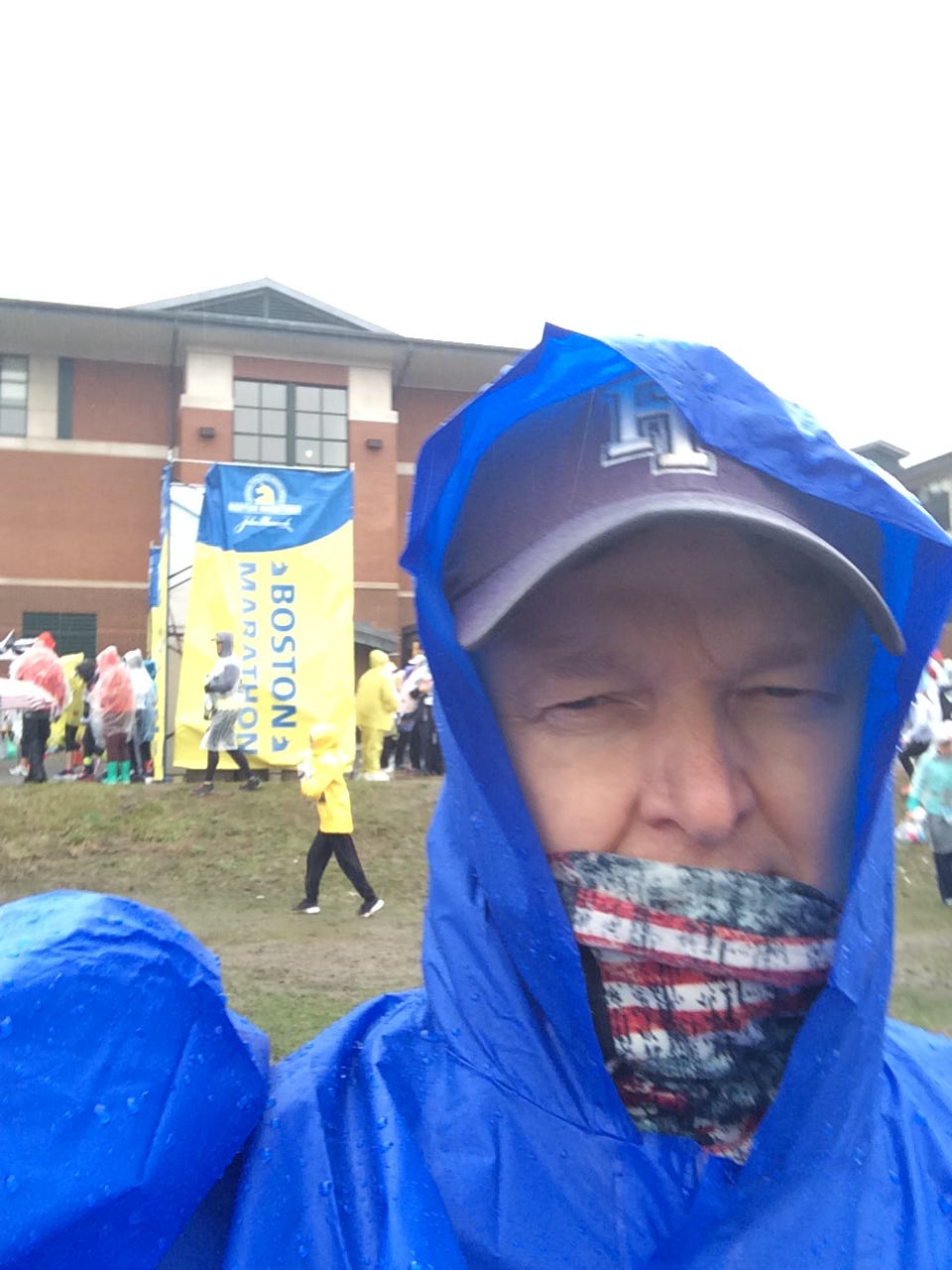
My biggest challenge for this marathon was in the lonely preparation, training and running all the months leading up to that day alone. I can admit now I was struggling mentally after another health scare and needed another win. I turned to what I knew best, running was my medicine, and after a setback and some late effects from my stroke I needed to simply prove to myself I was still ‘OK’ by doing something really physically and mentally hard again. So back to Boston and a finish time that was my worst 5:20:03, but in many was my biggest personal medal or win.
That was my choice and I guess I’m partly inspired to write this today because we just had another great guest on the Know Stroke Podcast who talked about choices and dopamine and the stigma around hiding things deep inside you that only delay recovery and prevent you from achieving healthy balance.
I think in any stage of life, physical condition or challenge, Mike’s words could help you understand why you always have the power to choose a healthier path forward. One choice can hurt, the other can heal. Listen to Mike’s full episode here.
Co-hosting the podcast has been healing for me, as sharing the voices of stroke, we’ve been told over the years from listener feedback, has helped others too.
Closure as I say in my book, is not an ending. Rather, it is the act of choosing, and taking control of the narrative to create a new beginning.
I also will be sharing another bit of good news soon that highlights the importance of TEAM and choice in another post to follow as well as previewing a few chapters in my new book chapter, Finding Your Team and Why I Run.
Please stay tuned and be sure to follow me on Substack at Know Stroke as well for book updates. I’ll also be diving deep into that hill in Boston in my upcoming new book, Closure After Stroke.
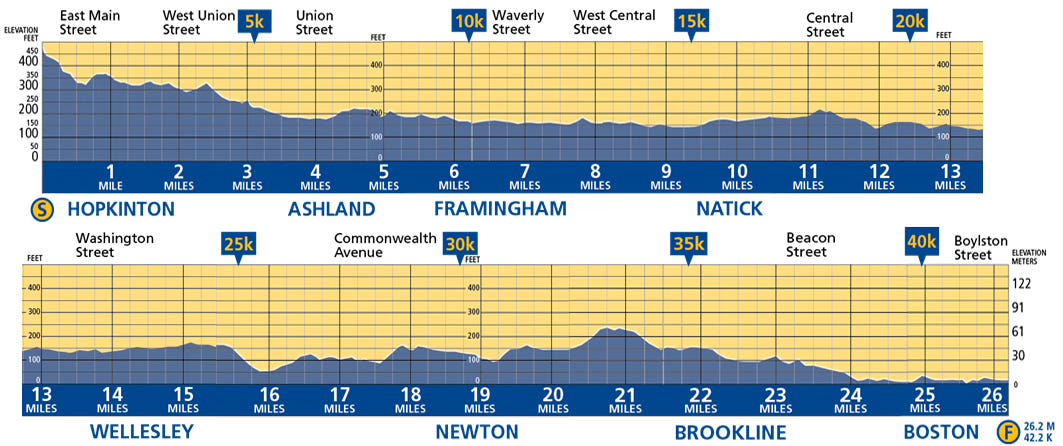
Heartbreak Hill is widely considered the most difficult part of the Boston Marathon not because of its physical steepness, but because of its strategic placement and the cumulative fatigue leading up to it.
Physical Features: Length ~.5miles | Elevation Gain 83-91 feet | Average Grade 3.3-4.5%
Crucial Placement (Mile 20–21): The hill hits exactly when runners are most likely to “hit the wall” or “bonk”. By mile 20, muscle glycogen stores are often depleted, making any incline feel like a mountain.
The “Newton Hills” Sequence: It is the last and longest of four rolling hills in the Newton area that begin around mile 16. By the time runners reach Heartbreak, their legs are already shredded from the previous three inclines.
Preceding Downhills: The first half of the Boston course is significantly downhill. Running fast on these early descents causes extreme “eccentric” muscle damage to the quadriceps. Runners often don’t realize how fatigued their legs are until they try to shift gears to go uphill at mile 20.
Mental Fatigue: The “Hill”, known as a “boogeyman” of the course, its reputation creates a mental hurdle. Runners often dread it for miles, which can lead to psychological burnout before they even reach the base.
The choice to still try to run, walk it, or quit are yours at this point but if you get to the top, the city skyline soon awaits you, and although those last 6.2 miles feel like another separate marathon, your mental grit, the crowds and vision of the finish line home stretch on Boylston Street can carry you home!
Comments
Nothing yet. Say the first thing.
Sign in to join the conversation.