
I will never forget the night of Woody’s funeral, sitting in the basement, clawing at my heart trying to rip it out, while begging God over and over, “Take my pain and use it. It does me no good.” Little did I know what this prayer would lead to. I just wanted the heartache to stop.
“Take my pain and use it. It does me no good.”
My journey for truth was born out of nothing but a deep knowing that something didn’t make sense about Woody’s death. Why would a guy who loved life take his own life?
Almost immediately, my brother-in-law and I spent sleepless nights digging into the one and only thing that changed in my husband’s life — being prescribed Zoloft. Everywhere I turned, the so-called experts were telling me Woody was depressed. No one believed a “safe and effective” drug could make someone suicidal and instead blamed the person or their “disease.”
Woody went from not being able to sleep; to a feeling of his head being outside his body; to hanging from the rafters of our garage within five weeks after starting the drug. We never once questioned the drug. Why would we? Zoloft is FDA approved, given to Woody by his doctor, and advertised and sold as “safe and effective.”
At the time of my husband’s death, there were no suicide warnings on antidepressants. So, it became our mission to get the drug label changed. It was too late for our family. But if just one person was informed, then Woody’s life and death made a difference.
With our binders of research in hand, my brother-in-law and I headed to Washington DC. The battle for justice took us to the FDA, HHS, Congress, the courts, and the media. I quickly learned that Woody was not an isolated case or just “anecdotal” as FDA called us. I found this ironic since the FDA first held hearings on Prozac and the emergence of violence and suicide in 1991.
We walked the halls of Congress —met with Senators and Representatives; testified at FDA hearings; and invited to testify before US Senate HELP committee on FDA. We also helped with the House subcommittee investigation that ultimately led to Congressional hearings on antidepressants and FDA failures.

Share (UN)Acceptable Collateral Damage
I had a successful failure to warn, wrongful death lawsuit against Pfizer that unsealed documents showing the FDA, Pfizer and others long knew about the risk of suicide and failed to warn the public. I will share more in another post about my litigation experience with Pfizer; FDA’s interference with the creation of the preemption brief to get lawsuits thrown out by judges; and Scott Gottleib.
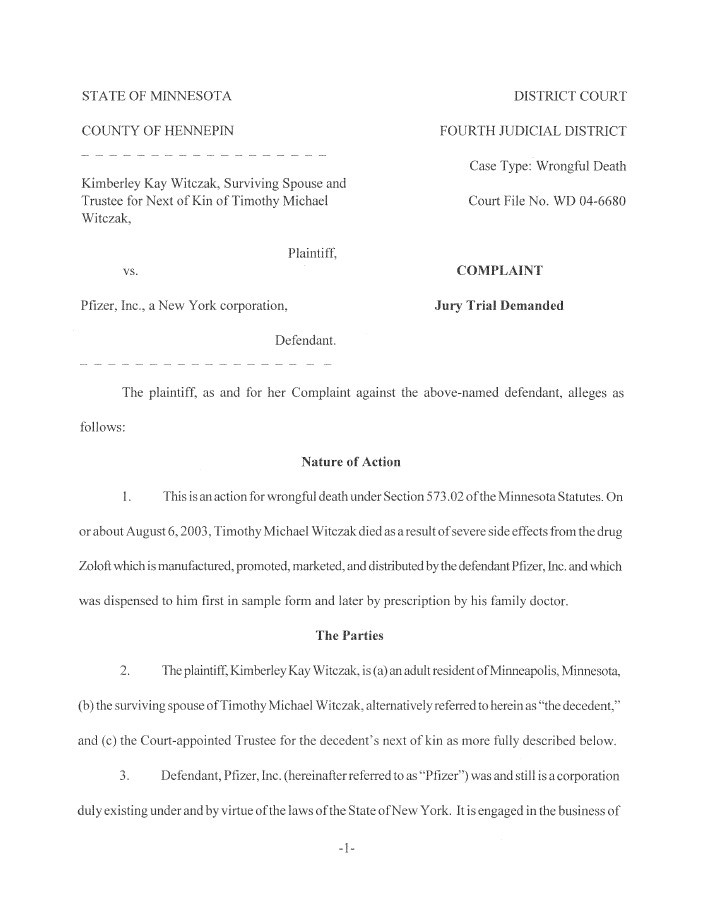
We took binders worth of internal documents obtained from the lawsuit and delivered them to FDA, Congress, and the media. You cannot unsee once you have seen these documents in b/w on their letterhead. For years Pfizer argued they were trade secret and should be classified as confidential.
Here are a few of my favorite documents.
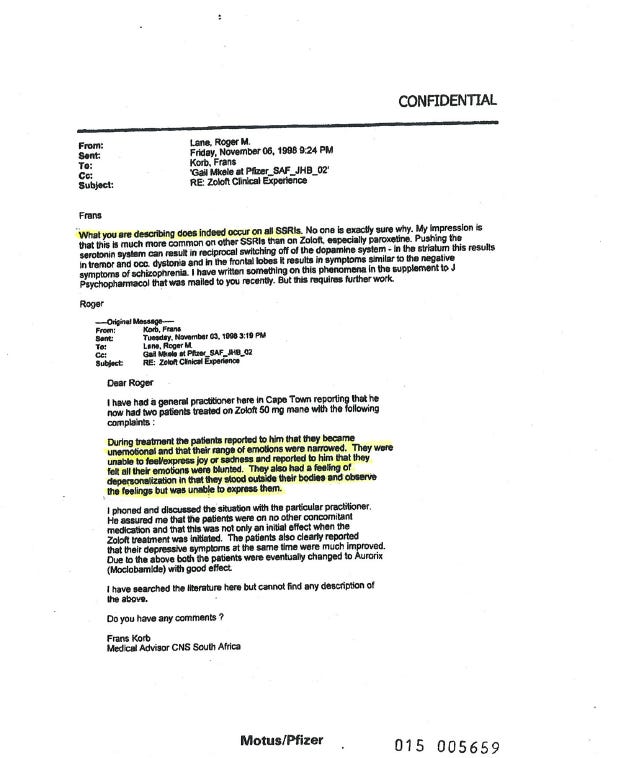
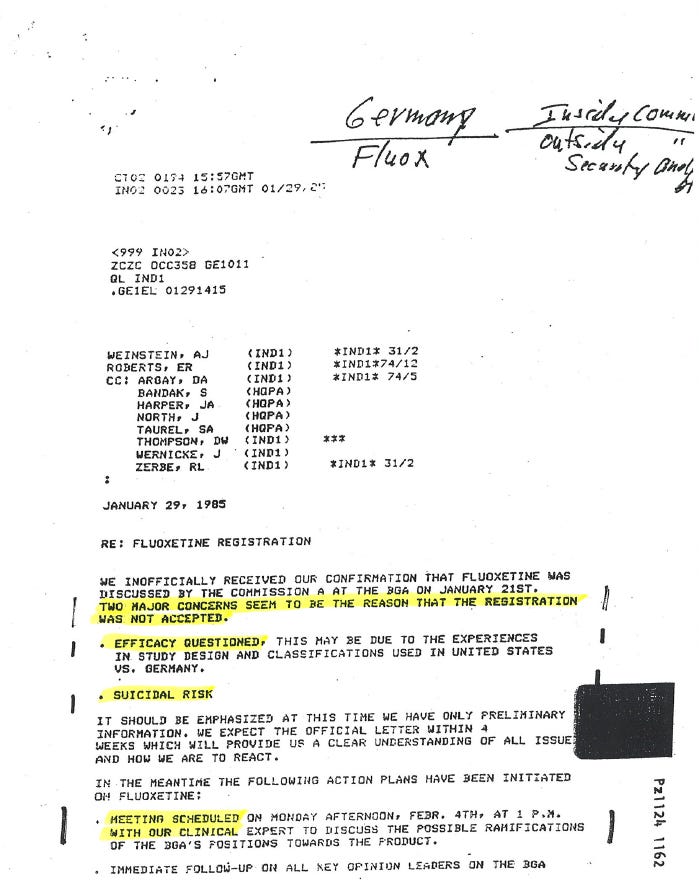


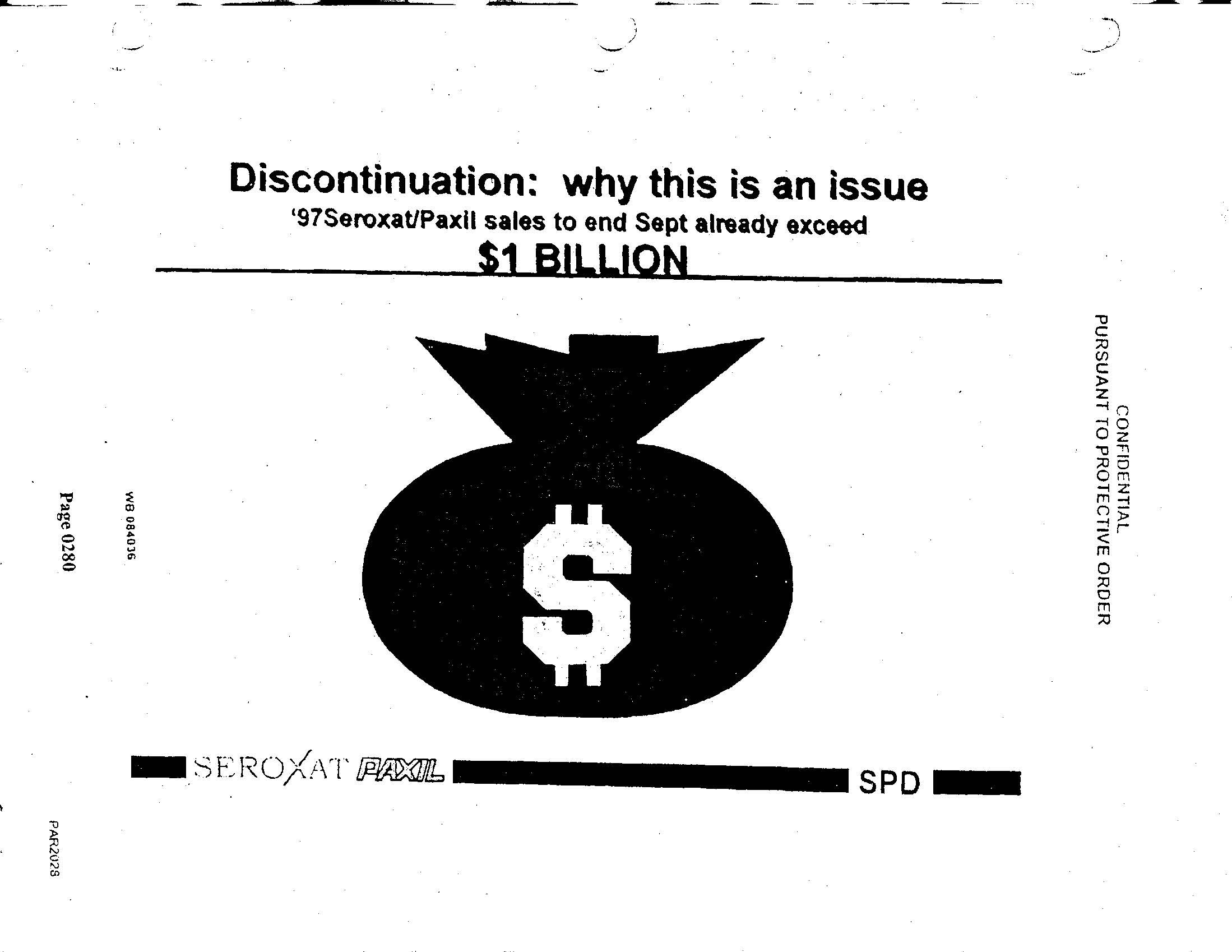
I also shared Woody’s cautionary story with the media to make sure the public was informed of the risks since the FDA and Pfizer were not doing their job. The media was an important tool in helping to tell the dark side of antidepressants. There was no social media such as Facebook, Twitter or Substack like there is today.
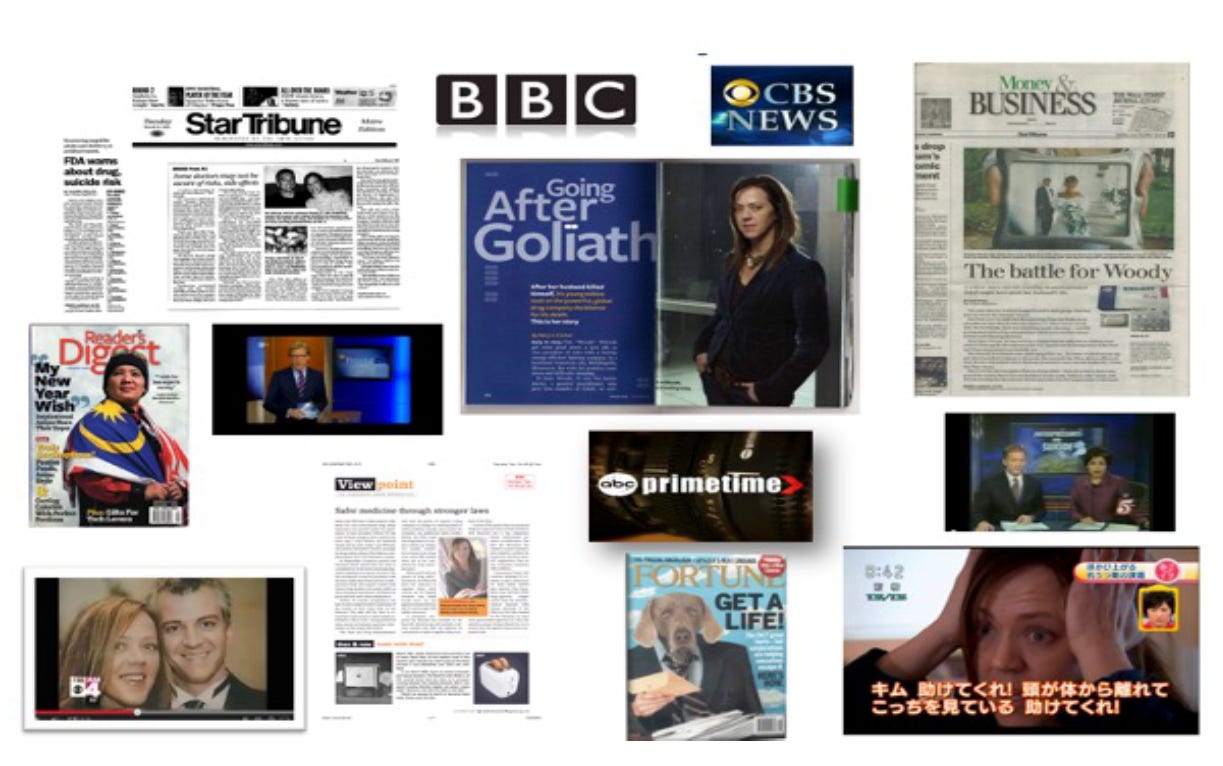
Eventually 13 years after the FDA first held hearings on the link between Prozac and suicide in 1991, FDA blackbox suicide warnings were added to all antidepressants for kids in 2004 and young adults (up to age 24) in 2006.
To this day, there are no warnings for adults. All ages are at risk and need to be informed of what to look for when first going on the drug, change in dosage, or trying to get off the antidepressants. How many lives were destroyed because of withholding this vital information from families when they knew about it?

While I initially thought this was just an isolated issue with antidepressants, I soon realized it was a much larger systemic problem with our overall drug safety system. We have a system that is driven by commercial interests and compounded by issues such as lack of transparency, conflicts of interest, undue industry influence trying to game the system through marketing and PR spins, and a weak regulatory agency.
And then there is just the sad fact that the system is set up to hype and promote the benefits, sometimes marginal at best, and not interested in the harms caused by pharmaceutical products.
Share (UN)Acceptable Collateral Damage
Comments
Nothing yet. Say the first thing.
Sign in to join the conversation.