
I recently sat down with Meg Josephson, a psychotherapist and the author of the instant New York Times bestseller: Are You Mad At Me? to discuss the fawn trauma response, more commonly known as people-pleasing.
In the book, Meg beautifully weaves the story of her relationship with her explosive father and emotionally unavailable mother to explore how people-pleasers are created, the impact this type of upbringing has on both our psyche and body, and answers the question of what we can do about it.
Here are three quotes from our interview, and one from the book, that really stood out for me.
The Origin Of Patterns
I asked Meg about the impact of being raised by parents like her father, who may have a good side, but also a scary one. She explained that when a child is forced to constantly be monitoring their parent’s moods, it can create unhealthy people-pleasing tendencies that persist in adulthood.
The sense of hypervigilance is a really key part of the fawn response, where we’re constantly hyper aware of what’s happening externally. Monitoring your parents’ moods. Are they happy? Did I upset them? When this is happening again and again and again, we learn that people’s moods are my responsibility. It’s my responsibility to keep people happy.
The Body Keeps The Score
Meg shared how a lifetime of people-pleasing and self-suppression manifested in a constant cycle of physical symptoms that doctors couldn’t explain, which gave her a first-hand lesson on the importance of the mind-body connection.
When I now look back on that time, I think, ‘Oh my gosh, of course! I was so confused and hurt and angry and grieving and I just…my body was speaking. My body was speaking to me.’
The Hidden Grief Of Adult Children
One of the most powerful ideas Meg spoke about in our interview is grieving relationships with parents who are still alive but emotionally unavailable.
There’s another form of grief: grieving what won’t ever change. Grieving a relationship of someone who’s alive and well. Grieving what won’t ever be. We can’t just skip to compassion, or skip to acceptance, without first acknowledging the longing that’s beneath that.
From The Book
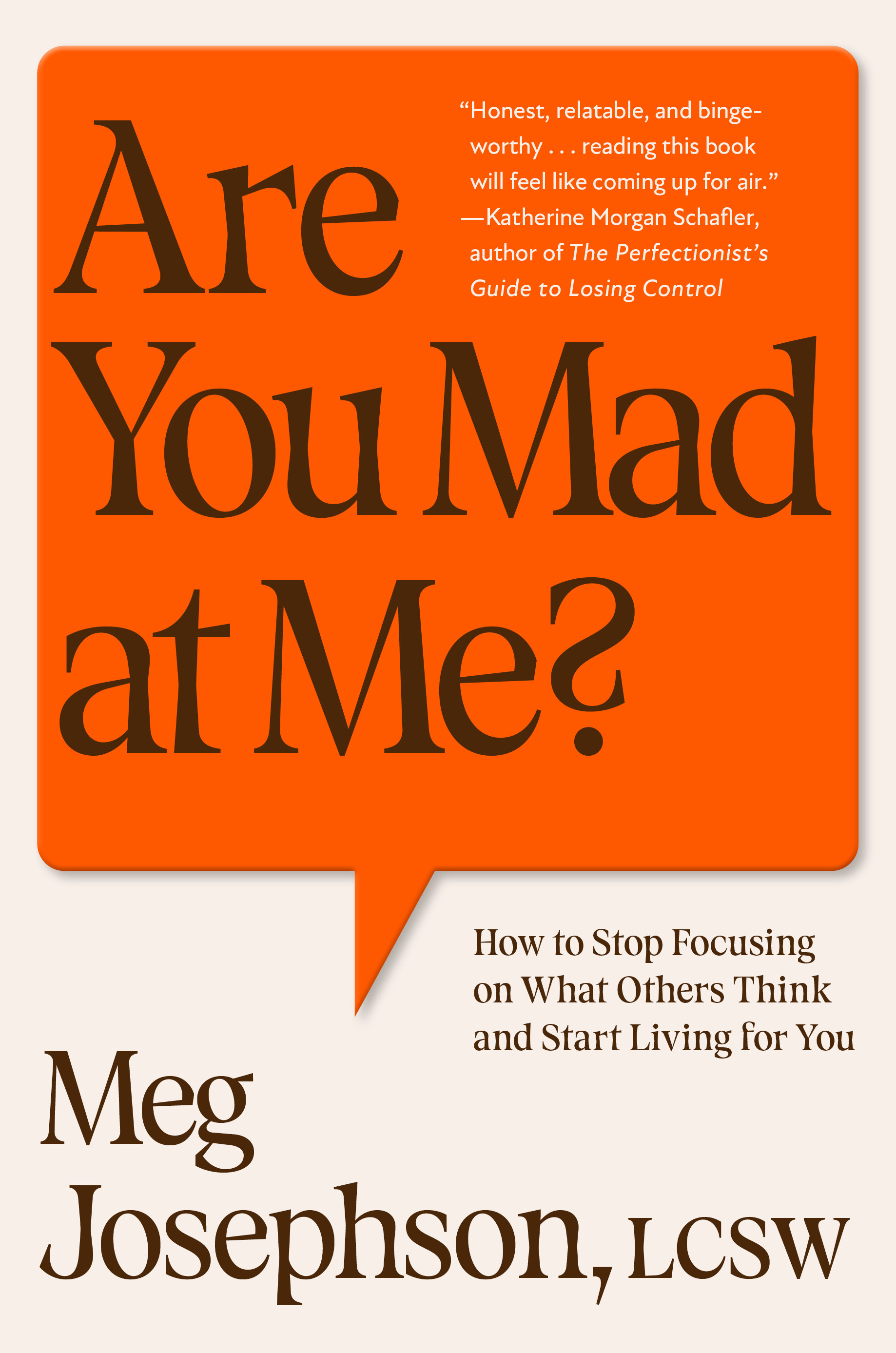
As Meg describes in Are You Mad At Me? when we begin to acknowledge the grief of what won’t ever be, we often find a profound sense of aloneness hiding beneath it:
Emotional loneliness stemming from childhood is a vague, looming experience. It's a cloud, a feeling that something is wrong but you just can't figure out what. Often this loneliness is masked by hyperindependence, a deep-rooted belief that you need to handle everything on your own, that it's unsafe to ask for help or rely on others, because you had to be your own parent when you were so young.
If these words resonate with you as much as they did with me, you can listen to the full interview to hear more of Meg’s story and what it taught her about healing from the fawn trauma response as an adult:
Hey there, thank you so much for taking time out of your day to read my article, it really means a lot to me. If you’re looking for more from me, here are some things you can check out:
Healing From Emotionally Immature Parents - a course I created with Dr. Lindsay C. Gibson, author of the New York Times Bestseller Adult Children Of Emotionally Immature Parents
Academy Of Self Help Private Community - Book club (hosted by me) & women’s support group (hosted by therapist Nicole Johnson, author of Reparenting Your Inner Child)
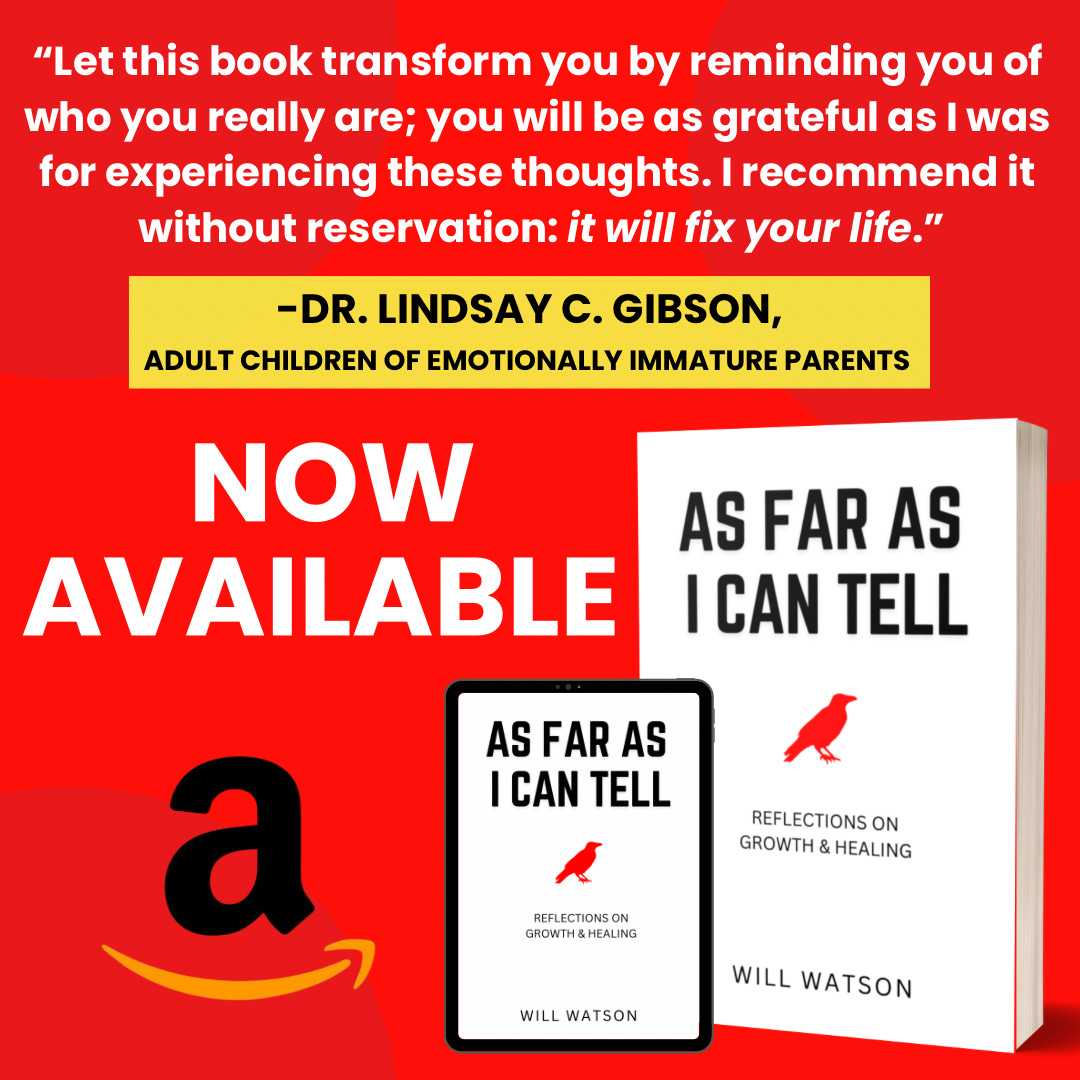
My first book As Far As I Can Tell
Comments
Nothing yet. Say the first thing.
Sign in to join the conversation.