
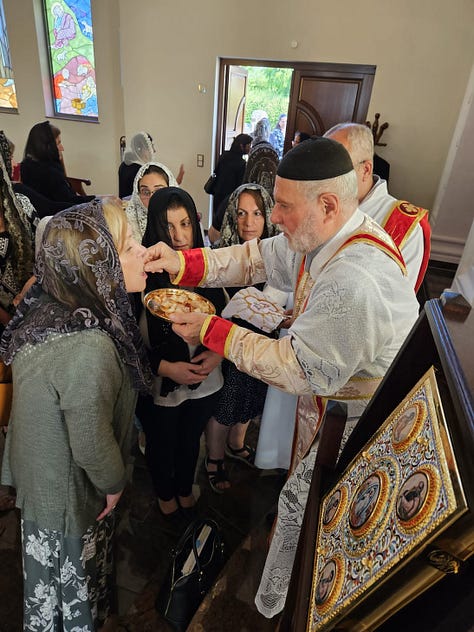
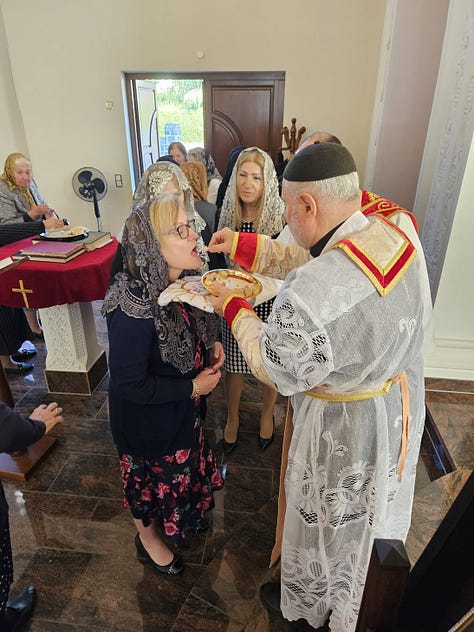
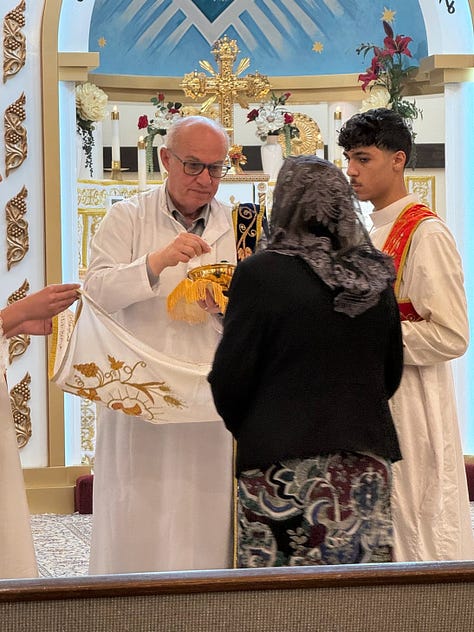
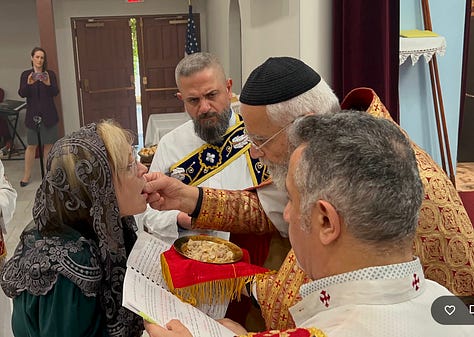
Orthodox Christians, whether Oriental or Eastern, typically speak a prayer of confession before partaking of the Eucharist. This is a very important part of the liturgy, as it readies the faithful to partake of the life-giving Body and Blood of our Savior Jesus Christ.


Jesus taught the disciples in John 6:53-58 (here from the Peshitta):
53 Jesus said to them, “Very truly I tell you, unless you eat the body of the Son of Man and drink his blood, you have no life in yourselves. 54 But whoever eats of my body and drinks of my blood has eternal life, 55 For my body truly is food, and my blood truly is drink. 56 Whoever eats my body and drinks my blood abides in me and I in them. 57 Just as the living Father has sent me, and I live because of the Father, the one who will eat me will also live because of me. 58 This is the bread that came down from heaven. It is not like the manna your forefathers ate. They died, but whoever eats this bread will live forever.”
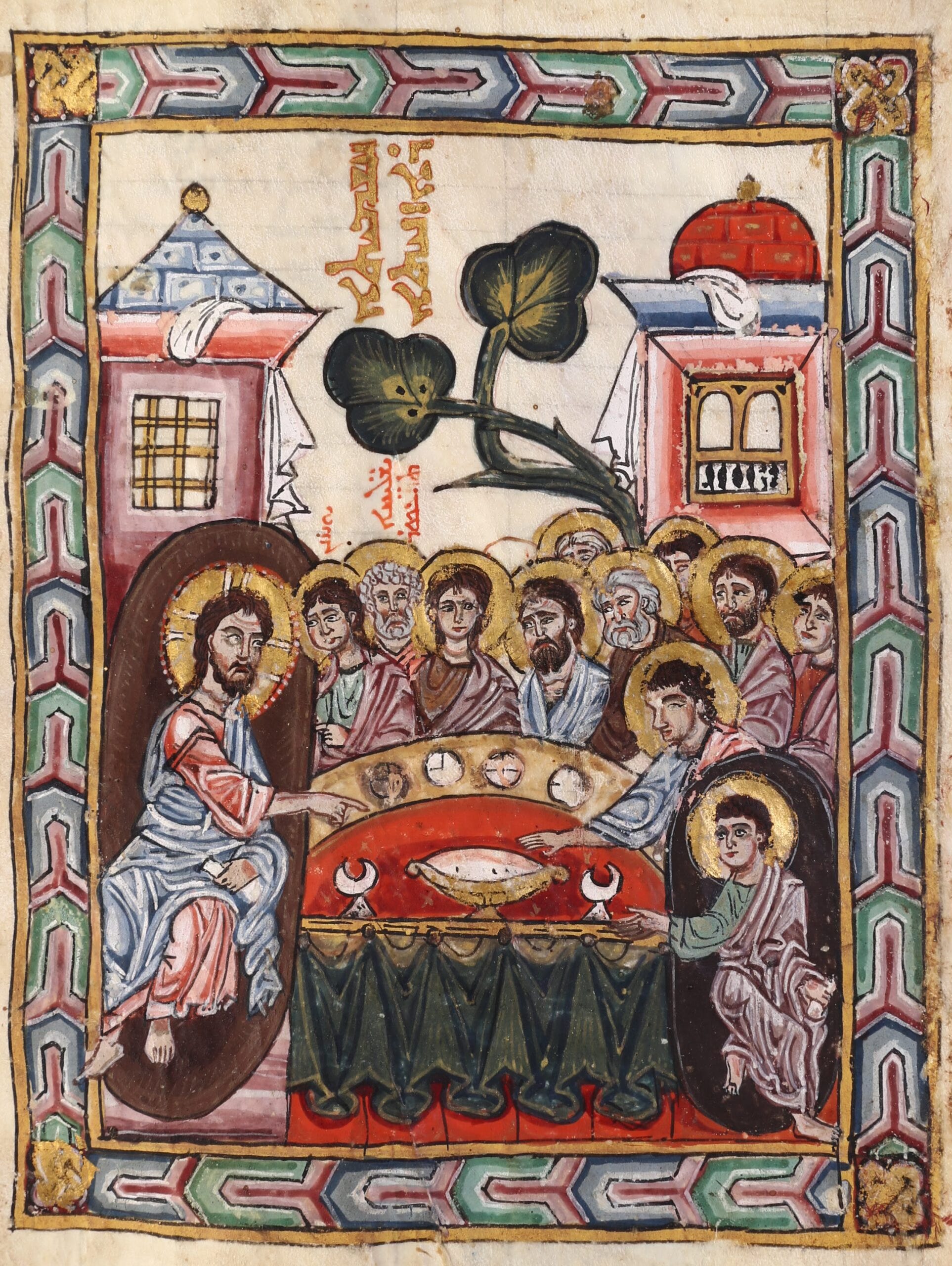
So when we participate in the Eucharist, we are eating the Bread of Life, the Body and Blood of our Savior. We are eating this so we may have eternal life. Just prior, in John 6:28-29, Jesus says something that, as an evangelical, I read and stopped with it: “They said to him, ‘What may we do to perform the works of God?’ Jesus answered them, ‘This is the work of god: to believe in the one that he sent.’”
Of course, I read the verses that followed in my Bible, but I understood them to be symbolical, something we commemorated every couple of weeks at the churches I attended for most of my life by having the Lord’s Supper, as it was called. It was a memorial meal. But how then do I explain that a number of disciples left Jesus because of this hard teaching, as we read in John 6:66? By the way, I always thought that was an interesting verse number…666. Go look that up in the Bible. It is definitely speaking of the antithesis of what Christ is offering us through this unbloody sacrifice we celebrate in the Holy Qurobo.
But—back on topic—as an Orthodox faithful, I have to read Scripture through the Holy Tradition of the Church. And that Holy Tradition is telling us that this is truly the Body and Blood of Christ, even if our eyes see bread and wine. Here is what the Syriac Orthodox Church of Antioch teaches:
According to the Syriac Orthodox Church of Antioch, of all the seven sacraments, the Holy Eucharist is the greatest and most revered and exalted, by which the believer eats the Holy Body and drinks the Precious Blood of Jesus Christ, presented by the Bread and Wine. It is sometimes called the ‘Mystery of Mysteries’; for all the Sacraments are crowned by the Eucharist:
The person baptized must receive Communion directly after Baptism.
The repentant person must receive Communion after having confessed his sins.
The person who intends to get married must receive Communion before the wedding, (which must take place between the week before the wedding time), according to the original Rite of Matrimony.
Also, whoever is ordained with any rank of deaconry or priesthood must receive Communion following the Holy Mass of his ordination.
It gives us the promise of eternal life : “Whoever eats My Flesh and drinks My Blood has eternal life and I will raise him up at the last day. He who eats this Bread will live forever” (John 6:54,58).
It provides growth in the Spirit and spiritual perfection and life in Jesus Christ, for He said: “For My Flesh is food indeed and My Blood is drink indeed .... As the living Father sent Me, and I live because of the Father, so he who feeds on Me will live because of Me” (John 6:55,57).
As food develops the body and keeps it healthy, so too the spiritual food, which is the Holy Body and Blood of Christ, strengthens the soul so that it may grow continually in grace.
It provides remedy to the soul, body and spirit, as we say in the Anaphora: “That they (Holy Body and Precious Blood) may become to us all for participation and healing and salvation for our bodies, souls, and spirits”.
Partaking of the Communion without worthiness causes weakness, sickness and death, for as St Paul said : “For this reason many are weak and sick among you, and many sleep” (1 Corinthians 11:30).
Communion gives a person immunity against sin. Material food gives him health and immunity against bacteria and viruses that attack his body. Likewise, partaking of the Holy Body and Blood of Christ gives the spirit immunity and inaccessibility against the viruses of sins, Satanic warfare and bodily lusts, so the person lives victoriously in his spiritual struggle. The Psalmist says : “You prepare a table before me in the presence of my enemies” (Psalm 23:5). This verse was a prophecy about the table of Communion and its benefits for victory against our enemies.1
Needless to say, we don’t just walk up and eat without first asking God to forgive us our transgressions. Sins in the Orthodox world are not crimes that must be punished, but symptoms of the illness that we have with our broken soul that has lost its way to God. So in these prayers of confession, we beg God to set us on the right course toward Him and the safe harbor He offers to us.
In the Syriac Orthodox Church, this confession is made jointly, directly before the Eucharist is offered to the faithful. Here are the words. Pay close attention to the bolded section. This really hit me hard when I first prayed it because I had to ask myself whether I was truly willing to give up my beloved sins I fall into again and again, if it meant dying to avoid doing them again.
I make my confession to God. the Father Almighty, and to His beloved. Son, Jesus Chist, and to the Holy Spirit. I confess the holy faith of the three Ecumenical councils of Nicaea, Constantinople, and Ephesus; in the most noble priesthood ascribed unto you, Father Priest, by which you set loose and bind. I have sinned through all my senses, both inwardly and outwardly, in word, in deed, and in thought. My sin is great, very great, and I repent of it most sincerely, purposing not to fall again into the same ever. Preferring death rather than embrace sin. And I ask you, by the authority of the sacred priesthood., that you absolve me of my sins, asking God to pardon me through His grace. Amen.
In my husband’s Greek Orthodox church, the prayer is also offered, though the wording is different, as it is a tradition of the Eastern Orthodox Church. But the focus on telling the Lord that we have sinned in every which manner possible is also visible there:
I believe, O Lord, and I confess that Thou art truly the Christ, the Son of the Living God, who camest into the world to save sinners, of whom I am the first. I believe also that this is truly Thine own most pure Body, and that this is truly Thine own most precious Blood. Therefore, I pray Thee: Have mercy upon me and forgive me my transgressions, committed in word and deed, whether consciously or unconsciously. And make me worthy to partake without condemnation of Thy most pure Mysteries, for the remission of sins and unto life everlasting. Of Thy Mystical Supper, O Son of God, accept me today as a communicant. For I will not speak of Thy Mystery to Thine enemies, neither like Judas will I give Thee a kiss; but like the thief will I confess Thee: "Remember me, O Lord, in Thy Kingdom." May the communion of Thy Holy Mysteries be neither to my judgment, nor to my condemnation, 0 Lord, but to the healing of soul and body.
My sins of word and of deed, committed through all my senses, whether I did it intentionally or wasn’t even aware of them, are brought before God. I am so glad that the words “consciously” and “inwardly” are there to be brought before the Lord because 99% of my sins fall into that category. Whether I judge others, have inappropriate thoughts of various natures, question my own faith or that of others, these things are all happening behind the skin of my forehead.
What worries me more is that the “Preferring death rather than embrace sin” comes across my lips way too easily. I honestly question whether I am sincere when I say that, because it seems to me the sins in question should stop immediately if I were to die when committing them again. Mercifully, God has been a lot more lenient in our days than He was with the Israelites (anyone remember Nadab and Abihu? If not, read Leviticus 10:1-2). But the grave nature of my sin has not changed. Even though my body contains the Body and Blood of Christ, I still prefer my sin many days over faithfulness. The sickness continues…
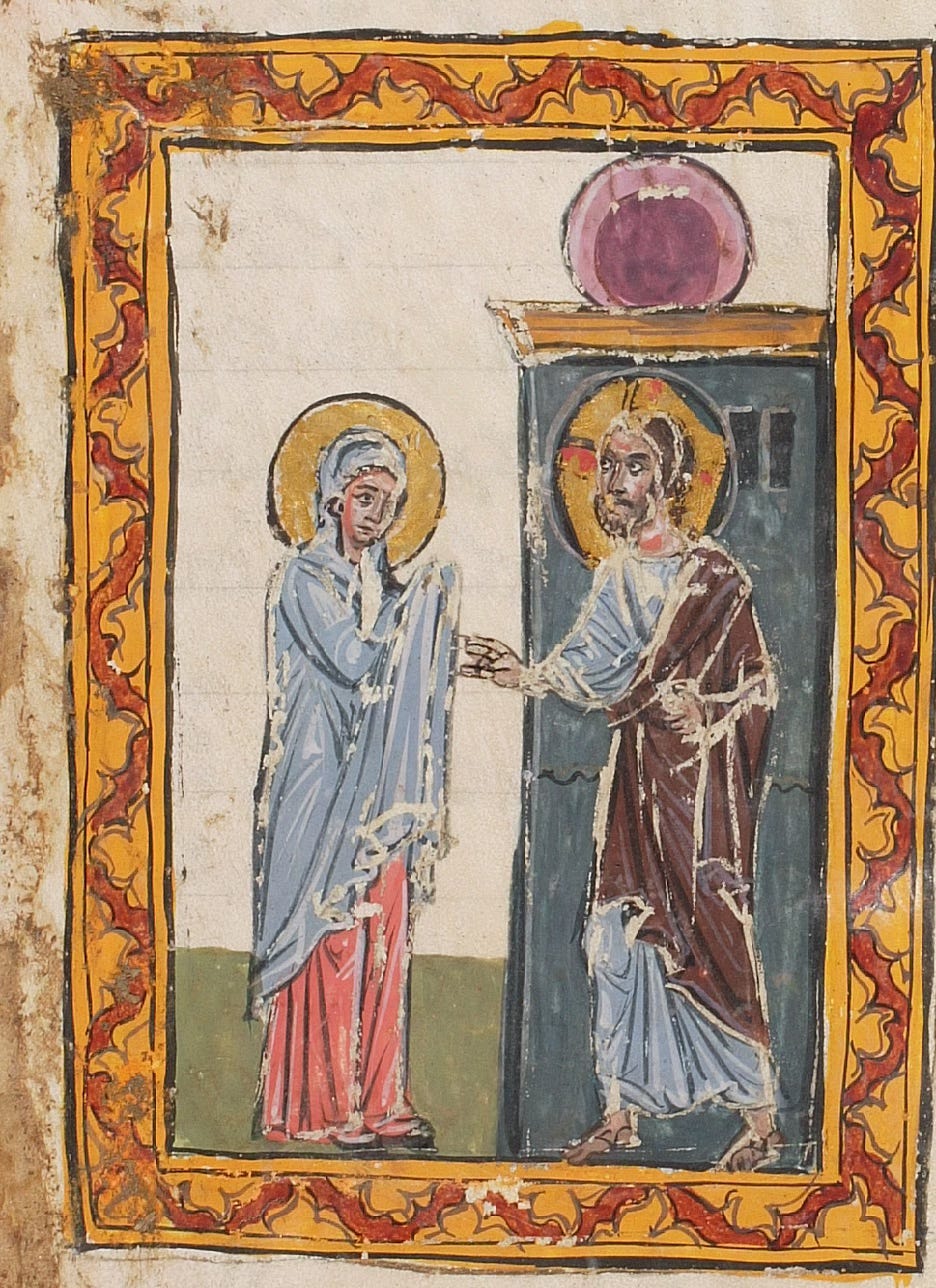
Lent may be a really good time to ask the Lord to heal our spiritually diseased bodies that far too often come under the horrible control of sin. The Great Physician conquered death by His own death. He is able to heal us. He is able to rip us out of these sin cycles that cause further disease. Glory to God that He wants to heal us. And by faithfully going to confession, praying these prayers, and partaking of the Eucharist, we are setting ourselves up for success. May He heal us completely. Lord, have mercy!
No posts
Comments
Nothing yet. Say the first thing.
Sign in to join the conversation.